
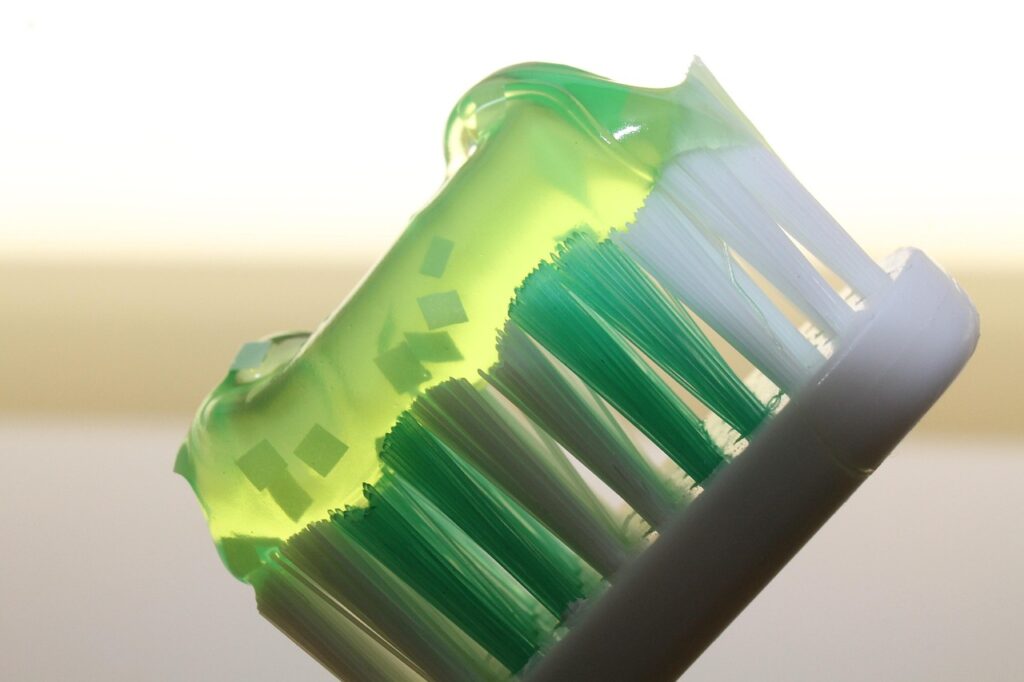
The Ultimate Guide to the Best Whitening Toothpaste for a Brighter Smile
Choosing the best whitening toothpaste is about more than just finding a flashy box at the drugstore. It’s about understanding the science of your smile, the chemistry of stain removal, and the delicate balance between brightness and enamel health.
At Schopping, we believe that a good whitening toothpaste should do more than just scrub; it should nourish your teeth while lifting away years of coffee, tea, and lifestyle stains. This guide dives deep into the world of tooth whiteners to help you identify the perfect formula for your daily routine.
How Does Whitening Toothpaste Actually Work?
Most people assume all whitening toothpaste works the same way, but there are actually two distinct methods used to brighten your teeth: mechanical action and chemical oxidation.
1. Mechanical Stain Removal (Abrasives)
This is the most common method. These pastes contain tiny, gritty particles—often hydrated silica or calcium carbonate—that physically scrub away “extrinsic” stains (surface-level discoloration). While effective for day-to-day maintenance, it’s vital to choose a paste that isn’t too abrasive, as harsh scrubbing can wear down your enamel over time.


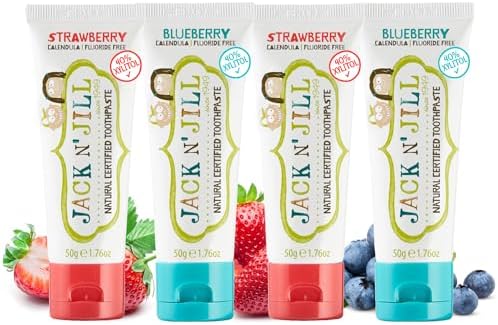
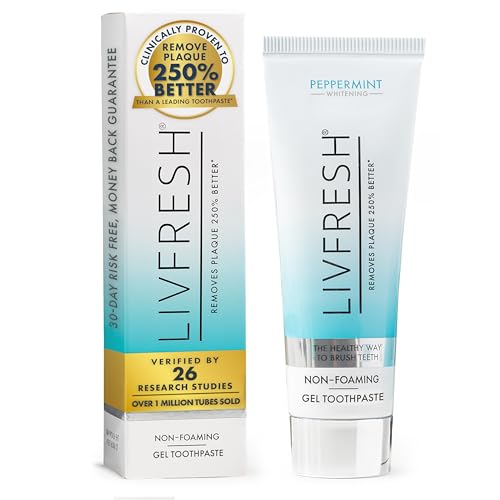
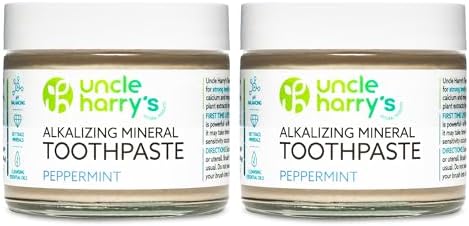
2. Chemical Whitening (Peroxides & Enzymes)
A truly high-performance whitening toothpaste often goes beyond scrubbing. These formulas use active ingredients like hydrogen peroxide or carbamide peroxide to penetrate the enamel and break down “intrinsic” stains—the deeper discoloration that sits beneath the surface. Some modern, natural-leaning brands also use proteolytic enzymes (like papain from papaya) to dissolve the protein film where stains typically attach.

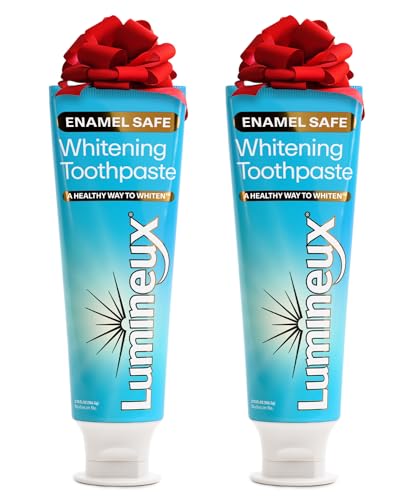


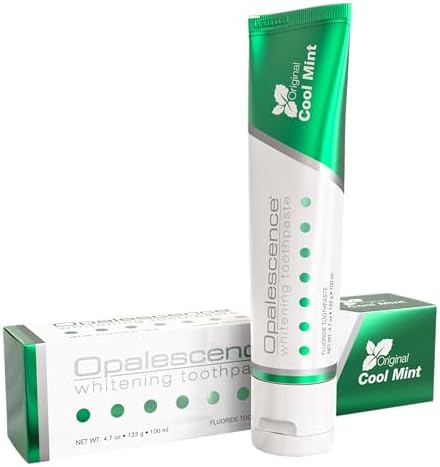
Key Ingredients to Look For in a Good Whitening Toothpaste
When scanning the back of a tube, look for these “Gold Standard” ingredients that separate a basic cleanser from a professional-grade tooth whitener:
- Hydrogen Peroxide: The heavyweight champion of whitening. It chemically changes the color of the tooth rather than just removing surface debris.
- Hydrated Silica: A gentle abrasive that polishes the tooth surface without causing excessive wear.
- Fluoride (Sodium or Stannous): Essential for remineralizing enamel that may be slightly weakened during the whitening process.
- Potassium Nitrate: If you have sensitive teeth, this ingredient is a must-have. It helps “numb” the nerve endings to prevent that “zing” often associated with whitening products.
- Nano-Hydroxyapatite (n-Ha): A modern alternative to fluoride that repairs microscopic cracks in the enamel, making the tooth surface smoother and naturally whiter by reflecting more light.
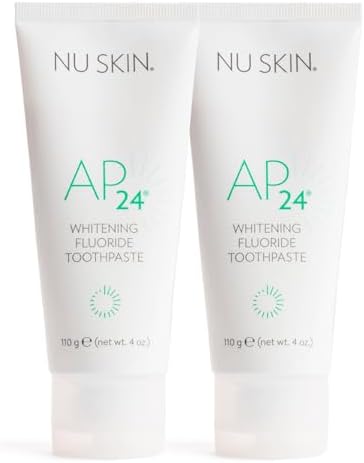


Understanding the RDA Scale: Protecting Your Enamel
One of the most important things to consider when searching for the best whitening toothpaste is its Relative Dentin Abrasivity (RDA) value. The RDA scale measures how much a toothpaste wears away the tooth’s surface.
| RDA Value | Category | Best For |
| 0–70 | Low Abrasive | Sensitive teeth and daily long-term use. |
| 70–100 | Medium Abrasive | Standard cleaning and minor stain removal. |
| 100–150 | High Abrasive | Strong stain removal; use with caution. |
| 150–250 | Harmful | Generally considered too harsh for daily use. |
At Schopping, we always recommend staying in the 70–100 range for daily whitening to ensure you aren’t sacrificing the thickness of your enamel for a temporary glow.
Strategies for Maximum Results
Buying the best whitening toothpaste is only half the battle. To see a noticeable difference (often 1–3 shades over several weeks), you need a consistent strategy:
- The Two-Minute Rule: Most whitening agents need “dwell time” to work. If you spit after 30 seconds, the active ingredients haven’t had time to penetrate the biofilm.
- The “White Diet” Shift: Try to limit highly acidic and dark-pigmented drinks like red wine, balsamic vinegar, and black coffee. If you do indulge, rinse your mouth with water immediately afterward.
- Consistency Over Intensity: Whitening is a marathon, not a sprint. Using a medium-strength whitening toothpaste twice daily for a month is much safer and more effective than using a harsh, high-abrasive paste for three days.
- Value Pack Advantage: Because whitening takes time, we always suggest purchasing two to six value packs. Running out of your specialized paste for even a week can cause your results to “rebound” as new surface stains form.

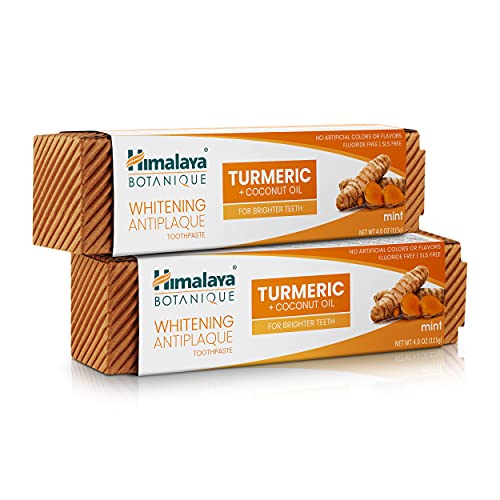


Finding Your Perfect Match
The journey to a brighter smile starts with the right chemistry. Whether you need a gentle polish for sensitive gums or a high-peroxide formula for deep stain removal, the best whitening toothpaste is the one you will use consistently.
People Also Ask (PAA) & FAQ
What is the best whitening toothpaste for sensitive teeth?
The best option for sensitive users is a formula that combines low abrasivity (RDA under 70) with potassium nitrate or stannous fluoride. These ingredients protect the nerves while gentle silicas lift surface stains without the need for harsh peroxides.
Can whitening toothpaste remove deep yellow stains?
It depends on the cause. If the yellowing is due to surface stains (tobacco, coffee), a good whitening toothpaste can be very effective. However, if the yellowing is “intrinsic” (caused by aging or medication), you may need a peroxide-based paste or professional treatment.
Is it safe to use whitening toothpaste every day?
Most toothpastes labeled for daily use are safe. However, avoid “smokers’ pastes” or highly abrasive formulas for daily use, as they can lead to enamel thinning and increased sensitivity. Look for the ADA Seal of Acceptance to ensure safety.
How long does it take to see results from a tooth whitener?
Most users report a visible difference after 2 to 4 weeks of consistent, twice-daily brushing. Unlike professional bleaching, which happens in an hour, toothpaste works through gradual, cumulative action.
Does charcoal toothpaste actually whiten better?
Charcoal is a highly effective abrasive, but it can be messy and sometimes too harsh for those with thin enamel. If you use charcoal, ensure it is in a refined paste form rather than a raw powder to protect your teeth.