
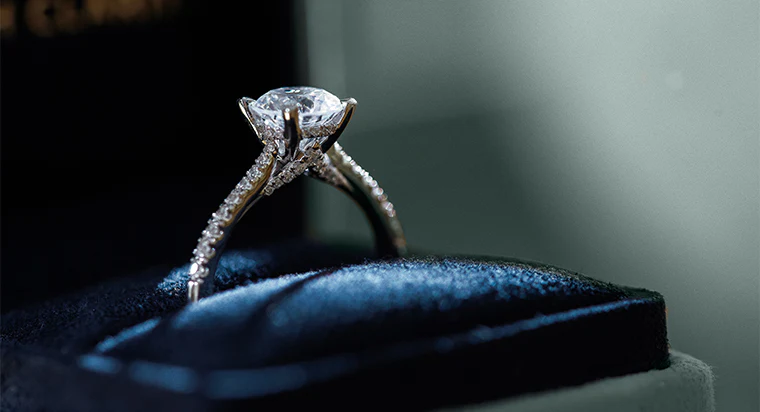
Cultured Brilliance to Royal Heritage
Modern luxury rings have evolved, leading many to the “Cognitive Luxury” of cultured diamonds. These lab cultured diamonds offer a conflict-free, chemically identical alternative to mined stones, allowing you to prioritize ethical integrity without sacrificing brilliance. From the primal fire of a lab grown diamond to the grounding energy of an Amethyst ring, our collection of rings is designed to help you achieve self-actualization through exquisite craftsmanship and intentional design.
When we talk about rings, we are rarely just talking about circular bands of metal. Psychologically, a ring is a “closed loop” of emotion—a symbol of eternity, a marker of status, and an extension of the self.
1. Diamond Rings: The Ultimate Symbol of The “Ego”
The pursuit of diamond rings is a profound journey into the “Ego”—that segment of the human psyche dedicated to validation, permanence, and social identity. Historically, the diamond has been positioned as an eternal artifact, tapping into our subconscious desire to transcend the temporary nature of life. By choosing a piece from our collection of diamond rings, the consumer makes a silent but powerful claim to indestructibility and timelessness.

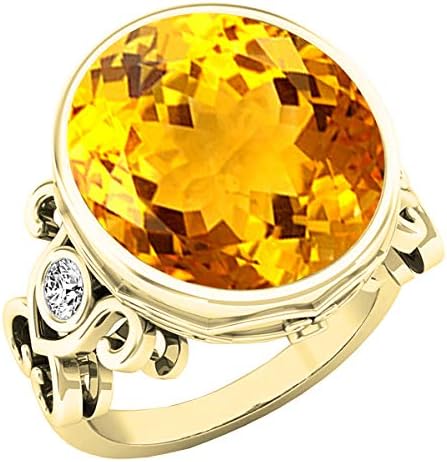

The Sparkle
Why does the “fire” in a diamond captivate us? From a psychoanalytic perspective, the high refractive index of a diamond triggers a primal “reward” response in the brain. It signals rarity and health. When you browse our collection of diamond rings, you aren’t just looking for jewelry; you are looking for a mirror of your own highest potential.
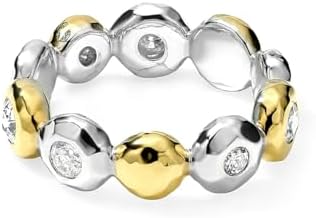
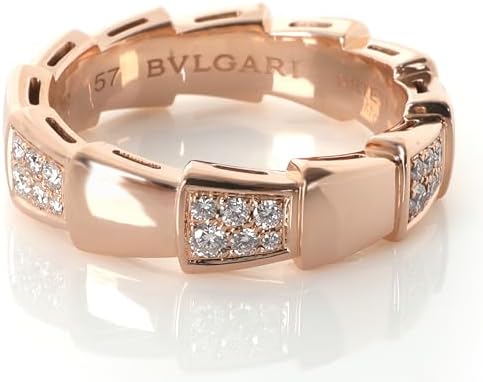


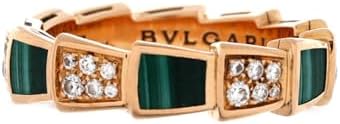

Craftsmanship and Quality
Our diamond selection focuses on the “4 Cs”, but we add a fifth: Character. Every stone is selected to maximize light return, ensuring that the wearer feels the “conspicuous consumption” value that luxury diamonds provide.

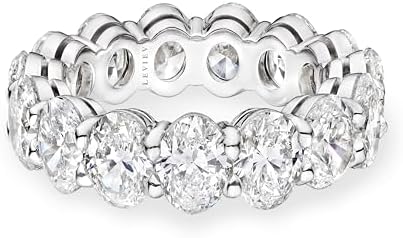
- Solitaires: For the minimalist who values singular focus and purity.
- Halo Settings: For the individual who wants to amplify their presence and social “brilliance”.
2. Amethyst Rings: The Healer’s Archetype
If diamond buyers seek status, those searching for an Amethyst ring often seek “Equilibrium.” In psychoanalysis, purple is the color of the subconscious and the “Super-ego”—the moralizing part of the personality that seeks peace and higher wisdom.


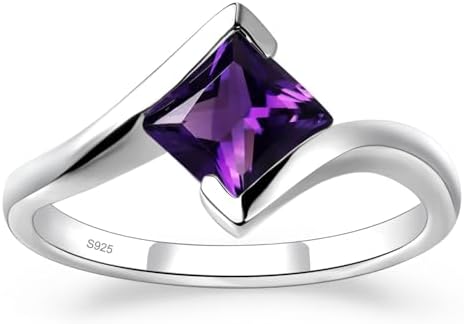

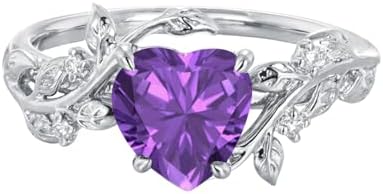


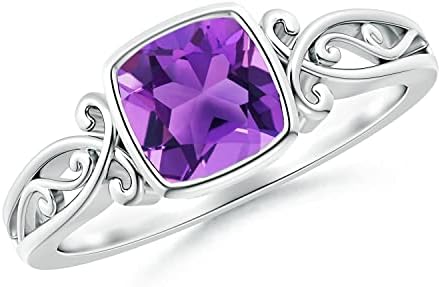
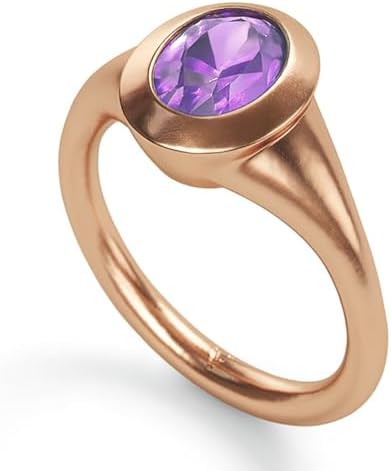
Budget-Friendly Clever Options

Within the expansive world of rings, the budget-friendly amethyst segment stands out as a masterclass in value-based luxury. Psychologically, this category appeals to the “Strategic Consumer”—an individual who refuses to equate price with personal worth. These Amethyst ring options are designed for those who want to maximize their aesthetic “ROI” (Return on Investment), allowing the wearer to enjoy the regal presence of a gemstone without the high-entry cost of traditional diamond rings.
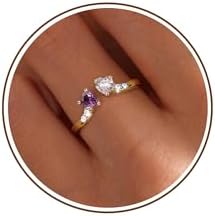
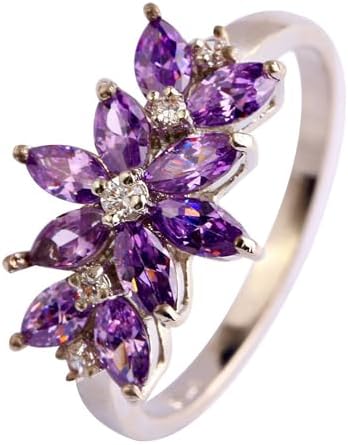

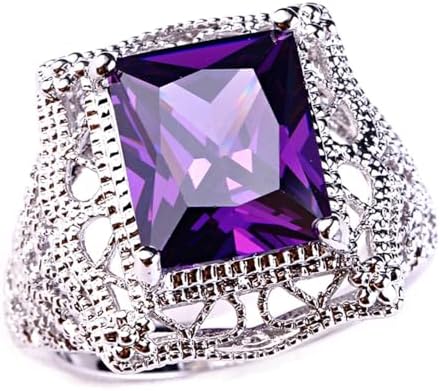


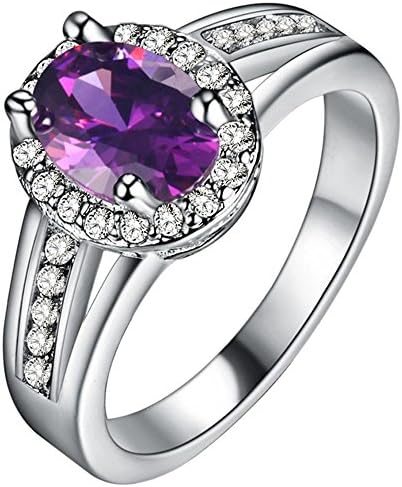

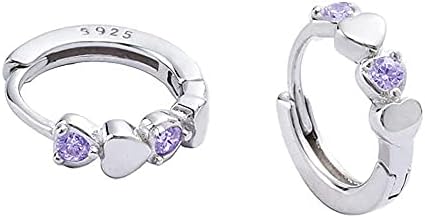
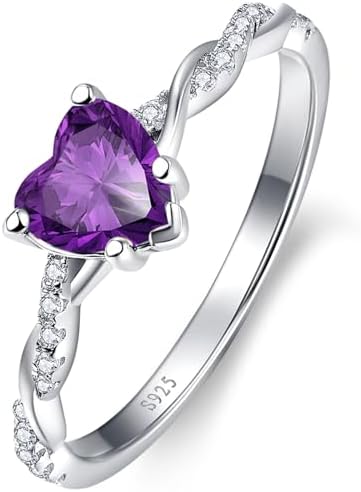
Choosing a clever, budget-friendly option is a psychological exercise in “Sovereign Style.” It signals that the wearer is unswayed by the pressures of the “Ego” and instead prioritizes self-expression, color therapy, and financial intelligence.
The Spiritual Connection
Historically, Amethyst was known as the “stone of sobriety.” In the modern context, consumers buy Amethyst to signal an internal richness rather than an external one. It is the stone of the “Intellectual” and the “Dreamer.”
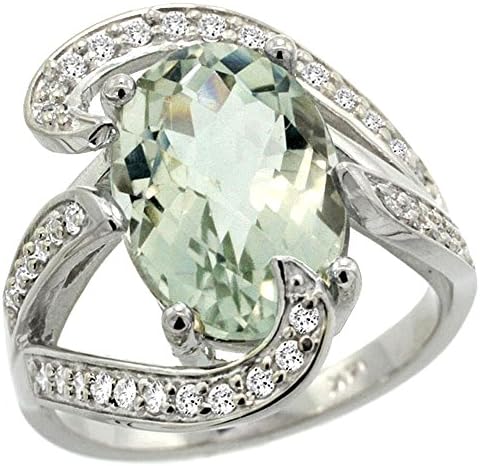
- Healing Properties: Many of our customers choose an Amethyst ring to serve as a “talisman” against the chaos of modern life.
- Design Variations: We offer deep Siberian purples for those who want a “Royal” feel, and lighter Rose de France hues for a softer, more romantic psychological profile.
3. Lab Cultured Diamonds: The Conscious “Id”
The rise of cultured diamonds represents a fascinating shift in consumer psychology. This buyer is often the “Individualist”—someone who values logic, ethics and “Sovereign Intelligence”. By choosing lab cultured diamonds, the consumer reconciles their desire for luxury (The Id) with their ethical values (The Super-ego).
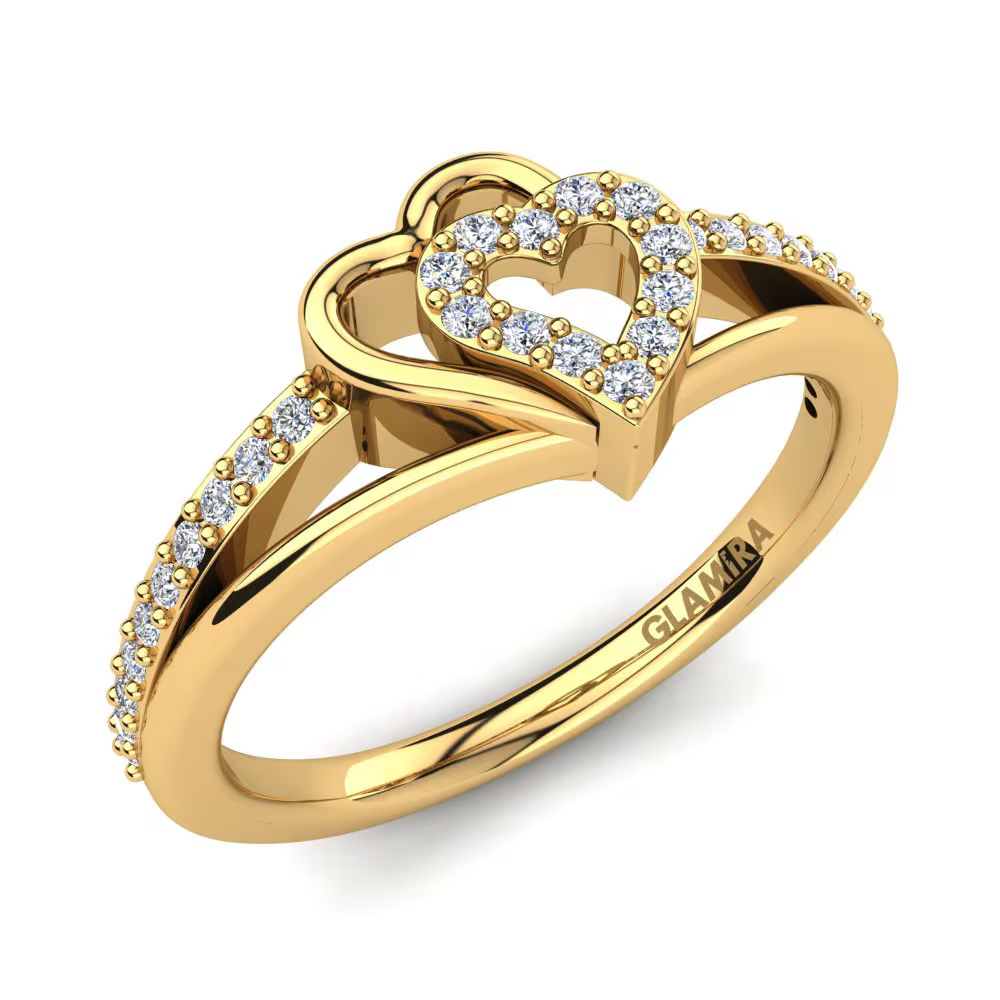
In the modern market, the “Ego” has evolved. While traditional stones remain a staple, the rise of cultured diamonds has introduced a new layer of psychological sophistication. Today’s buyer often balances the raw desire for brilliance with the intellectual satisfaction of choosing lab cultured diamonds. Whether you opt for a stone forged in the earth or one created through technological mastery, the goal remains the same: to possess a symbol that mirrors your own internal strength and external success.


Why “Lab Grown” is the Future of Luxury
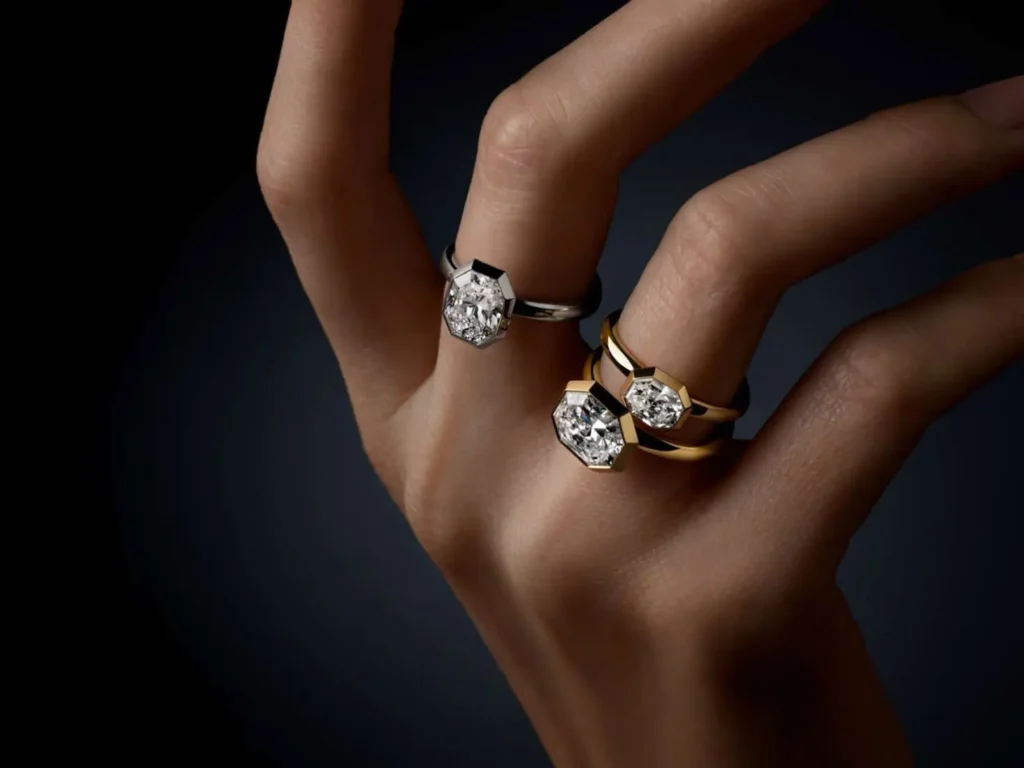
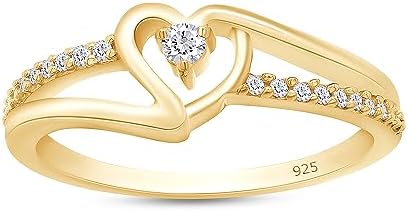
A lab grown diamond is chemically, physically, and optically identical to a mined diamond. The psychoanalytic appeal here is “Transparency.” The modern consumer experiences “guilt-free” pleasure. They know that their lab cultured diamonds did not come at the cost of environmental or human exploitation.


Value and Volume
One of the primary drivers for lab cultured diamonds is the ability to “upsize”. Psychologically, the “size-to-price” ratio allows the consumer to achieve a level of visual opulence that was previously reserved for the ultra-wealthy. At Schopping.com, our cultured diamonds offer:
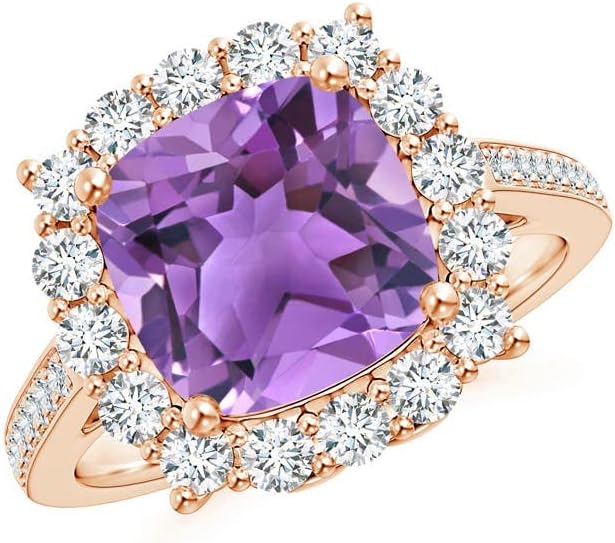


Every stone is meticulously selected to maximize light return, ensuring that the wearer experiences the full “conspicuous consumption” value that only elite diamond rings can provide.
- Solitaires: These are designed for the minimalist who values singular focus and purity. A solitaire featuring lab cultured diamonds allows for a larger, more impactful center stone, satisfying the psychological need for prominence.
- Halo Settings: For the individual who wants to amplify their social “brilliance” and presence. Encircling a center stone with smaller cultured diamonds creates a luminous aura that commands attention in any environment.
- The Modern Shift: We find that consumers are increasingly turning to lab cultured diamonds for their engagement and anniversary pieces. The psychological barrier between “natural” and “man-made” has dissolved, replaced by a deep appreciation for the purity and conflict-free narrative that lab cultured diamonds offer.
Whether you are drawn to the heritage of traditional diamond rings or the futuristic allure of cultured diamonds, your choice is a reflection of your unique psychological profile. Our collection is designed to honor that choice, providing unparalleled fire, light, and luxury for every facet of your personality.
4. High-End Rings: The Architecture of Identity
Our High-End Rings category is designed for the “Connoisseur”. This consumer isn’t looking for a brand; they are looking for “Artistry”. In psychoanalysis, this relates to “Self-Actualization”—the top of Maslow’s hierarchy.
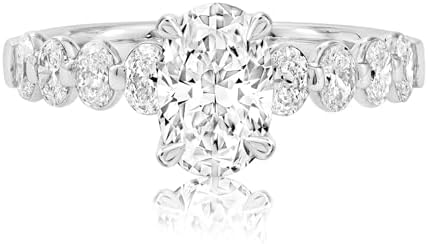

Bespoke Elegance
A high-end ring is an architectural feat. It combines rare metals, complex settings, and elite stones. This category appeals to the buyer who views their jewelry as a “Legacy Piece.”
- Structural Integrity: We use heavy-gauge platinum and 18k gold to ensure the ring survives generations.
- Exclusivity: Many of these pieces are one-of-a-kind, satisfying the psychological need for uniqueness and “unrepeatable identity.”
5. Royal Pieces: Tapping into the “Collective Unconscious”
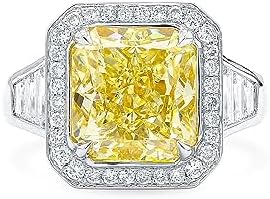
The Royal Pieces collection taps into what Carl Jung called the “Collective Unconscious”. We all have an internal “King” or “Queen” archetype. When a consumer buys a ring from this collection, they are participating in a historical narrative of power, lineage and “Divine Right”.
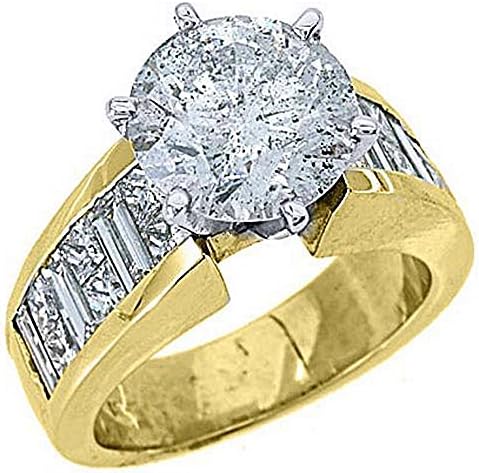


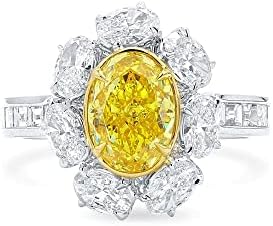

The “Royal” Aesthetic
These rings feature intricate filigree, large center stones and “Power Colors” (Deep Blues, Blood Reds, and Royal Purples).
- The Crown Motif: Designs that mimic coronation jewels.
- The Power of Weight: These rings are intentionally designed to be felt on the hand, providing a constant sensory reminder of the wearer’s “Authority.”
Your Perfect Ring at Schopping.com
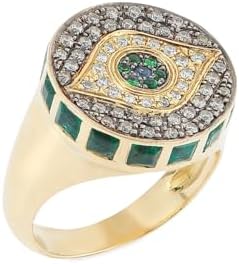
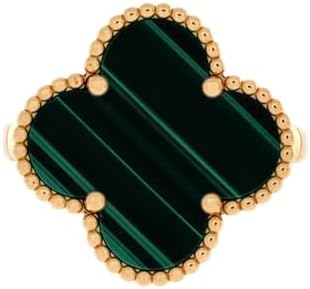
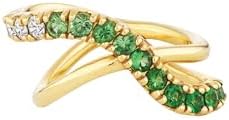
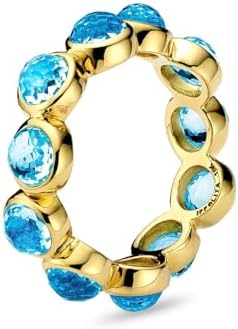
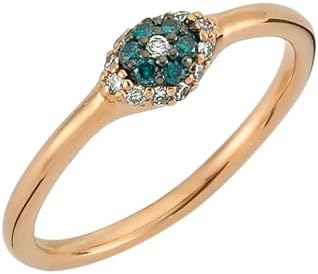


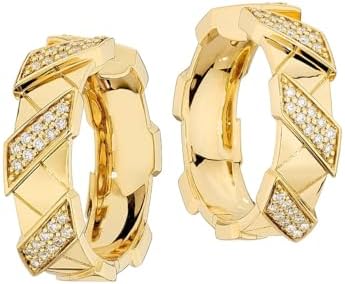
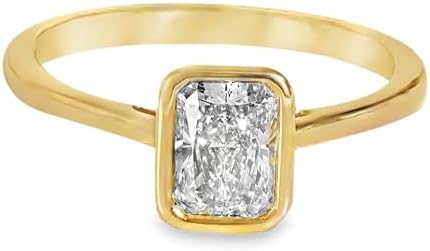
Choosing between diamond rings, cultured diamonds, or a spiritual Amethyst ring is a deeply personal process. At Schopping.com, we don’t just sell jewelry; we help you find the piece that resonates with your internal psyche.
Whether you are motivated by the status of a natural stone, the ethics of a lab grown diamond, or the history of royal pieces, our collection is curated to meet the highest standards of quality and psychological satisfaction.
Frequently Asked Questions (FAQs)
1. What is the difference between lab cultured diamonds and natural ones? Chemically and physically, they are identical. The primary difference is their origin—lab cultured diamonds are grown in a controlled environment using advanced technology, while natural diamonds form deep within the earth over billions of years.
2. Is an Amethyst ring durable enough for an engagement ring? Yes, with a hardness of 7 on the Mohs scale, an Amethyst ring is suitable for daily wear. However, for those with active lifestyles, we recommend protective settings like a bezel to ensure longevity.
3. Are diamond rings still considered the best investment in 2026? Diamond rings remain a premier choice for emotional value and status. While the market for cultured diamonds is growing for affordability, natural diamonds are often favored for their rarity and geological history.
4. How can I tell if a lab grown diamond is real? A lab grown diamond is a real diamond. It will pass a standard diamond tester because it is made of pure carbon. To distinguish it from a mined stone, a jeweler uses specialized equipment to check for laser inscriptions or growth morphology.
5. Why are royal pieces making a comeback in 2026? In an era of digital transience, royal pieces provide a sense of “Majesty” and “Legacy.” Consumers are increasingly seeking ornate, high-carat rings that tap into historical power archetypes.
6. Do cultured diamonds lose their sparkle over time? No. Because cultured diamonds have the same crystal lattice structure as mined diamonds, they will never become cloudy or lose their brilliance, regardless of how long they are worn.
7. Can I customize a high-end ring with lab cultured diamonds? Absolutely. Many of our customers choose lab cultured diamonds for bespoke, high-end rings because it allows them to invest more into an intricate, custom-designed setting without exceeding their budget.
8. What does wearing an Amethyst ring symbolize psychologically? Psychologically, the Amethyst ring represents tranquility and the “Super-ego.” It is often chosen by those seeking mental clarity, sobriety, and spiritual grounding amid a busy lifestyle.
9. Are lab grown diamonds more ethical than mined ones? Lab grown diamonds offer a transparent, traceable supply chain, making them a top choice for the “Conscious Consumer.” They bypass the environmental and humanitarian concerns historically linked to mining.
10. What are “Clever Options” in the amethyst collection? Our clever options include using high-quality sterling silver or gold vermeil to house stunning amethyst stones. This provides the look of a royal piece at a price point accessible to smart-luxury shoppers.
11. Why should I choose platinum for my diamond rings? Platinum is the densest precious metal, making it the most secure choice for holding diamond rings or large lab grown diamond solitaires. It is also hypoallergenic and maintains its white luster forever.
12. Is the resale value of cultured diamonds high? Like all luxury goods, the resale value of cultured diamonds is lower than the retail price. Most buyers choose them for their immediate value and the ability to get a larger, higher-quality stone for their current budget.
13. What is the most popular cut for rings in 2026? Elongated cuts like Oval and Emerald are dominating the 2026 trends. These shapes make lab cultured diamonds look larger and provide a slimming effect on the finger.
14. How do I clean my Amethyst ring at home? Simply use warm water, mild dish soap, and a soft-bristled brush. Avoid harsh chemicals or steam cleaners, as these can affect the color saturation of some gemstones.
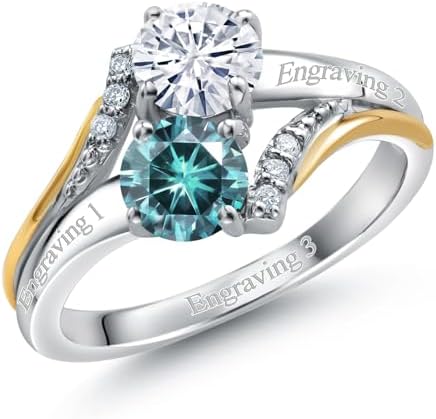
15. What are “Toi et Moi” rings? “Toi et Moi” (You and Me) rings feature two stones, often pairing a lab grown diamond with a colored gemstone like amethyst. They symbolize the union of two souls.
16. Are high-end rings suitable for everyday use? Yes, our high-end rings are engineered for durability. We use thicker bands and reinforced prongs to ensure that your investment can be enjoyed daily, not just on special occasions.
17. What is the “Hidden Halo” trend? A hidden halo places small cultured diamonds underneath the center stone’s gallery. It adds a secret sparkle that the wearer can see from the side profile, appealing to the “Introverted Luxury” archetype.
18. Why is yellow gold trending for amethyst rings? The warmth of yellow gold provides a striking contrast to the cool purple tones of an Amethyst ring, creating a “Vintage-Royal” aesthetic that is highly popular this year.
19. Can I get a GIA certificate for a lab grown diamond? Yes, most high-quality lab grown diamond pieces come with a grading report from the GIA or IGI, assessing the stone on the same “4 Cs” as mined diamonds.
20. What makes Schopping.com’s rings unique? We combine psychoanalytic design principles with elite craftsmanship. Whether you want diamond rings or cultured diamonds, our pieces are designed to resonate with your personal identity and life story.
People Also Ask (PAA)
- How much should I spend on an engagement ring in 2026?
- Are colored gemstones better than diamonds for rings?
- What is the rarest color for an Amethyst ring?
- Is platinum better than white gold for lab cultured diamonds?
- How do I find my ring size at home without a kit?
- What is the average carat size for a lab grown diamond?
- Do lab cultured diamonds pass a thermal diamond tester?
- Are vintage style rings more expensive than modern ones?
- Can you tell a lab grown diamond from a real one with a loupe?
- Why does purple jewelry feel more “royal” than other colors?
- What are the environmental impacts of cultured diamonds?
- Are bezel settings safer for expensive diamond rings?
- What is the meaning behind a three-stone trilogy ring?
- Is sterling silver a good choice for an Amethyst ring?
- Does the price of gold affect the cost of cultured diamonds?
- Why are men buying more diamond rings for themselves in 2026?
- What is a “Conflict-Free” diamond certification?
- Can you shower with an Amethyst ring on?
- How long does it take to grow a lab cultured diamond?
- What is the most popular metal for high-end rings this year?