
Fueling your body for longevity,from multivitamins and probiotics to Vitamin B12 and herbal extracts, find your perfect routine.
In an ideal world, we would get every single nutrient, mineral, and antioxidant our bodies need from the food we eat. We’d spend our days eating organic, sun-ripened produce, wild-caught fish, and fermented foods. However, the reality of modern life—characterized by depleted soil quality, high-stress schedules, and processed food convenience—often leaves “nutritional gaps” in even the healthiest diets.
This is where supplements for daily wellness come into play. They aren’t meant to replace food, but to supplement it, acting as a nutritional insurance policy. Whether you are looking for a reliable one daily solution or targeted support like vitamin b12 supplements, understanding what your body needs is the first step toward a more vibrant life.
1. Multivitamins: The Foundation of Health

A high-quality multivitamin is the cornerstone of any supplement regimen. Think of it as the scaffolding that supports the rest of your health journey.
Why You Need a Multivitamin
Most people don’t hit the recommended daily intake for every single micronutrient every single day. A multivitamin provides a broad spectrum of vitamins and minerals to prevent deficiencies that can lead to fatigue, weakened immunity, and poor cognitive function.
The Rise of the “One Daily” Convenience
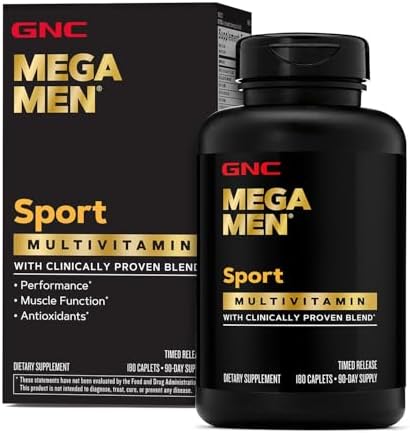


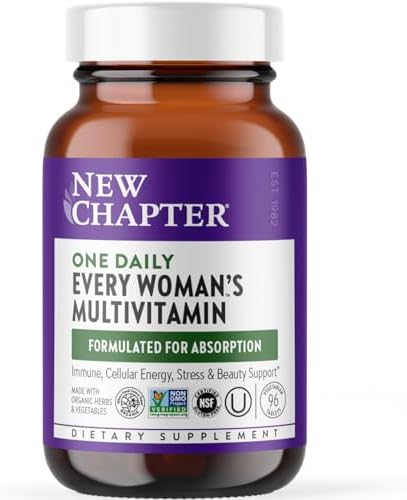
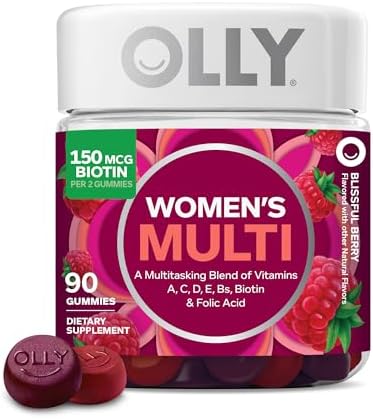
For many, the biggest barrier to consistent supplementation is “pill fatigue.” The one daily multivitamin has become the gold standard for convenience. By condensing essential levels of Vitamins A, C, D, E, K, and the B-complex into a single dose, these supplements ensure you get what you need without a complicated schedule.
Key Ingredients to Look For:
- Bioavailable Forms: Look for methylfolate instead of folic acid, and methylcobalamin instead of cyanocobalamin.
- Mineral Chelates: These are easier on the stomach and better absorbed by the body.
- Antioxidant Support: Ingredients like Lycopene or Lutein provide extra protection against oxidative stress.
Explore our full collection here: Multivitamins for everyone
2. Vitamin B12: The Energy Catalyst
If you’ve been feeling sluggish or experiencing “brain fog,” you might be searching for vitamin 12b (commonly referred to as Vitamin B12). This water-soluble vitamin is crucial for nerve function, brain health, and the formation of red blood cells.
Understanding Vitamin B12 Supplements
Vitamin B12 supplements are particularly vital for vegetarians and vegans, as B12 is primarily found in animal products. Even meat-eaters can struggle with absorption as they age, making supplementation a smart move for anyone over 50.
Benefits of Maintaining B12 Levels:
- Red Blood Cell Formation: Prevents megaloblastic anemia, which makes people tired and weak.
- Neurological Health: Supports the myelin sheath that protects your nerves.
- DNA Synthesis: Crucial for the growth and repair of all cells.
Whether you call it B12 or vitamin 12b, ensuring you have adequate levels is non-negotiable for daily vitality.
3. Omega-3 Fatty Acids: Brain and Heart Gold
While not a “vitamin” in the traditional sense, Omega-3s (EPA and DHA) are essential fats that the body cannot produce on its own.
The Power of Healthy Fats
Omega-3s are found in high concentrations in the brain and are vital for cognitive performance and emotional well-being. They are also famous for their heart-health benefits, helping to maintain healthy cholesterol levels and support cardiovascular elasticity.
Finding the Right Source:
- Fish Oil: The most common source, rich in EPA and DHA. Look for “molecularly distilled” to ensure purity from heavy metals.
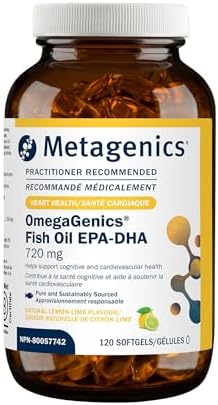
- High-potency fish oil supplement providing 720 mg of combined EPA and DHA omega-3 fatty acids per serving to support car…
- Purity tested and sustainably sourced from cold-water fish; rigorously screened for heavy metals, pesticides, and other …
- Antioxidant-stabilized and flavored with natural lemon-lime for freshnessno fishy aftertaste; formulated for optimal abs…
- Algal Oil: A fantastic vegan alternative derived from algae—the same place fish get their Omega-3s!

- DHA is a major structural fatty acid in the brain and eyes, and a key component of the heart. DHA ia an omega-3 that has…
- MADE IN USA within a GMP Compliant Facility with high-quality ingredients; 3rd party tested for purity!
- Dietary Supplement, One of the few GMP compliant herbal dietary supplement to sell in the United States
- Krill Oil: Often touted for its high bioavailability due to its phospholipid structure.

- SPECIAL COMBINATION: 500 milligrams combination of high concentration Fish Oil and high absorption Krill Oil
- MORE OMEGA 3’s: 2X more Omega-3s than standard fish oil alone
- 4 BENEFITS IN 1: Just 1 softgel daily supports 4 benefits heart, joints, brain and eyes
Explore our full collection here: Fish oil supplements
4. Vitamin D: The “Sunshine” Hormone
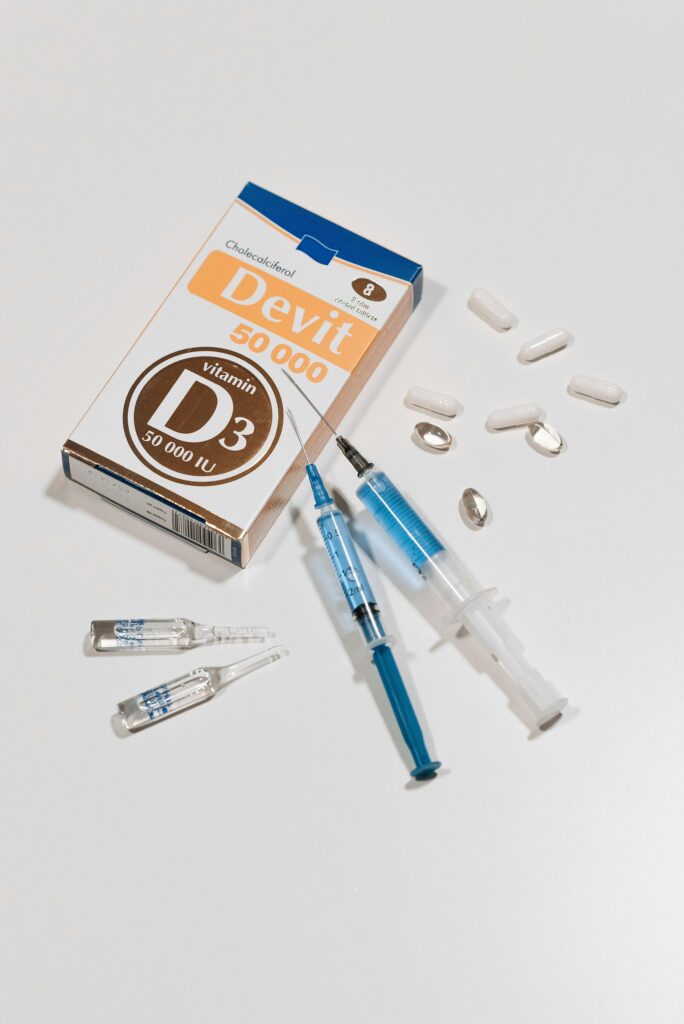
Vitamin D acts more like a hormone than a vitamin, influencing hundreds of pathways in the human body. Despite its importance, a staggering percentage of the global population is deficient.
The Immunity and Bone Connection
Vitamin D is essential for calcium absorption. Without it, your bones can become brittle regardless of how much calcium you consume. Furthermore, it is a potent modulator of the immune system, helping your body defend against seasonal threats.
How Much Do You Need?
While the RDA is often low, many wellness experts suggest that daily doses between 2,000 IU and 5,000 IU are necessary for those living in northern climates or those who spend most of their time indoors.
5. Probiotics: Your Gut’s Best Friend
Your gut is home to trillions of bacteria that influence everything from your digestion to your mood. Probiotics are the beneficial bacteria that keep this internal ecosystem in balance.
The Microbiome-Wellness Connection
A healthy gut microbiome is linked to a stronger immune system (since 70% of immune cells reside in the gut) and better mental health via the “gut-brain axis.”
Selecting the Right Probiotic:
- CFU Count: Look for a high Colony Forming Unit count (usually 10 billion to 50 billion for daily maintenance).
- Strain Diversity: Look for Lactobacillus and Bifidobacterium species.
- Prebiotics: Check if the supplement includes “food” for the bacteria (like inulin or chicory root) to help them thrive.
Using probiotics daily can reduce bloating, improve nutrient absorption and even clear up skin issues related to gut inflammation.
6. Herbal Extracts: Nature’s Targeted Support
The world of herbal extracts bridges the gap between ancient wisdom and modern science. These concentrated plant formulas allow you to target specific wellness goals.
Top Herbal Extracts for Daily Use:
- Ashwagandha: An adaptogen that helps the body manage stress and lowers cortisol.
- Turmeric (Curcumin): A powerful anti-inflammatory that supports joint health and recovery.
- Elderberry: Packed with antioxidants to boost the immune system during flu season.
- Green Tea Extract: Provides a gentle energy boost and metabolic support.
Herbal extracts are the “special forces” of your supplement cabinet, providing nuanced support where you need it most.
How to Build Your Daily Wellness Stack
Building a supplement routine can feel overwhelming, but it doesn’t have to be. Here is a simple framework to get started:
Phase 1: The Essentials
Start with a high-quality multivitamin (specifically a one daily formula) and an Omega-3 supplement. This covers your basic micronutrient and fatty acid needs.
Phase 2: Gut & Energy
Add probiotics to support digestion and a vitamin b12 supplement if you struggle with energy levels or follow a plant-based diet.
Phase 3: Seasonal & Targeted
Incorporate Vitamin D during winter months and add herbal extracts like Ashwagandha if you’re going through a high-stress period.
Why Quality Matters at Schopping.com
At Schopping.com, we believe that what you put into your body should be of the highest purity. Not all supplements are created equal. When browsing our collection, you can rest assured that we prioritize brands that utilize:
- Third-Party Testing: Ensuring that what is on the label is actually in the bottle.
- No Unnecessary Fillers: Cutting out the magnesium stearate, artificial colors, and synthetic binders.
- Sustainable Sourcing: Especially important for Omega-3s and herbal extracts.
| Supplement Category | Primary Benefit | Recommended Frequency |
| Multivitamin | General Health Cover | One Daily |
| Probiotics | Gut Health & Immunity | Daily with Food |
| Vitamin B12 | Energy & Brain Function | Daily or Weekly (High Dose) |
| Omega-3 | Heart & Brain Health | Daily |
| Herbal Extracts | Stress & Inflammation | As Needed |
Invest in Your Future Self
Daily wellness is a marathon, not a sprint. By incorporating the right multivitamin, ensuring your probiotics are balanced, and keeping your vitamin 12b levels optimal, you are laying the groundwork for a long, healthy, and active life.
Ready to start your journey? Explore our curated selection of premium supplements and find the perfect fit for your lifestyle.
Frequently Asked Questions (FAQs)
1. What is the best time of day to take a multivitamin? The best time to take a multivitamin is generally in the morning with a meal. Taking it with food aids the absorption of fat-soluble vitamins (A, D, E, and K) and can prevent the nausea or stomach upset some people experience when taking supplements on an empty stomach.
2. Can I take vitamin B12 supplements every day? Yes, most people can safely take vitamin B12 supplements daily. Since B12 is water-soluble, your body naturally excretes any excess through urine. Daily intake is especially recommended for vegans, vegetarians, and older adults who may have difficulty absorbing B12 from food.
3. Do probiotics need to be refrigerated? It depends on the specific strain and manufacturing process. While many traditional probiotics require refrigeration to keep the live cultures active, many modern “shelf-stable” versions use freeze-drying technology or specialized packaging to maintain potency at room temperature. Always check the product label.
4. What is the difference between Vitamin B12 and “vitamin 12b”? “Vitamin 12b” is often a common typo or an older reference to Vitamin B12 (specifically hydroxycobalamin). In modern wellness, when you see vitamin 12b, it refers to the essential B-complex vitamin responsible for energy production and neurological health.
5. How do I know if my “one daily” supplement is working? Supplements work subtly over time. You may notice improved energy levels, better digestion from your probiotics, or stronger hair and nails. However, the best way to verify effectiveness is through regular blood tests with your healthcare provider to monitor nutrient levels.
6. Is it safe to mix herbal extracts with my daily vitamins? Generally, yes. Most herbal extracts like Turmeric or Ashwagandha can be taken alongside a multivitamin. However, some herbs can interfere with specific medications. We recommend consulting a doctor before starting a new herbal regimen if you are on prescription meds.
7. Can I replace a healthy diet with a one daily multivitamin? No. Supplements are designed to “bridge the gap,” not replace whole foods. Whole foods provide fiber, complex phytonutrients, and synergistic compounds that a multivitamin cannot fully replicate.
8. Are vegan Omega-3 supplements as effective as fish oil? Yes! Vegan Omega-3s derived from algal oil contain DHA and EPA, the same active components found in fish oil. In fact, algal oil is often considered “cleaner” because it is free from ocean-borne contaminants like mercury.
9. Why does my urine turn bright yellow after taking vitamins? This is a harmless side effect usually caused by Vitamin B2 (Riboflavin). When you take a one daily or B-complex, your body absorbs what it needs and flushes out the excess, which creates that neon yellow glow.
10. Can I take probiotics while I am on antibiotics? Yes, and many doctors recommend it. However, you should space them out—take your probiotics at least 2 to 3 hours before or after your antibiotic dose to ensure the antibiotic doesn’t kill off the beneficial bacteria in the supplement.
“People Also Ask” (PAA) Questions
1. What are the signs of Vitamin B12 deficiency? Common signs include persistent fatigue, weakness, a “pins and needles” sensation in the hands and feet, a sore tongue, and difficulty concentrating or “brain fog.”
2. Is it better to take a multivitamin or individual vitamins? A multivitamin is better for general wellness and convenience. Individual vitamins are better if a blood test has shown a specific deficiency (like Iron or Vitamin D) that requires a higher therapeutic dose than a standard multi provides.
3. Which herbal extracts help most with anxiety and stress? Adaptogenic herbal extracts are the most effective for stress. Ashwagandha, Rhodiola Rosea, and Holy Basil are widely studied for their ability to help the body “adapt” to physical and mental stressors.
4. Do probiotics help with weight loss? While not a “diet pill,” certain strains of probiotics can support weight management by improving digestion, reducing systemic inflammation, and regulating hormones that control appetite.
5. Can you take too much Vitamin D? Yes. Because Vitamin D is fat-soluble, it can build up in the body. It is important to have your levels tested and stick to the recommended dosage on your supplements for daily wellness bottle.
6. What are the benefits of a “one daily” high-potency formula? The primary benefit is compliance. People are significantly more likely to stick to their wellness routine when it only involves one pill per day, leading to more consistent long-term health outcomes.
7. How long do herbal extracts take to work? Some, like Valerian root, work within an hour. Others, like Turmeric or Ashwagandha, require “loading time” and are most effective after 2 to 4 weeks of consistent daily use.
8. Is “vitamin 12b” good for nerve pain? Yes, Vitamin B12 is essential for the maintenance of the myelin sheath, which protects nerves. Deficiency is a leading cause of peripheral neuropathy, so vitamin b12 supplements are often used to support nerve repair.
9. Are liquid vitamins better than pills? Liquid vitamins can be absorbed slightly faster, but high-quality capsules and tablets are designed to break down efficiently in the digestive tract. The “best” form is whichever one you will take consistently.
10. What should I look for on a supplement label to ensure quality? Look for “Third-Party Tested” seals (like USP, NSF, or Informed-Choice), a clear list of “Other Ingredients” (avoiding fillers), and the specific form of the nutrient (e.g., “Methylcobalamin” for B12).