
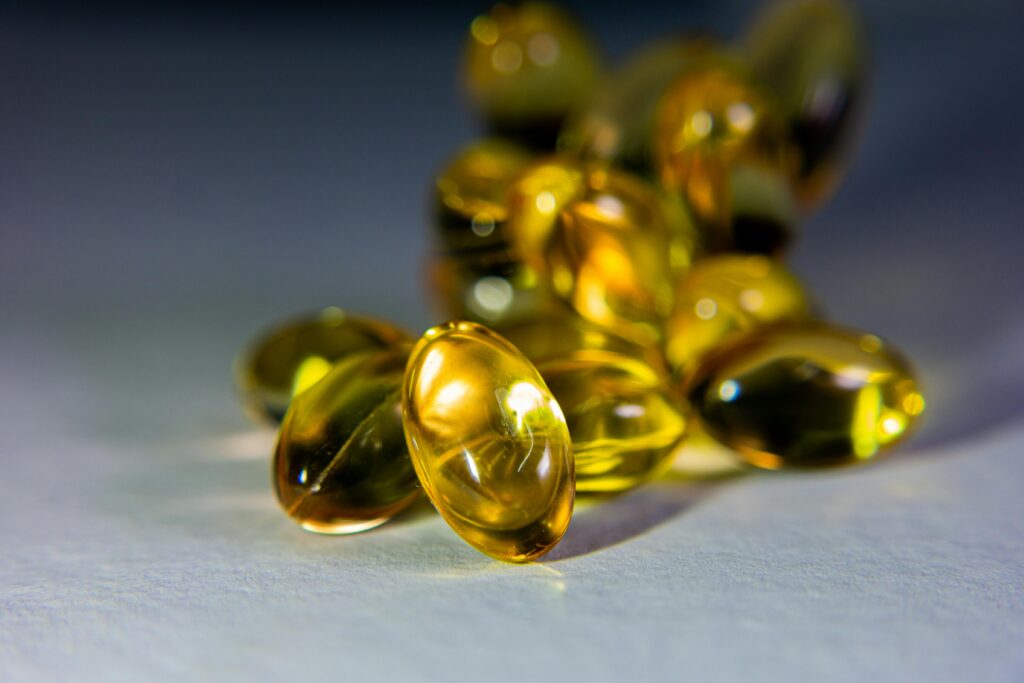
Benefits, Supplements and Science-Backed Nutrition.
In the world of nutrition, few supplements have been studied as extensively or praised as highly as fish oil. Rich in omega three fatty acids, fish oil is often hailed as a “superfood” for the heart, brain, and eyes. But with so much information available, it can be difficult to discern which fish oil supplements are worth your investment and how they actually impact your physiology.
At Schopping.com, we believe in empowered consumer choices. This guide dives deep into the world of eicosapentaenoic acid (EPA), docosahexaenoic acid (DHA) and the myriad omega 3 benefits that can transform your long-term health.
What Exactly is Fish Oil?
Fish oil is the fat or oil extracted from fish tissue. It usually comes from oily fish such as herring, tuna, anchovies and mackerel. Sometimes it is produced from the livers of other fish, as is the case with cod liver oil.
The World Health Organization (WHO) recommends eating 1–2 portions of fish per week. This is because the omega three fatty acids found in fish provide many health benefits, including protection against a number of diseases. However, for those who don’t consume fish regularly, fish oil supplements can help you reach the recommended intake.
The Power Players: EPA and DHA
Not all omega-3s are created equal. When discussing fish oil benefits, we are primarily looking at two specific types of long-chain fatty acids:
- Eicosapentaenoic Acid (EPA): This 20-carbon fatty acid’s main function is to produce chemicals called eicosanoids, which help reduce inflammation. EPA is also known to help reduce symptoms of depression.
- Docosahexaenoic Acid (DHA): A 22-carbon fatty acid, DHA makes up about 8% of brain weight and is extremely important for normal brain development and function.
The Top 10 Fish Oil Benefits Supported by Science

1. Cardiovascular Health
Heart disease is the leading cause of death worldwide. Studies show that people who eat a lot of fish have much lower rates of heart disease. The omega 3 benefits for the heart include:
- Cholesterol Levels: It can increase “good” HDL cholesterol.
- Triglycerides: It can lower triglycerides by roughly 15–30%.
- Blood Pressure: Even in small doses, it helps reduce blood pressure in people with high levels.
- Plaque Prevention: It may prevent the plaques that cause your arteries to harden.


2. Mental Health and Brain Function
Your brain is nearly 60% fat, and much of that fat is omega-3 fatty acids. Therefore, omega-3s are essential for normal brain function. Some studies suggest that people with certain mental health conditions have lower omega-3 blood levels. Supplementing with eicosapentaenoic acid (EPA) has been shown to improve symptoms of depression and anxiety.
3. Eye Health
Like the brain, your eyes rely on omega-3 fats. Evidence shows that people who don’t get enough omega-3s have a greater risk of eye diseases. Furthermore, eye health begins to decline in old age, which can lead to age-related macular degeneration (AMD). Consuming fish oil is linked to a reduced risk of AMD.




4. Inflammation and Joint Health
Inflammation is your immune system’s way of fighting infection and treating injuries. However, chronic inflammation is linked to obesity, diabetes, and heart disease. Because fish oil supplements have anti-inflammatory properties, they can help treat conditions involving chronic inflammation, such as rheumatoid arthritis, reducing joint pain and stiffness.
5. Skin Health
Your skin is the largest organ in your body, and it contains a lot of omega-3 fatty acids. Skin health can decline throughout your life, especially during old age or after too much sun exposure. Fish oil may help maintain healthy skin and assist with conditions like psoriasis and dermatitis.
6. Pregnancy and Early Life
Omega-3s are essential for early growth and development. Therefore, it’s important for mothers to get enough omega-3s during pregnancy and while breastfeeding. Taking fish oil supplements during these times may improve fetal brain development and may decrease the risk of allergies.
7. Liver Fat
Your liver processes most of the fat in your body and can play a role in weight gain. Liver disease is increasingly common, particularly non-alcoholic fatty liver disease (NAFLD), in which fat accumulates in your liver. Fish oil can improve liver function and inflammation, which may help reduce the amount of fat in your liver.
8. Attention and Hyperactivity in Children
A significant proportion of the brain is made of omega-3s. Getting enough of them early in life is crucial for preventing behavioral disorders. Fish oil supplements may improve perceived hyperactivity, inattention, impulsiveness, and aggression in children.

9. Cognitive Decline
As you age, your brain function slows down, and your risk of Alzheimer’s disease increases. People who eat more fish tend to experience a slower decline in brain function in old age. While more research is needed, some studies suggest fish oil may improve memory in healthy, older adults.

- Top Shelf Ingredients – Our Omega 3 Deluxe Mix, are made with all natural ingredients of the highest quality. So rest as…
- Free From Nasties – We’ve ditched the bad stuff and are bringing you that good trail mix bulk. Our Omega 3 Deluxe Mix is…
- For Every Diets – Say goodbye to selective snacking and hello to savvy snacking, with a omega trail mix designed for eve…
10. Asthma and Allergy Relief
Asthma, which can cause swelling in the lungs and shortness of breath, is becoming much more common in infants. Several studies show that fish oil may reduce asthma symptoms, especially in early life.
Natural Sources: Foods with Omega 3
While supplements are convenient, many health experts recommend getting your nutrients from whole foods first. Here are the best foods with omega 3 (specifically EPA and DHA):




| Food Source | Omega-3 Content (per serving) |
| Mackerel | 4,107 mg per serving |
| Salmon | 4,123 mg per serving |
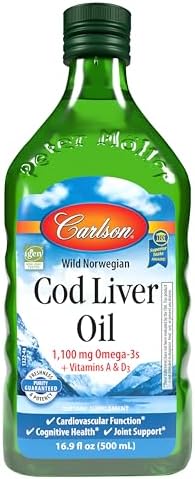
| Cod Liver Oil | 2,682 mg per serving |
| Herring | 946 mg per serving |
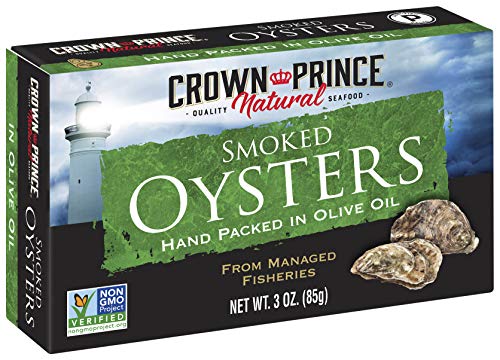
| Oysters | 370 mg per serving |
| Sardines | 2,205 mg per serving |
| Anchovies | 951 mg per serving |



For vegetarians or vegans, alpha-linolenic acid (ALA) is found in flaxseeds, chia seeds, and walnuts. However, the body must convert ALA into EPA and DHA, a process that is unfortunately very inefficient.
Choosing the Right Fish Oil Supplements
When shopping on Schopping.com or your local pharmacy, you will see a dizzying array of options. Here is what you need to look for to ensure quality:




1. Form of Fish Oil
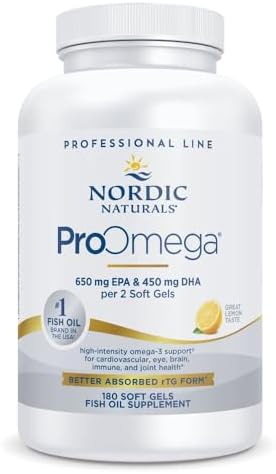
Most fish oil comes in the form of ethyl esters, triglycerides, reformed triglycerides, or free fatty acids. Your body absorbs triglycerides and free fatty acids better than ethyl esters.
2. EPA and DHA Concentration
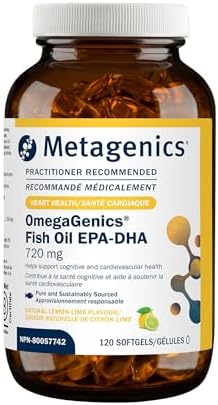
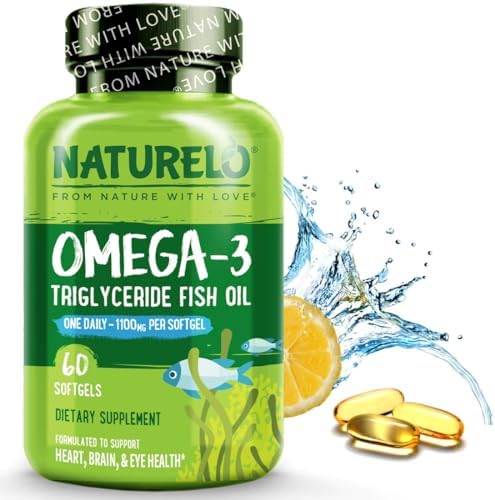
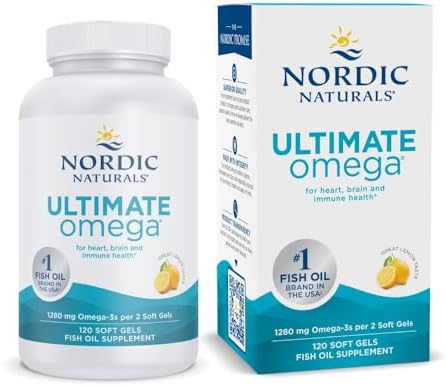
- High-potency fish oil supplement providing 720 mg of combined EPA and DHA omega-3 fatty acids per serving to support car…
- Purity tested and sustainably sourced from cold-water fish; rigorously screened for heavy metals, pesticides, and other …
- Antioxidant-stabilized and flavored with natural lemon-lime for freshnessno fishy aftertaste; formulated for optimal abs…
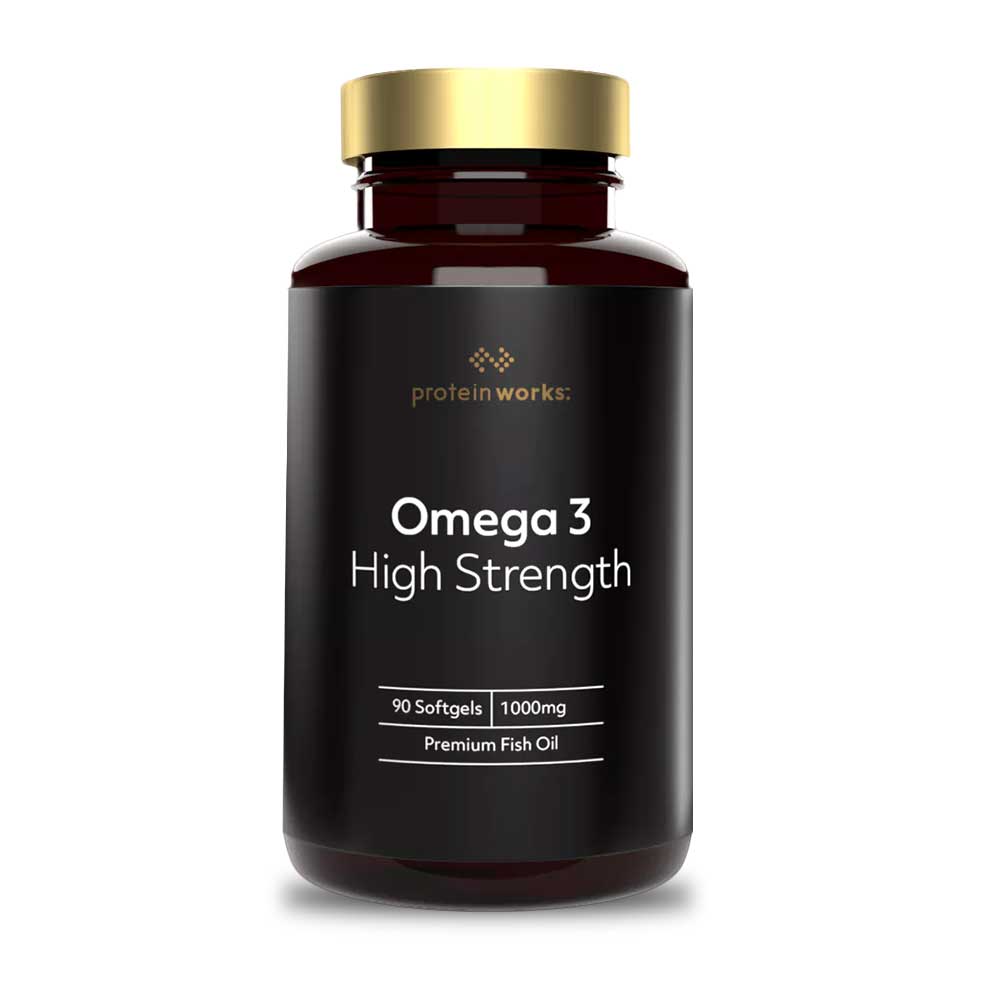
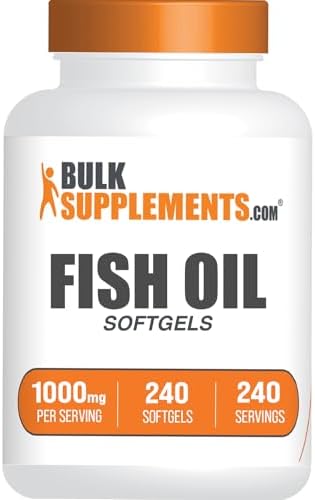
The most important thing to check on a label is how much EPA and DHA the supplement contains. A 1,000 mg capsule of fish oil might only contain 300 mg of combined EPA and DHA. Look for high-potency formulas where the eicosapentaenoic acid and DHA make up at least 50% of the total oil.
3. Purity and Third-Party Testing
To avoid heavy metals like mercury, choose products that have been third-party tested or have a seal of purity, such as the International Fish Oil Standards (IFOS) certification.
4. Freshness
Omega-3 fats are prone to oxidation, which makes them go rancid. Rancid oil has a foul smell and is less effective, or even potentially harmful. Always check the date, smell the product, and look for an antioxidant like Vitamin E added to the oil to preserve freshness.
5. Sustainability
Look for certifications from organizations like the Marine Stewardship Council (MSC) or the Friends of the Sea to ensure the fish oil is sourced from sustainable fisheries.




Potential Side Effects and Safety
While fish oil is generally safe for most people, there are a few things to keep in mind:
- The “Fishy Burp”: This is the most common complaint. Choosing enteric-coated capsules or taking the supplement with meals can help.
- Blood Thinning: In high doses (usually over 3 grams per day), fish oil can have a blood-thinning effect. If you are on blood-thinning medication or have an upcoming surgery, consult your doctor.
- Vitamin A Toxicity: Some fish liver oils (like cod liver oil) are very high in Vitamin A, which can be toxic in large amounts.
How to Maximize the Benefits
To get the most out of your fish oil supplements, timing and lifestyle matter:
- Take it with Fat: Omega-3s are fats. They are absorbed much better when you take them with a meal that contains other fats.
- Consistency is Key: The benefits of fish oil are cumulative. It can take 6 weeks to 6 months of consistent use to see significant changes in blood levels and inflammatory markers.
- Balance your Ratios: Most modern diets are too high in Omega-6 (found in vegetable oils). Reducing Omega-6 intake while increasing Omega-3 intake helps lower overall systemic inflammation.
This is Why Fish Oil Belongs in Your Routine
The omega 3 benefits provided by fish oil are among the most robust in the nutritional world. From supporting cardiovascular health to enhancing cognitive function and reducing chronic inflammation, eicosapentaenoic acid (EPA) and DHA are essential building blocks for a healthy life.

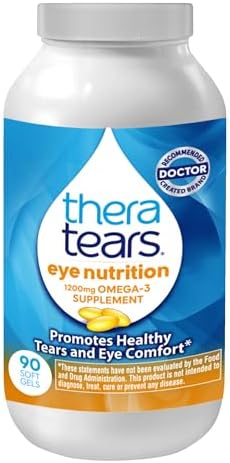


Whether you choose to load up on foods with omega 3 like wild-caught salmon or opt for high-quality fish oil supplements from Schopping.com, the investment in your cellular health will pay dividends for years to come. Always remember to prioritize purity, concentration, and sustainability when choosing your source.
Ready to boost your health? Check out our curated selection of top-rated fish oil supplements and start your journey toward better wellness today.
Frequently Asked Questions (FAQs)
1. What is the difference between EPA and DHA in fish oil?
Eicosapentaenoic acid (EPA) is primarily known for its anti-inflammatory properties and its role in heart and mental health. Docosahexaenoic acid (DHA) is a structural component of the brain and retina, making it vital for cognitive function and eye health. Most high-quality fish oil supplements contain a balanced blend of both.
2. How long does it take to see the fish oil benefits?
While some benefits, like improved mood, may be felt within a few weeks, it typically takes 6 to 12 weeks of consistent supplementation to significantly alter the omega-3 levels in your cells and see major improvements in heart health or joint inflammation.
3. Can I take fish oil on an empty stomach?
It is not recommended. Omega three fatty acids are fats and require other fats to be properly absorbed by the body. Taking your supplement with a meal also reduces the likelihood of “fishy burps” or indigestion.
4. Is there a vegan alternative to fish oil?
Yes. Algal oil is a plant-based supplement derived from marine algae. It contains direct sources of EPA and DHA, making it a more effective alternative than flaxseed or chia seeds for those seeking vegan omega 3 benefits.
5. Does fish oil expire?
Yes, fish oil is highly susceptible to oxidation. Always check the expiration date. If your capsules have a very strong, rancid “rotten fish” smell or look cloudy, they have likely oxidized and should be discarded.
6. Can fish oil help with weight loss?
While not a “fat burner,” fish oil can support weight loss by improving metabolic health, reducing inflammation, and potentially suppressing appetite when combined with a healthy diet and exercise.
7. Is it better to eat fish or take a supplement?
Eating foods with omega 3 provides additional nutrients like selenium and protein. However, supplements offer a concentrated dose of EPA/DHA without the risk of high mercury levels often found in large predatory fish.
8. Will fish oil thin my blood?
Fish oil has mild anticoagulant properties. At standard dosages (1–2 grams), it is safe for most. However, if you are on blood thinners like Warfarin, consult your doctor before starting a high-dose regimen.
9. What should I look for on a fish oil label?
Ignore the “Total Fish Oil” number on the front. Instead, look at the supplement facts panel for the specific milligrams of eicosapentaenoic acid (EPA) and docosahexaenoic acid (DHA). This is the “active” part of the oil.
10. Can children take fish oil supplements?
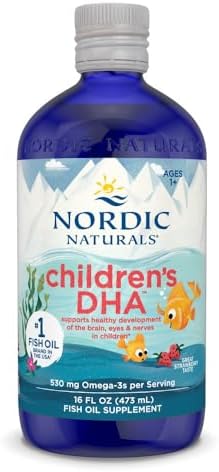
Yes, omega-3s are crucial for brain development and focus in children. However, the dosage is lower than for adults. Always choose a child-specific formula or consult a pediatrician.
People Also Asked (PAA)
1. What are the first signs of omega-3 deficiency?
Common signs include dry, itchy skin, brittle hair and nails, fatigue, poor sleep quality, joint pain, and difficulty concentrating or “brain fog.”
2. Which is better: Fish oil or Cod liver oil?
Regular fish oil is extracted from the flesh of oily fish and is higher in EPA/DHA. Cod liver oil is extracted from the liver and contains lower omega-3s but is naturally high in Vitamins A and D.
3. Does fish oil help with anxiety?
Research suggests that high doses of eicosapentaenoic acid (EPA) can help regulate neurotransmitters and reduce inflammation in the brain, which may alleviate symptoms of both anxiety and depression.
4. Can fish oil improve skin complexion?
Yes. By managing oil production and hydration, fish oil can help reduce acne and protect the skin from premature aging caused by sun exposure.
5. Is 1000mg of fish oil a day enough?
It depends on the concentration. A 1000mg capsule often only contains 300mg of actual omega-3s. For general health, most experts recommend at least 500mg of combined EPA and DHA daily.
6. Should I take fish oil in the morning or at night?
Timing doesn’t significantly impact absorption, but many people prefer taking it with their largest meal of the day (often dinner) to ensure maximum absorption and minimize digestive discomfort.
7. Does fish oil lower blood pressure?
Clinical studies show that omega-3 fatty acids can modestly reduce blood pressure, particularly in individuals with existing hypertension, by improving blood vessel elasticity.
8. Are there any side effects of taking fish oil daily?
The most common side effects are mild, including a fishy aftertaste, nausea, or loose stools. These can usually be avoided by taking the supplement with food or using enteric-coated pills.
9. Why do bodybuilders take fish oil?
Bodybuilders use it to reduce exercise-induced muscle soreness, protect joint health during heavy lifting, and improve insulin sensitivity for better nutrient partitioning.
10. Is krill oil more effective than fish oil?
Krill oil is bound to phospholipids, which may be absorbed more easily by the body than the triglycerides in fish oil. However, fish oil remains the more cost-effective and widely researched option.