

The Future of Smart Shopping: How AI-Powered Online Shopping Will Transform 2026
Shopping in 2026 is no longer about endless scrolling or wandering through physical aisles. We have entered the era of smart shopping, a paradigm shift where the friction of discovery, comparison, and checkout has been virtually eliminated by artificial intelligence.
As global retail completes its digital-first metamorphosis, online shopping has evolved from a manual task into a hyper-personalized, automated journey. For businesses and consumers alike, understanding this “Smart” revolution isn’t just an advantage—it’s a necessity for survival in the modern marketplace.
What Exactly is Smart Shopping?
Smart shopping is the synthesis of AI-driven tools, real-time data analytics, and automated decision-making. It represents a shift from “search-and-buy” to “predict-and-receive.”
By leveraging online shopping platforms that utilize machine learning, consumers now benefit from:
- Predictive Intelligence: Systems that know you need a refill before you do.
- Real-Time Price Arbitrage: Algorithms that scan thousands of vendors in milliseconds.
- Hyper-Personalization: Digital storefronts that reorganize themselves based on your specific aesthetic and budget.
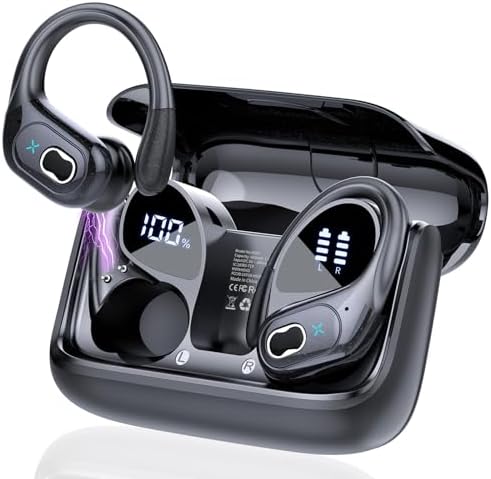
Bestseller #1Bestseller #2Bestseller #3Bestseller #4Bestseller #5Bestseller #6Looking to automate your household? Check out our top-rated smart hubs that sync directly with your grocery apps for a seamless Smart shopping experience.


Why Smart Shopping is the Dominant Force in 2026
The transition from traditional e-commerce to smart shopping has been accelerated by four key global drivers:
1. The “Inflation-Proof” Consumer
With global price volatility, Online shopping has become a game of precision. Smart tools now provide predictive discount modeling, telling users exactly when to buy to save the most money.
2. Generative AI as a Personal Concierge
In 2026, Online shopping is conversational. Whether through voice or chat, AI assistants handle the “grunt work” of comparing specs and reading reviews, presenting the user with only the top three most relevant options.
3. The Death of the “Decision Fatigue”
Modern shoppers are overwhelmed. Smart shopping systems use “auto-curation” to filter out the noise, ensuring that every product shown aligns with the user’s sustainability values, size, and style.
4. Radical Transparency
Consumers now demand “Live Data.” Smart shopping platforms offer instant insights into a product’s carbon footprint, real-time stock levels, and even the authenticity of the materials used.
Key Features Defining the 2026 Online Shopping Experience
- AI Wardrobe Stylists: Virtual mirrors and AR try-ons allow you to see how clothes fit your specific body type before clicking “buy.”
- Voice-Activated Commerce: Simply telling your home assistant to “find the best deal on organic coffee” initiates a multi-platform search and purchase sequence.
- Dynamic Price Protection: Smart shopping apps now automatically claw back refunds if a price drops within 14 days of your purchase.
How Consumer Behavior is Shifting
The psychology of the 2026 shopper has changed. Because Online shopping is now so efficient, we are seeing:
- Lower Impulse Buy Rates: AI tools highlight “better value” alternatives, encouraging more calculated spending.
- Subscription Dominance: Consumables (detergent, snacks, pet food) are now almost exclusively handled via automated Smart shopping subscriptions.
- High Trust in Algorithms: Over 70% of shoppers now report trusting AI-generated recommendations more than “sponsored” social media influencer posts.
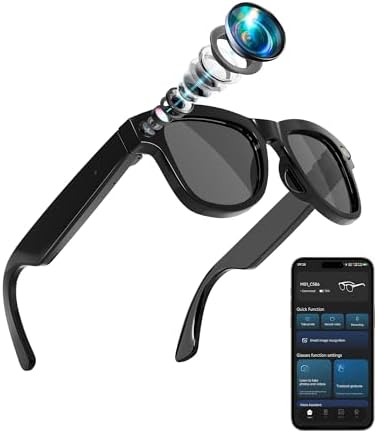
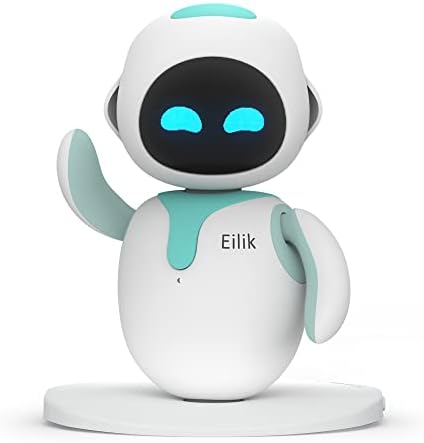
Bestseller #1Bestseller #2Bestseller #3Bestseller #4Bestseller #5


Industries Leading the Smart Revolution
| Industry | Impact of Smart Shopping |
| Fashion | Virtually zero returns due to 3D body scanning and AI sizing. |
| Electronics | Automated trade-ins where AI predicts when your current tech will lose value. |
| Groceries | “Zero-click” ordering where the fridge manages the inventory. |
| Home Decor | AR-powered “room builders” that purchase the entire set based on your floor plan. |
The Next Frontier: Autonomous Shopping
We are moving beyond Smart shopping into Autonomous Shopping. In this phase, your digital twin—an AI model of your preferences—will negotiate with brand bots to get you the best price on a product you haven’t even seen yet, but that the data proves you need.
Online shopping is no longer a chore; it is an invisible, supportive background process of modern life.
People Also Ask (PAA)
- What is the difference between online shopping and smart shopping?
- How is AI changing consumer behavior in 2026?
- What are the best smart shopping tools for saving money?
- Is smart shopping safe for data privacy?
- How can businesses implement smart shopping features?
- Will AI replace human shoppers?
- How does predictive AI help in online shopping?
- What is autonomous shopping?
- Why is personalization important in smart shopping?
- What role does AR play in the future of retail?
Frequently Asked Questions (FAQ)
Q1: Will smart shopping make products more expensive?
No, Smart shopping generally drives prices down by increasing competition and allowing consumers to find the best deals instantly.
Q2: Do I need special hardware for smart shopping?
While smart home devices help, most Smart shopping features are available via standard smartphones and updated Online shopping apps.
Q3: How does AI know what I want to buy?
AI analyzes your past purchase history, browsing patterns, and even seasonal trends to predict your future needs.
Q4: Is smart shopping better for the environment?
Yes, it can reduce carbon footprints by optimizing delivery routes and significantly lowering the rate of product returns.
Q5: What is the “Zero-Click” ordering mentioned?
It refers to automated systems that purchase essentials (like milk or printer ink) automatically when sensors detect low stock.
Q6: Can I opt-out of AI-powered recommendations?
Most Online shopping platforms allow you to disable personalization, though it may result in a more cluttered and less efficient experience.
Q7: How do voice assistants help with smart shopping?
They allow for hands-free price comparison and ordering, making Online shopping accessible while multitasking.
Q8: Are smart shopping tools free to use?
Many are free (supported by affiliate commissions), while some premium AI assistants may require a small monthly subscription.
Q9: Will physical stores disappear because of smart shopping?
No, they will evolve into “experience centers” where you can interact with products before your AI assistant handles the actual purchase.
Q10: How can I protect my privacy while using smart shopping apps?
Use reputable platforms, enable two-factor authentication, and regularly review the data permissions in your Online shopping profiles.