
Discover the future of smart shopping in 2026. Learn how AI personal shoppers, zero-click commerce, and AR try-ons are revolutionizing how we find the best deals at schopping.com.
The Future of Smart Shopping 2026: A Consumer’s Guide to the Retail Revolution
Welcome to the era of smart shopping. If you thought 2025 was high-tech, 2026 is the year the “buying” experience officially turns into an “experience” journey. We aren’t just clicking “Add to Cart” anymore; we are engaging with autonomous agents, stepping into virtual fitting rooms, and making ethical choices backed by real-time blockchain data.
At schopping.com, we’ve analyzed the shifting tides of the retail world to bring you this definitive guide. Whether you’re a bargain hunter or a tech enthusiast, here is how to master smart shopping in 2026.
1. The Rise of Agentic Commerce: AI is Your New Personal Shopper
The most significant shift in smart shopping this year is the move from “Search” to “Action.” In the past, you would spend hours scrolling through search results to find a specific pair of waterproof hiking boots. In 2026, AI Shopping Agents do the legwork for you.
How AI Agents Work
These aren’t just basic chatbots. Agentic AI (like Google Gemini or advanced ChatGPT-based assistants) can now:
- Navigate third-party sites: They browse across multiple retailers simultaneously.
- Negotiate and Compare: They find the best price-to-delivery-ratio, factoring in your loyalty points and current coupons.
- Execute Purchases: Under “Bounded Financial Authority,” you can authorize your AI to buy your weekly groceries or a pre-defined gift within a certain budget.
Smart Shopping Tip: Set up your “Consumer Profile” on schopping.com to allow AI agents to sync your preferences. This ensures your digital assistant only suggests items that match your style, size, and ethical standards.
2. Zero-Click Commerce: Shopping Without the “Shop”
We are entering the age of Zero-Click Commerce. This trend refers to transactions that happen entirely within the interface you are already using—whether that’s a search engine, a social media thread, or a voice conversation.
The Death of the Traditional Funnel
In 2026, the traditional journey of Ad > Website > Product Page > Cart > Checkout is dying. Instead:
- Direct-from-Search: You see a product in an AI-generated answer and click “Buy Now” right there.
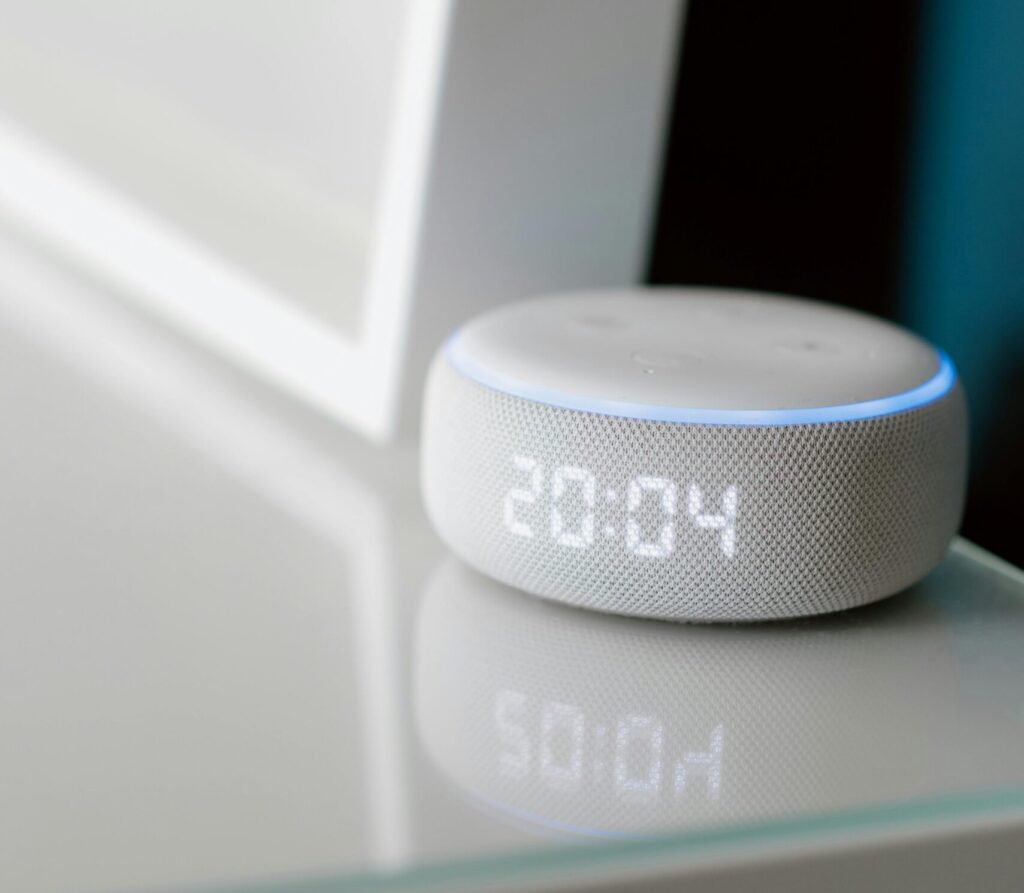
- Voice-First Buying: Using smart speakers or “Mystore Genie” style assistants, you can simply say, “Order the organic coffee I liked last month,” and the transaction is completed via secure tokenization.
3. Immersive Experiences: AR and the “Phygital” World
The line between physical and digital (Phygital) has finally blurred. Smart shopping in 2026 utilizes Augmented Reality (AR) not as a gimmick, but as a utility.
Virtual Try-Ons (VTO)
Research shows that AR experiences increase purchase intent by over 40%. In 2026, you can:
- Mirror-Sync: Use your phone to “wear” jewelry or makeup that adapts to your skin tone and lighting in real-time.
- Space Visualization: High-return categories like furniture now require “In-Room” AR previews. You can see exactly how that $3,000 sofa fits in your living room, down to the millimeter.
- Holographic Showrooms: Luxury brands are using VR to invite you to “private” runway shows where you can buy pieces off the virtual catwalk.
4. Hyper-Personalization: The End of “One Size Fits All”
Generic emails and mass discounts are relics of the past. Smart shopping is now driven by Hyper-Personalization.
Retailers are now using “Predictive Merchandising.” If your smart fridge notices you’re low on milk, or your wearable tech detects your running shoes have hit 500 miles, you won’t just get an ad—you’ll get a personalized offer for exactly what you need, exactly when you need it.
| Feature | 2024 Experience | 2026 Smart Shopping Experience |
| Search | Keywords (e.g., “blue dress”) | Intent-based (e.g., “Find a dress for a beach wedding under $200”) |
| Discounts | Sitewide 20% Off | Individualized pricing based on loyalty and behavior |
| Discovery | Scrolling through pages | Curated AI “Feed” based on your aesthetic |
| Returns | Mail-in or drop-off | AI-predicted fit reduces returns by 60% |
5. Values-Driven Consumption: Sustainability as a Metric
By 2026, smart shopping is as much about impact as it is about price. Over 70% of consumers now check for ethical or environmental labels before clicking buy.
The Digital Product Passport
Thanks to new regulations and blockchain technology, products at schopping.com now come with a “Digital Product Passport.” This allows you to see:
- Carbon Footprint: The exact CO2 cost of manufacturing and shipping.
- Provenance: Where the raw materials were sourced.
- Circular Potential: Options for resale, repair, or recycling once you’re done with the item.
6. Social Commerce 2.0: The Creator-Led Economy
Social media platforms have transformed into fully integrated marketplaces. In 2026, 17% of all online sales occur directly within apps like TikTok, Instagram, and YouTube.
- Livestream Shopping: This is no longer just for influencers. AI-generated “Virtual Influencers” host 24/7 streams, answering customer questions and demonstrating products with perfect accuracy.
- Community-Based Buying: Groups on Discord or specialized forums allow for “Group Buys,” where communities leverage their collective buying power to unlock wholesale pricing.
7. Logistics: The “Instant” Expectation
What defines a “smart” purchase in 2026? Speed. With the expansion of drone delivery and autonomous micro-fulfillment centers, the “Same-Day” delivery standard has evolved into “Within the Hour” for urban centers.
Smart Shopping Strategies for 2026:
- Subscription Evolution: Move away from rigid monthly boxes. Look for “Flex Memberships” that allow you to skip, swap, or pause based on AI-predicted usage.
- Green Shipping: Choose “Consolidated Shipping” options that use electric vehicle fleets to reduce your carbon footprint, often rewarded with “Green Credits” at schopping.com.
How to Be a Smart Shopper in 2026
To maximize your value this year, follow these three golden rules:
- Trust the Agent: Use a dedicated AI shopping assistant to monitor price drops and “Zero-Click” opportunities.
- Verify the Value: Don’t just look at the price tag; check the Digital Product Passport for long-term durability and resale value.
- Use the Tech: Always use AR try-on features to ensure the product fits your space or your body, saving you the hassle of returns.
Smart shopping is no longer about finding the cheapest item—it’s about finding the best item for you, with the least amount of friction.