
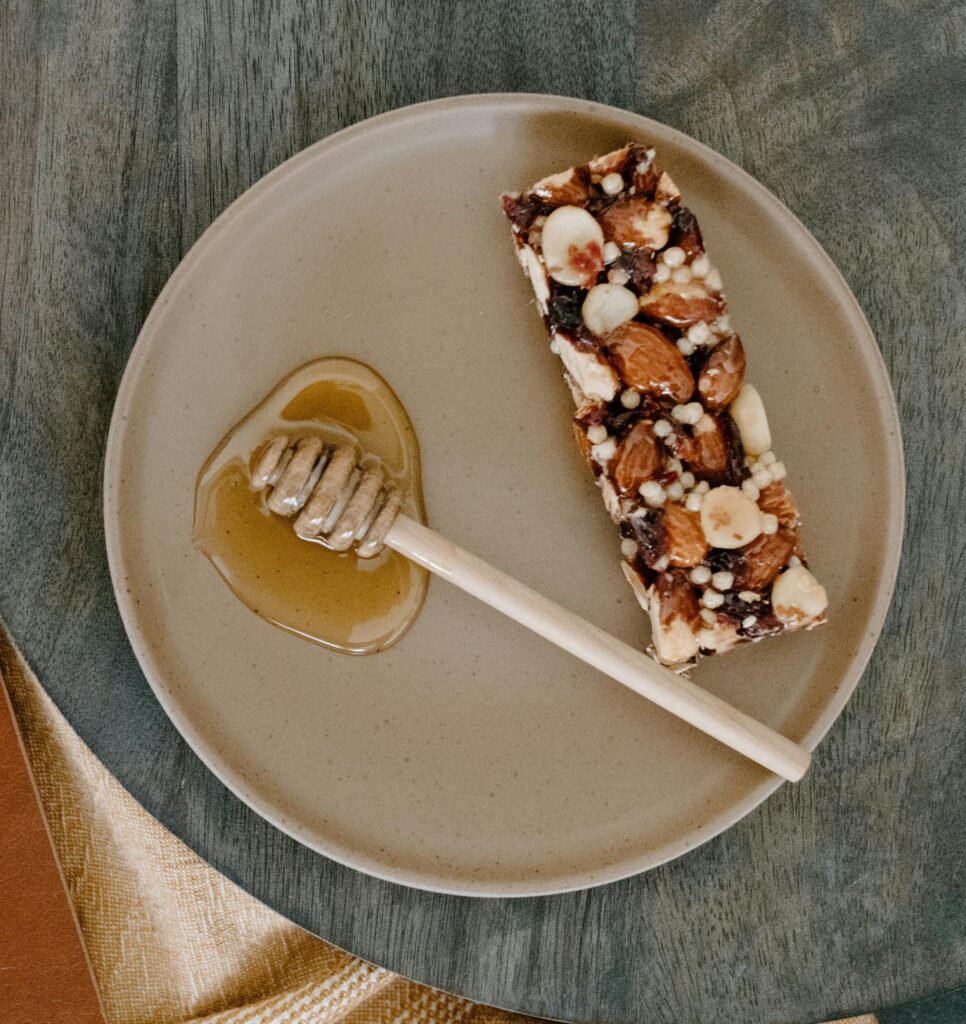
Smart, Nutritious Fuel for Energy, Muscle and Focus.
Healthy protein snacks have moved from niche fitness shelves to everyday kitchens, offices, and travel bags. As modern lifestyles become faster and more demanding, people are searching for snacks that do more than just curb hunger. They want sustained energy, muscle support, mental clarity, and ingredients they can trust.
Protein-rich snacks deliver exactly that. They stabilize blood sugar, reduce cravings, and keep the body fueled between meals. Whether you’re an athlete, a busy professional, a student, or simply someone trying to eat better, choosing the right protein snack can quietly transform your daily nutrition.
This guide explores what makes a protein snack healthy, the best types available, who they’re for, and how to choose the best options—while giving you space to integrate affiliate products naturally.
What Makes a Protein Snack Truly Healthy?
Not all protein snacks deserve the “healthy” label. Some are little more than candy bars wearing gym clothes. A genuinely healthy protein snack balances protein quality, ingredient transparency, and nutritional purpose.
High-quality protein sources include whey, casein, eggs, legumes, nuts, seeds, soy, and peas. These provide essential amino acids that support muscle repair, metabolism, and satiety.
Equally important is what isn’t included. Excess sugar, artificial sweeteners, hydrogenated oils, and unnecessary fillers reduce nutritional value and can spike blood sugar.
A healthy protein snack should:
- Contain at least 8–20g of protein per serving
- Use recognizable, whole-food ingredients
- Be low in refined sugar
- Provide additional benefits like fiber, probiotics, or healthy fats
Why Healthy Protein Snacks Matter
Protein plays a unique role in the body. Unlike carbohydrates, it slows digestion and keeps you full longer. Unlike fats, it directly supports tissue repair and enzyme production.
Adding protein snacks between meals helps:
- Prevent energy crashes
- Reduce overeating at main meals
- Support muscle growth and recovery
- Improve metabolic health
- Maintain lean body mass during weight loss
For people managing busy schedules or fitness goals, protein snacks become a practical nutritional anchor rather than a luxury.
Best Types of Healthy Protein Snacks
Protein Bars (Clean-Label Options)
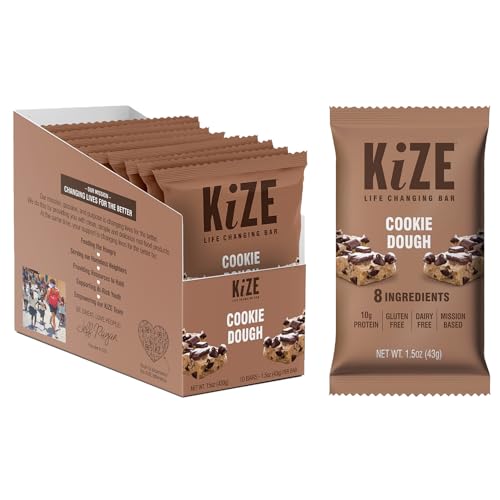
Protein bars are the most popular option due to convenience and portability. The healthiest ones use minimal ingredients, natural sweeteners, and balanced macros.

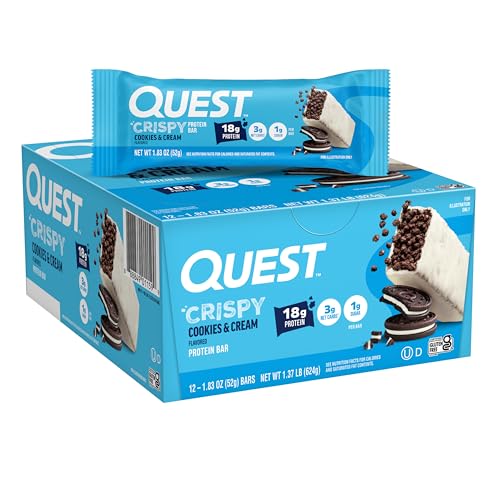


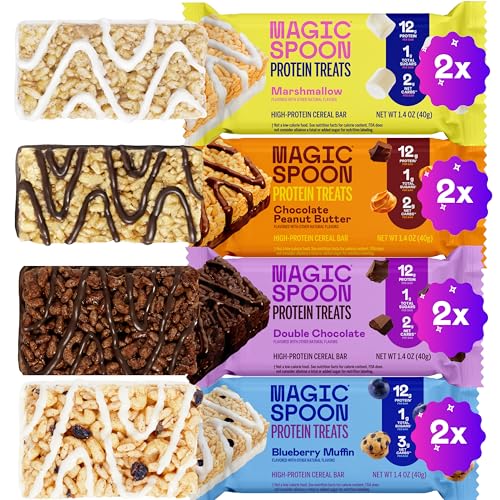


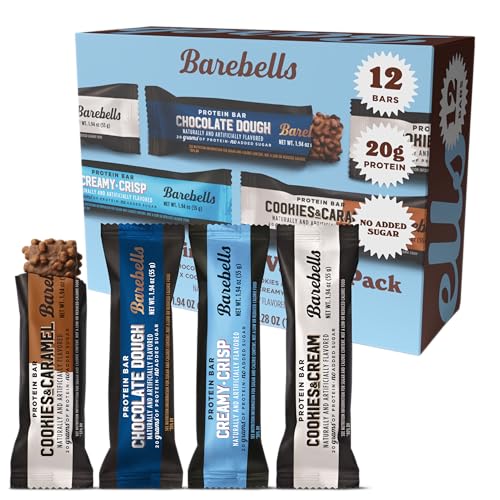

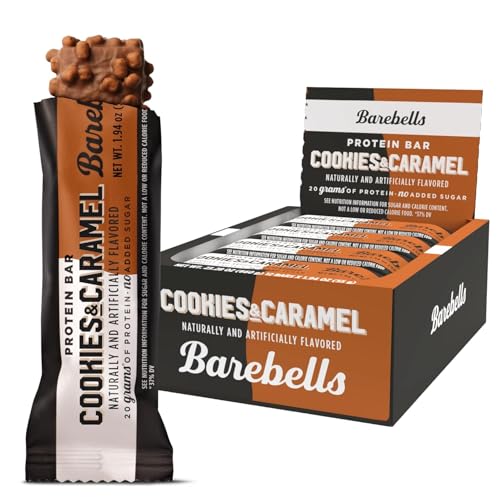
Look for bars made with nuts, seeds, oats, whey or plant protein and natural binders like dates or honey.
Protein Chips and Savory Snacks
Protein chips offer a crunchy alternative to sugary snacks. Made from lentils, chickpeas, peas or whey isolates, they deliver protein while satisfying savory cravings.
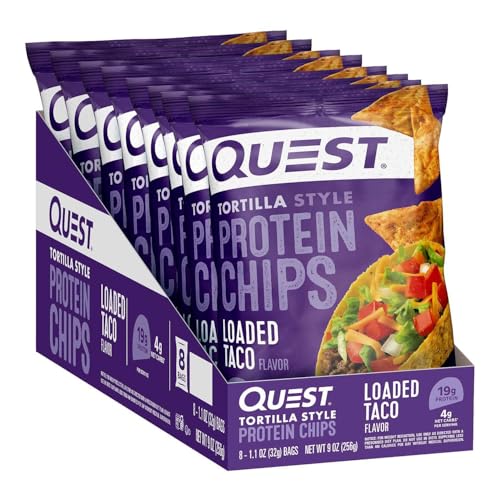

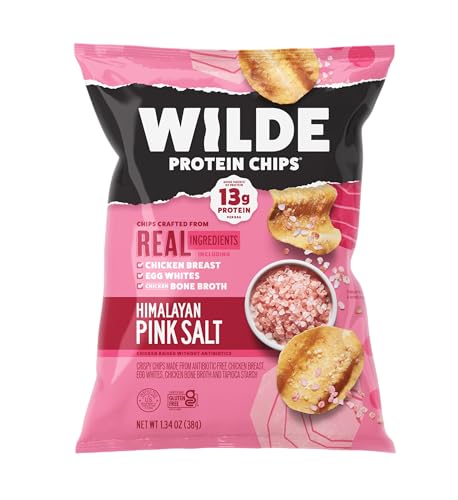
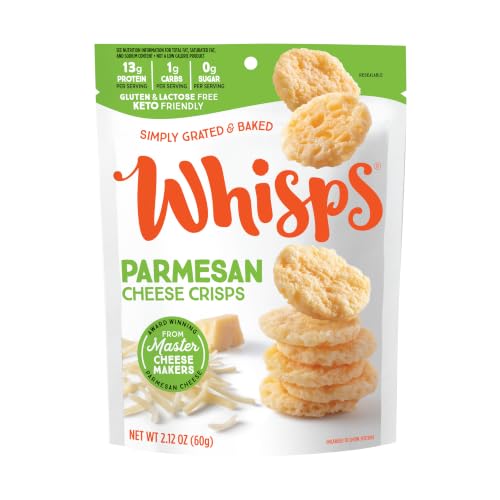
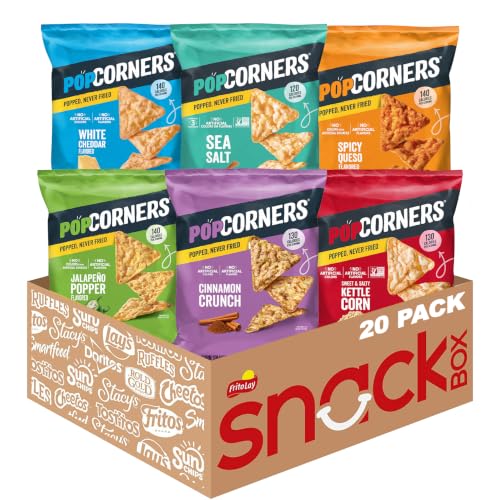
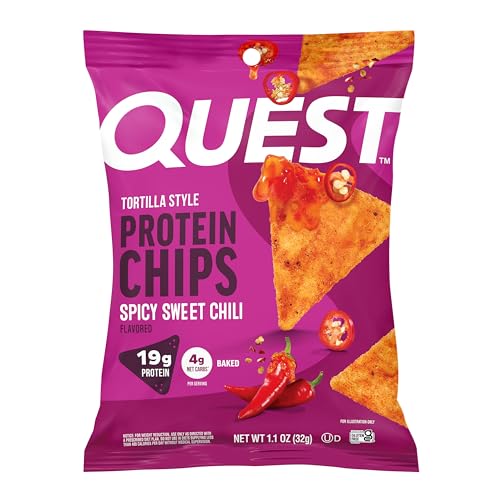
These are ideal for people who don’t enjoy sweet snacks but still want nutrition.
Nuts, Seeds and Protein Mixes
Almonds, peanuts, pumpkin seeds, and trail mixes provide moderate protein along with healthy fats and minerals. When paired with dried legumes or roasted soybeans, they become powerful snack options.
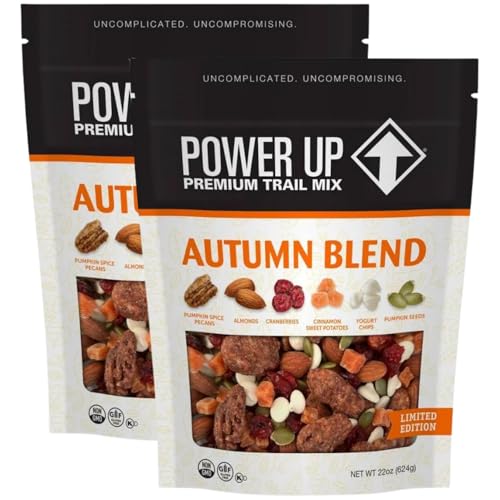
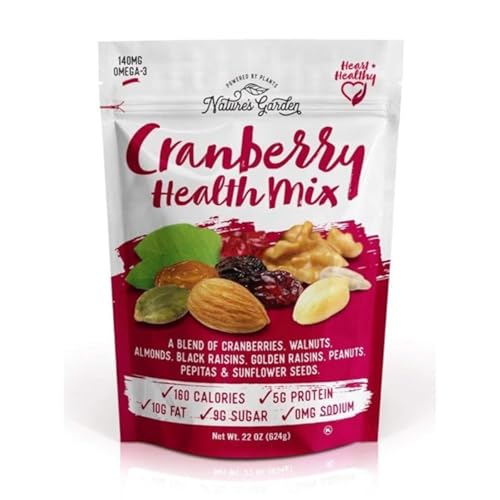
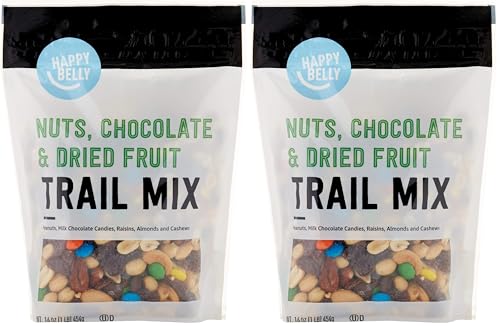


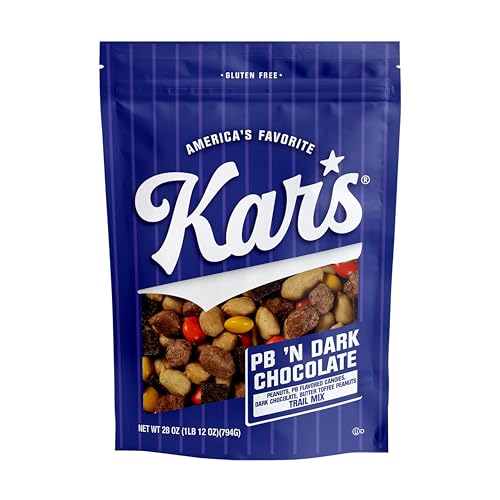
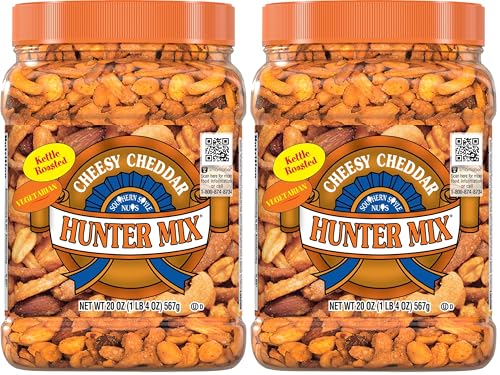

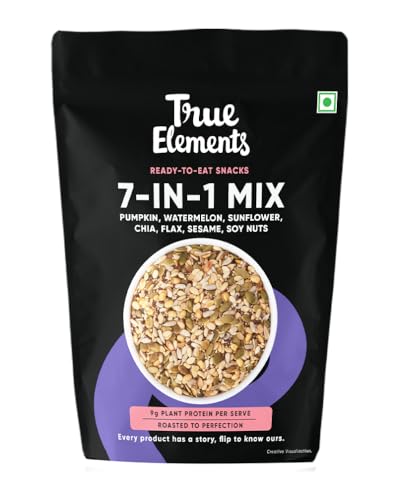

Portion control matters here, as calorie density is higher.
Greek Yogurt and High-Protein Dairy Snacks
Greek yogurt, skyr, cottage cheese and cheese snacks are rich in complete protein and probiotics. They support gut health while delivering calcium and amino acids.
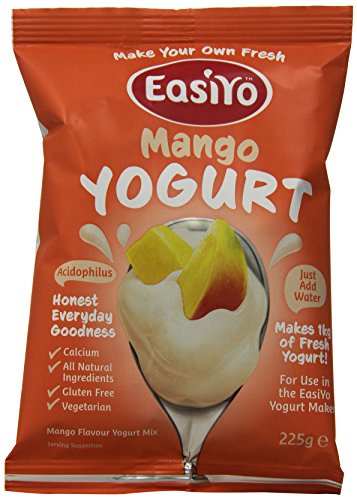
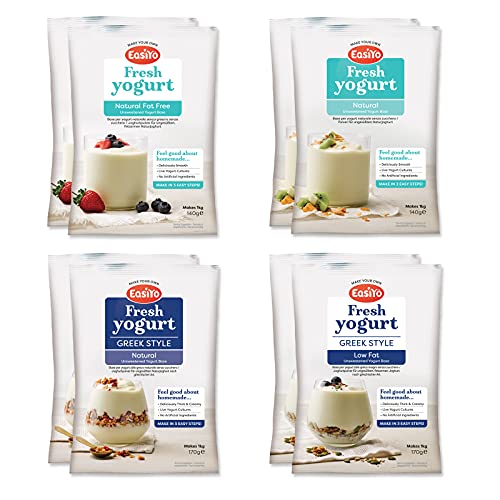


These are ideal as office or home snacks, especially when paired with fruit or seeds.
Plant-Based Protein Snacks
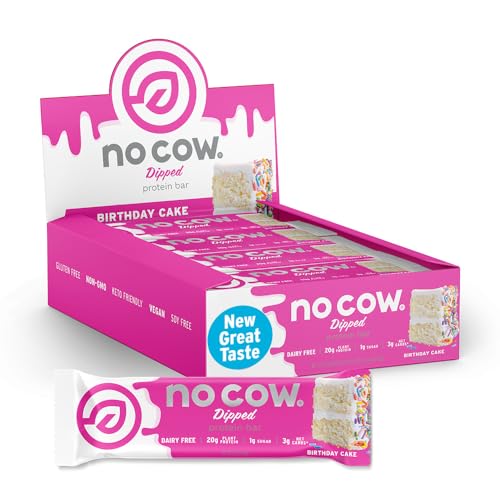
Plant-based protein snacks are rising rapidly due to dietary preferences and sustainability concerns. Options include roasted chickpeas, soy crisps, protein cookies, and pea-protein bars.


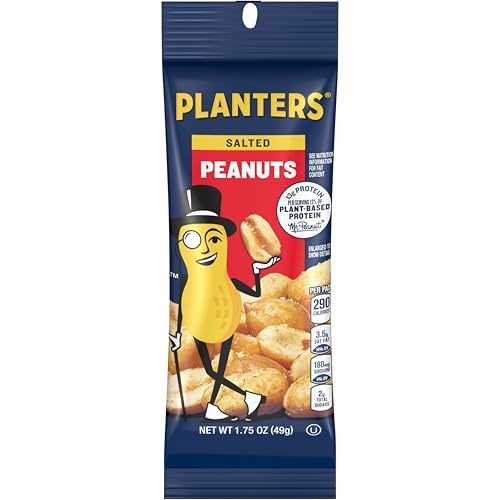
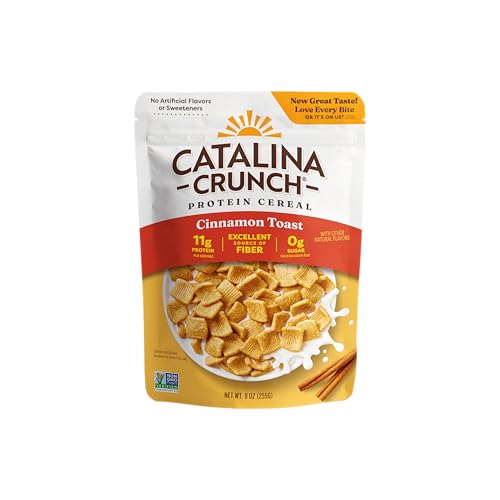
They suit vegans, vegetarians and those with dairy sensitivities while still supporting protein needs.
Homemade Protein Snacks
DIY protein snacks offer full control over ingredients. Protein balls made from oats, nut butter, protein powder, and seeds are cost-effective and customizable.
| Product Type | Protein per Serving | Sugar Content | Best For |
|---|---|---|---|
| Protein Bars (Clean Label) | 15–20g | Low | Work, Travel |
| Protein Chips | 10–18g | Very Low | Savory cravings |
| Plant-Based Snacks | 12–20g | Low | Vegan diets |
| Yogurt Protein Snacks | 14–20g | Moderate | Gut health |
| Nut & Seed Protein Mix | 8–15g | None | Natural energy |
Healthy Protein Snacks for Different Goals
For Weight Loss
Protein snacks reduce hunger and prevent overeating. Low-calorie, high-protein options with fiber work best, such as protein bars under 200 calories or yogurt-based snacks.
For Muscle Building
Higher protein content matters more than calories. Whey-based bars, protein chips, and dairy snacks support muscle repair and growth.
For Busy Professionals
Shelf-stable snacks like bars, chips, and nut mixes offer nutrition without refrigeration or preparation.
For Travel and Outdoor Activities
Protein snacks that resist heat, don’t crumble easily, and stay fresh longer are ideal for travel and adventure use.
How to Read Protein Snack Labels Like a Pro
Understanding labels helps avoid marketing traps. Always check:
- Protein per serving
- Sugar content (ideally under 6g)
- Fiber content
- Protein source
- Ingredient list length
Shorter ingredient lists usually indicate better quality. If sugar appears before protein, it’s a red flag.
Are Protein Snacks Better Than Regular Snacks?
Compared to chips, cookies, and sugary treats, protein snacks provide nutritional value rather than empty calories. They support bodily functions instead of just stimulating taste buds.
However, protein snacks should complement meals—not replace balanced eating entirely.
How Often Should You Eat Protein Snacks?
One to two protein snacks per day is ideal for most people. Excessive reliance can crowd out whole foods, while too few may lead to energy dips.
Timing matters. Protein snacks work best:
- Mid-morning
- Mid-afternoon
- Post-workout
- During long travel or work sessions
Common Mistakes When Choosing Protein Snacks
Many people fall into these traps:
- Choosing snacks with high sugar but low protein
- Ignoring serving sizes
- Assuming “protein” equals “healthy”
- Overconsuming calorie-dense snacks
- Relying only on processed sources
Awareness prevents disappointment—and digestive regret.
The Future of Healthy Protein Snacks
Innovation in protein snacks is accelerating. Fermented proteins, precision-fermented whey, insect protein, and lab-optimized plant proteins are shaping the future.
Clean labels, sustainability and functional nutrition will define the next generation of protein snacks.
Final Thoughts
Healthy protein snacks are not just fitness accessories—they’re nutritional tools. When chosen wisely, they stabilize energy, support muscles, and simplify healthy eating in a complex world.
For affiliate marketers and content creators, protein snacks offer high buyer intent, repeat purchases, and a wide audience. With clean content, transparent recommendations, and trust-based placement, this niche remains both valuable and durable.
People Also Ask (PAA)
What are the healthiest protein snacks?
The healthiest protein snacks contain high-quality protein, minimal added sugar, and whole-food ingredients. Examples include clean-label protein bars, Greek yogurt, roasted chickpeas, protein chips made from legumes, and nut-based protein mixes. Health depends more on ingredient quality than branding.
Are protein snacks good for weight loss?
Yes. Protein snacks help regulate appetite by slowing digestion and reducing blood sugar spikes. When eaten between meals, they reduce overeating and support calorie control, especially when paired with fiber.
How much protein should a healthy snack have?
A healthy protein snack typically contains 8 to 20 grams of protein, depending on body size and activity level. Snacks with less than 5g are usually insufficient for satiety.
Are protein bars actually healthy?
Protein bars can be healthy if they are low in sugar, use natural ingredients, and provide adequate protein. Bars that resemble candy bars nutritionally should be avoided despite protein marketing.
What is the best protein snack for busy professionals?
Shelf-stable protein bars, protein chips, and nut-based protein snacks are ideal for busy professionals due to portability, long shelf life, and ease of consumption.
Frequently Asked Questions (FAQs)
What is the best time to eat protein snacks?
Protein snacks are most effective mid-morning, mid-afternoon, or post-workout when energy dips or muscle recovery is needed.
Can protein snacks replace meals?
Protein snacks are designed to complement meals, not replace them. Occasionally replacing a meal is fine, but long-term reliance can limit micronutrient intake.
Are plant-based protein snacks as effective as animal-based ones?
Plant-based protein snacks can be equally effective when they contain complete amino acid profiles or are combined strategically, such as pea and rice protein blends.
Do protein snacks cause weight gain?
Protein snacks only contribute to weight gain if total daily calories exceed energy needs. When portioned correctly, they often support weight management.
Are protein snacks safe to eat daily?
Yes, when made from quality ingredients and consumed in moderation, protein snacks are safe for daily consumption.