
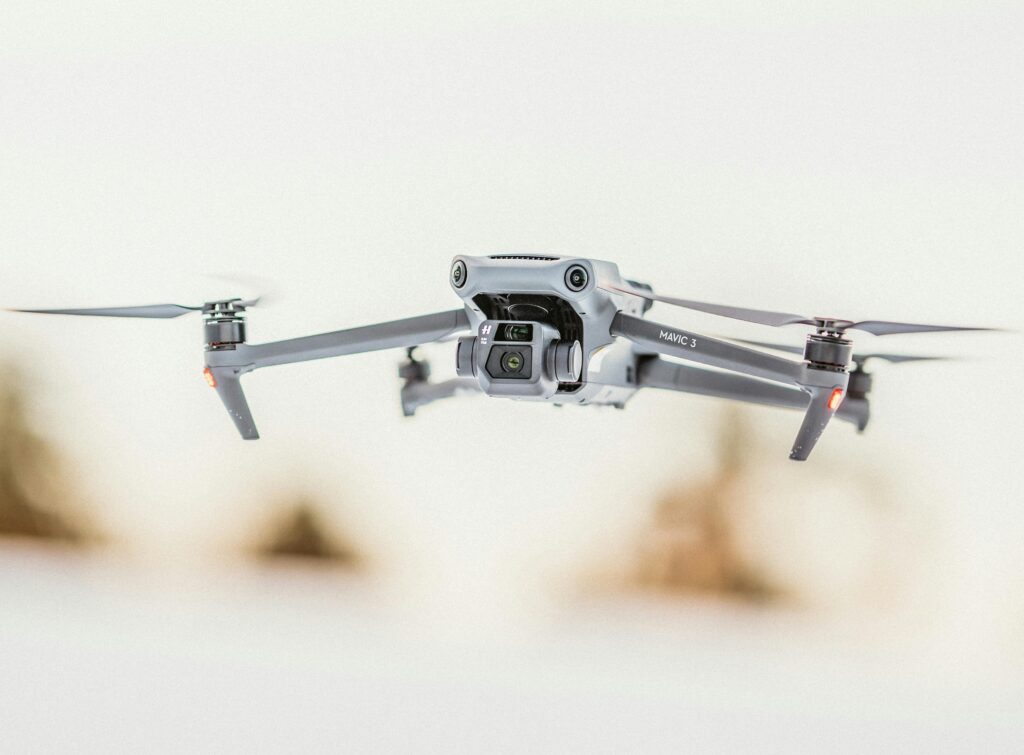
In 2026, the landscape of aerial imaging has shifted from mere “flying cameras” to highly autonomous, multi-sensor platforms. Whether you are a professional cinematographer, a social media influencer, or a travel enthusiast, best photography drones offers capabilities that were science fiction just a few years ago.
This guide explores the top-tier models currently dominating the market, focusing on the latest releases from industry leaders like DJI and Autel Robotics. Whether you’re interested in aerial photography, cinematic videography, professional surveying, mapping, inspections, or recreational flying, understanding the strengths of today’s leading models can help you choose the right aircraft for your needs. For a deeper look at the latest drone technology, flight performance comparisons, camera systems, regulations, and buying recommendations, explore our comprehensive coverage of drones.
1. The Professional Flagship: DJI Mavic 4 Pro
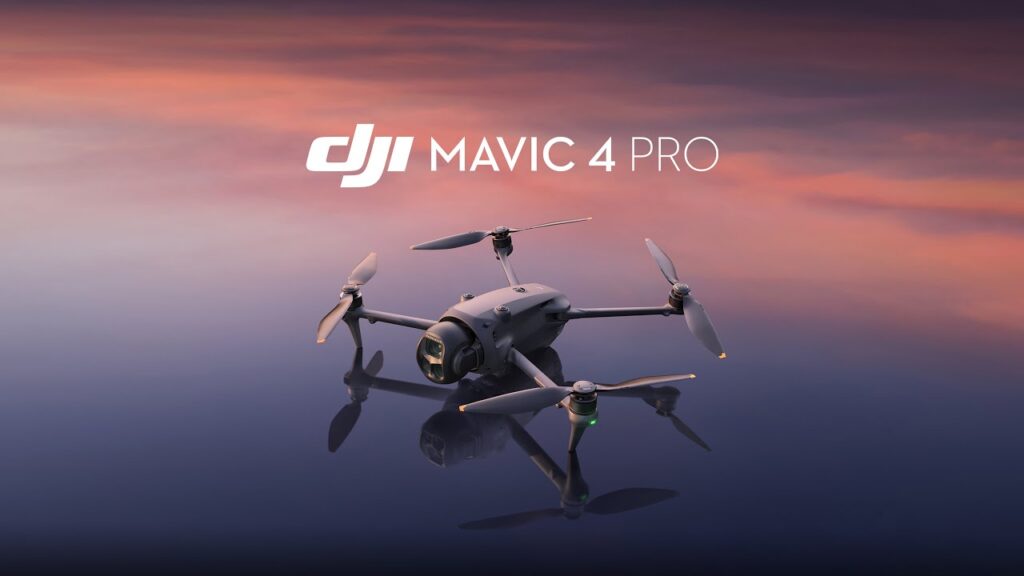
The DJI Mavic 4 Pro has officially claimed the throne as the ultimate tool for serious creators. Building on the legendary Mavic 3 series, the Mavic 4 Pro introduces a revolutionary “Infinity Gimbal” and a triple-camera array that covers every conceivable focal length.
Camera Performance and Sensors
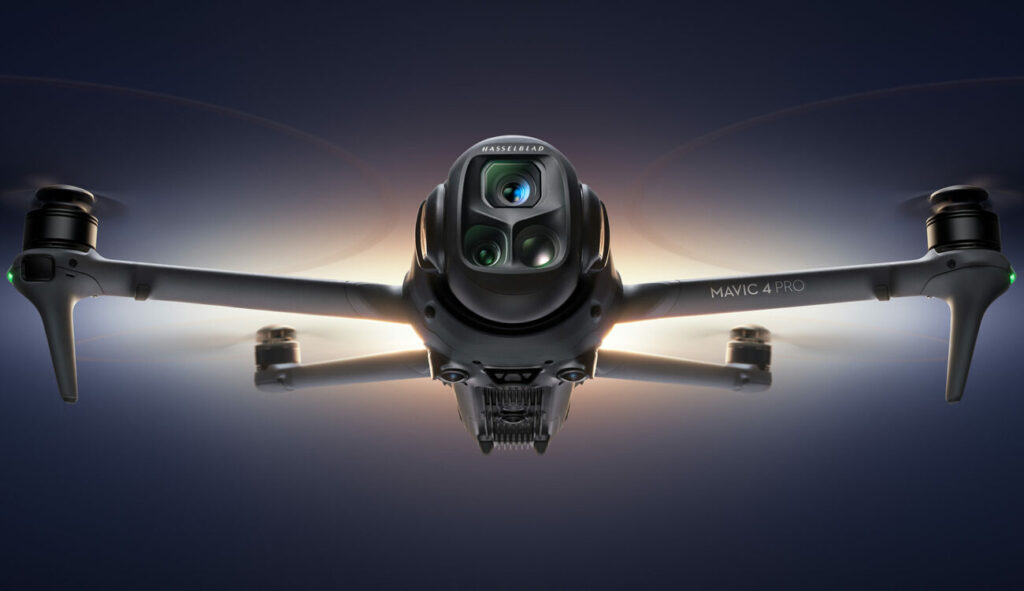
The primary sensor is a 100MP Hasselblad 4/3 CMOS capable of shooting stunning 6K video at 60fps with up to 16 stops of dynamic range. This is paired with two high-performance telephoto lenses.
- 70mm Medium Tele (48MP): Perfect for compressed portraits and architectural shots.
- 168mm Tele (50MP): Offers 24x optical zoom for wildlife or distant landscapes without loss of detail.
Intelligent Flight and Battery
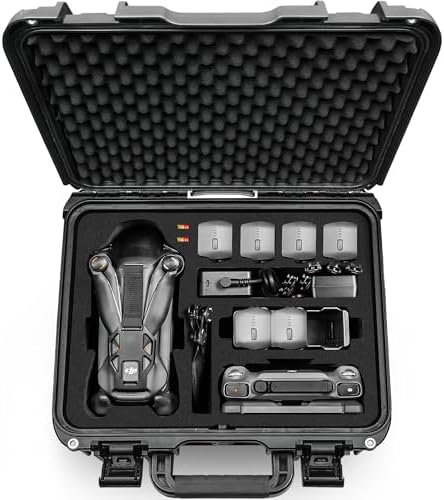

One of the most talked-about features of the DJI Mavic 4 Pro in 2026 is its 51-minute flight time. This extended endurance, combined with 360-degree LiDAR-supported obstacle avoidance, allows photographers to focus entirely on the composition rather than the safety of the aircraft. It also features 0.1-lux Nightscape sensing, making it the safest drone for twilight and low-light photography and sucring its place among the best photography drones.
2. The Travel Essential: DJI Mini 5 Pro
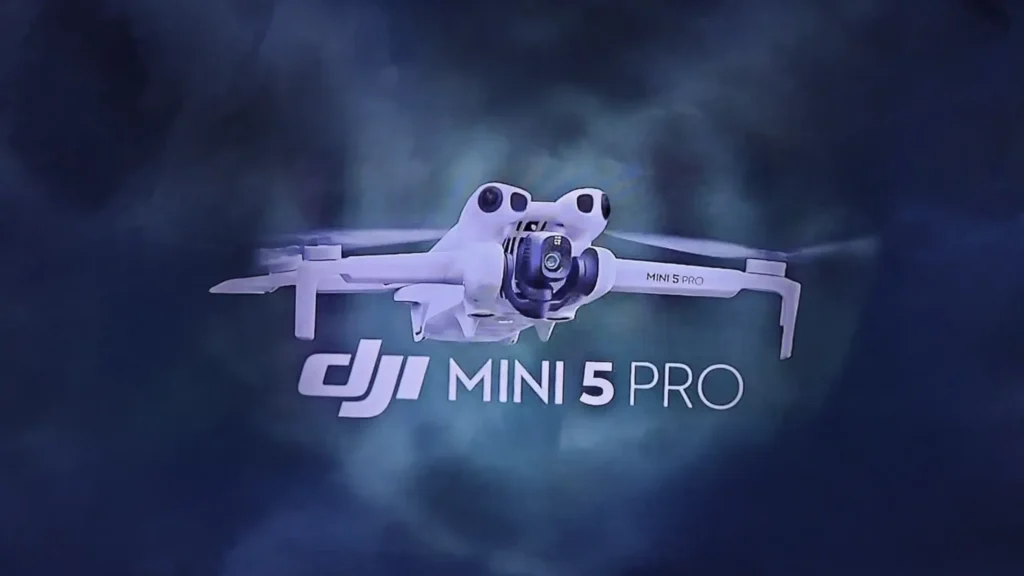
For those who prioritize portability without sacrificing image quality, the DJI Mini 5 Pro is the gold standard for 2026. It remains under the critical 249g weight limit, meaning it avoids most registration requirements in many regions.
Professional Specs in a Pocket-Sized Frame
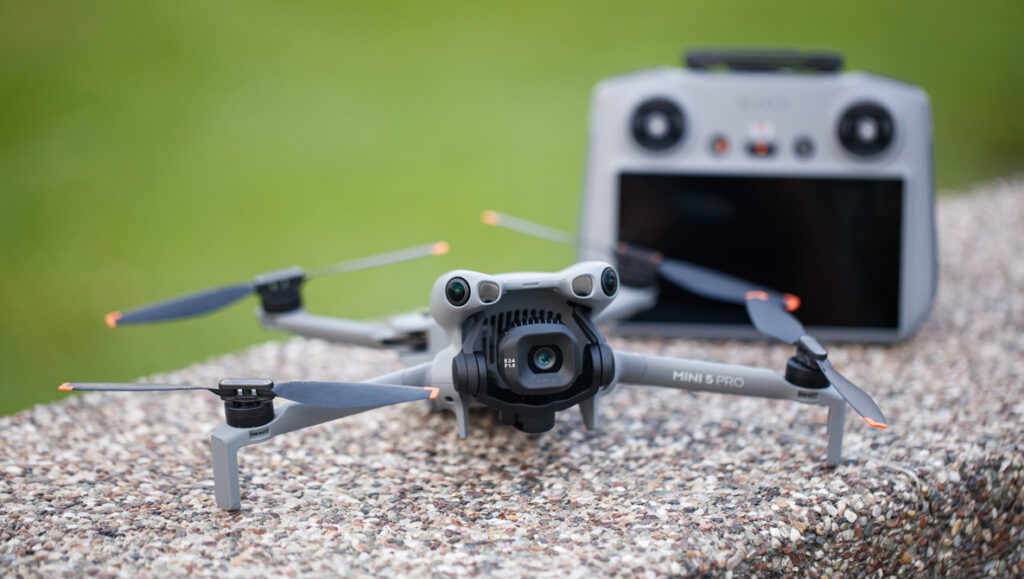
Despite its size, the DJI Mini 5 Pro features a massive 1-inch CMOS sensor—a feat previously reserved for much larger drones.
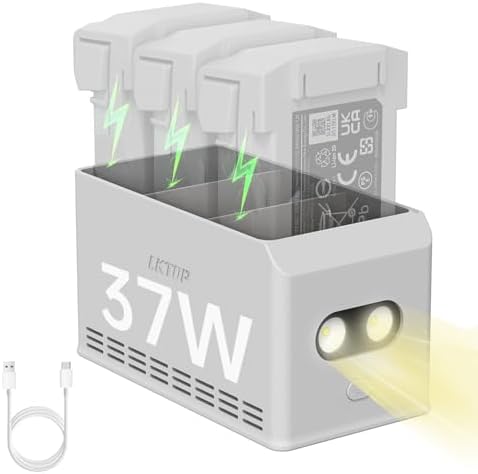

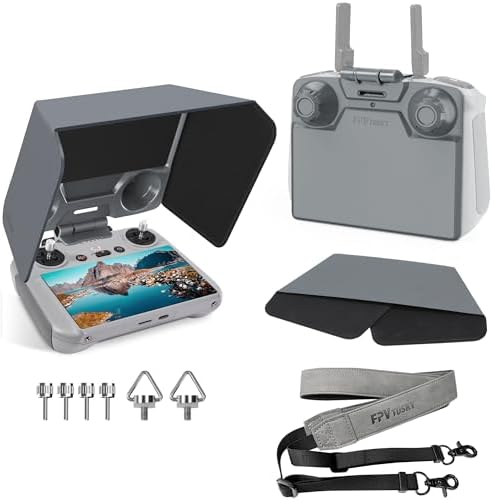

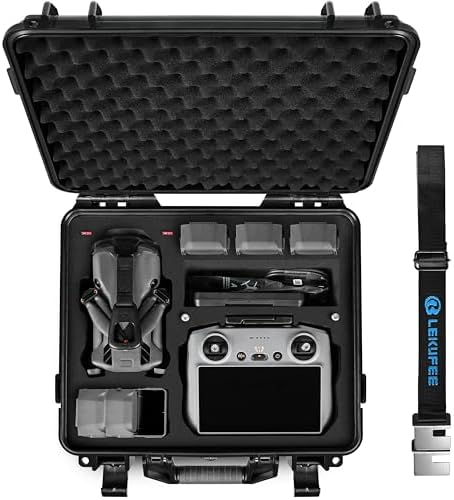
- Resolution: 50MP stills and 4K/120fps video.
- True Vertical Shooting: The gimbal rotates 90 degrees, allowing for native high-resolution vertical video for TikTok and Instagram Reels.
- Transmission: Uses the new O4+ system, providing a crystal-clear 1080p/60fps live feed from up to 20km away.
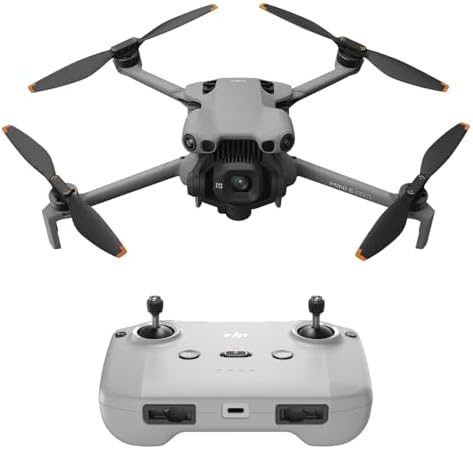
- Ultra-Light, Palm-Sized Foldable Design – Compact and foldable, this palm-sized drone slips easily into a pocket and off…
- 1-Inch CMOS With 4K/60fps HDR Video – 1-inch CMOS sensor captures 4K/60fps HDR video with sharp detail and vibrant color…
- True Vertical Filming & 225° Flexible Gimbal Rotation – Capture creative footage with a gimbal that offers true vertical…
The DJI Mini 5 Pro is the best photography drone for travelers who need to pack light but still want to deliver cinematic, high-bitrate content.
Since the EVO III is still in the “pre-release” phase, the true reigning champion for photographers in the Autel lineup for 2026 is the Autel EVO Max 4T. This is their most advanced, sensor-heavy platform that bridges the gap between professional cinematography and high-end industrial utility.
3. The Industrial Powerhouse: Autel EVO Max 4T
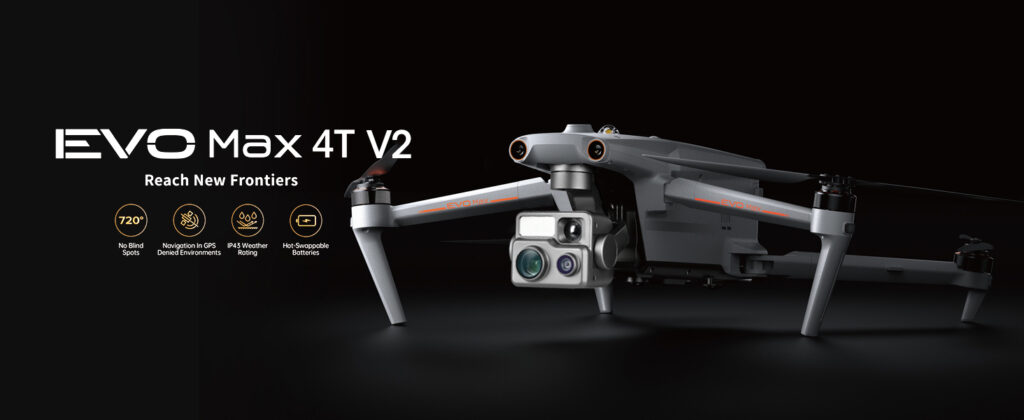
While other brands focus on sleek aesthetics, Autel has doubled down on raw power and versatility with the Autel EVO Max 4T. In 2026, this remains the most advanced photography and videography drone for creators who work in “impossible” conditions. It isn’t just a camera; it is a multi-sensor reconnaissance tool that provides photographers with unmatched creative control.
The Triple-Threat Camera System
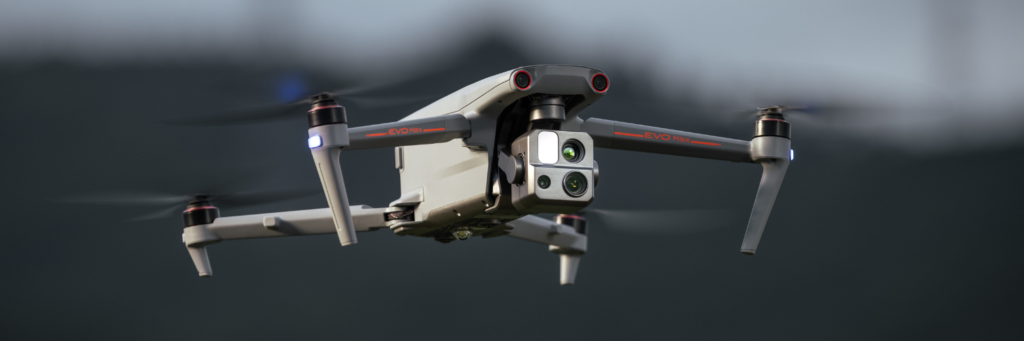
The EVO Max 4T features a “fusion” payload that allows photographers to switch between three distinct visual perspectives instantly. This versatility is why it dominates the professional market.
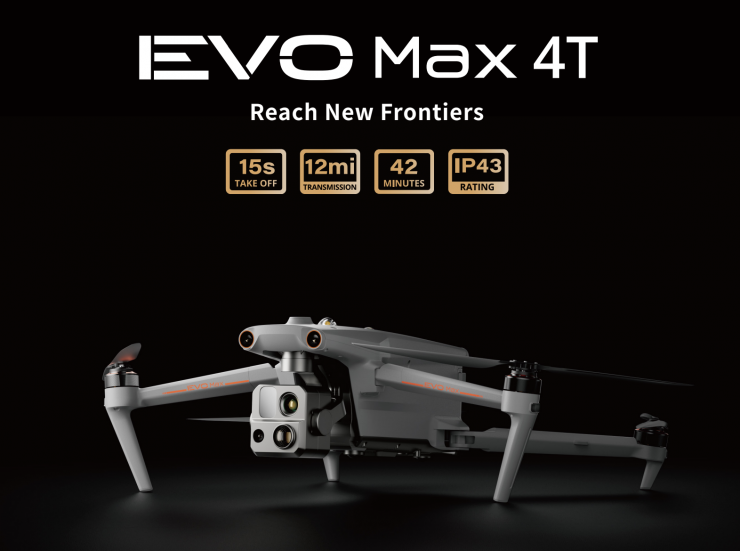
- 50MP Wide Camera: Equipped with a 1/1.28″ CMOS sensor and an f/1.9 aperture, this camera uses an RYYB filter array (instead of the standard RGGB). This allows for 40% more light intake, making it superior for blue-hour and night-sky photography.
- 48MP Telephoto Camera: This sensor supports 8K 10x Optical Zoom and up to 160x Hybrid Zoom. For filmmakers, this means capturing close-up cinematic shots from a safe and silent distance.
- Thermal Imaging: While primarily used for inspections, photographers are increasingly using the high-res thermal sensor for abstract “heat-map” fine art photography.
Autel’s “Anti-Interference” Sovereignty
One of the biggest selling points for the Autel EVO Max 4T is its resilience. In 2026, crowded signal environments can cause “fly-aways” or laggy feeds. The Max 4T uses advanced RFI (Radio Frequency Interference) and EMI shielding. Furthermore, Autel remains the leading brand for No Geofencing. This means that professional photographers can fly in remote or complex areas without waiting for software “unlock codes” from a central manufacturer—giving the pilot 100% sovereignty over their flight path.
A-Mesh 1.0 and Autonomy
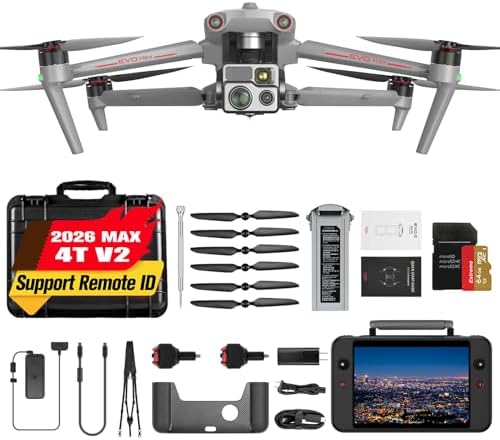
- 🏆4 MISSION READY PAYLOAD – Autel EVO Max 4T V2 payload integrates ➊Wide-Angle Camera(48MP, 1/2″ CMOS, f/2.8 Aperture, 83…
- 🏆A-MESH 1.0 NETWORKING – Multiple machines can be controlled autonomously by 1 pilot or by a group of pilots simultaneou…
- 🏆720° ULTIMATE OBSTACLE AVOIDANCE – Autel EVO Max 4T V2 is the only one that combines traditional binocular vision syste…
The EVO Max 4T introduces A-Mesh technology, allowing multiple drones to be controlled by a single pilot or creating a relay system to extend range behind mountains or buildings. Its “Autel Autonomy” engine uses binocular vision and millimeter-wave radar to navigate around power lines and tree branches in total darkness, ensuring that your expensive camera gear stays safe even during the most complex “follow-me” chase sequences.
And The Highly Anticipated Cinematic Challenger: Autel EVO III
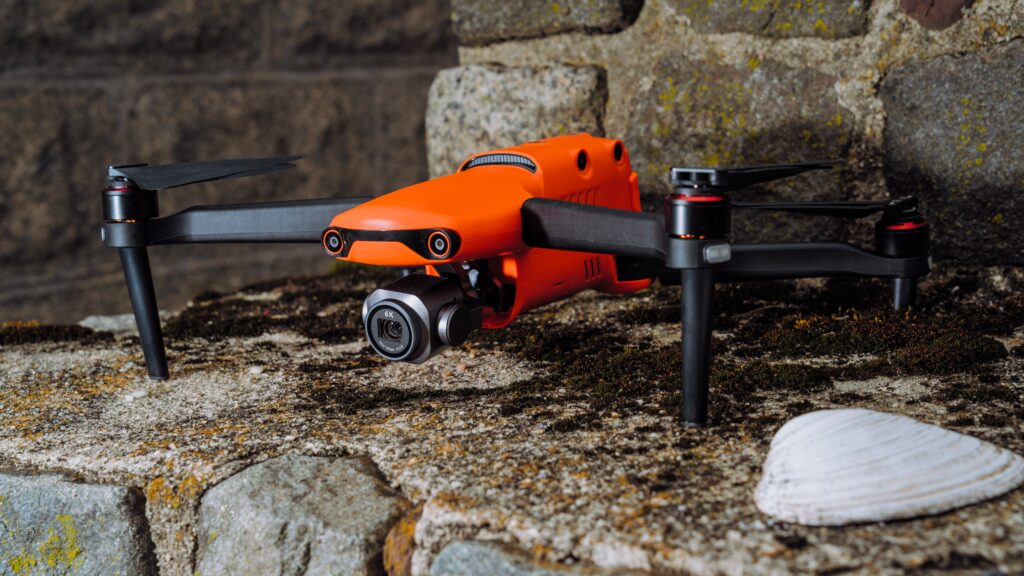
Autel Robotics has made a massive comeback in 2026 with the Autel EVO III. Known for not having the restrictive “no-fly zones” found in other brands, the EVO III is a favorite among professional contractors and independent filmmakers.
Optics and Night Vision
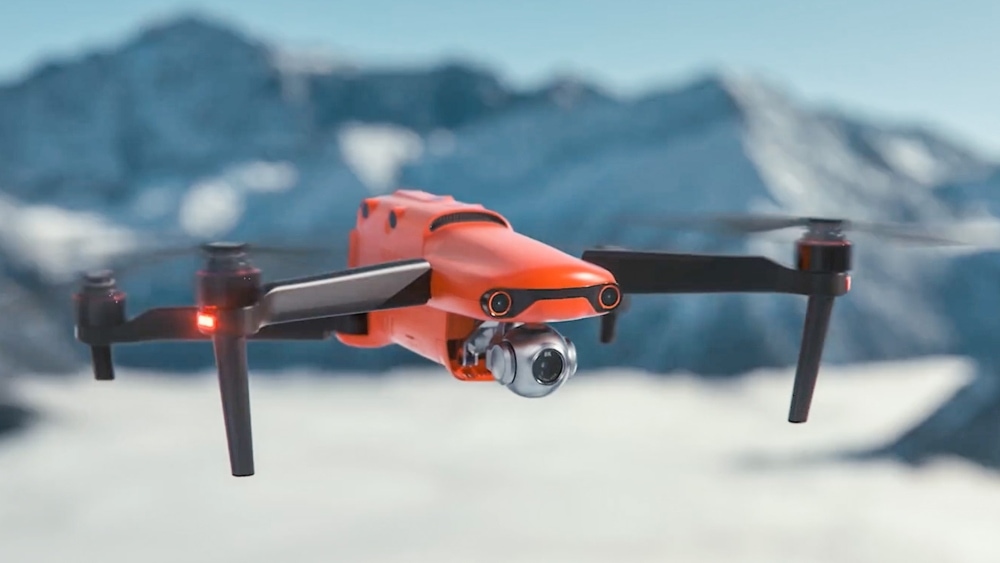
The Autel EVO III is famous for its “Moonlight Algorithm 2.0,” which pushes ISO limits up to 44,000 with minimal noise. It often ships with an 8K sensor option, providing incredible cropping flexibility in post-production.
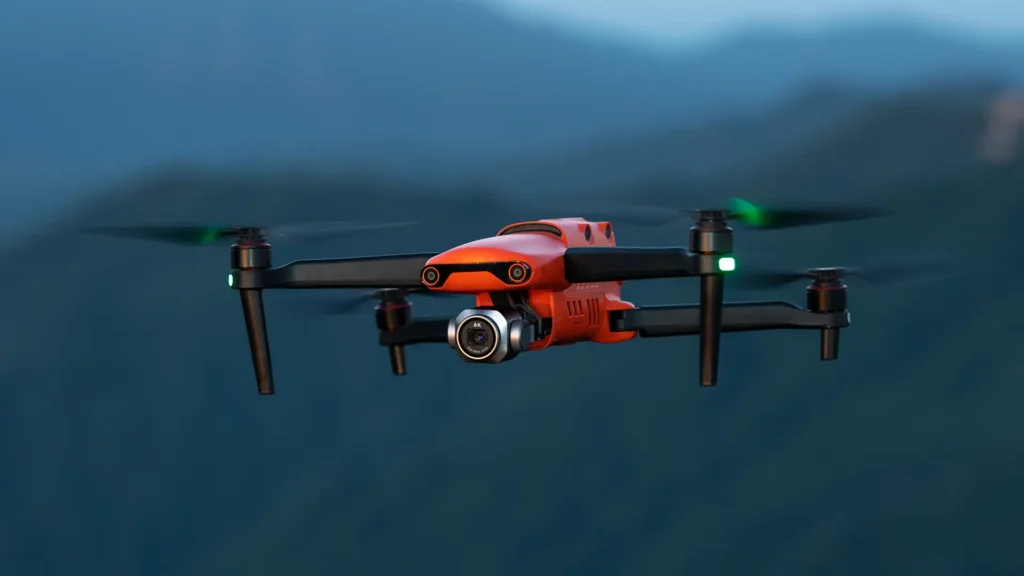
- Interchangeable Gimbals: Unlike most consumer drones, the EVO III allows users to swap out camera modules (Dual Thermal, 6K Pro, or 8K).
- No Geofencing: This gives the operator full responsibility and freedom over where they fly, which is a significant selling point for professional use in remote areas.
4. Comparison Table: 2026 Top Picks
| Feature | DJI Mavic 4 Pro | DJI Mini 5 Pro | Autel EVO Max 4T | Black Hornet 4 |
| Primary Use | Professional Cinema | Travel & Social Media | Industrial & Night Ops | Tactical Recon (ISR) |
| Max Resolution | 6K / 60fps HDR | 4K / 120fps HDR | 8K / 30fps (Zoom) | 1280 x 720 (Live Feed) |
| Photo Quality | 100MP (Hasselblad) | 50MP | 50MP (Wide) / 48MP (Zoom) | 12MP Stills |
| Sensor Size | 4/3-inch CMOS | 1-inch CMOS | 1/1.28-inch RYYB | Nano-sensor (Dual EO/TI) |
| Thermal Imaging | No | No | Yes (640 x 512) | Yes (640 x 512) |
| Max Flight Time | 51 Minutes | 34–52 Minutes | 42 Minutes | 30+ Minutes |
| Transmission Range | 30 km (O4+) | 20 km (O4+) | 20 km (SkyLink 3.0) | 3 km |
| Weight | 1063g | < 249g | 1600g | 70g |
| Special Feature | Infinity Gimbal (360°) | True Vertical Shooting | No Geofencing | 20dB Silent Flight |
| Est. Price (2026) | $2,099+ | $759+ | $6,900+ | $15,000+ (Military Only) |
5. Key Trends in 2026 Drone Photography
Drone photography in 2026 is no longer just about capturing aerial shots—it has evolved into a fully automated, AI-assisted creative workflow where the drone behaves more like a smart cinematography assistant than a flying camera. As you explore the best photography drones of 2026, these are the major shifts shaping the industry:
AI-Driven Autonomous Cinematography
Modern drones now rely heavily on onboard AI models capable of understanding scenes in real time. Instead of simple subject tracking, they can identify and follow specific entities such as a particular vehicle in motion, a runner in a crowded marathon, or even a defined facial target in complex environments. Advanced shooting modes like “MasterShots” and “Cinematic Sequences” are becoming more intelligent, automatically adjusting framing, speed, orbit paths, and lighting compensation without manual input. This allows creators to produce studio-level footage with minimal piloting skills.
Vertical-First Content Architecture
With short-form video platforms dominating global attention, drone manufacturers are designing hardware and software around vertical storytelling. Newer models such as the DJI Flip and Mini-series successors prioritize native vertical capture rather than cropped horizontal footage. This results in higher resolution, better composition, and smoother gimbal transitions optimized specifically for social-first platforms. In many cases, drones now switch between cinematic widescreen and vertical formats instantly, depending on the detected platform preset.
LiDAR-Based Navigation and Night Safety Systems
LiDAR integration is becoming a defining safety standard. Unlike traditional optical sensors that struggle in low light or featureless environments, LiDAR systems generate precise depth maps regardless of lighting conditions. This enables drones to safely navigate dense forests, urban nightscapes, and indoor environments with significantly reduced crash risk. For night photography and cinematic low-light shooting, this technology has opened up entirely new creative possibilities that were previously too risky or impractical.
5G Connectivity and Real-Time Cloud Production
The integration of cellular modules has transformed drones into live production nodes. With 5G-enabled connectivity, footage can now be streamed directly to cloud platforms while the drone is still in flight. This supports real-time editing workflows, instant backups, and even collaborative live direction from remote teams. Some advanced systems also support Beyond Visual Line of Sight (BVLOS) operations under regulated environments, expanding how drones are used in commercial filmmaking, mapping, and event coverage.
For creators building a full production setup around these evolving technologies, it’s increasingly important to pair drones with the right ecosystem of accessories, editing tools, and control systems. You can explore curated tools and accessories for modern aerial filmmaking through the dedicated hub on Creator Gear, which focuses on equipment designed for next-generation content production workflows.
Which Should You Choose?
- For the Perfectionist: The DJI Mavic 4 Pro is unrivaled for image quality. The 100MP Hasselblad sensor provides enough detail for large-scale print photography and professional color grading.
- For the Creator on the Go: The DJI Mini 5 Pro is the best value in 2026. It packs a 1-inch sensor into a frame that doesn’t require FAA registration for recreational use in many regions.
- For the “Unrestricted” Pilot: The Autel EVO Max 4T is for those who need to fly anywhere without software limitations. Its RYYB sensor is also a game-changer for nighttime urban photography.
- For the Tactical Operator: The Black Hornet 4 isn’t a photography drone in the traditional sense; it is a life-saving tool for situational awareness that fits in a pocket and flies silently.
Frequently Asked Questions (FAQs)
Why is the DJI Mavic 4 Pro Hasselblad 4/3 CMOS sensor better for large-scale print photography than previous models?
The transition to a 100MP Hasselblad 4/3 CMOS sensor marks a massive shift in native spatial resolution and dynamic range. For print media, pixel density determines how large an image can be blown up before pixelation or blurring occurs. Capturing imagery at 100 megapixels allows photographers to produce ultra-crisp fine art prints exceeding 40″ x 30″ at a native 300 DPI (Dots Per Inch) without upscaling.
Furthermore, the 16 stops of dynamic range on the Mavic 4 Pro drastically alter post-processing flexibility. In high-contrast landscapes—such as a bright sunrise over dark mountain valleys—the sensor preserves details in both extreme highlights and deep shadows.
| Performance Metric | DJI Mavic 4 Pro (100MP 4/3″) | Previous Gen Pro Drones (20MP 4/3″) |
| Max Print Size (300 DPI) | 38.5 x 28.8 inches | 17.5 x 13.1 inches |
| Dynamic Range | 16 Stops | 12.5 – 13 Stops |
| Cropping Freedom | Up to 400% punch-in capability | Limited to ~150% punch-in |
| Color Depth | 14-bit RAW native | 10-bit or 12-bit RAW |
How does the Autel EVO Max 4T RYYB sensor improve blue-hour and low-light aerial cinematography?
Standard drone cameras utilize an RGGB (Red, Green, Green, Blue) Bayer filter array over their sensors. While highly accurate for daylight, green filters block a significant amount of incoming light energy. The Autel EVO Max 4T utilizes an RYYB (Red, Yellow, Yellow, Blue) filter layout. By swapping green pixels for yellow pixels, the sensor lets in wavelengths that collect up to 40% more light.
For blue-hour (the deep twilight period just after sunset) and urban night-sky photography, this means cleaner exposures at significantly lower ISO settings. The native light sensitivity allows pilots to capture clean nighttime cityscapes without relying heavily on aggressive noise-reduction software.
Light Intake Efficiency Comparison:
[Standard RGGB Array] -> Base Baseline (100% Light Intake)
[Autel RYYB Array]   -> +40% Boost (140% Light Intake)
| Sensor Attribute | Autel EVO Max 4T (RYYB) | Standard Drone Sensor (RGGB) |
| Light Intake Efficiency | 140% (High-transmittance yellow) | 100% (Standard green masking) |
| Optimal ISO Range | ISO 100 – 6,400 (Clean) | ISO 100 – 1,600 (Clean) |
| Chrominance Noise | Extensively minimized in shadows | Prone to purple/green grain |
| Best Application | Blue-hour landscapes, night cityscapes | Daylight, well-lit commercial ops |
Is the DJI Mini 5 Pro 1-inch sensor capable of shooting professional cinematic vertical video for social media platforms?
Yes, the DJI Mini 5 Pro bridges the gap between ultra-portable flight and commercial-grade output by pairing a 1-inch CMOS sensor with a physical 90-degree rotating gimbal structure. Traditional sub-249g drones require creators to crop horizontal 4K video into a 9:16 frame, which throws away more than 60% of the sensor’s pixels and limits resolution.
With native True Vertical Shooting, the Mini 5 Pro utilizes the entire surface area of its 1-inch sensor while oriented vertically. This delivers uncropped 50MP vertical stills and 4K video at 120fps directly to social platforms like TikTok and Instagram Reels.
| Capture Method | DJI Mini 5 Pro (Native Vertical) | Traditional Crop (Horizontal Sensor) |
| Effective Resolution | True 4K (3840 x 2160 pixels vertical) | Degraded 1.5K (~1080 x 1920 scaled) |
| Sensor Utilization | 100% of 1-inch CMOS sensor | ~38% of sensor surface area |
| Low-Light Capability | Excellent (Full pixel readout) | Poor (Digital crop amplifies noise) |
| Framing Field of View | Wide vertical aspect ratio | Narrowed, compressed aspect ratio |
What are the operational advantages of Autel No Geofencing policy for remote commercial drone pilots?
Geofencing is a software enforcement mechanism built into many commercial drones that stops the aircraft from starting or flying within predetermined geographic boundaries (like airports, national parks, or temporary flight restriction zones). While important for safety, central geofencing databases often create software lockouts in remote or mismapped areas where a pilot has legal clearance to fly but cannot get a real-time internet connection to request a manufacturer unlock code.
Autel’s policy leaves the legal responsibility entirely on the pilot. For independent filmmakers, utility inspectors, and search-and-rescue operators working in rugged locations without cellular data, this means zero operational delays.
Operational Launch Workflow:
[Geofenced Drone]: System Boot -> Check GPS -> Request Cloud Unlock -> Access Denied (No Signal) -> Grounded
[Autel No Geofencing]: System Boot -> Pilot Confirms Local Legality -> Manual Takeoff -> Instant Flight
How does the DJI Mavic 4 Pro Infinity Gimbal architecture expand creative tracking options for solo filmmakers?
Traditional drone gimbals are limited by mechanical hard-stops, typically capping pan rotation between -90 and +90 degrees. If a subject wraps completely around the aircraft, the entire drone must rotate to keep up, causing jerky movements in the video footage.
The Infinity Gimbal on the Mavic 4 Pro features full 360-degree continuous panning and expanded tilt axes. Combined with the AI-driven autonomous tracking engine, the camera can follow a subject continuously while the drone maintains a steady, linear flight path.
| Feature / Dynamic | Infinity Gimbal System | Standard Drone Gimbal |
| Pan Axis Movement | 360° Continuous (Infinite rotation) | Restricted mechanical range (-90° to +90°) |
| Aircraft Heading | Decoupled completely from camera track | Must yaw aircraft to track extreme angles |
| Shot Composition | Complex fly-bys with non-stop tracking | Linear lines only; tracking breaks on pass |
People Also Asked (PAA)
How does LiDAR-based obstacle avoidance improve drone flight safety during twilight and night photography?
Standard obstacle avoidance systems rely almost entirely on binocular vision sensors. These cameras need ambient light to calculate how far away objects are. In low-light conditions, or when shooting dark silhouettes against a sunset, optical sensors can easily miss thin obstacles like tree branches or power lines.
LiDAR (Light Detection and Ranging) works independently of ambient light. It sends out invisible laser pulses and times how long they take to bounce back, creating a highly accurate 3D point cloud of the surroundings in complete darkness.
| Environmental Factor | LiDAR Navigation Systems | Optical Vision Systems |
| 0.1-Lux Low Light | 100% Effective (Active laser emitting) | Fails / Disables automatically |
| Featureless Surfaces | High Accuracy (Measures physical distance) | Struggles to calculate depth |
| Thick Wire Detection | Highly precise point mapping | Frequently missed, high crash risk |
| Power Consumption | Moderate to High | Low |
What is the real-world range difference between DJI O4+ transmission and Autel SkyLink 3.0 in high-interference urban areas?
While manufacturers advertise maximum transmission ranges under perfect, line-of-sight conditions (up to 30km), high-interference urban environments tell a completely different story. City flights must contend with thousands of competing Wi-Fi networks, cellular towers, and physical concrete barriers that degrade control signals.
DJI’s O4+ system addresses this by leveraging multiple frequencies simultaneously to hop away from crowded channels. Autel’s SkyLink 3.0 focuses on physical shielding against electromagnetic interference (EMI), protecting the signal from dropping out unexpectedly.
Signal Penetration in Urban Environments:
[DJI O4+]: Intelligent multi-frequency hopping -> Shifts channels around interference.
[Autel SkyLink 3.0]: RFI/EMI hardware shielding -> Blocks out ambient city noise.
| Transmission System | Max Lab Range | Real-World Urban Range | Interference Strategy |
| DJI O4+ | 30 km | 4.5 – 6.0 km | Active frequency hopping |
| Autel SkyLink 3.0 | 20 km | 4.0 – 5.5 km | RFI / EMI hardware shielding |
Can the Autel EVO Max 4T A-Mesh 1.0 system be used to extend video range behind physical obstructions like mountains or skyscrapers?
Yes, this is the main advantage of the A-Mesh 1.0 architecture. Traditional drone setups use a direct point-to-point connection between the remote controller and the aircraft. If the drone passes behind a massive rock formation or a concrete building, the signal is blocked, resulting in a disconnected live feed or an automatic return-to-home command.
A-Mesh allows multiple Autel aircraft to form a cooperative, decentralized communication network. By positioning a second drone as an airborne relay point within direct sight of both the pilot and the primary camera drone, the signal passes smoothly through the mesh network to bypass the obstruction.
Signal Relay path:
[Pilot Remote] ===(Line of Sight)===> [Drone 1: Node/Relay] ===(Line of Sight around Bend)===> [Drone 2: Cine Camera]
Why does the Autel EVO III Moonlight Algorithm 2.0 outperform digital ISO scaling on typical consumer photography drones?
Digital ISO scaling simply amplifies the raw signal coming off a camera sensor. While this makes the image brighter, it also amplifies background noise and electronic interference, creating heavy color grain and noise in the shadows.
The Moonlight Algorithm 2.0 uses hardware-level pixel binning alongside real-time AI noise filtering. By combining data from adjacent pixels, the drone acts as a larger light collector while processing out unwanted artifacts before saving the file to storage. This allows for high-ISO shooting up to 44,000 while maintaining clean gradients in dark night skies.
| Setting / Output | Moonlight Algorithm 2.0 | Standard Digital ISO Expansion |
| High ISO Noise Level | Minimized via real-time neural modeling | Severe color grain and luminance noise |
| Shadow Detail Retention | Sharp, clean exposures | Muddied, artifact-heavy profiles |
| Color Accuracy | Preserved via software color mapping | Shifted tones, washed out palettes |
How do 5G cloud production workflows change live editing speeds for commercial drone crews?
Traditionally, drone cinematography requires a slow, manual data pipeline: fly the drone, land, remove the memory card, copy the files to a computer, and hand them off to an editor.
With 5G connectivity modules integrated into platforms like the Mavic 4 Pro and Autel EVO Max 4T, low-latency proxies or full high-bitrate video clips can be sent directly to cloud production platforms (such as Frame.io or custom cloud servers) while the aircraft is still in mid-air. An editor halfway across the world can access the footage, edit a sequence, and publish it before the drone pilot finishes their flight.
Data Pipeline Speedup:
[Traditional]: Flight -> Land -> Pull Card -> Transfer -> Edit (Hours/Days)
[5G Enabled]: Flight + Live Cloud Upload -> Real-Time Remote Editing (Minutes)
| Editing Metric | 5G Cloud Workflow | Traditional Memory Card Transfer |
| Time to Edit Suite | Immediate (In-flight proxy upload) | Post-landing only (Dependent on hardware) |
| Team Collaboration | Global access via cloud frame hosting | Localized to on-site media manager |
| Data Redundancy | Instant off-site backup during flight | Zero backup until card copy is complete |
Our Shopping Insights
For the Commercial Operator: The Autel EVO Max 4T is the definitive choice for pilots requiring 100% operational sovereignty. Its zero-geofencing architecture, robust RFI/EMI shielding, and light-hungry RYYB sensor payload make it a resilient powerhouse for demanding, low-light, or remote missions.
For the Creative Perfectionist: If your priority is absolute image quality and post-production flexibility, the DJI Mavic 4 Pro remains unmatched. Its 100MP Hasselblad sensor provides the necessary resolution for large-scale commercial prints and Hollywood-level color grading.
For the Creator on the Go: The DJI Mini 5 Pro offers the highest value for money in 2026. By squeezing a 1-inch sensor into a sub-249g frame, it bypasses restrictive registration hurdles in many regions while delivering flawless, native 9:16 vertical video for social platforms.