
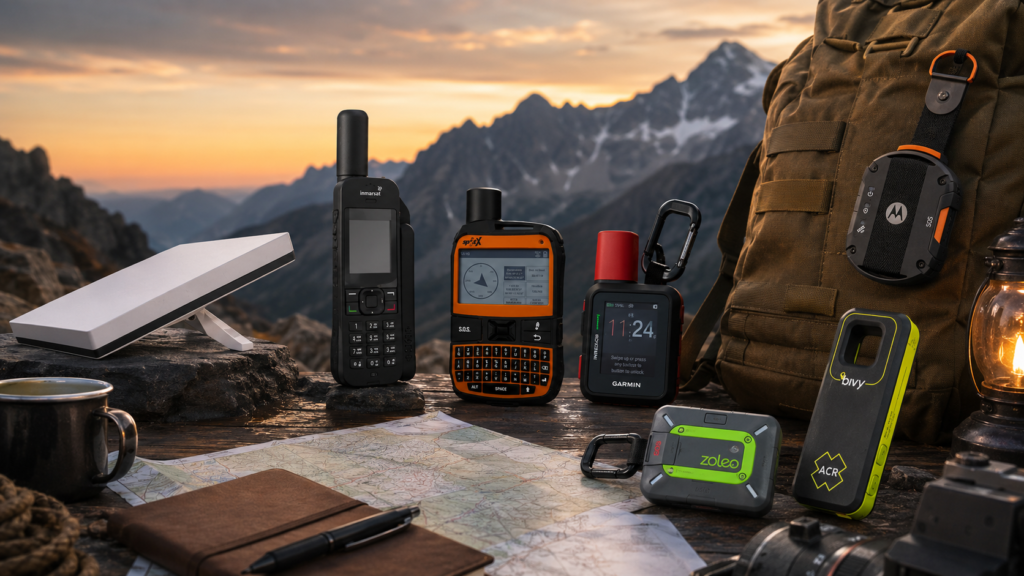
Amazon Affiliate Disclosure: Schopping.com may earn a commission when you buy through qualifying links on this page. This does not increase your price. Our goal is to help readers compare outdoor tech, camping gadgets, off-grid power systems, satellite communicators, GPS watches and rugged electronics with practical buying context.
Updated on July, 2026.
This is a comprehensive list of the best satellite communicator devices available on schopping.com in 2026. From professional-grade satellite communicator devices to compact satellite messengers, we analyze the technology through the lens of consumer psychology—addressing the primal need for security, the desire for off-grid autonomy and the technical requirements of modern explorers.
To understand why someone invests in a satellite messenger, one must look beneath the surface of technical specifications. The purchase of a satellite messenger is rarely about getting “outdoor gadgets” itself; it is an investment in psychological safety and risk mitigation.
1. The Assurance of the “Invisible Tether”
For the solo hiker, overlander, or remote worker, the wilderness offers a powerful sense of freedom, but that freedom is often tempered by a primal fear of isolation. A satellite communicator acts as an “invisible tether” to civilization, providing a reliable connection when cellular coverage disappears. Psychologically, this reduces the cognitive load of uncertainty, allowing the adventurer to make clearer decisions, perform more confidently, and experience the environment more deeply. For travelers building a dependable off-grid equipment system, carefully selected outdoor technology and emergency communication gear can provide an additional layer of preparedness.
2. The Social Responsibility of Connectivity
Many buyers of a satellite messenger are not purchasing solely for themselves. They are also buying reassurance for the family members, partners, and friends waiting at home. The check-in feature functions as a psychological safety tool, replacing potentially stressful silence with structured, rhythmic confirmation that the traveler remains safe and on schedule.
This dependable pattern of communication can be especially valuable during multi-day hikes, remote road trips, hunting expeditions, and backcountry work assignments where ordinary phone service may be unavailable for extended periods.
3. The “Prepper” and Autonomy Mindset
A growing segment of consumers views a satellite messenger as essential insurance against the failure of terrestrial infrastructure. For these users, the device is more than an outdoor accessory. It represents autonomy, self-reliance, and the ability to retain communication and decision-making power when cellular networks, electricity, or local emergency systems become unreliable.
Within this mindset, a satellite communicator becomes part of a broader preparedness strategy alongside backup power, navigation tools, emergency supplies, and independent communication systems.
Quick Satellite Communication Device Selection Table
| Device or category | Primary capability | Best-suited user | Important limitation |
|---|---|---|---|
| Garmin inReach Mini 3 Plus | Two-way text, voice messages, photo sharing, tracking and interactive SOS | Hikers, climbers and backcountry travelers | Satellite communication requires an active plan |
| ZOLEO | App-based messaging, check-in, location sharing and SOS | Families and frequent off-grid messengers | Smartphone is needed for custom message composition |
| SPOT X | Standalone two-way messaging with physical keyboard | Overlanders and users wanting phone-independent text | Coverage differs from Iridium-based devices |
| ACR Bivy Stick | Smartphone-linked text, tracking, weather and SOS | Lightweight hikers, boaters and occasional adventurers | Most communication is app-dependent |
| Motorola Defy Satellite Link | Smartphone-based two-way satellite messaging | Casual outdoor users and emergency backup buyers | Requires a compatible phone, app and active service |
| Thuraya XT-PRO Dual | Satellite voice, cellular connectivity and SMS | Professionals moving between cities and remote regions | Thuraya does not cover the entire world |
| IsatPhone 2.1 | Satellite voice, SMS, GPS tracking and assistance | Remote worksites, maritime users and international teams | Near-global rather than polar coverage |
| Starlink Mini | Portable broadband internet and Wi-Fi | Remote workers, campers and digital nomads | Requires substantially more power and is not a dedicated SOS device |
Garmin’s Mini 3 Plus supports two-way messaging, interactive SOS, location sharing and richer voice and photo communication; ZOLEO operates through Iridium and provides check-in and SOS functions; SPOT X offers standalone messaging over Globalstar; and the current Bivy Stick uses Iridium for messaging, tracking and SOS.
Bullitt currently identifies the Motorola Defy Satellite Link as a compatible satellite-messaging device. Viasat positions IsatPhone 2 as a rugged voice-and-text satellite phone with up to 99.9% coverage outside the most polar regions, while Starlink describes Mini as a backpack-portable, low-power internet terminal with built-in Wi-Fi.
Professional Satellite Phone Devices (Voice & Data)
For users who require more than just text, satellite phones provide the familiar comfort of voice communication. These are the gold standard for maritime use, remote job sites, and international travel in unstable regions.
Thuraya XT-PRO Dual Satellite Phone
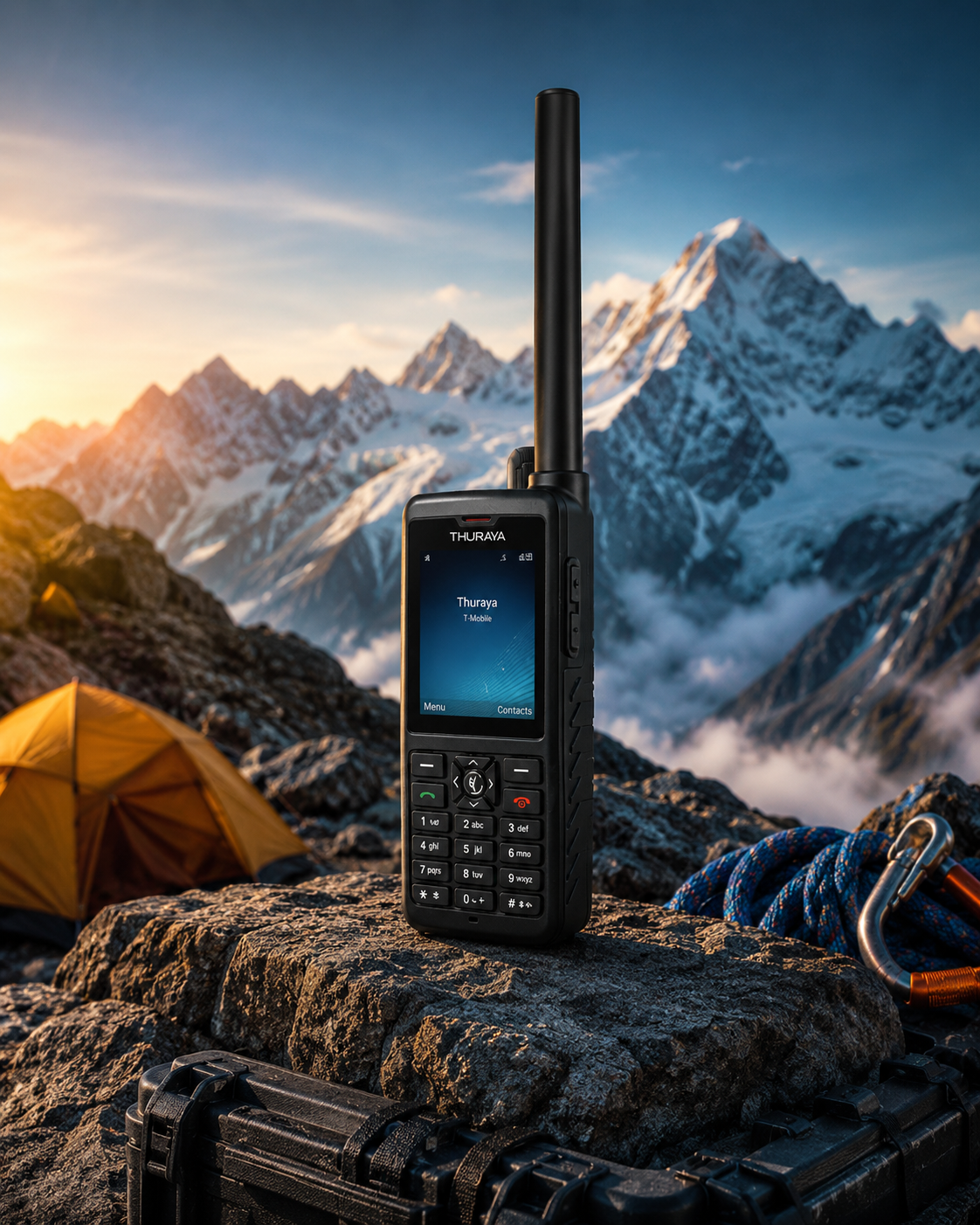
The Thuraya XT-PRO Dual is a marvel of “Always-on” connectivity. It is the world’s first phone to combine dual-mode and dual-SIM capabilities. This means you can have a standard GSM (cellular) SIM and a satellite SIM active simultaneously.

- FLEXIBLE AIRTIME OPTIONS – The Thuraya XT-PRO Dual phone does not include a SIM card. Before using your Thuraya XT-PRO D…
- RUGGED & DURABLE – The Thuraya XT-PRO Dual is a tough, military-grade satellite phone designed to withstand extreme cond…
- LONG BATTERY LIFE – Enjoy up to 9 hours of talk time and 100 hours of standby, ensuring reliable communication during ex…
- Appeal: It appeals to the “Transitioner”—someone who moves frequently between urban environments and remote wilds. You never have to choose between your local number and your satellite link.
- Technical Edge: It features a dedicated SOS button that works even if the phone is powered off. With a talk time of up to 11 hours, it provides the longest battery life in the satellite phone market. The Gorilla® glass display is specifically treated for high-glare environments, ensuring you can read your coordinates in the harshest desert sun.
- Best For: Professional explorers, NGO workers, and journalists who cannot afford a single minute of “dark time.”
BlueCosmo Inmarsat IsatPhone 2.1 Kit
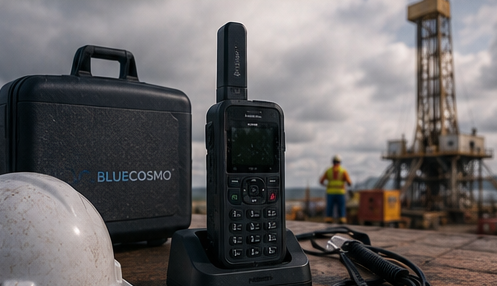
The BlueCosmo Inmarsat IsatPhone 2.1 is built for the “Traditionalist” who demands reliability above all else. Operating on the Inmarsat-4 global geostationary satellite network, it offers 99.9% network availability.

- Global Coverage: No Roaming Charges – Make and receive voice calls, SMS, track your position with GPS from anywhere on t…
- Complete Kit: Includes Inmarsat IsatPhone 2.1 satellite phone handset, Lithium-ion battery, International AC wall charge…
- Durable Design: Withstands dirt, dust and jets of water from every direction; IK04 shock resistance rating and an ingres…
- Key Features: This kit is “unlocked,” allowing for flexible prepaid or monthly plans. It supports high-quality voice, SMS, and GPS tracking. The “Assistance” button sends your GPS data to a pre-set emergency contact instantly.
- Durability: Rated IP65 and IK04, it is dust, splash, and shock-resistant. It can operate in temperatures as low as -20°C and as high as +55°C.
- Why It Works: The fast network registration (under 45 seconds) is a critical psychological factor during an emergency. Knowing that you can be “online” in less than a minute provides immense peace of mind.
Dedicated Satellite Messenger Devices
The satellite messenger category has exploded in popularity due to its portability and lower subscription costs. These devices are designed to pair with your smartphone, turning your mobile device into a global communication hub.
Spot X with Bluetooth 2-Way Satellite Messenger
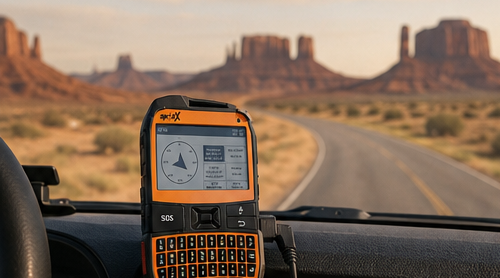
The Spot X stands out because it features a physical QWERTY keyboard. While most devices require a phone to type, the Spot X allows for standalone 2-way messaging.

- SYNC WITH BLUETOOTH: Connect to SpotX to cellphone so you can communicate with family or even search and rescue; Use as …
- PEACE OF MIND: Send S.O.S. to 24/7 Search & Rescue service, message back and forth about the nature of your emergency, r…
- GLOBALSTAR SATELLITE & SPOT products use GPS to determine location and transmit GPS coordinates to others; SPOT users ca…
- The User Experience: The inclusion of Bluetooth allows you to pair it with the SPOT X app, but the device’s true value lies in its independence. If your phone dies or breaks, the Spot X remains a fully functional satellite messenger.
- Network: It runs on the Globalstar satellite network and includes S.O.V. (Save Our Vehicle) services, making it a favorite for off-roaders and overlanders.
- Subscription: Offers flexible monthly plans, which is perfect for seasonal hikers.
Best Satellite Communicator Devices
These are the “set it and forget it” devices. They are small, lightweight, and rely heavily on smartphone integration.
ZOLEO Satellite Communicator
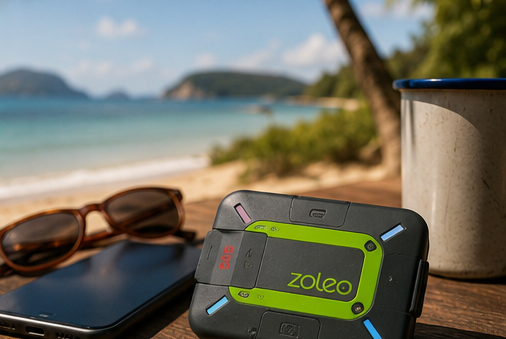
The ZOLEO Satellite Communicator is the “Social Butterfly” of the group. Its greatest psychological advantage is the Dedicated Permanent Phone Number.

- Global satellite messaging: Stay connected beyond cell coverage, use ZOLEO with your smartphone to transmit text message…
- Emergency SOS: Send an SOS alert with your GPS location to 24/7 emergency monitoring center if something goes wrong, or …
- Optional Travel Risk Management Coverage: Feel more secure wherever you go with a Field Rescue Membership from Global Re…
- Seamless Messaging: ZOLEO is unique because it switches automatically between Satellite, Cellular, and Wi-Fi. It uses the Iridium network when you’re off-grid but moves to cheaper data when available.
- User Psychology: Because your number never changes, your family doesn’t have to wonder if a “random” number is you. This creates a more natural, less “emergency-focused” communication style.
- Safety Features: Includes a dedicated SOS button and a “Check-in” button that works directly on the device.
Garmin inReach Mini 3 Plus Satellite Communicator
The Garmin inReach Mini 3 Plus is a premium satellite communicator built for hikers, overlanders, climbers, and remote travelers who need reliable communication beyond cellular coverage. Its color touchscreen makes navigation, messaging, and device control more intuitive, offering a major usability upgrade over earlier inReach Mini models.
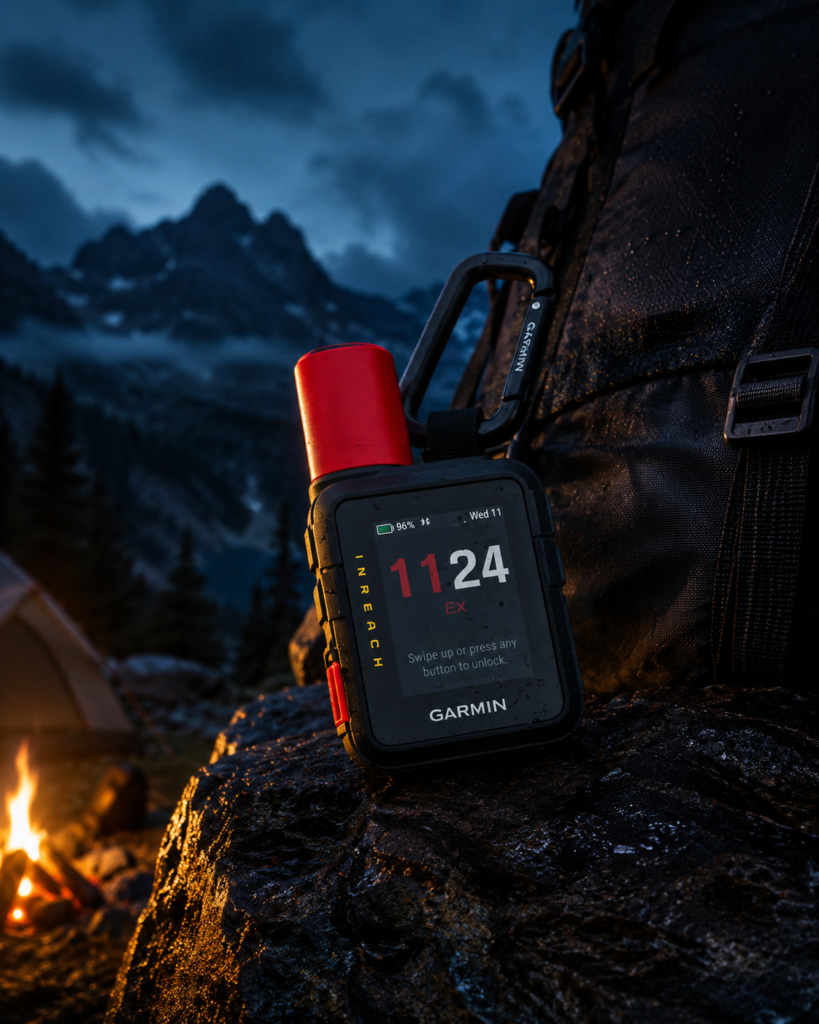

- Stay Connected with Preset Messages: Easily check in with friends and family using preset phrases that don’t count towar…
- Send Custom Messages: When you need to share more details, send custom text messages directly from your device
- Optimized Messaging with Garmin Messenger: Pair the device with the Garmin Messenger app on your compatible smartphone f…
- Extended Battery Performance: With up to 350 hours of battery life in 10-minute tracking mode, the inReach Mini 3 Plus is designed for multi-day expeditions, thru-hikes, remote camping trips, and extended backcountry travel.
- Global Satellite Connectivity: Powered by the Iridium satellite network, it provides dependable two-way messaging, location sharing, tracking, weather updates, and SOS communication across remote regions worldwide.
- Rugged Adventure-Ready Construction: The impact-resistant, weather-ready design is engineered to withstand demanding outdoor environments, accidental drops, rough terrain, and changing conditions that could easily damage a standard smartphone.
Essential Accessories for Garmin inReach Mini 3 Plus
Protecting your investment in a satellite messenger is as important as the device itself.
- Aenllosi Hard Case: Essential for protecting the screen and antenna during transport in a crowded backpack.
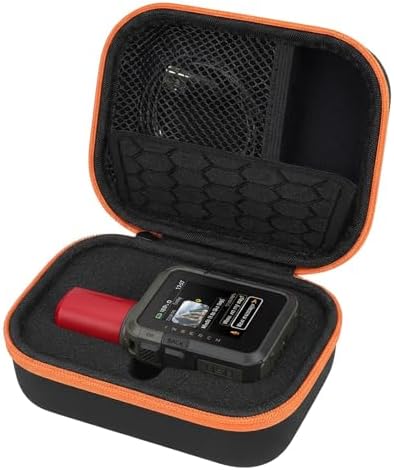
- Tailored Design for Garmin inReach Mini 3 Plus: This protective hard case is exclusively designed for Garmin inReach Min…
- Superior Rugged Protection with Splash-Resistant and Shockproof Defense: Crafted from high-quality, tough material, this…
- Secure Fit and Intelligent Organization with Foam Tray and Mesh Pocket: Features a precise sponge inner tray that ensure…
- Garmin Backpack Tether: A “safety net” that keeps the device accessible on your shoulder strap for quick SOS access while ensuring it cannot be lost.

- Compatible with multiple Oregon, Alpha, inReach, GPSMAP, and eTrex devices.
- Durable nylon harness wrap
- 2-Inch – 14-Inch adjustable strap
- Garmin inReach Mini 3 Plus Silicone Protective Case: Built with durable silicone, impact-resistant material to protect your device from bumps, drops and rough terrain. while also being dirtproof and dustproof, providing complete protection for your equipment.
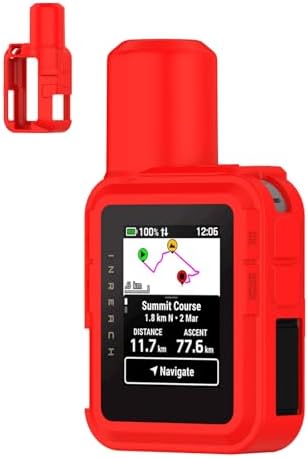
- Compatibility – Designed specifically for Garmin inReach Mini 3 Plus. Please confirm your device model to ensure an exac…
- Rugged Shockproof – Built with durable silicone, impact-resistant material to protect your equipment from drops, bumps, …
- Lightweight Easy – Slim and lightweight, easy to hold and carry without adding bulk. The anti-slip surface delivers a se…
Budget & Niche Communicators
ACR Bivy Stick Satellite Communicator
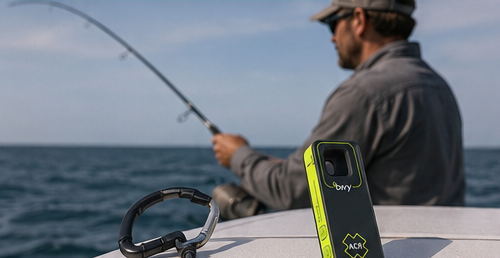
The ACR Bivy Stick is one of the most compact and simple devices on the market. It offers a “no-contract” model that appeals to the occasional adventurer.
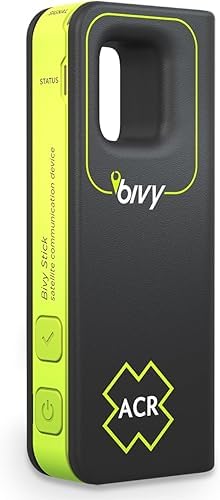
- Global Iridium Satellite Coverage: Stay connected anywhere on Earth with 100% global Iridium satellite coverage for two-…
- 24/7 Emergency SOS Monitoring with Global Rescue: Feel confident wherever you go with Global Rescue’s 24/7 SOS monitorin…
- Dedicated Phone Number and Email: Each Bivy Stick comes with a dedicated SMS phone number and email address upon activat…
- The Benefit: It turns any smartphone into a satellite messenger. It’s incredibly light (3.5 oz) and offers a very simple interface.
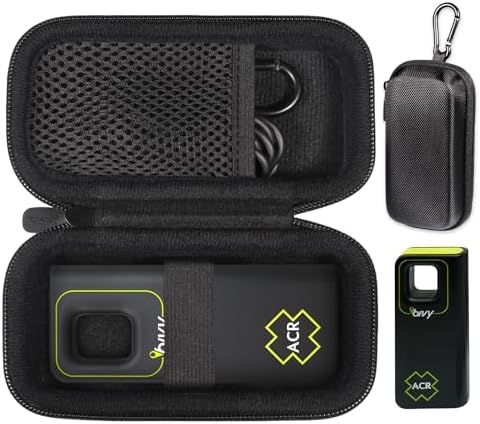
- Perfectly for ACR Bivy Stick Satellite Communicator – Global Two-Way SMS Text Messaging
- Featured Design: Strong compact light weight case to keep GPS and other accessories well organized and protected; good f…
- Assured Protection: Semi-hard carrying case protecting Satellite Communicator from shock, shake, scratch. PEVA materials…
- CaseSack Accessory: We recommend the custom CaseSack to keep the Bivy Stick protected from the elements.
Motorola Defy Satellite Link
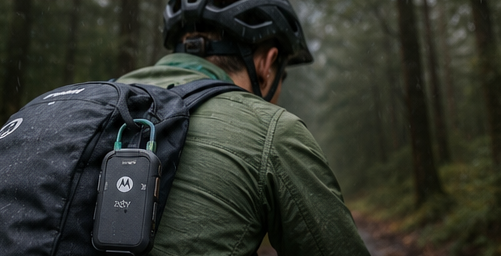
The Motorola Defy is the “Entry-Level” hero. It is a rugged Bluetooth puck that provides 2-way satellite messaging for a fraction of the price of a full handheld.

- Service plans required – as low as $19.99 per month for SOS satellite assist
- The “Everyday” User: This is for the person who usually stays on the trail but wants a “Just in Case” backup. It’s IP68 rated and Mil-Spec tough.
The High-Speed Frontier
SpaceX Starlink Mini Portable Gen4

While technically a satellite internet kit, the Starlink Mini is the ultimate satellite communicator for the modern digital nomad.
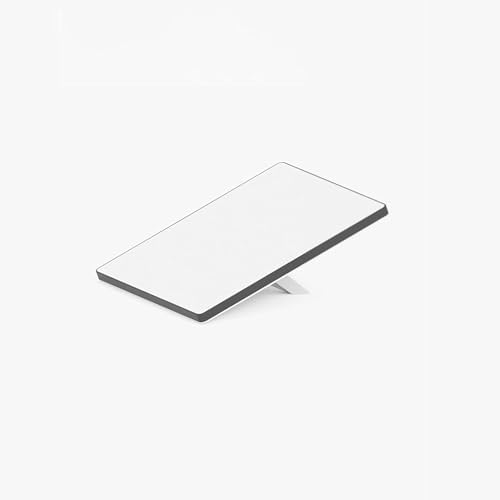
- PORTABLE DESIGN: Compact and lightweight satellite internet kit designed for easy transportation and setup, perfect for …
- HIGH-SPEED CONNECTIVITY: Fourth generation technology delivers enhanced download and upload speeds through advanced sate…
- VERSATILE MOUNTING: Includes adjustable stand for optimal positioning and satellite signal reception in various location…
- Speed & Capability: Unlike the text-based messengers, this provides high-speed, low-latency internet. You can stream video, take Zoom calls, and upload large files from the middle of the wilderness.
- Portability: The Gen4 Mini is designed to fit in a backpack and consumes significantly less power than the standard Starlink dish.
- Psychological Shift: This device moves the consumer from “Survival Communication” to “Off-Grid Living.” It removes the barrier between the office and the outdoors.
Editorial Verdict: Which Satellite Communicator Is Best?
The best satellite communicator is not simply the device with the longest feature list. It is the one that matches how far you travel, how often you leave cellular coverage and what type of communication you may realistically need when conditions deteriorate.
For most hikers, backpackers, climbers and remote travelers, the Garmin inReach Mini 3 Plus is the strongest all-around choice in this comparison. It combines portable satellite communication, two-way messaging, location sharing, tracking and emergency support in a rugged format designed for demanding outdoor use. Its appeal lies in balance: it is small enough to remain attached to a backpack, yet capable enough to serve as a primary off-grid safety device rather than an accessory that stays buried in a pack.
The ZOLEO Satellite Communicator is the better fit for users who prioritize simple, familiar messaging with family and friends. Its dedicated contact identity and automatic switching between satellite, cellular and Wi-Fi communication make it especially practical for regular check-ins. It feels less like specialized expedition equipment and more like a dependable bridge between everyday messaging and off-grid connectivity.
For travelers who do not want to depend heavily on a smartphone, the SPOT X remains one of the more distinctive options because of its physical keyboard and standalone two-way messaging. That independence can matter when a phone is discharged, damaged or inaccessible. It is particularly relevant for overlanding, off-road travel and seasonal outdoor users who value direct device control.
The ACR Bivy Stick is an attractive compact option for occasional adventurers, boaters and lightweight travelers who want smartphone-based satellite messaging without carrying a larger handheld communicator. The Motorola Defy Satellite Link is positioned even more clearly as an entry-level backup for people who generally remain near established routes but want an additional communication layer when mobile service disappears.
Professional users should look beyond compact messengers. The BlueCosmo Inmarsat IsatPhone 2.1 Kit is better suited to maritime operations, isolated worksites, international field teams and users who need actual satellite voice communication. The Thuraya XT-PRO Dual is compelling for professionals who regularly transition between cellular and satellite coverage, although network availability should always be checked against the countries and regions in which it will be used.
The Starlink Mini belongs in a different category. It is the strongest option here for portable satellite internet, remote work, cloud access, video calls and off-grid digital living. It should not, however, be treated as a direct replacement for a lightweight emergency satellite messenger. It requires more power, more setup and a wider operational footprint. For serious remote travel, the most resilient system may be a Starlink Mini for connectivity combined with a dedicated satellite communicator for tracking, messaging and emergency use.
Our Final Recommendations
| User type | Editorial pick | Why it stands out |
|---|---|---|
| Best overall satellite communicator | Garmin inReach Mini 3 Plus | Strong balance of portability, messaging, tracking and emergency communication |
| Best for family messaging | ZOLEO | Simple check-ins and seamless switching between available networks |
| Best standalone satellite messenger | SPOT X | Physical keyboard and reduced dependence on a smartphone |
| Best compact budget-oriented option | ACR Bivy Stick | Lightweight smartphone-linked communication for occasional adventures |
| Best entry-level emergency backup | Motorola Defy Satellite Link | Compact design for casual hikers and travelers |
| Best satellite phone | BlueCosmo Inmarsat IsatPhone 2.1 Kit | Voice communication for remote professional and maritime use |
| Best for cellular-to-satellite transitions | Thuraya XT-PRO Dual | Dual-mode communication for supported international regions |
| Best portable satellite internet | Starlink Mini | High-bandwidth connectivity for remote work and off-grid living |
Ultimately, the Garmin inReach Mini 3 Plus earns the editorial recommendation as the best satellite communicator for most serious outdoor users. ZOLEO offers the most approachable messaging experience, SPOT X provides meaningful standalone independence, and the IsatPhone 2.1 remains the stronger choice when voice communication is essential. Starlink Mini is the most capable connectivity platform in the group, but it solves a broader internet-access problem rather than the focused safety and communication role of a traditional satellite messenger.
Frequently Asked Questions
What is the best satellite communicator in 2026?
The Garmin inReach Mini 3 Plus is one of the strongest all-around satellite communicator options for serious backcountry travel because it combines two-way texting, interactive SOS, location sharing, a color touchscreen, voice messages and photo sharing. ZOLEO may be better for simple family messaging, while SPOT X suits users who want a physical keyboard and standalone operation.
What is the best satellite communicator for hiking and backpacking?
The Garmin inReach Mini 3 Plus is a leading satellite communicator for hiking, backpacking and thru-hiking because it is compact, rugged and usable without relying entirely on a smartphone. Its battery can last up to 350 hours in low-power messaging mode with a 10-minute tracking interval under specified conditions.
Garmin inReach Mini 3 Plus vs ZOLEO: which is better?
Choose the Garmin inReach Mini 3 Plus for standalone controls, richer messaging, navigation support and a more complete premium backcountry tool. Choose ZOLEO for straightforward app-based messaging, a dedicated SMS number and email address, automatic switching among Wi-Fi, cellular and Iridium, and easy check-ins for family members.
What is the best budget satellite communicator?
The best budget satellite communicator depends on hardware price, subscription terms and regional availability. The Motorola Defy Satellite Link targets affordable smartphone-based messaging, while the ACR Bivy Stick provides Iridium messaging, location tracking, weather information and an on-device SOS button in a compact format. Compare the complete first-year cost rather than the device price alone.
What is the best satellite communicator for overlanding?
The SPOT X is particularly relevant for overlanding because it can send and receive messages as a standalone device, includes a physical keyboard and supports tracking intervals and waypoint navigation. Garmin inReach is a stronger alternative when global Iridium coverage and a broader communication ecosystem are priorities.
What is the best satellite phone for international travel?
The IsatPhone 2.1 is a strong satellite phone for broad international travel because it supports voice, SMS, GPS functions and near-global service outside the most polar regions. The Thuraya XT-PRO Dual is better for travelers moving between cellular and satellite coverage within Thuraya-supported areas across Europe, Africa, Asia, Australia and the Middle East.
What is the best satellite communicator for offshore fishing and boating?
For offshore voice communication, the IsatPhone 2.1 is more capable than a text-only messenger. For lightweight two-way messaging, tracking and SOS support, ZOLEO or the ACR Bivy Stick may be easier to carry, but users must confirm the network’s coverage for their exact route and distance offshore.
Satellite phone vs satellite messenger: which should you buy?
Buy a satellite phone when real-time voice calls are necessary for remote work, maritime operations, journalism or emergency coordination. Buy a satellite messenger when you primarily need two-way texts, check-ins, location sharing, tracking and interactive SOS in a smaller, lighter and usually less expensive device.
Starlink Mini vs satellite messenger: what is the difference?
Starlink Mini provides portable broadband for email, video calls, cloud work and general internet use. A satellite messenger is a smaller safety-focused device built around two-way messaging, tracking and SOS; it normally consumes much less power and is more practical to keep attached to a backpack. Starlink Mini should supplement rather than automatically replace an emergency communicator.
Do satellite communicators require a subscription?
Most commercial two-way satellite communicators require an active subscription for satellite messages, tracking and SOS coordination. Garmin, SPOT, ZOLEO, Bivy Stick and Bullitt offer different plan structures, so buyers should compare activation fees, message allowances, suspension terms and annual costs before choosing a device.
Satellite Communicator Feature Chart
| Product | Two-way text | Standalone SOS | Voice calls | Rich media | Portable internet |
|---|---|---|---|---|---|
| Garmin inReach Mini 3 Plus | Yes | Yes | No | Voice and photos | No |
| ZOLEO | Yes | Yes | No | No | No |
| SPOT X | Yes | Yes | No | No | No |
| ACR Bivy Stick | Yes | Yes | No | No | No |
| Motorola Defy Satellite Link | Yes | Yes | No | No | No |
| Thuraya XT-PRO Dual | SMS | Yes | Yes | No | Limited data |
| IsatPhone 2.1 | SMS | Assistance function | Yes | No | No |
| Starlink Mini | Through internet apps | No dedicated SOS | Through internet apps | Yes | Yes |
“Voice messages” on the Garmin inReach Mini 3 Plus are recorded messages, not live satellite telephone calls. Sending photos through Garmin requires the compatible Garmin Messenger smartphone app, while Starlink Mini depends on internet-based communication apps rather than a dedicated emergency response workflow.
People Also Ask
How does a satellite communicator work?
A satellite communicator sends a message or location through an orbiting satellite network instead of a terrestrial cell tower. The network forwards the data to a recipient, monitoring center or emergency-response service, allowing communication beyond conventional mobile coverage when the device has a suitable view of the sky.
Can a satellite communicator work anywhere?
Not every satellite communicator works everywhere. Iridium-based products provide broad global coverage, while Globalstar, Thuraya, Bullitt/Skylo and Starlink have different geographic, regulatory and service-plan limits. Always check the official coverage map for every country and route before departure.
Can you text without cell service using a satellite communicator?
Yes. A two-way satellite communicator can send and receive text messages without cellular service by routing them over a satellite network. Some products allow direct device typing, while smaller communicators require a paired smartphone only as the interface—the message itself still travels by satellite.
What happens when you press SOS on a satellite communicator?
Pressing SOS generally transmits the user’s location and opens communication with a staffed emergency coordination center. The center can collect details, contact local responders and continue exchanging updates, but the device must be activated correctly, have an eligible service plan and establish satellite connectivity.
Does a satellite communicator need a clear view of the sky?
A satellite communicator performs best outdoors with a wide, unobstructed view of the sky. Dense forests, deep canyons, buildings, rock walls and incorrect antenna orientation can delay or prevent message transmission, so users should move to a more open location when safe to do so.
Is a satellite communicator better than a personal locator beacon?
A satellite communicator is better for two-way messaging, check-ins, tracking and discussing an emergency with rescuers. A personal locator beacon, or PLB, is better for users who want a dedicated one-way 406 MHz distress beacon without subscription fees; in the United States, PLBs must be registered with NOAA.
How much does a satellite communicator subscription cost?
Satellite communicator subscription costs vary by provider, message allowance and tracking features. For example, Bullitt currently advertises a $9.99 monthly plan under a 12-month contract, while Garmin, ZOLEO and SPOT use their own tiered or flexible plans. Prices, activation fees and plan conditions can change, so the article should avoid presenting one permanent universal monthly cost.
Can you use a satellite communicator internationally?
Many satellite communicators can be used internationally, but coverage and legality differ by country. Some jurisdictions regulate, restrict or prohibit satellite communication equipment, and Starlink or satellite-phone plans may have regional-use limits, so travelers should verify network coverage, service eligibility and local rules before crossing borders.
Can a satellite communicator replace a GPS navigation device?
A satellite communicator can provide coordinates, location sharing and basic tracking, but it may not replace a full mapping GPS. Users navigating complex routes should carry offline maps, a compatible navigation app or a dedicated GPS device, plus a paper map and compass as non-electronic backups.
Is Garmin inReach worth it for solo hikers?
Garmin inReach can be worthwhile for solo hikers who frequently enter areas without dependable cell coverage and value two-way messaging, tracking and interactive SOS. Its main trade-offs are the hardware cost, subscription expense and the need to keep the device charged, activated and positioned where it can communicate with satellites.