Affiliate Disclosure:
Some links on this page may be affiliate links. Schopping may earn a commission if you purchase through selected recommendations at no additional cost to you.
Quick Jump
| Creator Need | Click to Jump |
|---|---|
| YouTube videos | Jump |
| TikTok & short-form content | Jump |
| Streaming & gaming | Jump |
| Podcast production | Jump |
| Budget creator setup | Jump |
| Drone cinematography | Jump |
| Creator lighting | Jump |
| Creator microphones | Jump |
| Editing & color grading | Jump |
| Travel creator setup | Jump |
The New Era of Creator Gear
The creator economy no longer revolves around a single camera and a tripod. Modern creator gear has evolved into a complete production ecosystem involving cameras, drones, microphones, streaming hardware, lighting systems, editing monitors, acoustics, AI-enhanced workflows, stabilization technology, and creator-focused accessories.
A decade ago, high-production content required a studio budget. In 2026, a solo creator can build a cinematic setup from a bedroom, café corner, co-working space, or travel backpack.
The explosive rise of YouTube creators, TikTok filmmakers, livestreamers, educators, podcasters, and independent media brands has transformed creator gear into one of the fastest-growing technology segments online.
Whether you are launching a faceless YouTube channel, building a podcast studio, producing drone cinematography, or upgrading a professional streaming environment, this guide organizes the entire creator gear landscape into one structured resource.
For broader technology buying recommendations, explore the complete online shopping experience at Schopping.
What This Creator Gear Guide Covers
This page acts as the central hub for:
- Cameras for creators
- Creator microphones
- Streaming setups
- Podcast equipment
- Lighting systems
- Drones for creators
- Editing monitors
- Creator accessories
- Budget creator setups
- Creator buying guides
- Setup optimization tutorials
The goal is not simply to list products. This guide helps creators understand:
- Which gear actually improves content quality
- Which upgrades matter most
- Which technologies are becoming obsolete
- How creator setups differ by platform
- How to scale from beginner to professional production
Who Needs Creator Gear?
YouTube Creators
Long-form creators require:
- reliable autofocus
- strong low-light performance
- clean audio
- long battery life
- efficient editing workflows
Explore our recommendation on the Best Camera for YouTube
Streamers & Gaming Creators
Live creators prioritize:
- webcams
- low-latency microphones
- streaming interfaces
- multi-monitor setups
- lighting balance
- room acoustics
Explore our best ever guides and product selections:
- Best Webcam for Streaming
- Best Streaming Setup
- Best Streaming Accessories
TikTok & Short-Form Creators
Short-form creators benefit from:
- compact cameras
- vertical framing tools
- mobile creator accessories
- lightweight stabilization
- portable lighting
Checkout our Best Camera for TikTok page
Podcasters & Voice Creators
Audio-first creators require:
- dynamic microphones
- acoustic treatment
- mixer interfaces
- isolation techniques
- room correction
Explore detailed setup guides:
- Best Podcast Setup
- Podcast Room Acoustics Guide
Drone Cinematographers
Aerial creators need:
- stabilization systems
- wind resistance
- intelligent tracking
- cinematic codecs
- compact travel designs
Recommended guides and picks:
- Best Photography Drones
- Drone Camera Guide
- How Drone Stabilization Works
Why Creator Gear Matters More Than Ever
Audience Expectations Changed
Modern viewers instantly recognize:
- poor lighting
- weak audio
- soft focus
- unstable footage
- compressed visuals
Production quality directly affects:
- watch time
- retention
- trust
- perceived authority
- conversion rates
Even educational or commentary channels now compete visually against cinematic creator ecosystems.
Platforms Reward Better Production
High-quality production often improves:
- thumbnail CTR
- session duration
- audience retention
- sponsorship potential
- algorithmic visibility
This is especially true for:
- YouTube
- Twitch
- TikTok
- Instagram Reels
- Podcasts with video integration
Cameras for Content Creators
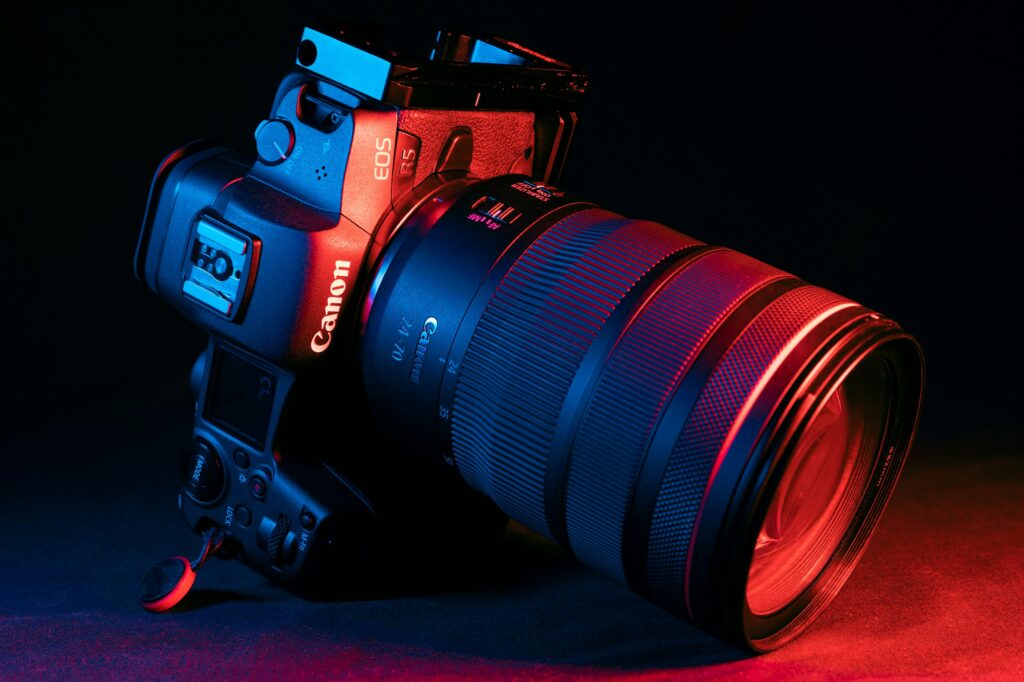
Cameras for content creators have become one of the most important categories inside modern creator gear because visual content now drives YouTube channels, TikTok videos, Instagram Reels, product reviews, online courses, podcasts, brand campaigns, affiliate websites and professional social media production. A creator camera is no longer judged only by megapixels. The best camera for content creators must balance video quality, autofocus, stabilization, low-light performance, lens flexibility, portability, color science, audio support and workflow speed.
For Schopping.com’s Creator Gear section, cameras should be treated as the central production tool. Whether someone is a solo YouTuber, travel vlogger, product reviewer, fashion creator, podcast host, filmmaker, photographer, online educator or commercial content producer, the camera defines how polished the final content feels. A smartphone may be enough for casual posting, but serious creators eventually look for mirrorless cameras, vlogging cameras, full-frame cameras, compact cameras, cinema cameras and professional digital cameras that give them better depth, cleaner video, stronger dynamic range and more control over the image.
Modern creator workflows usually demand a camera that can handle both photography and video. A creator may need to shoot a product thumbnail in the morning, record a talking-head video in the afternoon, capture vertical short-form content for social media, and film B-roll for a review or brand campaign in the evening. That is why hybrid cameras have become so powerful. They allow creators to produce professional-looking content without building a full cinema rig.
For readers exploring the wider equipment ecosystem, cameras sit at the heart of creator gear, alongside microphones, tripods, gimbals, lighting kits, drones, smart glasses, editing tools and portable production accessories. A strong camera setup makes every other tool more useful because it raises the quality of the visual foundation.
Mirrorless Cameras for Content Creators
Mirrorless cameras dominate modern creator workflows because they deliver the strongest balance of image quality, video performance, portability and lens flexibility. For most YouTubers, vloggers, photographers, influencers and online business owners, a mirrorless camera is the best long-term upgrade from a smartphone or basic point-and-shoot camera.
Unlike older DSLR cameras, mirrorless cameras use electronic viewfinders and advanced on-sensor autofocus systems. This makes them faster, smaller and more adaptable for modern video creation. Creators can preview exposure, color, depth of field and focus in real time, which is extremely useful when filming alone or working quickly.
Mirrorless systems are especially popular among people looking for best camera for content creators, best digital camera for creators, best mirrorless camera for video, best camera for YouTube, best camera for vlogging, best camera for photography and video, 4K mirrorless camera, full-frame mirrorless camera, camera for beginners, professional camera for content creators and best camera for social media videos.
If you want a deeper buying guide, explore our complete resource on the best digital camera for creators, where we compare camera types, creator use cases, video features and professional buying considerations.
Why Mirrorless Cameras Are Best for Modern Creators
Mirrorless cameras are powerful because they give creators a professional image without making the setup unnecessarily large. A good mirrorless camera can be used for YouTube videos, Reels, TikTok content, product photography, podcast video, travel vlogging, fashion shoots, food content, event coverage and commercial campaigns.
They usually provide:
- Superior autofocus for face, eye, animal, vehicle and product tracking
- Compact camera bodies for travel, handheld shooting and everyday carry
- Interchangeable lenses for portraits, wide-angle vlogging, macro shots and cinematic B-roll
- Strong 4K and 6K video features for professional production
- Advanced in-body image stabilization for handheld filming
- Better low-light performance than most smartphones and compact cameras
- Clean HDMI output for livestreaming and studio setups
- External microphone support for better audio quality
- Flip screens or articulating displays for solo creators
- LOG profiles for color grading and cinematic workflows
For creators, autofocus is one of the most important features. A camera may have excellent image quality, but if it loses focus during a talking-head video, product demonstration or walking vlog, the content immediately feels less professional. Modern mirrorless cameras solve this with AI subject tracking, eye detection and touch-to-focus controls.
Mirrorless vs DSLR for Content Creation
Many creators still compare mirrorless vs DSLR cameras, especially if they are upgrading from older photography gear. DSLR cameras can still produce excellent photos, but mirrorless cameras are usually better for modern content creation because they are more video-focused, lighter, faster and better suited to hybrid workflows.
A DSLR may be suitable for studio photography, portraits or occasional video, but a mirrorless camera is usually better for YouTube, vlogging, product reviews, short-form video, travel content and social media production. Mirrorless cameras also give creators access to newer lens systems, better autofocus algorithms and stronger video codecs.
For most new creators, the better investment is a mirrorless camera because it supports the direction content creation is moving: faster publishing, sharper autofocus, higher video resolution, better stabilization and more flexible production formats.
Best Mirrorless Camera Features for Creators
When choosing a mirrorless camera for content creation, look beyond megapixels. A creator camera should make production easier, not only produce a technically sharp file.
Important features include:
- 4K video at 24fps, 30fps or 60fps
- 10-bit color if you plan to color grade
- Reliable face and eye autofocus
- Product showcase autofocus for review videos
- In-body image stabilization
- Fully articulating screen
- Good battery life or USB-C power support
- Microphone input and headphone jack
- Weather sealing for outdoor creators
- Lightweight lens options
- Vertical video support or easy cropping for social media
- Fast file transfer for mobile editing workflows
A creator filming product reviews may prioritize autofocus and close-focus lenses. A travel vlogger may prioritize stabilization, compact size and battery life. A filmmaker may prioritize dynamic range, LOG recording and lens choice. A beauty creator may prioritize skin tones, color science and a flip screen. A podcaster may prioritize clean HDMI, long recording times and audio monitoring.
Best Uses for Mirrorless Cameras
Mirrorless cameras are ideal for:
- YouTube videos
- Vlogging
- TikTok and Instagram Reels
- Product reviews
- Affiliate website photography
- Online courses
- Podcast video recording
- Travel content
- Fashion and beauty content
- Food photography
- Real estate video
- Commercial brand content
- Interviews and talking-head videos
- Short films and cinematic B-roll
For Schopping.com, this category can become a strong SEO cluster because creator camera intent is broad, commercial and evergreen.
Best Camera for Content Creators
The best camera for content creators depends on what type of content the creator produces. A YouTuber recording studio videos may need a different camera than a travel vlogger, photographer, podcast host or commercial filmmaker. The strongest creator camera is the one that matches the workflow.
A good camera for content creators should answer these questions:
- Will it stay focused on my face while I move?
- Can it shoot sharp video in indoor lighting?
- Does it have a flip screen for self-recording?
- Can I connect a microphone?
- Is it light enough for handheld shooting?
- Can I change lenses as my content improves?
- Does it support 4K or higher video?
- Will it work for both photos and videos?
- Can I use it for product shots, thumbnails and social media clips?
- Is the workflow fast enough for regular publishing?
For beginner creators, an APS-C mirrorless camera or compact vlogging camera may be enough. For serious YouTubers, a full-frame mirrorless camera gives stronger depth of field and low-light performance. For filmmakers and commercial creators, cinema-oriented cameras provide better codecs, dynamic range and color grading flexibility.
Best Camera Types by Creator
| Creator Type | Best Camera Type | Why It Works |
|---|---|---|
| Beginner YouTuber | APS-C mirrorless camera | Affordable, sharp, flexible and easy to use |
| Travel Vlogger | Compact mirrorless or vlogging camera | Lightweight, stabilized and portable |
| Product Reviewer | Mirrorless camera with close-focus lens | Strong detail, autofocus and clean product shots |
| Beauty Creator | Mirrorless camera with strong skin tones | Better color, eye autofocus and controlled lighting |
| Podcaster | Mirrorless camera with clean HDMI | Great for long-form studio recording |
| Filmmaker | Full-frame mirrorless or cinema camera | Better dynamic range, LOG video and lens control |
| Photographer-Creator | High-resolution mirrorless camera | Strong stills and video in one body |
| Commercial Creator | Full-frame or medium format camera | Premium detail, color depth and professional image quality |
Best Camera for Vlogging
Vlogging cameras need a slightly different feature set from studio cameras. A vlogging camera must be portable, stable, easy to operate alone and reliable in changing light. Creators filming travel, lifestyle, fitness, food, events or daily content need a camera that can handle movement.
The best camera for vlogging should include:
- Flip screen
- Lightweight body
- Wide-angle lens option
- Strong stabilization
- Reliable face tracking
- Good built-in audio or microphone input
- Fast startup time
- Good battery life
- 4K video recording
- Compact grip-friendly body
For vloggers, stabilization and autofocus are critical. If the image shakes heavily or the camera loses focus while walking, the viewer notices immediately. A good vlogging camera should allow creators to focus on storytelling rather than constantly checking technical settings.
Wide-angle lenses are also important for vlogging because they allow the creator to hold the camera at arm’s length while still capturing the face and background. This is useful for travel vlogs, street content, events, lifestyle videos and behind-the-scenes footage.
Cinema-Oriented Creator Cameras
Professional creators increasingly adopt cinema-oriented cameras because online video quality has risen dramatically. YouTube channels, product review studios, online educators, wedding filmmakers, short-form agencies and commercial creators now expect footage that looks polished, color-rich and cinematic.
Cinema-oriented creator cameras are designed for people who need more than simple 4K recording. They focus on dynamic range, color grading, bitrate, recording formats, heat management, lens control and professional video workflows.
Premium models now blur the line between consumer production and cinema production. A camera that fits in a small creator studio may now offer features that were once reserved for dedicated cinema systems.
Professional creators increasingly look for:
- Full-frame sensors
- 10-bit internal recording
- LOG video profiles
- RAW video workflows
- High dynamic range capture
- Internal stabilization
- AI subject tracking
- Dual card slots
- Long recording times
- Professional audio support
- Waveform and exposure tools
- Advanced codecs
- High frame rate recording
- Better heat management
- External monitor support
Why Full-Frame Cameras Matter for Creators
Full-frame cameras are popular among serious creators because they offer stronger low-light performance, better background separation and a more cinematic look. A full-frame sensor makes it easier to create shallow depth of field, where the subject appears sharp and the background looks soft and professional.
This matters for talking-head videos, interviews, product reviews, fashion content, wedding films, brand campaigns and cinematic B-roll. Full-frame cameras also tend to have stronger lens ecosystems, giving creators more creative control.
LOG Recording and Color Grading
LOG recording is important for creators who want a cinematic look. A LOG profile captures a flatter image with more highlight and shadow information, giving editors more room to color grade. This is useful for creators who want brand-consistent visuals, moody cinematic tones, luxury product footage or professional commercial content.
For casual creators, standard color profiles may be easier. But for serious YouTubers, filmmakers and brand creators, LOG recording becomes a major upgrade.
RAW Workflows for Professional Creators
RAW video workflows are used by advanced creators who want maximum flexibility in post-production. RAW files preserve more image data, allowing deeper adjustment of exposure, color and white balance. This is useful for high-end product videos, commercials, fashion films, music videos and cinematic content.
RAW is not necessary for every creator, but it is valuable for professionals who need the highest level of control.
AI Subject Tracking
AI subject tracking has become one of the biggest improvements in modern creator cameras. Cameras can now recognize eyes, faces, animals, vehicles and sometimes product-like subjects with impressive accuracy. This is especially useful for solo creators who do not have a camera operator.
For product reviewers, AI tracking keeps items sharp during demonstrations. For vloggers, it keeps faces in focus while walking. For educators, it allows movement across a studio set. For filmmakers, it reduces missed shots.
Medium Format Creator Cameras
Medium format creator cameras represent the ultra-premium end of digital imaging. They are not necessary for every creator, but they are extremely attractive to high-end photographers, commercial creators, luxury product shooters, fashion studios, fine-art photographers and creators who want extraordinary detail.
Medium format cameras use larger sensors than full-frame cameras, allowing for exceptional resolution, dynamic range, tonal depth and image texture. This makes them especially valuable for product photography, editorial shoots, fine-art prints, luxury campaigns, fashion photography, jewelry photography, landscape work and commercial visuals where every detail matters.
Ultra-high-end creators exploring commercial photography and cinematic detail increasingly look at:
- Fujifilm GFX systems
- Oversized sensors
- High-resolution stills
- High dynamic range workflows
- Medium format color depth
- Luxury product photography
- Editorial-grade image quality
- Fine-art printing
- Commercial campaign production
- Large-format visual storytelling
For creators working in luxury niches such as watches, jewelry, fashion, cars, interiors, hotels, premium domains, high-end products or editorial photography, medium format creates a visual signature that feels richer and more dimensional than ordinary camera output.
Fujifilm GFX Systems for High-End Creators
Fujifilm GFX cameras have made medium format more accessible to professional creators who want extreme detail without moving into traditional studio-only systems. These cameras are especially interesting for creators who produce photography-led commercial content, high-end product reviews, editorial imagery, landscape work or luxury brand visuals.
The GFX look is known for resolution, tonal depth, dynamic range and a slower, more intentional style of image-making. It is not always the fastest choice for casual vlogging, but for premium photography and cinematic stills, it can be extraordinary.
For a deeper look at this category, read our Fuji GFX100 II Review: Medium Format Powerhouse, where we explore why this camera matters for creators who want commercial-grade detail, medium format depth and high-resolution professional output.
When Medium Format Makes Sense
Medium format cameras make sense when image quality is the main product. If a creator earns through commercial photography, luxury product visuals, fine-art prints, studio campaigns or editorial work, the investment can be justified.
Medium format may be excessive for fast vlogging, casual YouTube videos or daily social media clips. However, for creators building premium visual authority, it can separate their work from ordinary content.
Medium Format vs Full-Frame for Creators
Full-frame mirrorless cameras are better for most hybrid creators because they are faster, more compact and stronger for video. Medium format cameras are better when ultimate detail, tonal richness and premium still-image quality matter more than speed.
| Camera Type | Best For | Main Strength |
|---|---|---|
| APS-C Mirrorless | Beginner creators, vloggers, social media | Affordable and compact |
| Full-Frame Mirrorless | YouTube, filmmaking, photography, commercial content | Strong hybrid photo and video performance |
| Cinema Camera | Filmmakers, studios, video professionals | Professional codecs, dynamic range and video tools |
| Medium Format Camera | Luxury product, fashion, fine art, commercial photography | Extreme resolution, depth and tonal quality |
The best camera for content creators is not always the most expensive camera. It is the camera that fits the creator’s workflow. A beginner creator needs reliability and simplicity. A vlogger needs portability and stabilization. A YouTuber needs autofocus and clean video. A product reviewer needs detail and close-focus performance. A filmmaker needs dynamic range and color control. A commercial photographer may need full-frame or medium format quality.
Mirrorless cameras remain the best starting point for most creators because they combine professional image quality with compact design, interchangeable lenses and strong video features. Cinema-oriented cameras serve creators who want deeper video control. Medium format cameras serve the highest-end visual creators who need extraordinary still-image quality.
For Schopping.com’s Creator Gear section, cameras are not just devices. They are the foundation of visual authority.
Creator Audio Equipment
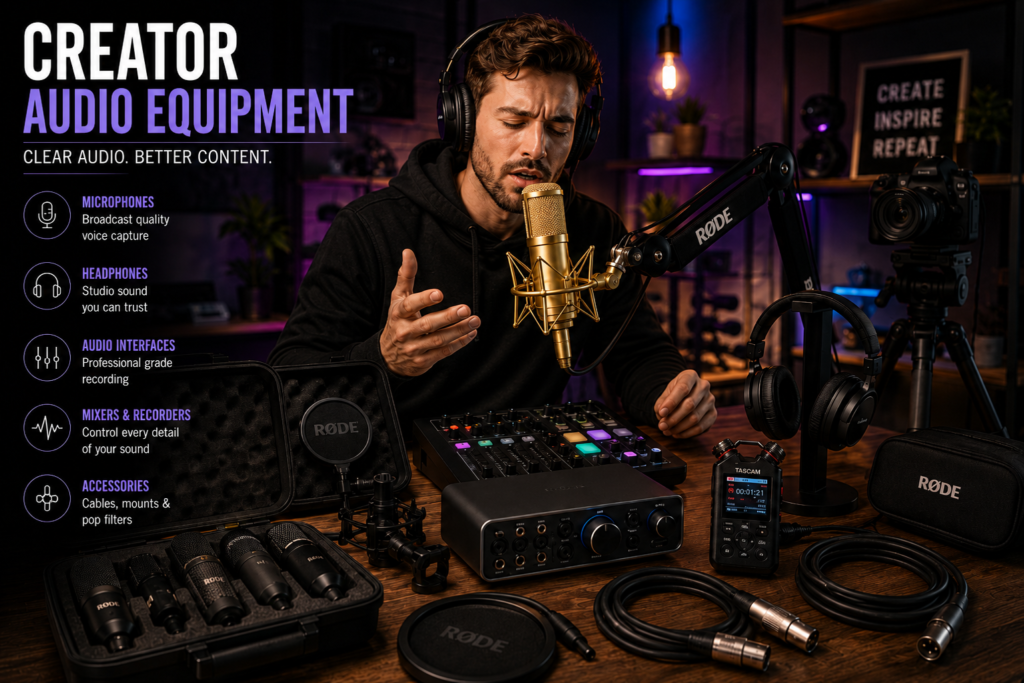
Why Audio Matters More Than Video
Audiences tolerate imperfect visuals far longer than bad sound.
Poor audio causes:
- immediate drop-off
- listening fatigue
- reduced authority perception
Strong creator audio requires:
- microphone quality
- room acoustics
- gain control
- noise isolation
- proper monitoring
Best Microphone Types for Creators
| Microphone Type | Best For | Strength |
|---|---|---|
| Dynamic | Podcasts & streaming | Noise isolation |
| Condenser | Studio recording | Detail & clarity |
| Lavalier | Mobile creators | Portability |
| Shotgun | Video creators | Directional focus |
| USB Microphones | Beginners | Simplicity |
Explore Best Microphone for YouTube
Lighting for Content Creators
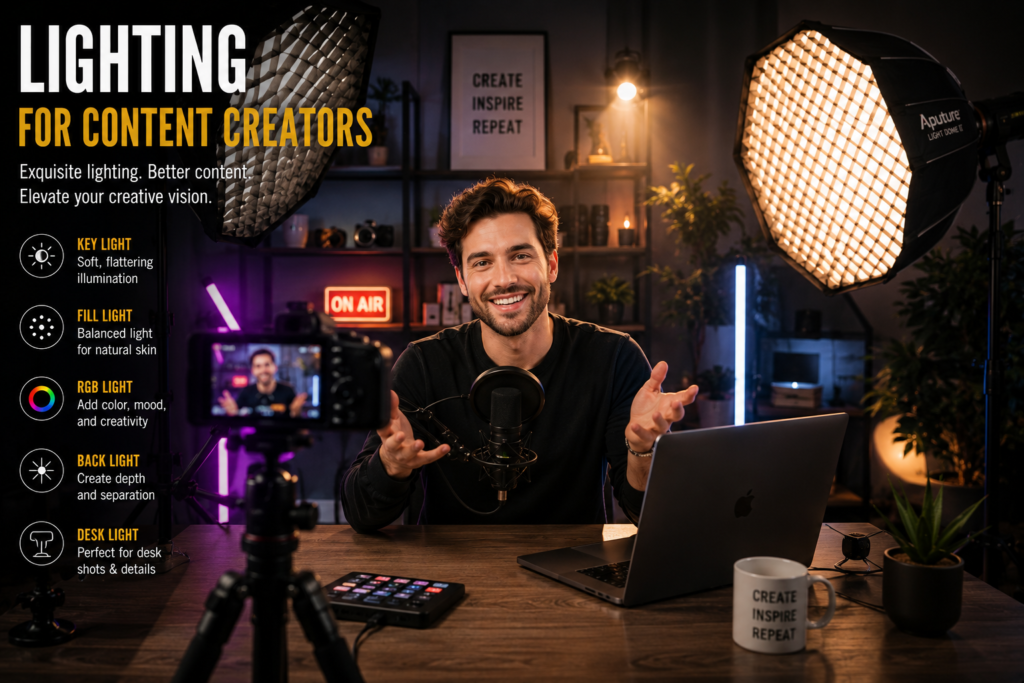
Why Lighting Changes Everything
Lighting affects:
- skin tones
- sharpness
- cinematic depth
- viewer perception
- visual professionalism
Even budget cameras look dramatically better with strong lighting setups.
Popular Creator Lighting Systems
Ring Lights
Ideal for:
- beauty creators
- livestreaming
- desk setups
- facial lighting
Softbox Systems
Better for:
- cinematic YouTube production
- interviews
- podcast studios
RGB Creator Lighting
Increasingly used for:
- gaming setups
- atmospheric backgrounds
- modern studio aesthetics
Recommended Pages:
- Best Ring Light
- Best Lighting for Content Creators
Streaming Setup Guide
Modern streaming setups combine:
- webcams
- capture cards
- microphones
- monitors
- lighting
- acoustic control
- streaming software
- internet optimization
Recommended Guides:
- Streaming Setup Guide
- Best Streaming Setup
- Best Webcam for Streaming
Creator Setup Comparison Chart
| Setup Type | Beginner | Intermediate | Professional |
|---|---|---|---|
| Camera | Smartphone / entry mirrorless | APS-C mirrorless | Full-frame cinema mirrorless |
| Audio | USB microphone | XLR dynamic mic | Multi-channel studio setup |
| Lighting | Ring light | Dual softbox | Full RGB studio lighting |
| Editing | Laptop | Creator desktop | Color-calibrated workstation |
| Streaming | Webcam | DSLR webcam setup | Multi-camera production |
| Budget Range | $300–$800 | $1,000–$3,000 | $5,000+ |
Drone Creator Gear
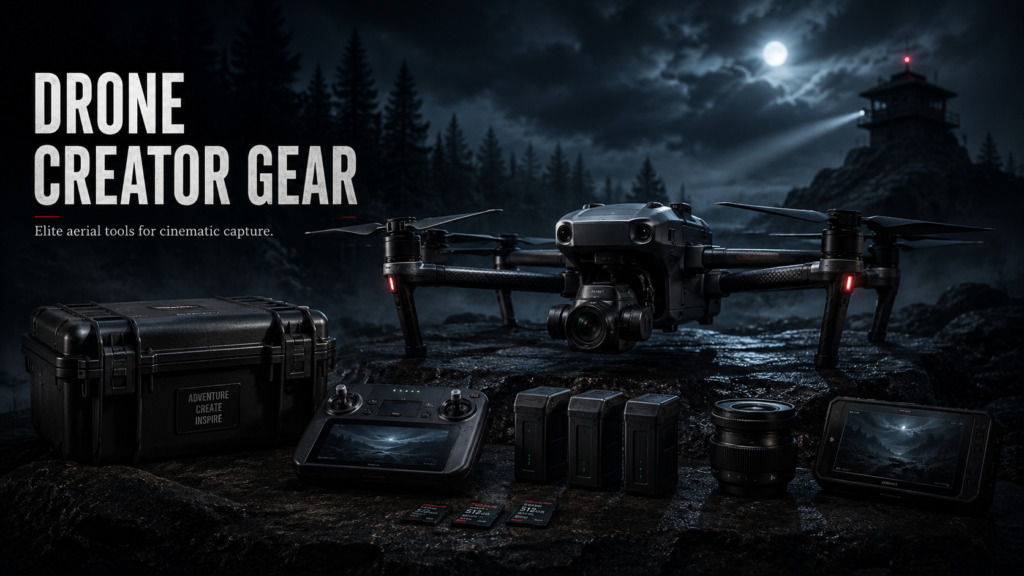
Drone creators now operate in:
- travel filmmaking
- real estate
- commercial production
- sports cinematography
- outdoor documentaries
Best Drone Categories
| Drone Type | Best Use |
|---|---|
| Mini drones | Travel creators |
| FPV drones | Action cinematography |
| Photography drones | Cinematic aerial work |
| Beginner drones | Learning workflows |
| Compact foldable drones | Hybrid creators |
For filmmakers, travel creators, real estate shooters, and content studios building a premium aerial workflow, a dedicated drone creator gear setup can help connect camera quality, stabilization, flight performance, battery planning, and field-ready accessories into one production system.
Creator Editing & Production Workstations
Editing systems increasingly depend on:
- GPU acceleration
- color accuracy
- SSD workflows
- AI-assisted editing
- HDR support
Recommended anchor:
Best Editing Monitor
Travel Creator Setup
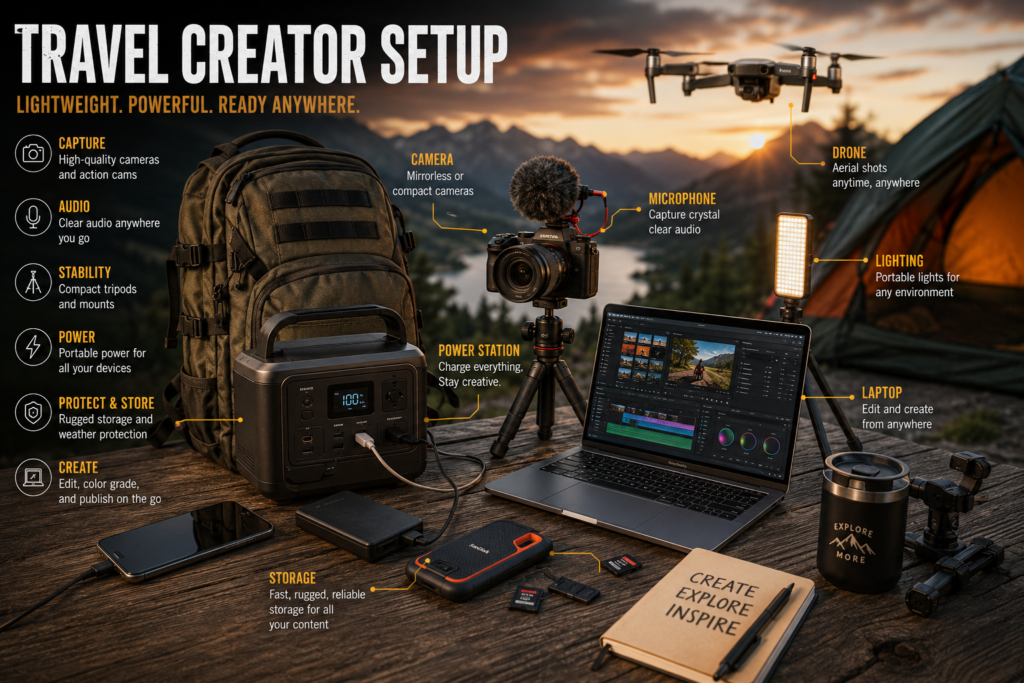
A travel creator setup is different from a studio setup because every piece of gear has to earn its space. The goal is not to carry more equipment. The goal is to build a lightweight, reliable system that can capture, charge, protect, store, and transfer content while moving through airports, hotels, trails, campsites, city streets, and remote locations.
A strong travel creator setup usually depends on:
compact cameras or mirrorless cameras
smartphone creator rigs
portable microphones
foldable tripods
action cameras
drone kits
rugged storage drives
portable lighting
power banks and compact charging hubs
weather-resistant gear bags
Creators who film outdoors also need equipment that supports power, safety, navigation, and device protection away from controlled environments. That is where outdoor gadgets become part of the creator workflow, especially for travel vloggers, hiking creators, drone pilots, outdoor photographers, and mobile review channels.
Creator Gear Costs in 2026
Beginner Creator Setup
| Equipment | Estimated Cost |
|---|---|
| Camera | $400–$900 |
| Microphone | $50–$150 |
| Lighting | $40–$120 |
| Editing Software | $0–$300 |
| Accessories | $50–$200 |
Estimated total:
$600–$1,500
Professional Creator Setup
| Equipment | Estimated Cost |
|---|---|
| Full-frame camera | $2,000–$6,000 |
| Cinema lens ecosystem | $3,000–$15,000 |
| Audio chain | $500–$3,000 |
| Studio lighting | $800–$5,000 |
| Editing workstation | $2,000–$8,000 |
Estimated total:
$8,000–$35,000+
Trends Reshaping Creator Gear
AI-Assisted Autofocus
Modern cameras now identify:
- eyes
- faces
- vehicles
- animals
- movement patterns
AI autofocus dramatically improves solo creator workflows.
Computational Video Processing
Cameras increasingly use:
- real-time HDR
- AI denoising
- computational stabilization
- scene optimization
This reduces post-production complexity.
Vertical-First Creator Gear
The rise of TikTok and Shorts has changed:
- camera ergonomics
- mobile accessories
- framing systems
- creator lighting
Lightweight Creator Ecosystems
Travel creators increasingly prioritize:
- compact mirrorless systems
- foldable drones
- portable microphones
- mobile editing workflows
Upcoming Creator Gear Technologies
8K Creator Workflows
8K production continues expanding because it enables:
- reframing flexibility
- vertical crop extraction
- cinematic detail retention
Real-Time AI Background Replacement
Streaming systems increasingly support:
- advanced segmentation
- studio simulation
- virtual environments
without requiring green screens.
Smarter Drone Stabilization
Future drones are expected to feature:
- obstacle prediction
- AI flight correction
- cinematic path automation
- intelligent framing
Recommended anchor:
How Drone Stabilization Works
Risks & Mistakes When Buying Creator Gear
Overspending Too Early
Many creators purchase:
- expensive cameras
- cinema lenses
- complex rigs
before mastering:
- lighting
- storytelling
- editing
- audio quality
Ignoring Audio Quality
A strong microphone upgrade often improves viewer experience more than a camera upgrade.
Buying Trend-Driven Gear
Some creator products gain popularity through hype cycles but offer limited long-term value.
Focus on:
- reliability
- workflow efficiency
- ecosystem compatibility
Creator Gear Buying Framework
Step 1: Define Your Platform
Different platforms require different priorities.
| Platform | Priority |
|---|---|
| YouTube | Video quality |
| Twitch | Streaming stability |
| TikTok | Portability |
| Podcasting | Audio quality |
| Travel filmmaking | Weight & battery |
Step 2: Upgrade Audio First
For most creators:
- Audio
- Lighting
- Camera
- Accessories
is the most efficient upgrade path.
Step 3: Build Around Workflow
Choose creator gear that fits:
- editing speed
- portability
- battery management
- creator style
- upload frequency
A strong creator gear setup should not be judged by specs alone. The right buying decision depends on where the gear will be used, how often it will travel, how durable it needs to be, and whether it supports a clean production workflow. Creators who shoot outdoors, travel between locations, or build mobile production kits should also consider rugged power, weather resistance, portable lighting, storage, charging, and field-ready accessories. For a deeper breakdown of durable, travel-ready equipment, see this complete outdoor gadgets buying guide before finalizing your creator setup.
Recommended Creator Gear Pages
Camera Clusters
- Best Camera for YouTube
- Best Camera for Content Creators
- Best Camera for TikTok
- Best Camera for Vlogging
- Best Budget Creator Setup
Streaming & Podcast Clusters
- Best Streaming Setup
- Best Podcast Setup
- Streaming Setup Guide
- Podcast Room Acoustics Guide
Drone Clusters
- Best Photography Drones
- Best Camera Drones
- Best Beginner Drones
- Best FPV Drones
- Drone Camera Guide
Ready to Build Your Creator Setup?
Explore:
- creator cameras
- streaming gear
- microphones
- podcast equipment
- drones
- creator lighting systems
Frequently Asked Questions
Creator Fundamentals
What is a content creator?
A content creator is a digital professional who produces and publishes engaging material across online platforms such as YouTube, TikTok, Instagram, Facebook, podcasts, blogs, and newsletters. The goal of a content creator is to inform, entertain, educate, or inspire an audience through consistent media output.
In today’s creator economy, content creators are not limited to influencers. They include YouTubers, vloggers, streamers, educators, reviewers, photographers, podcasters, and even niche experts who build audiences around specific topics like tech, fitness, finance, or lifestyle.
Content creators typically combine storytelling, visuals, and personal branding to build trust and audience engagement, often turning their content into a long-term digital asset.
How to become a content creator?
Becoming a content creator today is less about formal qualifications and more about skills, consistency, and niche selection. Anyone can start, but successful creators follow a structured approach.
Step 1: Choose your niche
Pick a focused topic such as:
- Tech reviews or gadgets
- Fitness and health
- Finance and money tips
- Gaming or entertainment
- Education or tutorials
A clear niche helps you rank faster and build authority in the search-driven content ecosystem.
Step 2: Select your platform
Start with one primary platform:
- YouTube for long-form video content
- TikTok/Reels for short-form viral content
- Instagram for lifestyle and branding
- Blogging for SEO traffic and evergreen content
Step 3: Build your creator setup (gear matters)
Even entry-level creator gear can include:
- Smartphone or camera
- Basic lighting (ring light or softbox)
- Microphone for clear audio
- Editing software (CapCut, Premiere Pro, etc.)
Step 4: Publish consistently
Consistency is key in algorithm-based platforms. Regular uploads signal relevance to platforms like YouTube and TikTok.
Step 5: Optimize for discovery
Use:
- SEO keywords in titles and descriptions
- Trending hashtags
- Audience-focused hooks
- Engaging thumbnails and storytelling
Over time, this builds your identity as a professional digital content creator.
How much do content creators make?
Content creator income varies widely depending on platform, niche, audience size, and monetization strategy. In 2026, earnings range from side income levels to multi-million-dollar digital businesses.
Typical income ranges:
- Beginners: $0 – $500/month
- Growing creators: $500 – $5,000/month
- Established creators: $5,000 – $50,000+/month
- Top influencers: $100,000+ per month (multi-platform revenue)
Income is not fixed because creators earn through multiple streams rather than a salary.
Key factors that affect earnings:
- Audience size and engagement rate
- Niche profitability (finance, tech, and business pay higher)
- Platform algorithm reach
- Monetization diversification
A small but highly engaged audience can often earn more than a large inactive following.
How do content creators make money?
Content creators earn money through a combination of direct platform monetization and external income streams, forming what is known as the creator economy revenue model.
1. Ad revenue
Platforms like YouTube pay creators through ads shown on videos. This is often the first income stream for video creators.
2. Brand sponsorships
Companies pay creators to promote products or services. This is one of the highest-paying income sources in influencer marketing.
3. Affiliate marketing
Creators earn commissions by recommending products and linking them through affiliate programs (Amazon, software tools, etc.).
4. Digital products
Many creators sell:
- E-books
- Online courses
- Templates
- Presets or tools
This is highly scalable and often becomes passive income.
5. Memberships and subscriptions
Platforms like Patreon or YouTube Memberships allow fans to pay monthly for exclusive content.
6. Merchandise and personal brands
Creators often launch their own branded products such as clothing, accessories, or niche merchandise.
7. Freelance and consulting opportunities
Established creators sometimes monetize their expertise through consulting, speaking, or coaching.
In modern content creation business models, successful creators rarely rely on just one income stream—they build a diversified portfolio of monetization channels.
Creator Gear & Setup
What is the best creator gear setup for beginners?
A beginner creator setup should prioritize audio quality, lighting, and a reliable camera before expensive accessories. Budget-friendly mirrorless cameras and USB microphones remain popular starting points.
What is the best camera for YouTube creators in 2026?
Mirrorless cameras dominate YouTube production because of autofocus reliability, strong low-light performance, and advanced video recording features.
What gear do streamers need for professional-quality streams?
Professional streaming setups usually include:
- dedicated microphones
- streaming lights
- multiple monitors
- webcams or mirrorless cameras
- acoustic treatment
Are drones worth buying for content creators?
Yes. Drones dramatically expand storytelling potential for:
- travel creators
- real estate creators
- outdoor filmmakers
- cinematic YouTube channels
What creator gear upgrade improves content quality the most?
For most creators:
- Better audio
- Better lighting
- Better editing workflow
usually improve audience perception more than camera upgrades alone.
People Also Ask (PAA)
What is the best budget creator gear setup?
The best budget creator setup combines:
- entry-level mirrorless camera
- USB microphone
- ring light
- affordable editing monitor
while keeping workflows simple.
Which creator gear is best for TikTok and Shorts?
Compact cameras, mobile lighting systems, lightweight microphones, and vertical-friendly accessories work best for short-form creators.
How much does a professional creator setup cost?
Professional creator ecosystems can range from:
- $5,000
to - $35,000+
depending on camera systems, studio lighting, drones, and editing workstations.
What microphones do YouTubers use?
Most professional creators use:
- dynamic XLR microphones
- shotgun microphones
- high-end USB creator microphones
depending on recording style.
Is mirrorless better than DSLR for content creators?
Mirrorless systems generally outperform DSLRs in:
- autofocus
- video features
- portability
- creator-focused workflows
which is why most modern creators now prefer mirrorless ecosystems.