
Top Nikon, Sony, Fuji & Canon Professional Photography, Digital Cameras.
Buying a professional digital camera is not only about comparing megapixels, autofocus points, sensor size, burst speed, or video resolution. Those specifications matter, but they do not fully explain why one photographer feels instantly connected to a Nikon Z8, while another feels creatively alive with a Fujifilm X100VI or technically unstoppable with a Sony Alpha 1 II.
A camera is a creative instrument. It shapes how you move, how you notice light, how confidently you photograph people, how patiently you frame landscapes, and how quickly you react when a moment appears and disappears.
At Schopping.com, our approach to digital cameras goes beyond the usual “best camera” checklist. We look at professional photography gear through four lenses: performance, usability, creative personality, and long-term value. The best digital camera is not always the most expensive one. It is the camera that feels natural in your hand, supports your style, and gives you the confidence to keep shooting.
Modern camera buyers often fall into recognizable creative profiles:
The Perfectionist wants maximum detail, sharpness, dynamic range, and large files that can be cropped heavily.
The Explorer wants a durable camera body, reliable battery life, weather sealing, and fast response in unpredictable environments.
The Hybrid Creator needs one camera for photography, video, social media, YouTube, reels, interviews, product shots, and travel content.
The Nostalgic Artist wants tactile controls, film-like colors, classic design, and a slower, more intentional shooting experience.
The Technologist wants the smartest autofocus system, AI subject recognition, fast sensor readout, and cutting-edge video features.
Nikon, Sony, Fujifilm, and Canon each speak to a different kind of creator. This guide breaks down the top professional digital cameras from these four major brands and helps you understand which one best fits your photography style.
Finding the Digital Camera That Matches the Way You See
1. Nikon Digital Cameras: Rugged Confidence for Serious Photographers
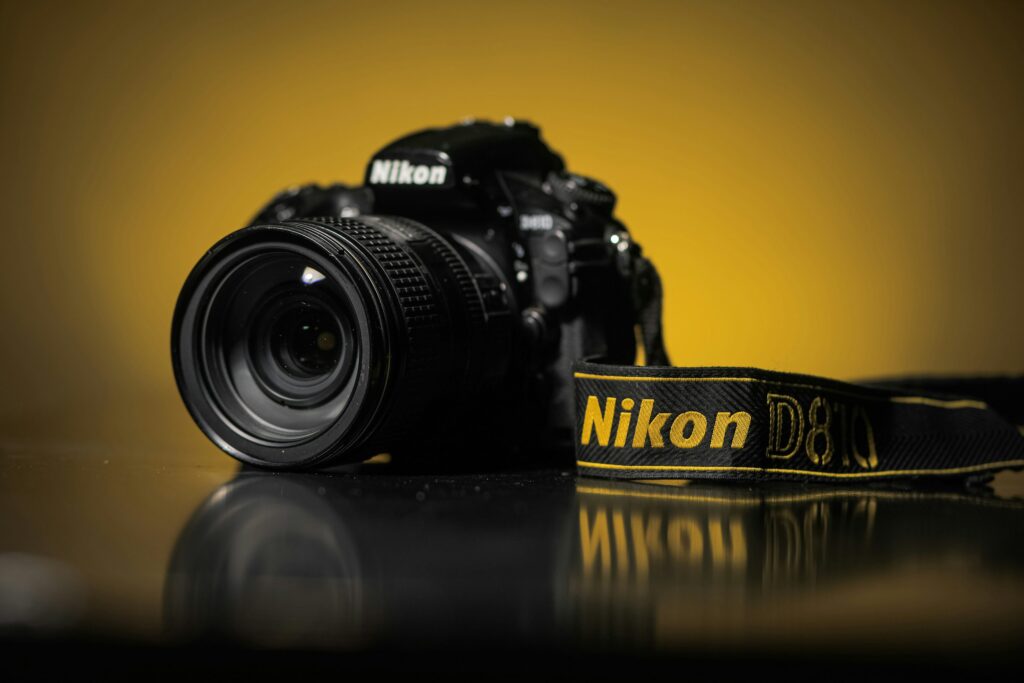
Nikon has always appealed to photographers who value reliability, ergonomics, and field-ready strength. A Nikon camera often feels substantial without feeling clumsy. The grip, button placement, weather sealing, and shooting confidence make the system especially attractive to wildlife photographers, sports shooters, landscape creators, travel photographers, and documentary professionals.
Nikon’s mirrorless Z system has matured quickly, and its professional bodies now compete directly with the best full-frame cameras from Sony and Canon. The brand’s greatest strength is balance: strong image quality, excellent build, dependable autofocus, sharp lenses, and a practical shooting experience.
Nikon Z8: The Professional All-Rounder
The Nikon Z8 is one of the most complete professional digital cameras in Nikon’s mirrorless lineup. It brings much of the flagship performance of the Nikon Z9 into a smaller and more manageable body, making it ideal for photographers who need speed, resolution, and mobility in one package.
With its high-resolution full-frame stacked sensor, fast readout, advanced autofocus, and powerful video capability, the Z8 is built for creators who refuse to be locked into one category. It can photograph wildlife in the morning, capture commercial portraits in the afternoon, and record high-quality video content by evening.
For wildlife photography, the silent electronic shutter is a major advantage. It allows photographers to work around animals without the distraction of mechanical shutter noise. For weddings and events, the high-resolution files provide cropping freedom while maintaining professional detail. For landscape and studio work, the dynamic range and image quality make the Z8 a serious production camera.

- Bundle Items Include:Nikon Z8 Professional Full Frame Mirrorless 8K Video & Stills Hybrid FX Camera, 64GB SF-M Tough Ser…
- Flagship Sensor and Processing: Harnessing Nikon’s flagship DNA, the Nikon Z8 integrates a 45.7MP BSI CMOS sensor and EX…
- Electronic Shutter-Only Design: Revolutionizing capture with an electronic shutter, the Z8 achieves speeds up to 1/32,00…
The Nikon Z8 is best for photographers who want flagship-level performance without carrying the largest professional body.
- The Tech: A 45.7MP stacked sensor with no mechanical shutter.
- The Appeal: It offers the silent operation and speed required for wildlife photography without the massive weight of a traditional pro body.
Nikon Z9: The Unstoppable Flagship
The Nikon Z9 is made for professionals who cannot afford hesitation. Sports photographers, wildlife specialists, photojournalists, and agency shooters need a camera that keeps working through rain, dust, freezing temperatures, long days, and unpredictable assignments. The Z9 is designed for that kind of pressure.
Its integrated vertical grip, large battery, rugged build, and professional control layout make it feel like a camera built for the sideline, the safari vehicle, the press zone, or the battlefield. It is not a casual camera, and it does not try to be. It is a flagship body for photographers who need speed, durability, and dependability above everything else.

- 45.7MP Stacked CMOS sensor and EXPEED 7 image processing. Fast powerful AF that can keep up with the fastest subjects an…
- Subject detection uses deep learning to automatically detect and track people, cats, dogs, birds, cars, motorcycles, bic…
- Capture 45.7MP stills at 20 or 30 fps; 120 fps stills at 11MP, all with full AF and AE, and no viewfinder blackout. 8K/3…
The Z9 also represents Nikon’s bold mirrorless confidence. By relying fully on an electronic shutter system and high-speed sensor readout, Nikon showed that a modern pro camera no longer needs to behave like a traditional DSLR to be trustworthy.
The Tech: 8K/60p internal video and a battery life that seems to last forever.
The Appeal: It represents “status and stability”. It is the choice for the sports photographer at the Olympics or the war correspondent.
Choose the Nikon Z9 if your work depends on speed, endurance, professional handling, and absolute reliability.
Nikon Zf: The Classic Icon with Modern Mirrorless Power
The Nikon Zf is a very different kind of digital camera. It does not simply chase the highest professional specification. Instead, it appeals to photographers who care about the physical experience of making pictures.
Inspired by classic Nikon film cameras, the Zf combines retro styling with modern full-frame mirrorless performance. Its metal dials, vintage silhouette, and tactile controls create a slower and more deliberate shooting rhythm. This makes it especially attractive to street photographers, travel photographers, portrait creators, and anyone who wants a camera that feels personal rather than purely technical.
The appeal of the Nikon Zf is emotional. It reminds photographers that digital photography does not have to feel sterile. You can have modern autofocus, full-frame image quality, image stabilization, and advanced processing inside a camera that still feels connected to the history of photography.

- Full frame resolution: 24.5MP BSI full frame sensor with EXPEED 7 processing power.
- Subject recognition with 3D Tracking: The Z f’s AF system recognizes nine different subjects for focus and tracking.
- Video recording: 4K/30p oversampled from 6K, up to 4K UHD/60p¹ video recording and 1080/120p slow motion. Range of optio…
The Zf appeals to the “Aesthete” It features a stunning brass-dialed retro design inspired by the 1980s Nikon FM2 but hides a modern autofocus system inside.
- The Tech: Full-frame 24.5MP sensor with the most advanced “Expeed 7” processor.
- The Appeal: It’s about the feeling of the click. It’s for the street photographer who wants to look stylish while capturing museum-quality shots.
Choose the Nikon Zf if you want a full-frame digital camera with soul, style and serious image quality.
Nikon Z9 II: The Next Conversation
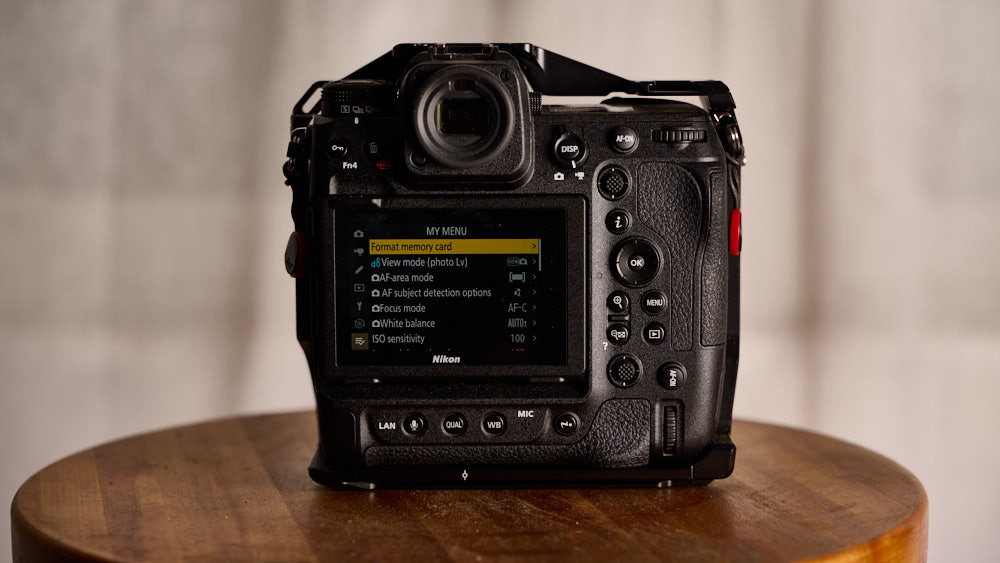
The Nikon Z9 II is widely discussed by camera enthusiasts because flagship Nikon bodies often arrive at important moments in professional sports and media cycles. While final specifications should always be treated carefully until officially confirmed, expectations around a future Z9 successor usually center on faster processing, improved subject detection, enhanced pre-capture tools, stronger video performance, and more refined autofocus.
For professional photographers, the idea of a Z9 II is not only about more megapixels or higher frame rates. It is about removing uncertainty. The future of action photography is moving toward cameras that can recognize subjects faster, buffer more intelligently, and capture decisive moments before the photographer fully reacts.
If Nikon releases a next-generation Z9, it will likely target elite sports, wildlife, news, aviation, and action professionals who need the strongest body Nikon can build.
With the Milan Winter Olympics approaching, Nikon is expected to refresh its top-tier beast. The Nikon Z9 II represents the “Will to Power”—the need for absolute dominance in the field.
- Description: This camera will likely push the boundaries of “Pre-Release Capture” and AI-based subject tracking, making it nearly impossible to miss a shot, regardless of the speed of the action.
- Leaked Specs: Introduction of the Expeed 8 Processor and potentially a higher-resolution stacked sensor (60MP+) that maintains 30fps.
2. Sony Digital Cameras: AI Autofocus, Speed and Hybrid Innovation
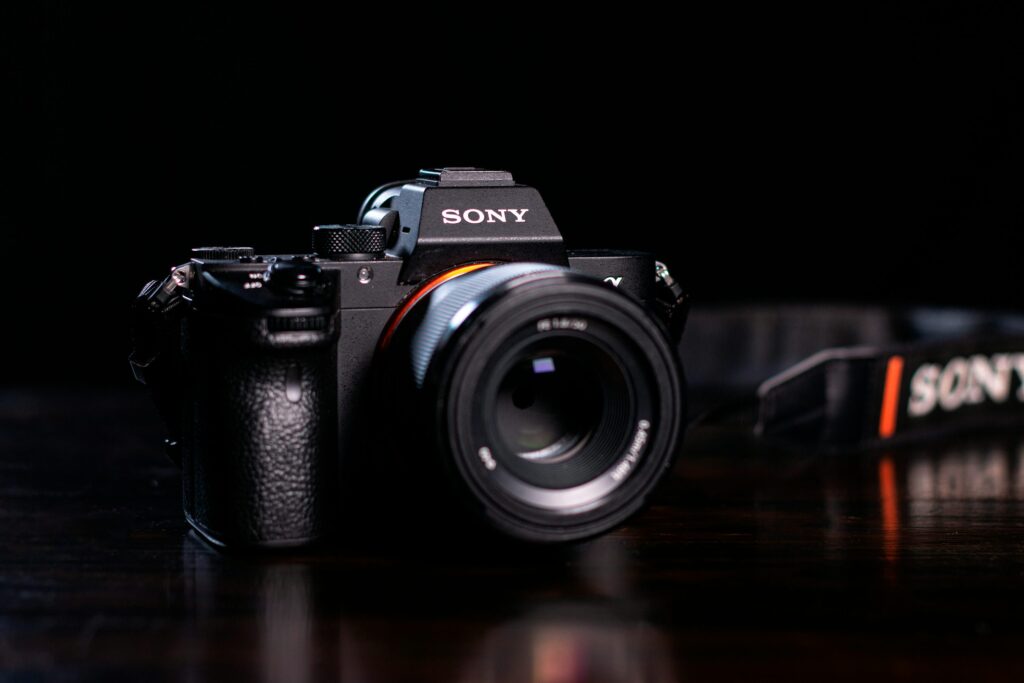
Sony has become the brand of the modern technologist. Its Alpha mirrorless cameras are known for fast sensors, compact full-frame bodies, advanced autofocus, strong video features, and constant innovation. Sony’s greatest advantage is its ability to combine professional photography tools with creator-friendly hybrid performance.
Sony digital cameras are especially popular among wedding photographers, YouTubers, commercial shooters, wildlife photographers, travel creators, and professionals who want one system that can do almost everything.
The Sony ecosystem also benefits from a massive lens selection. Native Sony lenses, third-party lenses, compact primes, cinema-style zooms, and specialty optics make the Alpha system one of the most flexible camera platforms available.
Sony Alpha 7R V: Maximum Detail for the Obsessive
The Sony Alpha 7R V is built for photographers who care deeply about resolution. Its high-megapixel full-frame sensor captures enormous detail, making it ideal for landscape photography, studio portraits, commercial campaigns, fine-art printing, product photography, architecture, and any work that benefits from large, flexible image files.
The “R” in Sony’s lineup has always stood for resolution, but the A7R V is not only a megapixel machine. It also includes advanced autofocus intelligence, improved stabilization, and a flexible screen design that helps photographers shoot from unusual angles.
This camera is especially powerful for creators who crop heavily. Wildlife photographers, for example, can photograph distant subjects and still retain enough detail for professional use. Studio photographers can capture skin texture, fabric, jewelry, cosmetics, and product surfaces with exceptional clarity.

- A whole new level of camera intelligence from new AI processing unit.Aspect Ratio : 3:2
- Next-generation AF with Real-time Recognition autofocus deep learning AI
- 61.0 MP full-frame back-illuminated Exmor R CMOS sensor
With a staggering 61 megapixels, the A7R V is built for the “Perfectionist”. It uses a dedicated AI processing chip to recognize human poses, insects, and even car tires.
- The Tech: 61MP Full-Frame BSI CMOS sensor.
- The Appeal: It allows for aggressive cropping. You can take a photo of a bird and crop in until you see the texture of its feathers without losing clarity.
Choose the Sony A7R V if your priority is professional detail, cropping flexibility and high-resolution image quality.
Sony Alpha 1 II: The Speed Demon
The Sony Alpha 1 II represents Sony’s top-level philosophy: speed and resolution should not have to be separated. It is designed for professionals who need a single camera that can handle sports, wildlife, portraits, commercial work, video, and demanding hybrid assignments.
A camera like the Alpha 1 II appeals to the overachiever. It is not built around one specialty. It is built to be excellent across many disciplines. For working professionals, that matters because real assignments are rarely neat. A single shoot may require stills, video clips, fast action, low-light performance, silent shooting, and reliable autofocus.
Sony’s flagship Alpha cameras are also known for their autofocus intelligence. Subject recognition, eye detection, animal tracking, bird tracking, and vehicle recognition can make a real difference when the subject is moving unpredictably.

- Sony’s extensive high-performance G Master line work with the 50.1 megapixel*1 Exmor RS image sensor and BIONZ XR image …
- The massive volume of data from the 50.1 megapixel*1 full-frame Exmor RS image sensor is processed in real time by Sony’…
- The α1 II features a dedicated AI processing unit that helps to recognize people more accurately based on human pose est…
The Alpha 1 II is the “no-compromise” digital camera. It does everything at a high level—high resolution, high speed and high-quality video.
- The Tech: 50.1MP sensor capable of shooting at 30 frames per second.
- The Appeal: It appeals to the “Overachiever.” Why choose between speed and resolution when you can have both?
Choose the Sony Alpha 1 II if you want one of the most advanced professional mirrorless cameras for both high-speed photography and high-quality content production.
Sony Alpha 7 IV: The Hybrid Creator’s Sweet Spot
The Sony Alpha 7 IV remains one of the most practical full-frame digital cameras for creators who split their work between photography and video. It offers enough resolution for professional stills, strong autofocus, reliable video features, and a body that fits comfortably into weddings, travel work, interviews, YouTube production, lifestyle shoots, and social media content.
This is the camera for the creator who does not want to carry separate systems for still photography and video. The A7 IV is not Sony’s most expensive camera, but that is part of its strength. It offers professional-quality results without forcing every buyer into flagship pricing.
For many photographers, the A7 IV is the “smart buy” because it sits in the middle of Sony’s lineup with excellent balance. It is powerful enough for paid work, accessible enough for serious enthusiasts, and flexible enough for hybrid creators.

- 33MP full-frame Exmor R back-illuminated CMOS sensor.Operating temperature : 0 to 40 °C (32 to 104 °F), Rated input : 10…
- 8x more powerful, next generation BIONZ XR image processing engine
- Up to 4K 60p 10-bit 4:2:2 w/ full pixel readout in all recording formats
The A7 IV is the “Connector”. It is the most popular choice for creators who jump between YouTube videos and Instagram photography.
- The Tech: A 33MP sensor that balances file size with professional detail.
- The Appeal: It is the “Smart Buy”, that offers 90% of the flagship’s performance at a fraction of the cost.
Choose the Sony A7 IV if you want a dependable full-frame mirrorless camera for photography, video, and everyday professional content creation.
Sony Alpha 7S IV: The Anticipated Low-Light Video Successor
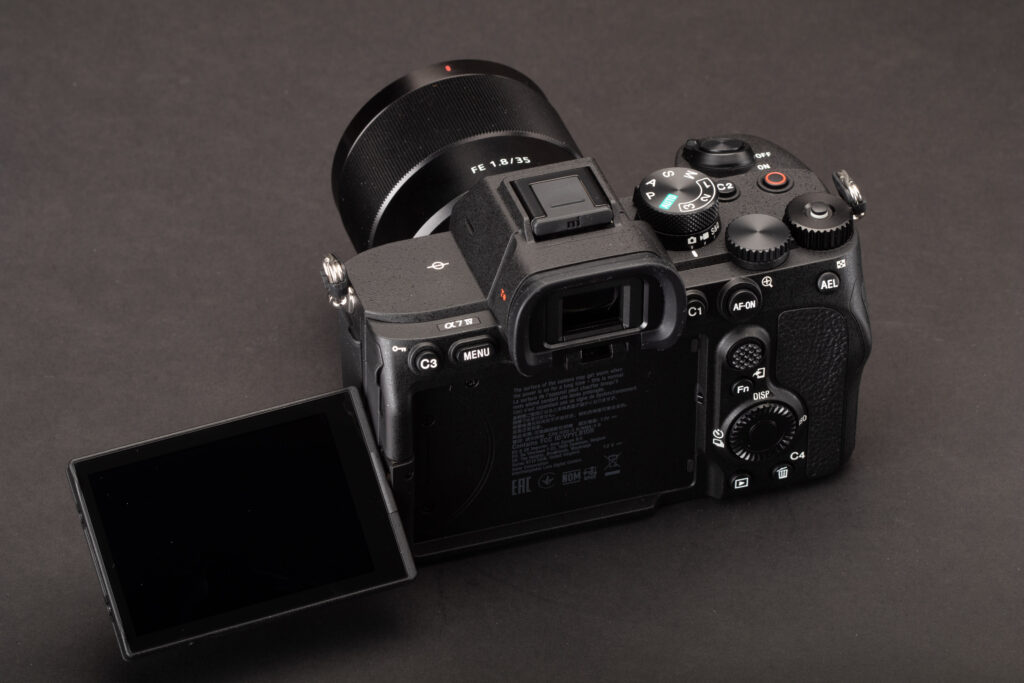
The Sony Alpha 7S IV is one of the most anticipated future cameras among video creators because the A7S line has long been associated with low-light performance, clean video files, and compact cinema-style production.
Until Sony officially confirms a successor, any specification discussion should be treated as expectation rather than fact. Still, creators are watching for several likely improvements: higher-resolution video capture, better heat management, improved autofocus, upgraded stabilization, stronger codecs, and a body that bridges the gap between Alpha stills cameras and Sony’s cinema-focused FX line.
A future A7S IV would likely appeal to wedding filmmakers, documentary creators, travel videographers, YouTubers, low-light shooters, and solo operators who want cinema-quality footage without building a heavy rig.
For years, the A7S III has been the king of low light. In 2026, the Sony A7S IV is rumored to take the throne with a focus on “Cinematic Fluidity”.
- Description: Expect a refined body with a “proper” cooling vent system, similar to the FX3 but retaining the Alpha’s superior EVF. It’s for the videographer who refuses to choose between a cinema rig and a stills camera.
- Leaked Specs: A new 24MP sensor capable of internal 6K recording and enhanced heat dissipation.
3. Fujifilm: The Soulful Artist
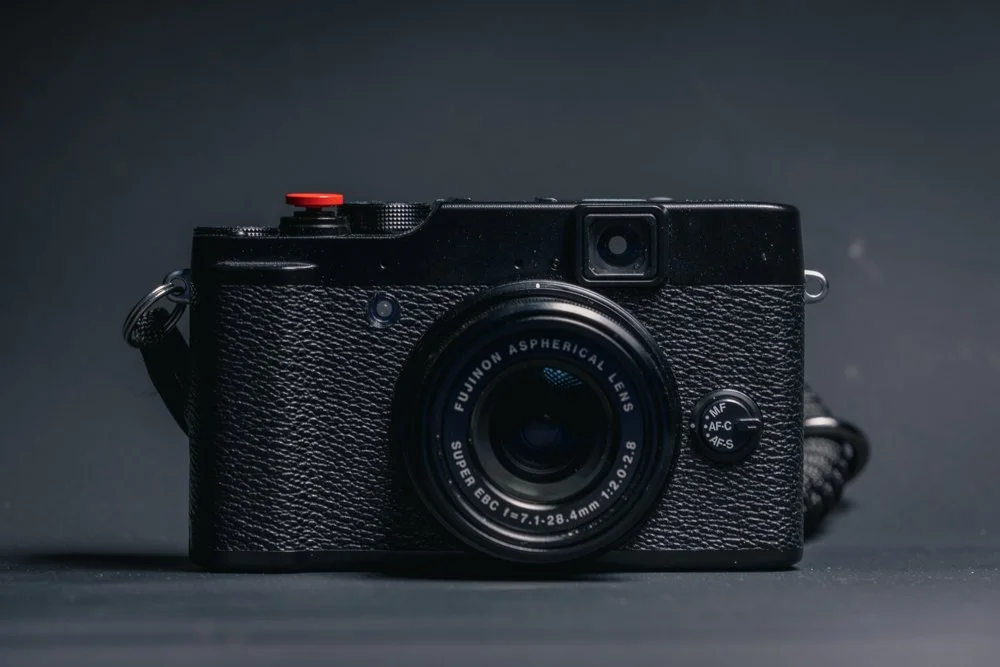
Fujifilm has built one of the most emotionally loyal communities in digital photography. While Nikon, Sony, and Canon often compete on full-frame performance, Fujifilm offers something more personal: color identity, tactile controls, compact camera culture, and a shooting experience that feels closer to film.
Fujifilm’s film simulations are a major reason photographers love the system. Instead of starting every image from a neutral digital file, Fuji users can shoot with looks inspired by classic film aesthetics. This gives images a finished emotional direction before editing even begins.
Fujifilm cameras are especially popular among street photographers, travel creators, documentary shooters, lifestyle photographers, portrait artists, and people who want their camera to feel like part of their identity.
Fujifilm X-T5: The Photographer’s Camera
The Fujifilm X-T5 is one of the best APS-C digital cameras for photographers who enjoy manual control, compact lenses, high-resolution files, and a traditional shooting experience. It has the look of a classic camera but delivers modern mirrorless image quality.
Its dedicated dials for ISO, shutter speed, and exposure compensation make photography feel physical. Instead of digging through menus, the photographer can see and adjust exposure settings directly. This gives the X-T5 a strong appeal for purists who enjoy the craft of photography as much as the final image.
The high-resolution APS-C sensor makes the X-T5 surprisingly powerful for landscapes, portraits, travel, editorial images, and commercial-style photography. It also benefits from Fujifilm’s compact lens lineup, which keeps the system lighter than many full-frame alternatives.

- INCLUDED – Fujifilm X-T5 Body (Silver), NP-W235S Battery, AC Adapter, Plug Adapter, USB Cable, Headphone Adapter, Strap,…
- SUPERIOR IMAGING – Experience unparalleled detail with the 40.2MP APS-C X-Trans CMOS 5 HR sensor, delivering exceptional…
- LOW LIGHT EXCELLENCE – Capture clear, sharp images in challenging lighting with ISO sensitivity up to 12800 (expandable …
The X-T5 is designed for the “Purist.” It features a three-way tilting screen (perfect for stills) and dedicated dials for ISO, shutter speed and exposure compensation.
- The Tech: 40.2MP APS-C sensor that rivals many full-frame cameras in sharpness.
- The Appeal: Tactile feedback. Turning a physical dial creates a dopamine hit that menu-diving simply cannot match.
Choose the Fujifilm X-T5 if you want a high-quality digital camera that feels intentional, tactile and creatively inspiring.
Fujifilm X100VI: The Cultural Phenomenon
The Fujifilm X100VI is more than a camera. It is a cultural object. Its fixed-lens design, compact body, hybrid viewfinder, film simulations, and stylish appearance have made it one of the most talked-about digital cameras among travelers, street photographers, and everyday creators.
The fixed lens is part of the magic. It removes decision fatigue. Instead of changing lenses, the photographer learns to see the world through one focal length. This limitation can actually improve creativity because it forces stronger composition, better timing, and more thoughtful framing.
The X100VI is also attractive because it does not make the photographer look like they are carrying a large professional setup. That matters for street photography, cafés, travel, family moments, and social spaces where a big camera can change the mood of the scene.
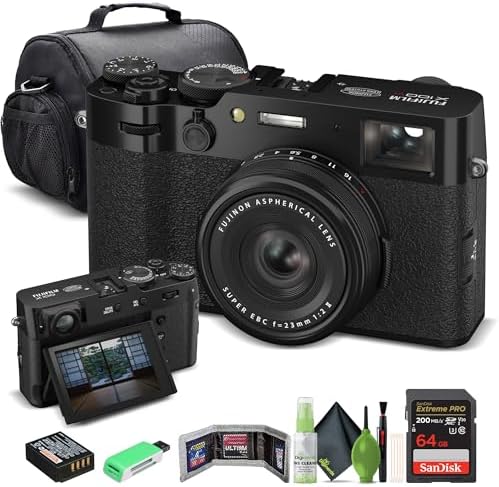
- Bundle Includes: FUJIFILM X100VI Digital Camera (Black), Sandisk 64GB Extreme Pro Card, Memory Card Reader, Deluxe Soft …
- Introducing the Fujifilm 6th-gen X100VI, with its timeless dial-based design that ensures an indulgent and tactile shoot…
- With the light and portable X100VI creativity is easily in your hands. Whether composing through the hybrid viewfinder, …
This is the “Trendsetter.” It’s a fixed-lens, compact digital camera that has become a viral sensation for its pocketability and “film-like” output.
- The Tech: 40MP sensor with 6.2K video in a body that fits in a jacket pocket.
- The Appeal: Effortless creativity. It’s for the traveler who wants professional photos without the “tourist with a big camera” look.
Choose the Fujifilm X100VI if you want a premium compact digital camera with film-like color, everyday portability, and a strong creative personality.
Fujifilm GFX100S II: Medium Format Power for Fine-Art Vision
The Fujifilm GFX100S II is for photographers who want something beyond full-frame. Its medium format sensor delivers extraordinary resolution, tonal depth, and image presence. This kind of camera is not about speed alone. It is about richness.
Medium format files have a distinctive look because of the larger sensor area, high resolution, smooth tonal transitions, and shallow depth possibilities with the right lenses. For fine-art photographers, studio portrait artists, fashion shooters, luxury product photographers, and gallery-focused creators, the GFX system offers a level of image quality that feels deeply refined.
The GFX100S II is also important because it brings medium format into a body that is more approachable than traditional studio-only medium format systems. It gives serious photographers a way to create images with a premium visual signature without requiring an enormous camera setup.

- FUJIFILM GFX100S II digital camera features a newly developed sensor and processor pairing. The camera houses a high-spe…
- Small, light, ergonomic body weighing 883g1 (1.95lbs) that is comparable in weight and size to a full-frame camera syste…
- 5.76 million dot high-resolution EVF Pushing AF even further forward, Face/Eye and Subject Detection modes are available…
For the “Grand Visionary”, there is the GFX series. It uses a sensor 1.7 times larger than full-frame, providing a depth and “3D pop” that is unmatched.
- The Tech: 102MP Medium Format sensor.
- The Appeal: Raw power. It’s for the fine-art photographer whose work will eventually hang in a gallery.
Choose the Fujifilm GFX100S II if your work is about maximum image quality, fine detail, tonal richness, and gallery-level presentation.
Fujifilm X-Pro4 or X-Pro5: The Expected Rangefinder-Style Return
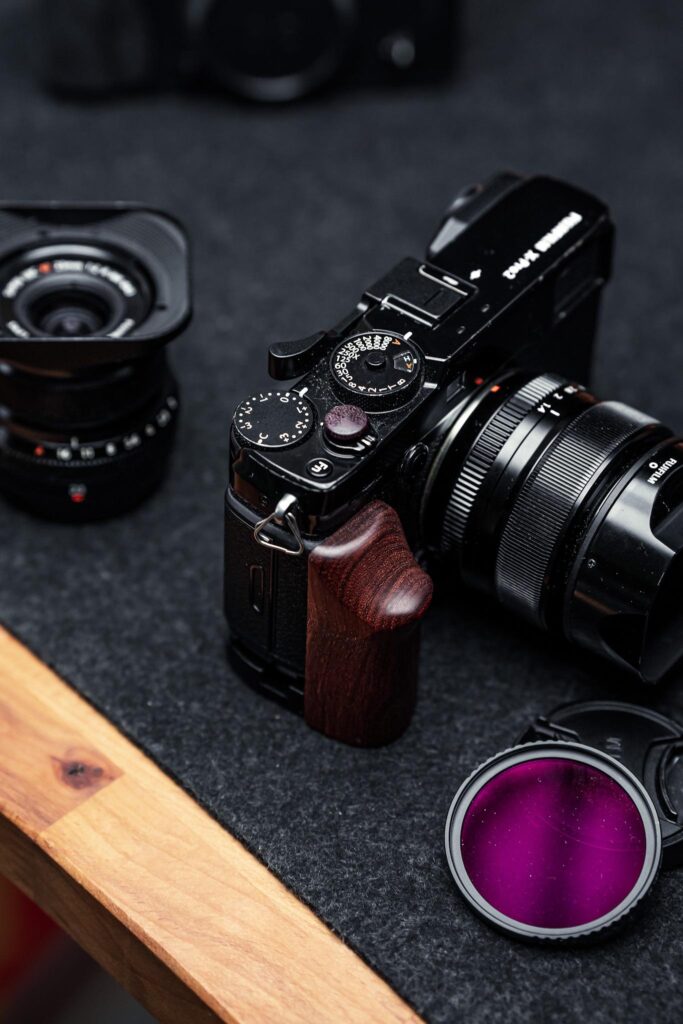
Fujifilm’s X-Pro series has always appealed to individualists. These cameras do not feel like ordinary mirrorless bodies. They are rangefinder-inspired, discreet, stylish, and deeply connected to street photography culture.
Because Fujifilm has not rushed this line, anticipation around a future X-Pro model is high. Many Fuji fans hope for a lighter body, improved autofocus, a newer sensor, better stabilization, more refined film simulations, and a screen design that supports both traditional photography and modern practicality.
A future X-Pro would likely be aimed at photographers who want a camera that feels distinctive. Not everyone wants the same DSLR-shaped mirrorless body. Some creators want a tool that encourages slower observation, personal style, and photographic discipline.
Fujifilm fans are among the most loyal, driven by the “Individualist” archetype. They don’t want a camera that looks like everyone else’s. After a long hiatus, the X-Pro4 is the most whispered-about camera in the Fuji community.
- Description: It’s expected to be the ultimate street photography machine, featuring even more advanced film simulations and a lighter, titanium-shielded body.
- Leaked Specs: Rumored to feature the X-Trans VI sensor and a revolutionary new “Hidden Screen” design that improves on the controversial X-Pro3.
4. Canon: The Intuitive Professional
Canon has a long-standing reputation for color science, especially skin tones. Portrait photographers, wedding shooters, family photographers, filmmakers, and hybrid creators often appreciate the warmth and natural rendering of Canon files.
Canon’s greatest strength is usability. The menus, touch interface, grip design, autofocus behavior, and lens ecosystem feel approachable without sacrificing professional depth. Canon cameras often appeal to creators who want technology to support the moment rather than dominate the experience.
The Canon EOS R system now includes powerful options for professionals, hybrid shooters, action specialists, and low-light creators.
Canon EOS R5 Mark II: The Gold Standard
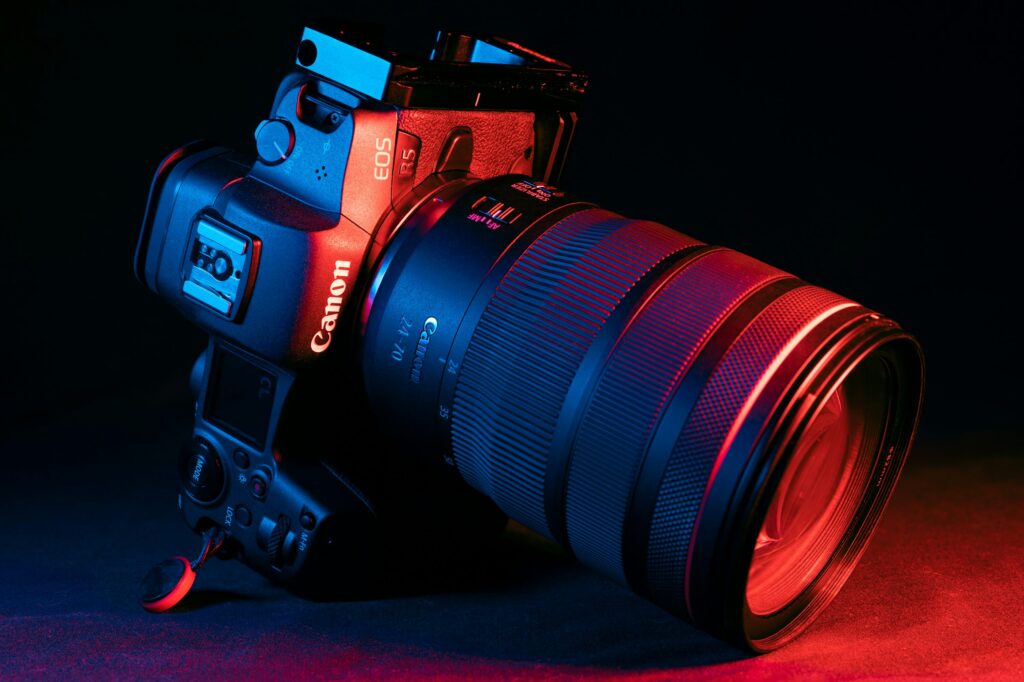
The Canon EOS R5 Mark II is positioned as a professional hybrid camera for creators who need high-resolution stills, advanced autofocus, strong video capability, and dependable Canon color. It builds on the success of the original EOS R5 while improving speed, intelligence, and usability.
One of Canon’s most distinctive features is Eye Control AF, which allows the camera to respond to where the photographer is looking through the viewfinder. When implemented well, this creates a highly intuitive shooting experience. Instead of constantly moving focus points manually, the photographer can interact with the camera more naturally.
The R5 Mark II is ideal for wedding photographers, portrait professionals, commercial shooters, wildlife photographers, and hybrid creators who want one camera that can handle both stills and serious video.
Canon caters to the “Humanist.” Their color science is world-renowned for making skin tones look warm and natural. The psychological draw of Canon is simplicity and trust.

- Completely NEW Canon designed full-frame back-illuminated stacked CMOS 45MP sensor.
- Fast sensor read-out speeds allow for up to 30 fps electronic shutter performance.
- New focus system upgrades include eye control focus, and the ability to maintain focus on a subject even when obscured b…
The R5 II is the “All-Rounder.” It introduced “Eye Control AF,” where the camera focuses on whatever the photographer is looking at in the viewfinder.
- The Tech: 45MP stacked sensor and 8K video.
- The Appeal: It feels like magic. It removes the barrier between the eye and the image, making the technology “disappear.”
Choose the Canon EOS R5 Mark II if you want a premium full-frame camera with high resolution, strong autofocus, beautiful color, and professional hybrid flexibility.
Canon EOS R6 Mark III: The Low-Light King
The Canon EOS R6 Mark III is the kind of camera many working professionals actually want: fast, reliable, excellent in low light, manageable file sizes, strong stabilization, and dependable autofocus.
Not every professional needs extremely high megapixels. Wedding photographers, event shooters, concert photographers, documentary creators, and low-light specialists often value clean files, fast handling, and confidence more than massive resolution. The R6 line has traditionally served that audience very well.
A camera like the R6 Mark III is designed for difficult environments: dim receptions, indoor ceremonies, stage lighting, restaurants, family gatherings, and fast-moving people. It is the camera you choose when the moment matters more than the spec sheet.

- CANON USA AUTHORIZED – INCLUDES FULL USA WARRANTY | High Resolution & Fast Performance: Capture stunning 32.5MP stills w…
- Advanced Video Power & Stabilization: Unlock professional video with internally recorded 7K up to 59.94p (12-bit RAW), o…
- Dual Card Slots CFexpress Type B + UHS-II SD | Dual Pixel CMOS AF II with People/Animal/Vehicle detection | Register Peo…
The R6 III is the “Relatable Professional.” It doesn’t have the highest megapixels, but it has the best performance in dark environments like wedding receptions or concert halls.
- The Tech: High-speed 24MP sensor with incredible 8.5-stop image stabilization.
- The Appeal: Confidence. It’s the camera you pick when you know you only have one chance to get the shot in difficult lighting.
Choose the Canon EOS R6 Mark III if you need a practical professional full-frame camera for events, portraits, low light, and fast real-world photography.
Canon EOS R1: The Elite Performer
The Canon EOS R1 is Canon’s flagship professional action camera. It is built for sports, news, wildlife, and high-pressure professional environments where autofocus, burst speed, reliability, and handling matter more than decorative features.
Flagship sports cameras are not designed for everyone. They are specialized tools for photographers who work under intense conditions: stadiums, press pits, Olympic venues, wildlife reserves, motorsport tracks, and breaking-news environments. The R1 is built for that world.
Canon’s professional autofocus development, rugged body design, and long history in sports photography make the EOS R1 an important camera for professionals already invested in Canon’s RF lens ecosystem.

- Bundle Items Include: Canon EOS R1 Mirrorless Camera – 24MP, Full-Frame Stacked BSI CMOS Sensor , 128GB CFexpress Type B…
- Exceptional Imaging Performance: The Canon EOS R1 is equipped with a 24MP full-frame stacked BSI CMOS sensor paired with…
- Advanced Autofocus and Shooting Speed: With Dual Pixel AF featuring Action Priority and Improved Eye Control AF, the EOS…
The R1 is the “Specialist.” It is built exclusively for sports and action, featuring a “cross-type” autofocus system that can track a soccer ball through a crowded field.
Choose the Canon EOS R1 if you need Canon’s top professional tool for sports, action, wildlife, and elite assignment photography.
Canon EOS R3 Mark II: The Possible Global Shutter Conversation
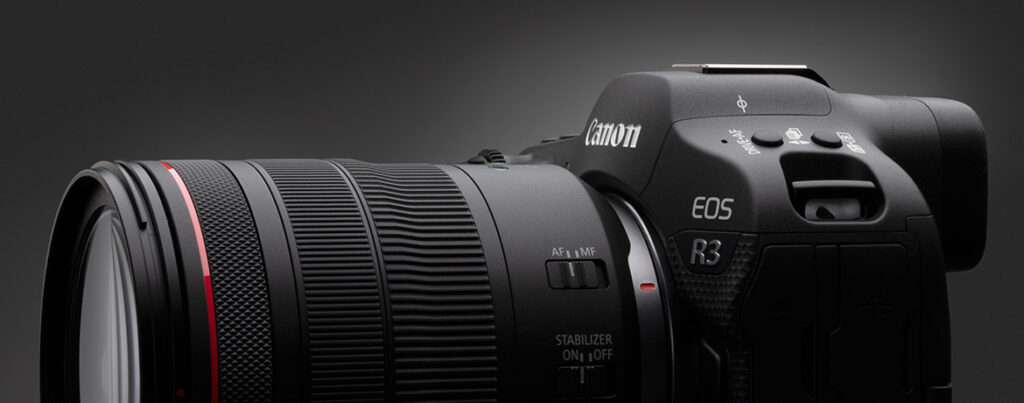
The Canon EOS R3 Mark II is widely discussed because many action photographers are watching how Canon will respond to global shutter technology and ultra-fast sensor readout in the professional market.
A future R3 successor would likely target sports, aviation, motorsport, wildlife, and other fast-action fields where distortion-free capture is valuable. Global shutter technology, if used, could reduce rolling shutter artifacts and help maintain geometric accuracy with fast-moving subjects.
Until officially confirmed, any specification claims should be treated as speculative. Still, the direction is clear: professional action cameras are moving toward faster readout, smarter autofocus, better viewfinder response, and more reliable capture in extreme motion.
Canon is rumored to be “testing the waters” of Global Shutter technology to compete with Sony’s A9 III. The R3 Mark II is the prime candidate for this leap.
- Description: Designed for the professional who operates in high-pressure environments (sports, aviation), the R3 II will eliminate the “jello effect” entirely, ensuring that every fast-moving blade or ball is rendered with 100% geometric accuracy.
- Leaked Specs: A 24-30MP Global Shutter sensor and an upgraded Eye Control AF 2.0 that is faster and more accurate for glasses-wearers.
Nikon vs Sony vs Fujifilm vs Canon: Which Camera Brand Fits You?
Choosing between Nikon, Sony, Fujifilm, and Canon is less about finding one “best” brand and more about finding the right creative ecosystem.
Choose Nikon if you want rugged handling, strong ergonomics, professional durability, and a camera that feels ready for the field. Nikon is excellent for wildlife, landscape, travel, adventure, sports, and serious hybrid work.
Choose Sony if you want cutting-edge autofocus, strong video features, compact full-frame bodies, and one of the broadest lens ecosystems in mirrorless photography. Sony is ideal for hybrid creators, commercial shooters, wedding filmmakers, wildlife photographers, and tech-forward professionals.
Choose Fujifilm if you want color, character, tactile controls, compact camera culture, and a more emotional shooting experience. Fujifilm is especially strong for street photography, travel, lifestyle, documentary work, portraits, and fine-art creativity.
Choose Canon if you want intuitive handling, beautiful skin tones, trusted autofocus, strong professional lenses, and a camera system that feels natural for photographing people. Canon is excellent for weddings, portraits, events, sports, video, and professional storytelling.
Best Digital Camera by Creative Profile
Best for Wildlife Photography
The Nikon Z8, Nikon Z9, Sony Alpha 1 II, and Canon EOS R1 are among the strongest options for wildlife photography because they combine fast autofocus, strong burst shooting, durable bodies, and professional lens support.
Best for Wedding Photography
The Canon EOS R5 Mark II, Canon EOS R6 Mark III, Sony Alpha 7 IV, Sony Alpha 1 II, and Nikon Z8 are excellent for weddings because they balance autofocus, low-light performance, color, reliability, and hybrid video.
Best for Street Photography
The Fujifilm X100VI, Fujifilm X-T5, Nikon Zf, and a future Fujifilm X-Pro model appeal strongly to street photographers because they are stylish, responsive, discreet, and creatively engaging.
Best for Landscape Photography
The Sony Alpha 7R V, Nikon Z8, Fujifilm GFX100S II, and Fujifilm X-T5 are strong landscape cameras because they offer high resolution, excellent detail, and files that can handle serious editing.
Expand Your Photography Perspective with Aerial Imaging
Professional digital cameras are perfect for portraits, weddings, wildlife, street photography, and controlled creative work, but some visual stories need a wider point of view. Landscape photographers, travel creators, real estate shooters, and outdoor content producers can add dramatic scale by pairing their camera kit with modern aerial imaging tools. If you want to capture sweeping coastlines, mountain roads, architecture, farmland, resorts, or cinematic travel scenes from above, explore Schopping’s guide to photography drones and see how aerial cameras can expand your creative workflow beyond ground-level photography.
Best for Video Creators
The Sony Alpha 7 IV, Sony Alpha 1 II, Canon EOS R5 Mark II, Nikon Z8, and a future Sony A7S IV are strong choices for hybrid video creators who need high-quality footage alongside professional stills.
Best for Fine-Art Photography
The Fujifilm GFX100S II stands out for fine-art and gallery-focused work because of its medium format sensor, huge resolution, and premium tonal quality.
The Psychology of Buying a Professional Digital Camera
A professional digital camera is rarely just a tool. It often represents an identity.
Some photographers want a camera that makes them feel prepared for anything. That is the Nikon appeal.
Some want a camera that feels smarter, faster, and more technically advanced than anything else in the room. That is the Sony appeal.
Some want a camera that makes photography feel romantic, personal, and emotionally textured. That is the Fujifilm appeal.
Some want a camera that gets out of the way and renders people beautifully. That is the Canon appeal.
This is why two cameras with similar specifications can feel completely different in use. The grip, shutter sound, menu system, viewfinder, color rendering, lens balance, and even the shape of the body all affect how a photographer connects with the camera.
The right digital camera should make you want to shoot more. It should reduce friction. It should make your creative process feel sharper, calmer, faster, or more expressive.
Which Digital Camera Defines Your Creative Style?
If you seek adventure, ruggedness, and professional field confidence, start with Nikon.
If you seek innovation, AI autofocus, and hybrid creator performance, explore Sony.
If you seek emotional color, tactile control, and visual character, choose Fujifilm.
If you seek natural skin tones, intuitive handling, and professional trust, look to Canon.
The best professional digital camera is not only the one with the strongest specification sheet. It is the one that helps you notice more, react faster, create more confidently, and preserve the kind of images that feel worth remembering.
FAQs and People Also Ask Questions for Nikon, Sony, Fujifilm and Canon Professional Digital Cameras
Nikon Z8 FAQs
1. Is the Nikon Z8 good for professional photography?
Yes, the Nikon Z8 is excellent for professional photography because it combines high-resolution full-frame image quality, fast subject tracking, rugged construction, and strong hybrid video features. It suits wildlife photography, weddings, events, landscapes, commercial shoots, portraits, and travel assignments where a photographer needs speed and detail in one body.
2. Is the Nikon Z8 worth buying for wildlife photography?
The Nikon Z8 is one of the best Nikon cameras for wildlife photography because it offers fast shooting performance, silent operation, advanced autofocus, and excellent detail for cropping distant animals. Its smaller body compared with the Z9 also makes it easier to carry during long outdoor sessions.
3. Is the Nikon Z8 better than the Nikon Z9?
The Nikon Z8 is better for photographers who want flagship-style performance in a smaller and lighter body, while the Nikon Z9 is better for professionals who need maximum battery life, an integrated grip, and the most durable pro-style handling. Both cameras are powerful, but the better choice depends on how much size and endurance matter.
4. Can the Nikon Z8 shoot professional video?
Yes, the Nikon Z8 is a strong professional video camera for hybrid creators, filmmakers, wedding videographers, and YouTube production. It offers high-end video capability, strong autofocus, and excellent image quality, making it useful for creators who need one camera for both stills and video.
5. Is the Nikon Z8 good for wedding photography?
The Nikon Z8 is very good for wedding photography because it handles low light, movement, silent shooting, portraits, ceremony moments, and reception details with confidence. Its high-resolution files also give wedding photographers flexibility when cropping or delivering large prints.
6. What lenses are best for the Nikon Z8?
The best lenses for the Nikon Z8 depend on the subject. A 24-70mm f/2.8 is ideal for weddings and events, a 70-200mm f/2.8 is excellent for portraits and sports, wide-angle Z lenses suit landscapes, and long telephoto lenses are best for wildlife photography.
7. Is the Nikon Z8 too advanced for beginners?
The Nikon Z8 is not designed as a beginner camera, but a serious beginner can grow into it if they are committed to learning photography. It is best suited for advanced enthusiasts, professional photographers, and hybrid creators who want a camera they will not outgrow quickly.
8. Is the Nikon Z8 good for low-light photography?
The Nikon Z8 performs well in low light because of its full-frame sensor, modern processing, strong autofocus, and compatibility with fast Nikon Z lenses. For weddings, concerts, indoor events, and night portraits, pairing it with bright lenses makes a major difference.
9. Is the Nikon Z8 a good travel camera?
The Nikon Z8 can be a great travel camera for serious photographers who want professional quality while carrying less bulk than a flagship body. It is not the smallest travel camera, but it delivers outstanding image quality for landscapes, wildlife, city photography, and documentary travel work.
10. Who should buy the Nikon Z8?
The Nikon Z8 is best for photographers who want a powerful full-frame mirrorless camera for wildlife, sports, weddings, landscapes, portraits, and video. It is ideal for creators who need speed, detail, durability, and professional flexibility in one camera body.
Nikon Z8 People Also Ask
1. What is the Nikon Z8 best used for?
The Nikon Z8 is best used for wildlife photography, wedding photography, sports, events, landscapes, portraits, and professional video. Its strength is versatility: it can handle fast action and high-detail commercial work without forcing the photographer to switch systems.
2. Is Nikon Z8 good for bird photography?
Yes, the Nikon Z8 is excellent for bird photography because it supports fast autofocus, high-speed shooting, silent capture, and deep cropping. Bird photographers benefit from the combination of detail, tracking performance, and compatibility with Nikon super-telephoto lenses.
3. Is Nikon Z8 full frame?
Yes, the Nikon Z8 is a full-frame mirrorless camera. A full-frame sensor gives photographers stronger depth-of-field control, better low-light potential, and a professional image-quality foundation for demanding photography work.
4. Does the Nikon Z8 replace the Nikon D850?
For many photographers, the Nikon Z8 is a natural mirrorless upgrade from the Nikon D850. It offers high-resolution files like the D850 but adds modern autofocus, faster shooting, advanced video, silent operation, and Nikon Z lens compatibility.
5. Is the Nikon Z8 good for portraits?
Yes, the Nikon Z8 is excellent for portraits because it captures detailed files, works well with premium Nikon Z portrait lenses, and offers reliable eye autofocus. It is especially useful for studio, editorial, environmental, and wedding portrait photography.
6. Is Nikon Z8 good for sports photography?
The Nikon Z8 is a strong sports photography camera because it offers speed, subject tracking, silent shooting, and professional image quality. It is especially useful for action photographers who want Z9-style performance without the larger integrated-grip body.
7. Is Nikon Z8 heavy?
The Nikon Z8 is heavier than compact mirrorless cameras but lighter and more portable than the Nikon Z9. For professional photographers, it strikes a strong balance between durability, handling, and travel-friendly size.
8. Is the Nikon Z8 good for YouTube?
Yes, the Nikon Z8 is good for YouTube if you want premium video quality, strong autofocus, and a professional hybrid camera. It is especially useful for creators who also shoot product photography, thumbnails, portraits, travel content, and commercial visuals.
9. Is Nikon Z8 better than Sony A7R V?
The Nikon Z8 is better for users who prioritize speed, action, and hybrid performance, while the Sony A7R V is better for photographers who prioritize maximum resolution and detail. The right choice depends on whether speed or resolution matters more for your work.
10. Is Nikon Z8 a professional camera?
Yes, the Nikon Z8 is a professional camera. Its body design, autofocus, speed, video features, image quality, and lens ecosystem make it suitable for paid professional photography and serious hybrid content creation.
Nikon Z9 FAQs
1. Is the Nikon Z9 still worth buying?
Yes, the Nikon Z9 remains worth buying for professionals who need a rugged flagship camera with excellent battery life, fast performance, pro handling, and dependable autofocus. It is especially attractive for sports, wildlife, news, and action photographers who prefer an integrated vertical grip.
2. Is the Nikon Z9 good for sports photography?
The Nikon Z9 is one of Nikon’s strongest cameras for sports photography because it is built for speed, durability, long shooting sessions, and reliable subject tracking. It is designed for professional environments where missed frames can mean missed assignments.
3. Is the Nikon Z9 better than the Nikon Z8?
The Nikon Z9 is better if you need maximum durability, larger battery capacity, and an integrated vertical grip. The Nikon Z8 is better if you want similar performance in a smaller body. Professionals who shoot long events often prefer the Z9, while mobile creators may prefer the Z8.
4. Is the Nikon Z9 good for wildlife photography?
Yes, the Nikon Z9 is excellent for wildlife photography because it offers speed, durability, silent shooting, long battery life, and strong autofocus. It is especially useful for photographers who spend long hours outdoors in harsh conditions.
5. Can the Nikon Z9 shoot 8K video?
Yes, the Nikon Z9 is known as a high-end hybrid camera with strong 8K video capability. It is useful for professional filmmakers, wildlife videographers, documentary creators, and hybrid shooters who need both stills and high-resolution video.
6. Is the Nikon Z9 too big for travel?
The Nikon Z9 is large for casual travel, but it can be a strong travel camera for professional assignments, safaris, expeditions, and documentary work. If portability is the top priority, the Nikon Z8 may be a better travel-friendly alternative.
7. What type of photographer should buy the Nikon Z9?
The Nikon Z9 is best for sports photographers, wildlife photographers, photojournalists, documentary shooters, and professionals who need a camera that can survive demanding environments. It is built for reliability more than casual convenience.
8. Is the Nikon Z9 good for portraits?
Yes, the Nikon Z9 is excellent for portraits, especially when paired with premium Nikon Z portrait lenses. Although it is famous for action, its image quality, autofocus, and color depth make it highly capable for studio, fashion, editorial, and wedding portraits.
9. Does the Nikon Z9 have a mechanical shutter?
The Nikon Z9 is known for its electronic-shutter-based design, which reflects Nikon’s confidence in high-speed sensor readout. This design helps support silent shooting and fast capture in professional situations.
10. Is the Nikon Z9 good for professional video?
Yes, the Nikon Z9 is strong for professional video because it offers high-resolution recording, robust build quality, long battery life, and strong hybrid features. It is a good choice for filmmakers who also need serious still photography performance.
Nikon Z9 People Also Ask
1. What is the Nikon Z9 best for?
The Nikon Z9 is best for professional sports, wildlife, news, action, documentary, and hybrid video work. Its flagship body makes the most sense for demanding shooters who value endurance, handling, and reliability.
2. Is Nikon Z9 better than Canon R1?
The Nikon Z9 and Canon EOS R1 serve similar professional action audiences, but they appeal to different systems. Nikon users may prefer the Z9 for its high-resolution flagship approach, while Canon users may prefer the R1 for Canon color, RF lenses, and Canon’s sports autofocus ecosystem.
3. Is Nikon Z9 good for beginners?
The Nikon Z9 is not ideal for beginners because it is large, expensive, and packed with professional controls. It is better for experienced photographers who already understand exposure, autofocus modes, lenses, file workflow, and professional shooting demands.
4. Is Nikon Z9 good in low light?
Yes, the Nikon Z9 performs well in low light, especially when paired with fast lenses. It is suitable for indoor sports, evening wildlife, events, and documentary work where photographers need reliable files in difficult lighting.
5. Is Nikon Z9 weather sealed?
The Nikon Z9 is designed as a professional flagship camera with weather-resistant construction. This makes it suitable for field photography, outdoor sports, wildlife work, rain, dust, cold conditions, and demanding travel assignments.
6. Is Nikon Z9 good for wedding photography?
The Nikon Z9 can be excellent for wedding photography, especially for professionals who want long battery life, dual-grip handling, silent shooting, and strong autofocus. Some wedding photographers may prefer the smaller Nikon Z8 for long handheld days.
7. Is Nikon Z9 good for video creators?
Yes, the Nikon Z9 is useful for serious video creators who need high-end recording features, a durable camera body, and professional still photography performance. It is especially strong for wildlife video, sports video, documentary production, and hybrid commercial work.
8. Is Nikon Z9 worth it over Z8?
The Nikon Z9 is worth it over the Z8 if you value the larger battery, integrated grip, flagship durability, and long-session comfort. If you want nearly flagship capability in a smaller package, the Nikon Z8 may be the better value.
9. Is Nikon Z9 good for landscape photography?
Yes, the Nikon Z9 is excellent for landscape photography because it offers high-resolution files, strong dynamic range, and compatibility with sharp Nikon Z lenses. Its size is less of an issue when working from a tripod or planned location.
10. Is the Nikon Z9 a flagship camera?
Yes, the Nikon Z9 is Nikon’s flagship professional mirrorless camera. It is designed for photographers who need maximum performance, durability, and confidence in high-pressure shooting environments.
Nikon Zf FAQs
1. Is the Nikon Zf good for professional photography?
Yes, the Nikon Zf can be used for professional photography, especially portraits, street photography, travel, lifestyle, and editorial work. It is not a sports flagship, but it offers strong full-frame image quality inside a stylish retro-inspired body.
2. Is the Nikon Zf full frame?
Yes, the Nikon Zf is a full-frame mirrorless camera. This gives it strong image quality, attractive depth-of-field control, and better low-light potential than many smaller-sensor cameras.
3. Is the Nikon Zf good for street photography?
The Nikon Zf is excellent for street photography because it combines classic design, tactile controls, full-frame image quality, and a camera body that feels creatively engaging. Its retro styling also makes it less intimidating than some large professional cameras.
4. Is Nikon Zf better than Nikon Z6 II?
The Nikon Zf may be better for photographers who want newer processing, a more stylish design, and a stronger tactile shooting experience. The Nikon Z6 II may still appeal to users who prefer a more modern grip and conventional body shape.
5. Is the Nikon Zf good for portraits?
Yes, the Nikon Zf is very good for portraits when paired with Nikon Z portrait lenses. Its full-frame sensor helps create soft background blur, natural subject separation, and professional-looking portrait images.
6. Is the Nikon Zf good for video?
The Nikon Zf is capable of strong video performance for hybrid creators, interviews, travel films, and social content. It is not Nikon’s most video-specialized body, but it works well for creators who want both photography and video in a stylish camera.
7. Is Nikon Zf good for beginners?
The Nikon Zf can be good for beginners who want to learn photography manually because the dials encourage understanding ISO, shutter speed, and exposure compensation. However, it is more expensive and advanced than typical entry-level cameras.
8. What lenses work best with Nikon Zf?
Compact prime lenses pair beautifully with the Nikon Zf because they match the classic body style and keep the setup portable. Portrait lenses, 35mm lenses, 50mm lenses, and lightweight travel zooms are especially useful.
9. Is Nikon Zf good for travel photography?
Yes, the Nikon Zf is strong for travel photography because it offers full-frame image quality in a camera that feels personal and stylish. It is best for travelers who care about street scenes, portraits, architecture, cafés, landscapes, and everyday storytelling.
10. Who should buy the Nikon Zf?
The Nikon Zf is best for photographers who want modern mirrorless performance with classic camera design. It suits street photographers, portrait shooters, travel creators, lifestyle photographers, and anyone who values the emotional feel of the camera.
Nikon Zf People Also Ask
1. What is the Nikon Zf best for?
The Nikon Zf is best for street photography, portraits, travel, lifestyle, documentary work, and everyday creative photography. It is a camera for people who want strong image quality and a more emotional shooting experience.
2. Is Nikon Zf weather sealed?
The Nikon Zf is built with a premium feel and weather-resistant design, making it useful for real-world shooting. Photographers should still use caution in heavy rain, dust storms, or extreme weather.
3. Is Nikon Zf better than Fujifilm X-T5?
The Nikon Zf is better if you want full-frame image quality and Nikon Z lenses, while the Fujifilm X-T5 is better if you want a smaller APS-C system, Fuji film simulations, and dedicated Fuji-style controls. Both cameras appeal to tactile photographers.
4. Is Nikon Zf good in low light?
Yes, the Nikon Zf performs well in low light because it uses a full-frame sensor and works with fast Nikon Z lenses. It is useful for night street photography, indoor portraits, events, and travel scenes.
5. Is Nikon Zf good for wedding photography?
The Nikon Zf can be used for wedding photography, especially portraits, details, documentary moments, and creative coverage. For fast-paced professional wedding work, some photographers may prefer the Nikon Z8 for speed and handling.
6. Is Nikon Zf a retro camera?
The Nikon Zf is a modern full-frame mirrorless camera with retro-inspired design. It looks classic, but inside it has modern autofocus, digital processing, and contemporary image-quality performance.
7. Does Nikon Zf have image stabilization?
Yes, the Nikon Zf includes in-body stabilization, which helps reduce camera shake with compatible lenses. This is useful for low-light photography, handheld travel shots, and slower shutter speeds.
8. Is Nikon Zf good for content creators?
Yes, the Nikon Zf is good for content creators who want a camera that looks beautiful on desk setups, travel shoots, lifestyle content, and behind-the-scenes videos. It works well for both still photography and video creation.
9. Is Nikon Zf better than Nikon Zfc?
The Nikon Zf is a full-frame camera and is more advanced than the Nikon Zfc, which uses an APS-C sensor. The Zf is better for users who want higher-end image quality, stronger low-light performance, and more professional potential.
10. Is Nikon Zf worth buying?
The Nikon Zf is worth buying if you want a stylish full-frame digital camera that makes photography feel enjoyable while still delivering serious image quality. It is especially valuable for photographers who care about design as much as performance.
Nikon Z9 II FAQs
1. Is the Nikon Z9 II officially released?
The Nikon Z9 II should be treated as an anticipated or rumored next-generation Nikon flagship unless Nikon officially announces it. Any buying guide content should avoid presenting leaked specifications as confirmed facts.
2. What will the Nikon Z9 II be used for?
A future Nikon Z9 II would likely target professional sports, wildlife, news, aviation, and action photographers. Nikon’s flagship line is built for photographers who need speed, durability, long battery life, and the strongest autofocus Nikon can offer.
3. Should I wait for the Nikon Z9 II?
You should wait for the Nikon Z9 II only if you do not urgently need a camera and want the newest flagship technology. If you need a professional camera now, the Nikon Z9 and Nikon Z8 are already strong options for serious photography and video.
4. Will the Nikon Z9 II be better than the Nikon Z9?
A future Nikon Z9 II would likely improve processing, autofocus, speed, video performance, and workflow tools, but final advantages depend on official specifications. The current Nikon Z9 remains a powerful professional camera.
5. Will the Nikon Z9 II be good for wildlife photography?
If Nikon follows its flagship strategy, the Nikon Z9 II would likely be excellent for wildlife photography. Expected priorities would include better subject recognition, faster tracking, improved pre-capture tools, and stronger field reliability.
6. Will the Nikon Z9 II be good for sports photography?
A future Nikon Z9 II would almost certainly be aimed at sports photographers, because Nikon’s flagship bodies are designed for action, speed, and high-pressure shooting. Sports shooters would look for faster autofocus, improved viewfinder response, and better burst workflow.
7. Will the Nikon Z9 II have better autofocus?
Autofocus improvement is one of the most likely expectations for a future Nikon Z9 II. Professional users would expect better AI subject detection, more reliable tracking, and improved performance with fast-moving people, animals, vehicles, and birds.
8. Will the Nikon Z9 II be expensive?
A Nikon Z9 II would likely sit in Nikon’s premium flagship price range. Flagship cameras are built for professionals, agencies, and high-end creators, so buyers should expect a serious investment.
9. Is the Nikon Z9 II better to wait for than buying a Nikon Z8?
If you need a smaller professional camera now, the Nikon Z8 is the practical choice. If you specifically want a future flagship body with maximum battery life, integrated grip, and Nikon’s next-generation technology, waiting for a Z9 II may make sense.
10. Who should be interested in the Nikon Z9 II?
The Nikon Z9 II would interest professional sports shooters, wildlife photographers, photojournalists, Olympic-level event photographers, aviation photographers, and Nikon users who always want the top flagship body.
Nikon Z9 II People Also Ask
1. When is the Nikon Z9 II coming out?
The Nikon Z9 II release date should not be treated as confirmed unless Nikon announces it officially. Camera buyers should follow Nikon’s official news and avoid relying only on rumor-based release predictions.
2. What specs will the Nikon Z9 II have?
Expected Nikon Z9 II specs may include faster processing, improved autofocus, better subject detection, stronger video, and enhanced action features. However, any specific sensor or frame-rate claim should be considered unconfirmed until official.
3. Is Nikon making a Z9 II?
A Nikon Z9 II is a logical future flagship successor, but it should not be described as confirmed unless Nikon officially announces it. SEO content should use phrases such as “anticipated Nikon Z9 II” or “possible Nikon Z9 successor.”
4. Should professionals buy the Z9 now or wait?
Professionals who need a flagship camera now should consider the Nikon Z9 because it is already proven. Waiting makes sense only for photographers whose current gear still meets their needs and who want to evaluate the next generation.
5. Will Nikon Z9 II have 8K video?
A future Nikon Z9 II would likely continue Nikon’s high-end video direction, but the exact recording options should not be claimed until official specifications are released. Video creators should compare confirmed specs once Nikon announces the model.
6. Will Nikon Z9 II beat Sony Alpha 1 II?
The Nikon Z9 II could compete strongly with Sony’s flagship cameras if it improves autofocus, speed, processing, and video. The better camera will depend on final specifications, lens preference, and the photographer’s workflow.
7. Will Nikon Z9 II be full frame?
A Nikon Z9 II would almost certainly be expected to remain a full-frame mirrorless flagship because Nikon’s Z9 line is built around professional full-frame performance. Still, final details should come from Nikon’s official announcement.
8. Will Nikon Z9 II be good for Olympics photography?
A future Nikon Z9 II would likely be aimed at elite sports and event photographers, making it highly relevant for Olympic-style photography. Professionals would look for fast autofocus, long battery life, reliable networking, and rugged build quality.
9. Is Nikon Z9 II worth waiting for wildlife?
Wildlife photographers may want to wait if they need the latest tracking and pre-capture tools. However, the Nikon Z8 and Z9 are already excellent wildlife cameras, so waiting is not necessary for everyone.
Sony Alpha 7R V FAQs
1. Is the Sony Alpha 7R V good for professional photography?
Yes, the Sony Alpha 7R V is excellent for professional photography, especially when resolution and detail matter. It is ideal for landscapes, portraits, product photography, architecture, fine-art prints, commercial campaigns, and studio work.
2. Is the Sony A7R V good for wildlife photography?
The Sony A7R V can be very good for wildlife photography because its high-resolution files allow heavy cropping. It is especially useful for birds and distant animals, though dedicated speed-focused cameras may be better for the fastest action.
3. Is the Sony A7R V good for portraits?
Yes, the Sony A7R V is excellent for portraits because it captures fine detail, skin texture, clothing, hair, and studio lighting with exceptional clarity. It pairs well with Sony G Master portrait lenses.
4. Is the Sony A7R V better than the Sony A7 IV?
The Sony A7R V is better for photographers who need maximum resolution and detail, while the Sony A7 IV is better for hybrid creators who want a more balanced camera for photos, video, and general professional work.
5. Is the Sony A7R V good for video?
The Sony A7R V can shoot high-quality video, but its biggest strength is still photography resolution. Hybrid creators can use it for video, but dedicated video-first cameras may be better for long-form filming and low-light video work.
6. Is the Sony A7R V good for landscape photography?
Yes, the Sony A7R V is one of the best digital cameras for landscape photography because it captures rich detail, wide dynamic range, and large files that hold up well for editing and printing.
7. Is the Sony A7R V too much resolution?
The Sony A7R V may offer more resolution than some photographers need. Large files require more storage, faster memory cards, and a stronger editing computer, but the extra detail is valuable for commercial, landscape, and fine-art work.
8. What lenses are best for Sony A7R V?
The best lenses for the Sony A7R V are sharp full-frame E-mount lenses that can take advantage of its high-resolution sensor. Premium primes, G Master zooms, macro lenses, and wide-angle landscape lenses are especially useful.
9. Is Sony A7R V good for weddings?
The Sony A7R V can be used for weddings, especially portraits and detail shots, but its large files may slow workflow. Many wedding photographers prefer the Sony A7 IV or Alpha 1 II for a more balanced speed-resolution combination.
10. Who should buy the Sony A7R V?
The Sony A7R V is best for photographers who care about detail, cropping, large prints, studio work, product images, landscape photography, architecture, and commercial-quality files.
Sony Alpha 7R V People Also Ask
1. What is Sony A7R V best for?
The Sony A7R V is best for high-resolution still photography, including landscapes, portraits, products, architecture, fine art, and commercial work. It is designed for photographers who want maximum detail from a full-frame camera.
2. Is Sony A7R V good for beginners?
The Sony A7R V is not the easiest beginner camera because of its price, file size, and professional-level controls. It is better for advanced enthusiasts and professionals who understand high-resolution workflow.
3. Is Sony A7R V full frame?
Yes, the Sony A7R V is a full-frame mirrorless camera. Full-frame sensors are popular among professionals because they offer strong image quality, depth control, and low-light potential.
4. Is Sony A7R V good in low light?
The Sony A7R V performs well in low light, but high-resolution sensors can reveal noise when pushed hard. For dedicated low-light video or extreme low-light shooting, Sony’s A7S line is usually more specialized.
5. Is Sony A7R V better than Nikon Z8?
The Sony A7R V is better for maximum resolution, while the Nikon Z8 is better for speed, action, and hybrid work. Landscape and studio photographers may prefer the A7R V; wildlife and sports shooters may prefer the Z8.
6. Is Sony A7R V good for product photography?
Yes, the Sony A7R V is excellent for product photography because it captures textures, labels, reflective surfaces, packaging, and fine details clearly. It is a strong choice for e-commerce, luxury products, and commercial studio work.
7. Does Sony A7R V have AI autofocus?
The Sony A7R V is known for advanced autofocus intelligence and subject recognition. This helps photographers track people, animals, birds, and other subjects more reliably during still photography.
8. Is Sony A7R V good for macro photography?
Yes, the Sony A7R V is excellent for macro photography because the high-resolution sensor captures extremely fine subject detail. It works especially well with sharp macro lenses and controlled lighting.
9. Is Sony A7R V worth it for travel?
The Sony A7R V is worth it for travel photographers who want maximum image quality and cropping flexibility. Casual travelers may prefer a smaller or lower-resolution camera to save storage space and weight.
10. Is Sony A7R V a professional camera?
Yes, the Sony A7R V is a professional mirrorless camera. Its resolution, autofocus, build quality, and lens ecosystem make it suitable for serious paid photography and commercial production.
Sony Alpha 1 II FAQs
1. Is the Sony Alpha 1 II good for professional photography?
Yes, the Sony Alpha 1 II is designed for professional photographers who want speed, resolution, autofocus, and hybrid video capability in one body. It is built for demanding work such as sports, wildlife, weddings, commercial shoots, and video production.
2. Is Sony Alpha 1 II good for sports photography?
The Sony Alpha 1 II is excellent for sports photography because it is built around fast shooting, advanced autofocus, and professional responsiveness. It suits action photographers who need to capture decisive moments at high speed.
3. Is Sony Alpha 1 II good for wildlife photography?
Yes, the Sony Alpha 1 II is a strong wildlife camera because it combines speed, detail, subject tracking, and compatibility with Sony telephoto lenses. It works well for birds, mammals, safari photography, and unpredictable outdoor action.
4. Is Sony Alpha 1 II better than Sony A7R V?
The Sony Alpha 1 II is better for users who need speed plus resolution, while the A7R V is better for pure high-resolution detail. The Alpha 1 II is more versatile for action, sports, wildlife, and professional hybrid work.
5. Is Sony Alpha 1 II good for video?
Yes, the Sony Alpha 1 II is strong for professional video and hybrid production. It appeals to creators who need high-quality video, reliable autofocus, and serious still photography performance in the same camera.
6. Is Sony Alpha 1 II good for weddings?
The Sony Alpha 1 II can be excellent for wedding photography because it offers speed, resolution, autofocus, and video strength. It is especially useful for high-end wedding professionals who need one camera for stills and cinematic coverage.
7. Is Sony Alpha 1 II worth the price?
The Sony Alpha 1 II is worth the price for professionals who can use its full speed, autofocus, resolution, and video features. For casual photographers, a Sony A7 IV or A7R V may offer better value.
8. What lenses are best for Sony Alpha 1 II?
The best lenses for the Sony Alpha 1 II include fast G Master zooms, telephoto lenses for sports and wildlife, portrait primes, wide-angle lenses for events, and video-friendly lenses for hybrid content creation.
9. Who should buy the Sony Alpha 1 II?
The Sony Alpha 1 II is best for professionals who need a no-compromise camera for action, wildlife, sports, commercial work, weddings, and video. It is made for creators who do not want to choose between speed and resolution.
10. Is Sony Alpha 1 II better than Canon EOS R1?
The Sony Alpha 1 II and Canon EOS R1 target different professional ecosystems. Sony may appeal to hybrid shooters who want high resolution and speed, while Canon may appeal to sports professionals invested in RF lenses and Canon’s action workflow.
Sony Alpha 1 II People Also Ask
1. What is Sony Alpha 1 II best for?
The Sony Alpha 1 II is best for professional sports, wildlife, hybrid video, commercial photography, weddings, and fast-paced assignments. It is a premium all-rounder for creators who need elite performance in multiple categories.
2. Is Sony Alpha 1 II full frame?
Yes, the Sony Alpha 1 II is a full-frame mirrorless camera. Full-frame performance helps with low light, depth control, dynamic range, and professional image quality.
3. Is Sony Alpha 1 II good for bird photography?
Yes, the Sony Alpha 1 II is very good for bird photography because it combines fast shooting, strong autofocus, high-resolution files, and Sony’s telephoto lens ecosystem. It is useful for birds in flight and distant wildlife.
4. Is Sony Alpha 1 II better than Nikon Z9?
The Sony Alpha 1 II may appeal more to photographers who want high resolution in a smaller body, while the Nikon Z9 appeals to those who prefer a rugged integrated-grip flagship. The better camera depends on lens ecosystem and shooting style.
5. Is Sony Alpha 1 II good in low light?
Yes, the Sony Alpha 1 II performs well in low light, especially with fast lenses. It is suitable for indoor sports, events, weddings, concerts, and documentary work.
6. Is Sony Alpha 1 II good for YouTube?
Yes, the Sony Alpha 1 II is excellent for YouTube creators who want premium video quality and professional stills. It is more camera than many YouTubers need, but it is powerful for high-end channels and commercial creators.
7. Is Sony Alpha 1 II overkill?
The Sony Alpha 1 II may be overkill for casual users, beginners, and simple content creation. It makes the most sense for professionals who need advanced autofocus, fast capture, strong video, and high-resolution output.
8. Does Sony Alpha 1 II have good autofocus?
Yes, the Sony Alpha 1 II is expected to represent Sony’s strongest autofocus technology, with advanced subject tracking for professional use. Autofocus is one of the main reasons photographers choose Sony’s flagship cameras.
9. Is Sony Alpha 1 II good for portraits?
Yes, the Sony Alpha 1 II is excellent for portraits because it offers high image quality, fast eye autofocus, and access to premium Sony portrait lenses. It works well for fashion, editorial, weddings, and studio photography.
10. Is Sony Alpha 1 II a flagship camera?
Yes, the Sony Alpha 1 II is positioned as a flagship-level professional mirrorless camera. It is built for photographers and videographers who want Sony’s highest performance in a hybrid body.
Sony Alpha 7 IV FAQs
1. Is the Sony Alpha 7 IV good for professional photography?
Yes, the Sony Alpha 7 IV is a strong professional camera for weddings, portraits, events, travel, real estate, product photography, and content creation. It offers a practical balance of resolution, autofocus, video quality, and price.
2. Is Sony A7 IV good for beginners?
The Sony A7 IV can be good for serious beginners who want a camera they can grow into. It is more advanced than entry-level cameras, but its autofocus and hybrid features make it easier to achieve professional-looking results.
3. Is Sony A7 IV good for wedding photography?
Yes, the Sony A7 IV is very good for wedding photography because it offers reliable autofocus, strong image quality, manageable file sizes, and good video capability. It is one of the most practical hybrid cameras for wedding professionals.
4. Is Sony A7 IV good for video?
Yes, the Sony A7 IV is excellent for video creators, YouTubers, interviews, brand content, social media videos, and hybrid production. It is popular because it balances professional video tools with strong still photography performance.
5. Is Sony A7 IV good for portraits?
The Sony A7 IV is excellent for portraits, especially when paired with fast Sony E-mount prime lenses. It provides good resolution, dependable eye autofocus, and strong color flexibility in editing.
6. Is Sony A7 IV good for wildlife photography?
The Sony A7 IV can handle wildlife photography well, especially with a good telephoto lens. It is not Sony’s fastest wildlife body, but it offers enough resolution and autofocus performance for many serious shooters.
7. Is Sony A7 IV worth buying?
The Sony A7 IV is worth buying for creators who want a balanced full-frame mirrorless camera for both photos and video. It is especially attractive for professionals who do not need the cost of a flagship camera.
8. What lenses are best for Sony A7 IV?
Useful lenses for the Sony A7 IV include a 24-70mm zoom for general work, 70-200mm for portraits and events, wide-angle lenses for real estate and travel, and fast primes for portraits, weddings, and low light.
9. Is Sony A7 IV better than Sony A7R V?
The Sony A7 IV is better for hybrid creators who want balanced photo and video performance, while the Sony A7R V is better for photographers who prioritize maximum resolution. The A7 IV is often the more practical everyday professional camera.
10. Who should buy the Sony A7 IV?
The Sony A7 IV is best for wedding photographers, portrait creators, YouTubers, travel photographers, small business content creators, and professionals who need one dependable full-frame camera for many types of work.
Sony Alpha 7 IV People Also Ask
1. What is Sony A7 IV best for?
The Sony A7 IV is best for hybrid photography and video, including weddings, portraits, events, travel, YouTube, product images, and everyday professional content creation. It is one of Sony’s most balanced full-frame cameras.
2. Is Sony A7 IV full frame?
Yes, the Sony A7 IV is a full-frame mirrorless camera. This helps deliver strong image quality, better depth control, and improved low-light performance compared with many smaller-sensor cameras.
3. Is Sony A7 IV good in low light?
Yes, the Sony A7 IV is good in low light, especially when paired with bright lenses. It is suitable for weddings, indoor events, portraits, restaurants, city night scenes, and video content in controlled lighting.
4. Is Sony A7 IV good for YouTube?
Yes, the Sony A7 IV is excellent for YouTube because it offers strong autofocus, high-quality video, good still images for thumbnails, and flexible lens options. It is a strong choice for serious content creators.
5. Is Sony A7 IV better than Canon R6 Mark II?
The Sony A7 IV may be better for creators who want more resolution and a broader third-party lens ecosystem, while Canon R6-series cameras may appeal to users who prefer Canon color, handling, and low-light event performance.
6. Is Sony A7 IV good for travel?
Yes, the Sony A7 IV is a strong travel camera for serious photographers and creators. It offers full-frame quality, video features, autofocus reliability, and a wide range of compact lens options.
7. Is Sony A7 IV a professional camera?
Yes, the Sony A7 IV can be used professionally. It is not Sony’s flagship, but many paid photographers and videographers use it for weddings, events, portraits, commercial content, and social media production.
8. Is Sony A7 IV good for real estate photography?
Yes, the Sony A7 IV works well for real estate photography when paired with a wide-angle lens. Its full-frame sensor, dynamic range, and video features make it useful for property photos, walkthrough videos, and interior content.
9. Is Sony A7 IV good for product photography?
Yes, the Sony A7 IV is good for product photography because it provides enough resolution for e-commerce, social media, advertising, and website images. Controlled lighting and a sharp lens matter more than chasing maximum megapixels.
10. Is Sony A7 IV still worth it?
Yes, the Sony A7 IV remains worth it for creators who want a practical full-frame hybrid camera. It offers a strong balance of image quality, autofocus, video tools, and lens flexibility.
Sony Alpha 7S IV FAQs
1. Is the Sony A7S IV officially confirmed?
The Sony A7S IV should be treated as an anticipated or rumored successor unless Sony officially announces it. Any content about this camera should avoid claiming final specifications, release dates, or pricing without confirmation.
2. What would the Sony A7S IV be best for?
A future Sony A7S IV would likely be best for video creators, low-light filmmakers, wedding videographers, documentary shooters, YouTubers, and hybrid creators who need clean footage in difficult lighting.
3. Should I wait for the Sony A7S IV?
You should wait only if your current camera still meets your needs and you want to see Sony’s next low-light video direction. If you need a video camera now, existing Sony Alpha and FX models may already be strong choices.
4. Will the Sony A7S IV be good for low light?
If Sony continues the A7S tradition, the A7S IV would likely focus heavily on low-light video performance. The A7S line is popular because it prioritizes clean footage, manageable file sizes, and video-first usability.
5. Will the Sony A7S IV be good for photography?
A future Sony A7S IV would likely be more video-focused than photography-focused. It may still shoot good stills, but photographers who need high resolution may prefer the Sony A7 IV, A7R V, or Alpha 1 II.
6. Will Sony A7S IV be better than A7S III?
A future A7S IV would likely improve autofocus, video tools, processing, stabilization, heat management, and codec options. However, the exact improvements depend on Sony’s official specifications.
7. Will the Sony A7S IV be good for YouTube?
Yes, if released as expected, the Sony A7S IV would likely be highly attractive for YouTubers and creators who record interviews, cinematic b-roll, low-light scenes, travel films, and studio content.
8. Will the Sony A7S IV have better cooling?
Many creators expect better heat control in a future A7S IV because long-form video recording is a major need. Final cooling design should be confirmed only through Sony’s official announcement and real-world testing.
9. Will the Sony A7S IV compete with the Sony FX3?
A future A7S IV would likely overlap with the Sony FX3 audience, but the body style may be different. The FX3 is cinema-oriented, while an A7S IV would likely appeal to hybrid shooters who prefer a traditional Alpha camera body.
10. Who should follow Sony A7S IV news?
Videographers, wedding filmmakers, YouTubers, documentary creators, low-light shooters, and Sony Alpha users should follow Sony A7S IV news because it could become one of the most important video-focused mirrorless cameras.
Sony Alpha 7S IV People Also Ask
1. When will Sony A7S IV come out?
The Sony A7S IV release date should not be treated as confirmed until Sony announces it. For SEO content, use cautious phrasing such as “anticipated Sony A7S IV” or “possible A7S III successor.”
2. What specs will Sony A7S IV have?
Possible Sony A7S IV specs may include improved autofocus, better video resolution, stronger heat control, updated stabilization, and more advanced codecs. However, exact specifications should be considered unconfirmed until official release.
3. Is Sony A7S IV good for filmmaking?
If the A7S IV follows the A7S series tradition, it would likely be excellent for filmmaking. The A7S line is associated with low-light video, compact hybrid bodies, and creator-friendly video workflows.
4. Is Sony A7S IV better than Sony A7 IV?
The Sony A7S IV would likely be better for video and low light, while the Sony A7 IV is better as a balanced photo-video camera. The better choice depends on whether your work is mostly video or mixed content.
5. Will Sony A7S IV shoot 6K?
Some creators expect improved resolution from a future A7S IV, but 6K or other recording formats should not be presented as confirmed. Wait for Sony’s official specification sheet before making buying decisions.
6. Is Sony A7S IV for photographers?
The Sony A7S IV would likely be aimed more at videographers than photographers. Photographers who need high-resolution stills should consider the Sony A7R V or Alpha 1 II instead.
7. Will Sony A7S IV be expensive?
A future Sony A7S IV would likely sit in Sony’s premium video-focused Alpha range. Pricing should be confirmed only after Sony’s official launch.
8. Should I buy Sony A7S III or wait for A7S IV?
Buy the Sony A7S III if you need a proven low-light video camera now. Wait for the A7S IV if you can afford to delay and want to compare the next generation before investing.
9. Will Sony A7S IV have better autofocus?
Improved autofocus would be a reasonable expectation for a future Sony A7S IV, especially because Sony continues to develop AI-driven subject recognition. Final autofocus details should come from the official announcement.
10. Is Sony A7S IV worth waiting for?
The Sony A7S IV may be worth waiting for if video is your main priority and you want the latest Sony low-light technology. If your work is photography-heavy, another Sony Alpha camera may be a better fit.
Fujifilm X-T5 FAQs
1. Is the Fujifilm X-T5 good for professional photography?
Yes, the Fujifilm X-T5 is a strong professional APS-C camera for portraits, travel, street photography, landscapes, lifestyle, editorial work, and commercial content. It offers high resolution, tactile controls, and excellent Fuji color science.
2. Is Fujifilm X-T5 good for street photography?
The Fujifilm X-T5 is excellent for street photography because it is compact, stylish, responsive, and built around physical dials. Its film simulations help photographers create distinctive images straight out of camera.
3. Is Fujifilm X-T5 good for portraits?
Yes, the Fujifilm X-T5 is very good for portraits, especially with fast Fuji prime lenses. Its high-resolution APS-C sensor captures detail, while Fujifilm color profiles create attractive skin tones and artistic looks.
4. Is Fujifilm X-T5 better than X-T4?
The Fujifilm X-T5 is generally better for photographers who want higher resolution, newer processing, and a more stills-focused experience. The X-T4 may still appeal to hybrid users who prefer its screen style and older workflow.
5. Is Fujifilm X-T5 full frame?
No, the Fujifilm X-T5 uses an APS-C sensor. However, its high-resolution sensor, sharp lenses, and strong processing make it capable of producing professional-quality images in a smaller system.
6. Is Fujifilm X-T5 good for video?
The Fujifilm X-T5 can produce strong video, but it is more photography-focused than some dedicated hybrid cameras. It is good for creators who want attractive color, compact lenses, and occasional high-quality video.
7. Is Fujifilm X-T5 good for travel?
Yes, the Fujifilm X-T5 is excellent for travel photography because it is smaller than many full-frame systems while still delivering high image quality. It works well for city scenes, landscapes, portraits, food, architecture, and documentary travel.
8. What lenses are best for Fujifilm X-T5?
The best Fujifilm X-T5 lenses include compact primes for street photography, fast portrait lenses, wide-angle lenses for travel and landscapes, and standard zooms for everyday shooting. Fuji’s smaller APS-C lenses are a major advantage.
9. Is Fujifilm X-T5 worth buying?
The Fujifilm X-T5 is worth buying if you want a high-resolution camera with physical controls, film simulations, and a compact lens ecosystem. It is especially attractive for photographers who want creativity without carrying a large full-frame kit.
10. Who should buy the Fujifilm X-T5?
The Fujifilm X-T5 is best for photographers who enjoy tactile shooting, classic design, strong color, compact lenses, and high-resolution APS-C photography. It suits travel, portraits, street, lifestyle, and landscape work.
Fujifilm X-T5 People Also Ask
1. What is Fujifilm X-T5 best for?
The Fujifilm X-T5 is best for still photography, including street, travel, portraits, landscapes, lifestyle, and documentary work. Its physical dials and film simulations make it especially enjoyable for creative photographers.
2. Is Fujifilm X-T5 good for beginners?
The Fujifilm X-T5 can be good for serious beginners because the dials teach exposure in a visual way. However, it is more advanced and expensive than typical beginner cameras.
3. Is Fujifilm X-T5 weather sealed?
The Fujifilm X-T5 has weather-resistant construction, which helps during outdoor photography. Photographers should still pair it with weather-resistant lenses for the best protection.
4. Is Fujifilm X-T5 good in low light?
The Fujifilm X-T5 performs well in low light for an APS-C camera, especially with fast lenses. Full-frame cameras may have an advantage in extreme darkness, but the X-T5 is capable for events, streets, and travel.
5. Is Fujifilm X-T5 better than Sony A7 IV?
The Fujifilm X-T5 is better for photographers who want tactile controls, Fuji colors, and a compact APS-C system. The Sony A7 IV is better for users who want full-frame hybrid video and broader full-frame lens options.
6. Is Fujifilm X-T5 good for wedding photography?
The Fujifilm X-T5 can be used for weddings, especially portraits, details, documentary coverage, and creative color work. Some wedding professionals may prefer full-frame cameras for extreme low-light receptions.
7. Does Fujifilm X-T5 have film simulations?
Yes, Fujifilm’s film simulations are one of the biggest reasons photographers choose the X-T5. They allow users to create distinctive color and contrast styles directly in camera.
8. Is Fujifilm X-T5 good for landscapes?
Yes, the Fujifilm X-T5 is excellent for landscapes because it offers high resolution, compact wide-angle lenses, and beautiful color rendering. It is a strong choice for hiking and travel photographers.
9. Is Fujifilm X-T5 too small for professionals?
No, the Fujifilm X-T5 is not too small for professional use. Many professionals prefer smaller cameras because they reduce fatigue and make the photographer less intrusive.
10. Is Fujifilm X-T5 a photographer’s camera?
Yes, the Fujifilm X-T5 is often described as a photographer’s camera because it emphasizes manual controls, still-image quality, and the physical pleasure of shooting.
Fujifilm X100VI FAQs
1. Is the Fujifilm X100VI worth buying?
Yes, the Fujifilm X100VI is worth buying if you want a premium compact digital camera with film simulations, strong image quality, stylish design, and a fixed-lens shooting experience. It is especially popular for travel, street, and everyday photography.
2. Why is the Fujifilm X100VI so popular?
The Fujifilm X100VI is popular because it combines classic design, compact size, film-like colors, a sharp fixed lens, and high image quality. It feels less like a gadget and more like a personal creative companion.
3. Is Fujifilm X100VI good for street photography?
Yes, the Fujifilm X100VI is one of the best compact cameras for street photography. Its size, quiet presence, fixed lens, hybrid-style shooting experience, and Fuji colors make it ideal for spontaneous scenes.
4. Is Fujifilm X100VI good for travel?
The Fujifilm X100VI is excellent for travel because it is lightweight, stylish, easy to carry, and capable of professional-looking images. It works beautifully for city walks, cafés, landscapes, portraits, architecture, and everyday memories.
5. Is Fujifilm X100VI good for beginners?
Yes, the Fujifilm X100VI can be good for beginners who want to learn composition and storytelling. The fixed lens encourages discipline, but beginners should be comfortable with not being able to zoom optically.
6. Is Fujifilm X100VI good for portraits?
The Fujifilm X100VI can create beautiful environmental portraits, lifestyle portraits, and travel portraits. It is not a dedicated headshot camera, but its lens and Fuji color science are excellent for natural human storytelling.
7. Can Fujifilm X100VI replace a full-frame camera?
The Fujifilm X100VI can replace a larger camera for everyday, travel, and street photography, but it is not a full replacement for sports, wildlife, studio, or lens-specific professional work. Its strength is simplicity and portability.
8. Is Fujifilm X100VI good for video?
The Fujifilm X100VI can record good video for casual content, travel clips, and lifestyle work. However, it is mainly loved as a still photography camera rather than a dedicated video production tool.
9. What makes the Fujifilm X100VI different?
The Fujifilm X100VI is different because it uses a fixed lens, compact body, classic controls, and Fuji film simulations. It encourages photographers to focus on timing, framing, color, and mood rather than gear changes.
10. Who should buy the Fujifilm X100VI?
The Fujifilm X100VI is best for street photographers, travelers, lifestyle creators, everyday documentarians, and anyone who wants a compact camera that makes photography feel simple, beautiful, and intentional.
Fujifilm X100VI People Also Ask
1. What is Fujifilm X100VI best for?
The Fujifilm X100VI is best for street photography, travel, everyday photography, lifestyle images, documentary work, and casual portraits. It is made for photographers who want a compact camera with serious creative output.
2. Is Fujifilm X100VI fixed lens?
Yes, the Fujifilm X100VI has a fixed lens, meaning you cannot swap lenses. This limitation is part of its appeal because it simplifies shooting and encourages stronger composition.
3. Is Fujifilm X100VI better than X100V?
The Fujifilm X100VI improves on the X100V with newer technology and updated performance. It is especially attractive for users who want the latest version of Fuji’s premium compact camera concept.
4. Is Fujifilm X100VI good in low light?
The Fujifilm X100VI can perform well in low light, especially with good technique and stabilization. For extreme low-light work, larger full-frame cameras with fast lenses may still have an advantage.
5. Why is Fujifilm X100VI hard to find?
The Fujifilm X100VI can be hard to find because demand is extremely strong among photographers, travelers, and social media creators. Its popularity often creates limited stock and waiting lists.
6. Is Fujifilm X100VI good for Instagram?
Yes, the Fujifilm X100VI is excellent for Instagram because it creates stylish, film-like images that often need minimal editing. Its compact design also makes it easy to carry for daily content creation.
7. Is Fujifilm X100VI professional?
The Fujifilm X100VI can produce professional-quality images, but it is a specialized compact camera rather than a full professional system. It is best for photographers whose work fits its fixed-lens style.
8. Is Fujifilm X100VI good for family photography?
Yes, the Fujifilm X100VI is great for family photography because it is easy to carry, less intimidating than a large camera, and capable of warm, natural-looking everyday images.
9. Is Fujifilm X100VI better than a smartphone?
Yes, the Fujifilm X100VI offers better creative control, larger-sensor image quality, optical character, and a more intentional photography experience than most smartphones. Smartphones are more convenient, but the X100VI is more photographic.
10. Is Fujifilm X100VI good for travel bloggers?
Yes, the Fujifilm X100VI is excellent for travel bloggers who prioritize beautiful still images, compact gear, and a recognizable visual style. It is less ideal if the blogger needs interchangeable lenses or advanced video rigs.
Fujifilm GFX100S II FAQs
1. Is the Fujifilm GFX100S II worth buying?
Yes, the Fujifilm GFX100S II is worth buying for photographers who need medium format image quality, huge resolution, tonal depth, and premium detail. It is ideal for fine art, landscapes, fashion, portraits, and commercial photography.
2. Is Fujifilm GFX100S II better than full frame?
The Fujifilm GFX100S II can outperform full frame in resolution, tonal richness, and image depth, especially in controlled or slower-paced photography. Full-frame cameras may still be better for sports, fast action, and compact lens systems.
3. Is Fujifilm GFX100S II good for portraits?
Yes, the Fujifilm GFX100S II is excellent for portraits because its large sensor creates exceptional detail, smooth tonal transitions, and a premium medium format look. It is especially strong for studio, fashion, editorial, and fine-art portraits.
4. Is Fujifilm GFX100S II good for landscape photography?
The Fujifilm GFX100S II is outstanding for landscape photography because it captures enormous detail, subtle tones, and files that support large prints. It is ideal for photographers who want maximum image quality in scenic work.
5. Is Fujifilm GFX100S II good for weddings?
The Fujifilm GFX100S II can be used for luxury wedding portraits and fine-art wedding work, but it is not the fastest or most practical choice for every wedding moment. Many photographers use it alongside a faster full-frame system.
6. Is Fujifilm GFX100S II good for video?
The Fujifilm GFX100S II can record video, but its main strength is still photography. It is best for creators who want medium format image quality first and occasional video second.
7. What lenses are best for Fujifilm GFX100S II?
The best GFX100S II lenses include sharp GF primes for portraits and fashion, wide-angle GF lenses for landscapes and architecture, and standard zooms for commercial work. Lens choice should match the slower, high-quality medium format workflow.
8. Is Fujifilm GFX100S II too much for beginners?
Yes, the GFX100S II is too specialized and expensive for most beginners. It is designed for advanced enthusiasts and professionals who understand lighting, file management, lens choice, and high-resolution editing.
9. Is Fujifilm GFX100S II good for product photography?
The Fujifilm GFX100S II is excellent for product photography because it captures texture, packaging, materials, jewelry, cosmetics, and luxury objects with exceptional detail. It is especially useful in controlled studio lighting.
10. Who should buy the Fujifilm GFX100S II?
The Fujifilm GFX100S II is best for fine-art photographers, landscape specialists, studio portrait artists, fashion photographers, luxury product shooters, and commercial creators who need medium format image quality.
Fujifilm GFX100S II People Also Ask
1. What is Fujifilm GFX100S II best for?
The Fujifilm GFX100S II is best for fine art, landscapes, portraits, fashion, product photography, architecture, and large prints. It is designed for photographers who prioritize image quality over speed.
2. Is Fujifilm GFX100S II medium format?
Yes, the Fujifilm GFX100S II is a medium format mirrorless camera. Its larger sensor helps produce rich detail, strong tonal depth, and a distinctive image look.
3. Is Fujifilm GFX100S II good for commercial photography?
Yes, the GFX100S II is excellent for commercial photography because it delivers high-resolution files suitable for advertising, print campaigns, luxury product imagery, and large-format display.
4. Is Fujifilm GFX100S II better than Sony A7R V?
The GFX100S II offers medium format depth and extremely high-resolution output, while the Sony A7R V offers a smaller full-frame system with faster handling and broader lens flexibility. The better choice depends on whether image quality or speed matters more.
5. Is Fujifilm GFX100S II good for fashion photography?
Yes, the GFX100S II is excellent for fashion photography because it captures fabric texture, skin detail, lighting nuance, and editorial-level image quality. It is especially strong in controlled studio or location setups.
6. Is Fujifilm GFX100S II heavy?
The GFX100S II is relatively compact for a medium format camera, but the full system can become heavy depending on lenses. It is more portable than traditional medium format setups but less compact than APS-C or many full-frame cameras.
7. Is Fujifilm GFX100S II good in low light?
The GFX100S II can perform well in low light, especially with stabilization and good technique, but medium format systems are often used in controlled lighting. For fast low-light events, full-frame cameras may be more practical.
8. Is Fujifilm GFX100S II good for printing?
Yes, the GFX100S II is outstanding for printing because its high-resolution files can produce large, detailed prints. It is a strong choice for galleries, exhibitions, luxury wall art, and fine-art sales.
9. Is Fujifilm GFX100S II worth it over full frame?
It is worth it over full frame if your work benefits from maximum resolution, tonal depth, and medium format rendering. If you shoot fast action, weddings, or video-heavy content, full frame may be more practical.
10. Is Fujifilm GFX100S II a professional camera?
Yes, the Fujifilm GFX100S II is a professional medium format camera built for high-end still photography. It is designed for serious creators who need exceptional image quality.
Fujifilm X-Pro4 / X-Pro5 FAQs
1. Is the Fujifilm X-Pro4 officially released?
The Fujifilm X-Pro4, sometimes discussed as a possible X-Pro5, should be treated as an anticipated model unless Fujifilm officially announces it.
2. What would the Fujifilm X-Pro4 be best for?
A future Fujifilm X-Pro4 would likely be best for street photography, documentary work, travel, lifestyle photography, and creative everyday shooting. The X-Pro line is known for rangefinder-style design and discreet shooting.
3. Should I wait for the Fujifilm X-Pro4?
You should wait if you love the X-Pro concept and already have a usable camera. If you need a camera now, the Fujifilm X-T5, X100VI, or X-H2 series may be more practical current options.
4. Will the Fujifilm X-Pro4 be good for street photography?
Yes, if Fujifilm continues the X-Pro tradition, the X-Pro4 would likely be highly attractive for street photography. Its expected appeal would come from discreet styling, optical-style shooting culture, Fuji colors, and compact lenses.
5. Will Fujifilm X-Pro4 have film simulations?
A future X-Pro4 would almost certainly be expected to include Fujifilm film simulations because they are central to the Fuji ecosystem. However, any new simulation names or features should not be claimed until official release.
6. Will Fujifilm X-Pro4 be better than X-Pro3?
A future X-Pro4 would likely improve autofocus, sensor performance, usability, stabilization, and screen design. The biggest question is whether Fujifilm keeps the controversial hidden-screen philosophy or changes it.
7. Will Fujifilm X-Pro4 be good for portraits?
A future X-Pro4 could be good for portraits, especially environmental portraits and lifestyle work. With fast Fuji X-mount primes, it would likely produce beautiful color, subject separation, and documentary-style portraits.
8. Will Fujifilm X-Pro4 be full frame?
Fujifilm’s X-Pro line is expected to remain APS-C because it belongs to the Fujifilm X Series. Fuji’s larger-sensor system is the GFX line, not the X-Pro series.
9. Will Fujifilm X-Pro4 be good for travel?
A future Fujifilm X-Pro4 would likely be excellent for travel if it keeps the compact rangefinder-style body and X-mount lens support. It would appeal to travelers who prefer subtle gear and strong color output.
10. Who should follow Fujifilm X-Pro4 news?
Street photographers, Fuji fans, documentary creators, travel photographers, and camera collectors should follow Fujifilm X-Pro4 news because the X-Pro series has a unique identity in digital photography.
Fujifilm X-Pro4 / X-Pro5 People Also Ask
1. When will Fujifilm X-Pro4 come out?
The Fujifilm X-Pro4 release date should not be treated as confirmed unless Fujifilm officially announces the camera. Use cautious wording such as “anticipated Fujifilm X-Pro4” or “possible X-Pro successor.”
2. Is Fujifilm making an X-Pro4?
A Fujifilm X-Pro4 is widely discussed by enthusiasts, but official confirmation is necessary before treating it as real. The X-Pro series has a loyal audience, which is why demand for a successor remains high.
3. Will it be called X-Pro4 or X-Pro5?
Some photographers discuss both X-Pro4 and X-Pro5 names because camera naming can vary by brand strategy. Until Fujifilm confirms the model name, both should be treated as speculative search terms.
4. Is Fujifilm X-Pro4 better than X100VI?
A future X-Pro4 would likely be better for users who want interchangeable lenses, while the X100VI is better for photographers who want a compact fixed-lens camera. Both appeal to street and travel photographers.
5. Will Fujifilm X-Pro4 have a hidden screen?
Many Fuji fans are curious whether a future X-Pro4 will continue the hidden-screen design of the X-Pro3. This should be treated as unknown until Fujifilm reveals the actual body design.
6. Will Fujifilm X-Pro4 have IBIS?
Many photographers hope a future X-Pro4 includes in-body image stabilization, but this should not be claimed unless confirmed. IBIS would make the camera more useful for low light, travel, and handheld shooting.
7. Is Fujifilm X-Pro4 good for professionals?
If released with modern Fujifilm performance, the X-Pro4 could be useful for professional documentary, editorial, travel, and street photographers. It would not necessarily be designed as a sports or wildlife camera.
8. Will Fujifilm X-Pro4 use X-mount lenses?
A future X-Pro4 would be expected to use Fujifilm X-mount lenses, since the X-Pro line belongs to the X Series. This gives users access to compact primes, zooms, and specialty Fuji lenses.
9. Is Fujifilm X-Pro4 worth waiting for?
It may be worth waiting for if you specifically want the X-Pro shooting experience. If your priority is current availability and high-resolution APS-C performance, the Fujifilm X-T5 is already a strong option.
10. How should bloggers write about Fujifilm X-Pro4?
Bloggers should write about the Fujifilm X-Pro4 as an anticipated or rumored camera, not as a confirmed product. Keywords like “Fujifilm X-Pro4 rumors,” “X-Pro4 release date,” and “Fujifilm X-Pro successor” are safer.
Canon EOS R5 Mark II FAQs
1. Is the Canon EOS R5 Mark II good for professional photography?
Yes, the Canon EOS R5 Mark II is excellent for professional photography because it combines high-resolution full-frame image quality, fast autofocus, advanced video tools, and Canon’s trusted color science. It suits weddings, portraits, wildlife, events, commercial work, and hybrid creators.
2. Is Canon EOS R5 Mark II good for wedding photography?
The Canon EOS R5 Mark II is very good for wedding photography because it handles portraits, ceremonies, low-light receptions, detail shots, fast moments, and video coverage. Canon color is especially attractive for skin tones and emotional storytelling.
3. Is Canon EOS R5 Mark II good for video?
Yes, the Canon EOS R5 Mark II is a strong hybrid video camera. It is useful for filmmakers, wedding videographers, commercial creators, YouTubers, and professionals who need both still photography and serious video features.
4. Is Canon EOS R5 Mark II good for wildlife photography?
Yes, the Canon EOS R5 Mark II is good for wildlife photography because it offers high resolution, fast performance, and advanced autofocus. Wildlife shooters benefit from cropping flexibility and Canon RF telephoto lens options.
5. Is Canon EOS R5 Mark II better than Canon EOS R5?
The Canon EOS R5 Mark II improves on the original R5 with newer technology, faster performance, and more advanced autofocus and video capability. It is the better choice for users who want Canon’s newer high-resolution hybrid body.
6. Is Canon EOS R5 Mark II good for portraits?
Yes, the Canon EOS R5 Mark II is excellent for portraits because of its high-resolution sensor, Canon color science, eye autofocus, and RF portrait lens ecosystem. It works well for weddings, fashion, studio, and editorial portraits.
7. What lenses are best for Canon EOS R5 Mark II?
The best lenses include RF 24-70mm f/2.8 for weddings and events, RF 70-200mm f/2.8 for portraits and sports, RF primes for portraits, wide-angle lenses for landscapes, and RF telephotos for wildlife.
8. Is Canon EOS R5 Mark II worth buying?
The Canon EOS R5 Mark II is worth buying if you need a premium full-frame hybrid camera with high resolution, reliable autofocus, Canon color, and strong video capability. It is best for serious professionals and advanced enthusiasts.
9. Is Canon EOS R5 Mark II good in low light?
Yes, the Canon EOS R5 Mark II performs well in low light, especially with fast RF lenses. For extreme low-light events, some photographers may prefer an R6-series camera with lower-resolution workflow, but the R5 Mark II remains highly capable.
10. Who should buy the Canon EOS R5 Mark II?
The Canon EOS R5 Mark II is best for wedding photographers, portrait professionals, hybrid creators, wildlife photographers, commercial shooters, and Canon users who want a high-resolution professional mirrorless camera.
Canon EOS R5 Mark II People Also Ask
1. What is Canon EOS R5 Mark II best for?
The Canon EOS R5 Mark II is best for professional hybrid photography, including weddings, portraits, wildlife, events, commercial work, landscapes, and video production. It is designed to do many things at a very high level.
2. Is Canon EOS R5 Mark II full frame?
Yes, the Canon EOS R5 Mark II is a full-frame mirrorless camera. Full-frame performance helps with image quality, dynamic range, depth control, and professional low-light work.
3. Is Canon EOS R5 Mark II better than Nikon Z8?
The Canon EOS R5 Mark II may appeal more to users who love Canon color and RF lenses, while the Nikon Z8 may appeal to users who prioritize Nikon ergonomics and Z-system performance. Both are strong professional hybrid cameras.
4. Is Canon EOS R5 Mark II good for YouTube?
Yes, the Canon EOS R5 Mark II is excellent for YouTube creators who want high-quality video, professional thumbnails, strong autofocus, and Canon color. It is a premium choice for serious content production.
5. Is Canon EOS R5 Mark II good for sports?
The Canon EOS R5 Mark II can handle sports well, especially when high resolution is useful. Dedicated sports photographers may prefer the Canon EOS R1 for maximum action specialization.
6. Is Canon EOS R5 Mark II good for landscapes?
Yes, the Canon EOS R5 Mark II is excellent for landscapes because it offers high resolution, full-frame dynamic range, and compatibility with sharp RF wide-angle lenses.
7. Is Canon EOS R5 Mark II a professional camera?
Yes, the Canon EOS R5 Mark II is a professional mirrorless camera. Its image quality, autofocus, video features, and build make it suitable for serious paid work.
8. Is Canon EOS R5 Mark II good for product photography?
Yes, the Canon EOS R5 Mark II is very good for product photography because it captures fine detail and color accurately. It works well for e-commerce, advertising, food, cosmetics, and luxury product images.
9. Is Canon EOS R5 Mark II better than Sony A7 IV?
The Canon EOS R5 Mark II is a higher-end camera with more professional performance, while the Sony A7 IV is a more affordable hybrid workhorse. The R5 Mark II is better for users who need premium Canon features and higher-end output.
10. Is Canon EOS R5 Mark II overkill?
The Canon EOS R5 Mark II may be overkill for casual users, but it is justified for professionals who need high-resolution stills, advanced autofocus, and strong video in one camera.
Canon EOS R6 Mark III FAQs
1. Is the Canon EOS R6 Mark III officially released?
The Canon EOS R6 Mark III should be treated carefully unless Canon has officially announced it in your market. If writing SEO content before confirmation, use cautious phrases like “anticipated Canon EOS R6 Mark III.”
2. What would the Canon EOS R6 Mark III be best for?
A Canon EOS R6 Mark III would likely be best for wedding photography, events, portraits, low-light work, video creation, and everyday professional photography. The R6 line is known for practical performance rather than extreme megapixels.
3. Should I wait for the Canon EOS R6 Mark III?
Wait for the Canon EOS R6 Mark III only if your current camera is still good enough and you want to compare the next generation. If you need a camera now, existing Canon R6-series and R5-series cameras may already serve professional needs.
4. Will Canon EOS R6 Mark III be good for weddings?
A future Canon EOS R6 Mark III would likely be excellent for weddings if it continues the R6 formula of low-light strength, reliable autofocus, manageable file sizes, and strong hybrid video features.
5. Will Canon EOS R6 Mark III be good for low light?
Low-light performance would likely be a major selling point for a future EOS R6 Mark III. Event photographers, wedding shooters, concert photographers, and documentary creators would be the key audience.
6. Will Canon EOS R6 Mark III be better than R6 Mark II?
A future R6 Mark III would likely improve autofocus, video, processing, stabilization, and workflow. Exact upgrades should not be claimed until Canon officially confirms specifications.
7. Will Canon EOS R6 Mark III be good for portraits?
Yes, a future Canon EOS R6 Mark III would likely be very good for portraits because Canon cameras are popular for skin tones, eye autofocus, and RF portrait lenses.
8. Will Canon EOS R6 Mark III be good for video?
A future Canon EOS R6 Mark III would likely appeal to hybrid creators and wedding videographers. Expected improvements may include better recording tools, autofocus, stabilization, and heat handling, but final features require official confirmation.
9. Will Canon EOS R6 Mark III be good for beginners?
The Canon EOS R6 Mark III would likely be more suitable for serious enthusiasts and professionals than beginners. It would be a strong camera to grow into, but entry-level users may find it expensive.
10. Who should follow Canon EOS R6 Mark III news?
Wedding photographers, event shooters, portrait creators, Canon RF lens users, and hybrid video creators should follow Canon EOS R6 Mark III news because it could become one of Canon’s most practical professional cameras.
Canon EOS R6 Mark III People Also Ask
1. When will Canon EOS R6 Mark III come out?
The Canon EOS R6 Mark III release date should not be treated as confirmed unless Canon announces it officially. For SEO, use terms like “Canon EOS R6 Mark III rumors” and “anticipated R6 Mark III.”
2. What specs will Canon EOS R6 Mark III have?
Possible specs may include improved autofocus, better video performance, updated stabilization, and refined low-light capability. However, exact Canon EOS R6 Mark III specs should be considered unconfirmed until official release.
3. Is Canon EOS R6 Mark III better than R5 Mark II?
The Canon EOS R6 Mark III would likely be better for low-light event practicality and manageable file sizes, while the EOS R5 Mark II is better for high-resolution stills and premium hybrid performance.
4. Is Canon EOS R6 Mark III good for wedding photographers?
Yes, a future R6 Mark III would likely be highly attractive to wedding photographers because the R6 line is known for real-world event performance, low-light confidence, and efficient workflow.
5. Is Canon EOS R6 Mark III full frame?
A Canon EOS R6 Mark III would be expected to remain full frame because the EOS R6 line is part of Canon’s full-frame RF mirrorless system. Final confirmation should come from Canon.
6. Will Canon EOS R6 Mark III have better autofocus?
Improved autofocus would be a reasonable expectation for a future Canon EOS R6 Mark III. Canon would likely target better subject tracking, eye detection, and hybrid shooting performance.
7. Should I buy Canon R6 Mark II or wait?
Buy the Canon R6 Mark II if you need a camera now and its features meet your needs. Wait only if you can delay and want to compare the next generation before investing.
8. Will Canon EOS R6 Mark III be good for YouTube?
A future Canon EOS R6 Mark III would likely be good for YouTube, interviews, product videos, wedding films, and social content. Its appeal would be practical hybrid performance rather than maximum resolution.
9. Will Canon EOS R6 Mark III be expensive?
The Canon EOS R6 Mark III would likely sit in Canon’s advanced full-frame mirrorless price range. Pricing should be confirmed only after official launch.
Canon EOS R1 FAQs
1. Is the Canon EOS R1 good for professional photography?
Yes, the Canon EOS R1 is built for elite professional photography, especially sports, wildlife, news, and action. It is designed for photographers who need speed, durability, autofocus reliability, and professional handling.
2. Is Canon EOS R1 good for sports photography?
The Canon EOS R1 is one of Canon’s strongest cameras for sports photography. It is made for fast-moving subjects, high-pressure environments, professional autofocus tracking, and reliable performance during major events.
3. Is Canon EOS R1 good for wildlife photography?
Yes, the Canon EOS R1 is excellent for wildlife photography, especially when paired with Canon RF telephoto lenses. It is built for fast-moving animals, birds, unpredictable subjects, and outdoor professional work.
4. Is Canon EOS R1 better than Canon EOS R5 Mark II?
The Canon EOS R1 is better for sports, action, and flagship professional durability, while the EOS R5 Mark II is better for high-resolution hybrid work. The R1 is more specialized, while the R5 Mark II is more versatile for many creators.
5. Is Canon EOS R1 good for video?
The Canon EOS R1 can be useful for professional video, especially in sports, news, and hybrid environments. However, its main identity is as a flagship action stills camera for elite professionals.
6. Is Canon EOS R1 worth buying?
The Canon EOS R1 is worth buying for professionals who shoot sports, wildlife, news, and high-speed action. It may be too specialized and expensive for casual users, portrait-only shooters, or beginners.
7. What lenses are best for Canon EOS R1?
The best lenses for the Canon EOS R1 include RF super-telephoto lenses for sports and wildlife, RF 70-200mm for action and events, wide lenses for press work, and fast primes for low-light professional coverage.
8. Is Canon EOS R1 good for wedding photography?
The Canon EOS R1 can shoot weddings, especially fast documentary moments, but it is more specialized for action. Wedding photographers may prefer the R5 Mark II or R6-series cameras for resolution, size, and event workflow.
9. Is Canon EOS R1 good in low light?
Yes, the Canon EOS R1 is designed for professional environments where lighting can be unpredictable. It is suitable for indoor sports, stadiums, press events, and fast action in difficult light.
10. Who should buy the Canon EOS R1?
The Canon EOS R1 is best for professional sports photographers, wildlife shooters, news agencies, motorsport photographers, and Canon users who need the highest action performance in the RF system.
Canon EOS R1 People Also Ask
1. What is Canon EOS R1 best for?
The Canon EOS R1 is best for sports photography, wildlife photography, action, news, and high-pressure professional assignments. It is Canon’s elite mirrorless camera for speed and reliability.
2. Is Canon EOS R1 full frame?
Yes, the Canon EOS R1 is a full-frame mirrorless camera. Full-frame performance helps professional photographers achieve strong image quality, depth control, and low-light flexibility.
3. Is Canon EOS R1 a flagship camera?
Yes, the Canon EOS R1 is a flagship Canon mirrorless camera. It is designed for elite action professionals who need top-level autofocus, durability, and speed.
4. Is Canon EOS R1 better than Nikon Z9?
The Canon EOS R1 may be better for Canon RF users and sports specialists, while the Nikon Z9 may appeal to Nikon users who want a rugged high-resolution flagship. The better option depends on lenses, workflow, and shooting style.
5. Is Canon EOS R1 good for Olympics photography?
Yes, the Canon EOS R1 is highly relevant for Olympic-style photography because it is designed for elite sports, action tracking, fast response, and professional reliability.
6. Is Canon EOS R1 good for birds in flight?
Yes, the Canon EOS R1 is strong for birds in flight because it is built for action autofocus and fast-moving subjects. Pairing it with Canon RF telephoto lenses makes it especially useful for bird photography.
7. Is Canon EOS R1 too expensive?
The Canon EOS R1 is expensive because it is a flagship professional camera. It is priced for working professionals, agencies, and serious action photographers rather than casual users.
8. Is Canon EOS R1 good for portraits?
The Canon EOS R1 can shoot excellent portraits, but it is not primarily designed as a portrait camera. Portrait photographers may prefer the EOS R5 Mark II for higher-resolution files.
9. Is Canon EOS R1 good for journalism?
Yes, the Canon EOS R1 is very suitable for journalism, especially sports journalism, breaking news, press events, and documentary action. Its speed and reliability are useful in unpredictable environments.
10. Is Canon EOS R1 better than Sony Alpha 1 II?
The Canon EOS R1 may be better for Canon action specialists, while the Sony Alpha 1 II may appeal to hybrid shooters who want speed and high resolution. The better camera depends on ecosystem and assignment needs.
Canon EOS R3 Mark II FAQs
1. Is the Canon EOS R3 Mark II officially released?
The Canon EOS R3 Mark II should be treated as an anticipated or rumored model unless Canon officially announces it. SEO content should avoid presenting release dates or specifications as confirmed.
2. What would the Canon EOS R3 Mark II be best for?
A future Canon EOS R3 Mark II would likely be best for sports, wildlife, aviation, motorsport, journalism, and high-speed professional photography. The R3 line is associated with speed, action, and pro handling.
3. Should I wait for the Canon EOS R3 Mark II?
You should wait only if you specifically want to see Canon’s next action-focused technology and your current camera still works well. If you need a professional action camera now, the EOS R1 and EOS R3 are more practical options to compare.
4. Will Canon EOS R3 Mark II have a global shutter?
Some discussions may focus on global shutter possibilities, but this should not be treated as confirmed unless Canon announces it. A global shutter would be especially useful for fast action and distortion-free motion capture.
5. Will Canon EOS R3 Mark II be good for sports photography?
A future Canon EOS R3 Mark II would likely be excellent for sports photography because the R3 line is built around speed, pro handling, and action-oriented autofocus.
6. Will Canon EOS R3 Mark II be good for wildlife photography?
Yes, a future Canon EOS R3 Mark II would likely be strong for wildlife photography, especially birds, fast animals, and unpredictable motion. Canon RF telephoto lenses would be central to its wildlife appeal.
7. Will Canon EOS R3 Mark II be better than EOS R3?
A future R3 Mark II would likely improve autofocus, sensor performance, video tools, and workflow. Exact improvements should not be claimed until Canon confirms the camera.
8. Will Canon EOS R3 Mark II be better than EOS R1?
The EOS R1 is Canon’s flagship action camera, so a future R3 Mark II would likely sit in a different position unless Canon changes its lineup strategy. The better choice would depend on final specs and pricing.
9. Will Canon EOS R3 Mark II be good for video?
A future Canon EOS R3 Mark II would likely offer strong video for sports, news, and action creators. However, confirmed recording formats and heat performance should come from official Canon specs.
10. Who should follow Canon EOS R3 Mark II news?
Sports photographers, aviation photographers, motorsport shooters, wildlife creators, Canon RF users, and professional action shooters should follow Canon EOS R3 Mark II news.
Canon EOS R3 Mark II People Also Ask
1. When will Canon EOS R3 Mark II come out?
The Canon EOS R3 Mark II release date should not be treated as confirmed unless Canon officially announces it. Use cautious SEO phrases like “Canon EOS R3 Mark II rumors” and “expected R3 Mark II features.”
2. What specs will Canon EOS R3 Mark II have?
Possible specs may include faster autofocus, better video, improved sensor readout, stronger action performance, and upgraded eye-control features. Final specifications should only be published after Canon confirms them.
3. Is Canon making an EOS R3 Mark II?
A Canon EOS R3 Mark II is a reasonable future possibility, but it should not be described as confirmed without an official announcement. The R3 has a clear audience among action professionals.
4. Is Canon EOS R3 Mark II better than R5 Mark II?
A future R3 Mark II would likely be better for action and speed, while the R5 Mark II is better for high-resolution hybrid photography. The R3 line is more specialized for fast professional shooting.
5. Will Canon EOS R3 Mark II be full frame?
A future Canon EOS R3 Mark II would be expected to remain full frame because the EOS R3 belongs to Canon’s full-frame RF mirrorless system. Official confirmation would still be needed.
6. Will Canon EOS R3 Mark II be good for motorsport?
Yes, a future R3 Mark II would likely be highly relevant for motorsport because the R3 line is built around fast action. Motorsport shooters would look for fast tracking, distortion control, and reliable burst shooting.
7. Will Canon EOS R3 Mark II be good for aviation photography?
A future R3 Mark II would likely be attractive for aviation photography because planes, propellers, and fast motion demand accurate tracking and fast sensor performance. Any global shutter claim should remain unconfirmed unless official.
8. Should I buy Canon EOS R3 or wait for R3 Mark II?
Buy the Canon EOS R3 if you need a proven action camera now. Wait for the R3 Mark II only if you can delay and want to compare the next Canon action body before investing.
9. Will Canon EOS R3 Mark II compete with Sony A9 III?
If Canon develops a future R3 Mark II around faster sensor technology, it may compete with Sony’s action-focused cameras. The comparison will depend on official specs, autofocus performance, and lens ecosystem.
10. How should websites write about Canon EOS R3 Mark II?
Websites should use careful language such as “anticipated Canon EOS R3 Mark II,” “Canon R3 Mark II rumors,” and “possible Canon action camera successor.” Avoid publishing unverified specs as facts.
At Schopping.com, digital cameras are not treated as ordinary gadgets. They are creative companions for photographers, filmmakers, travelers, artists, and professionals who want to turn vision into lasting image.