Affiliate Disclosure: Some products featured on this page may earn us a commission if you purchase through qualifying links. This does not affect our editorial standards. Every recommendation is included because it meets the evaluation criteria outlined in this guide.
Updated on July, 2026.
Best Fish Oil Supplements: Complete Guide to Omega-3 Benefits, Product Reviews & Smart Choices
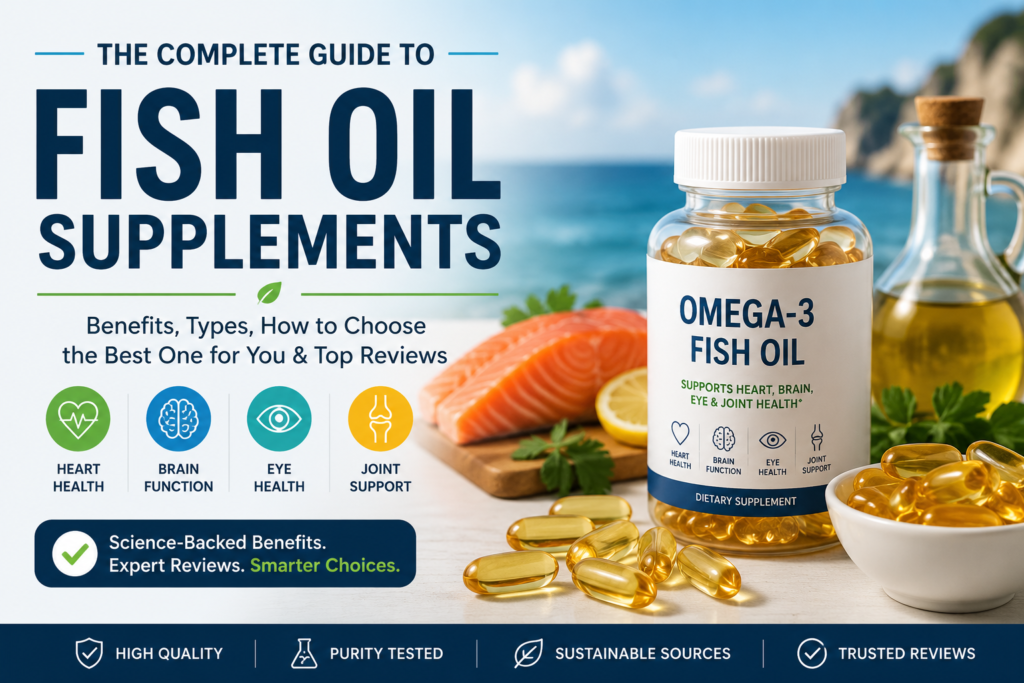
If you’re searching for the Best Fish Oil Supplement, you’re probably looking for more than a bottle filled with omega-3 capsules. You want a supplement that delivers meaningful amounts of EPA and DHA, is sourced responsibly, undergoes purity testing, and provides real value for your health goals.
Fish oil has become one of the most widely used nutritional supplements worldwide because of its potential role in supporting cardiovascular wellness, cognitive function, vision, joint comfort, exercise recovery, and overall healthy aging. Yet the market is crowded with products that vary dramatically in potency, freshness, sustainability, ingredient quality, and formulation.
This guide explores the science behind fish oil benefits, explains how different formulations compare, reviews some of the most respected products currently available, and helps you determine which supplement best aligns with your needs. Whether you’re interested in fish oil benefits for women, fish oil benefits for men, or simply want to understand the long-term omega 3 fish oil benefits, this page provides a structured, in-depth resource designed to answer both practical and technical questions.
If you’re also comparing other nutritional products, visit our guide to Best Supplements for overall health for broader supplement recommendations. You can also explore additional Health and Wellness Products covering nutrition, wellness technology, and healthy living essentials.
Quick Navigation
- What Are Fish Oil Supplements?
- Who Should Consider Fish Oil?
- Fish Oil Benefits
- Omega-3 Fish Oil Benefits Explained
- Fish Oil Benefits for Women
- Fish Oil Benefits for Men
- Cod Liver Oil and Fish Oil Benefits Compared
- EPA vs DHA
- How We Evaluated the Best Fish Oil Supplements
- Best Fish Oil Supplements Reviews 🐠
- Natural Sources: Foods with Omega-3
- Fish Oil Buying Guide
- Dosage Recommendations
- Possible Side Effects
- Latest Research & Upcoming Trends
- Editorial Insights
- Frequently Asked Questions
- People Also Ask
Fish Oil Finder
Find the Best Fish Oil Supplement
Select your primary goal and we’ll recommend the most suitable product from this guide.
What Are Fish Oil Supplements?
Fish oil supplements are concentrated sources of marine-derived omega-3 fatty acids extracted primarily from oily fish. Their nutritional value comes from two essential long-chain fatty acids:
| Omega-3 | Primary Function |
|---|---|
| EPA | Supports cardiovascular function, inflammation balance and exercise recovery |
| DHA | Supports brain structure, vision and nervous system health |
Unlike many plant-based omega-3 sources that mainly provide ALA (alpha-linolenic acid), fish oil delivers EPA and DHA directly, allowing the body to utilize these nutrients without relying heavily on conversion processes that are often inefficient.
Modern fish oil supplements are produced using purification technologies designed to remove contaminants while preserving beneficial fatty acids. Premium manufacturers also focus on freshness, oxidation control, and sustainability to ensure a higher-quality final product.
Who Should Consider Fish Oil?
Fish oil is not reserved for athletes or older adults. Individuals across different stages of life may choose omega-3 supplementation when dietary intake of oily fish is limited.
Common groups include:
- People who rarely consume seafood
- Adults focused on cardiovascular wellness
- Individuals supporting cognitive performance
- Students with demanding mental workloads
- Office professionals with sedentary lifestyles
- Active individuals recovering from exercise
- Older adults interested in healthy aging
- Those looking to support eye comfort during prolonged screen use
- Individuals seeking nutritional support for joint mobility
- Families wanting children’s DHA supplementation
Different life stages may require different EPA-to-DHA ratios, making product selection just as important as deciding to supplement in the first place.
Fish Oil Benefits
Here’s a natural way to integrate the contextual link without interrupting the flow:
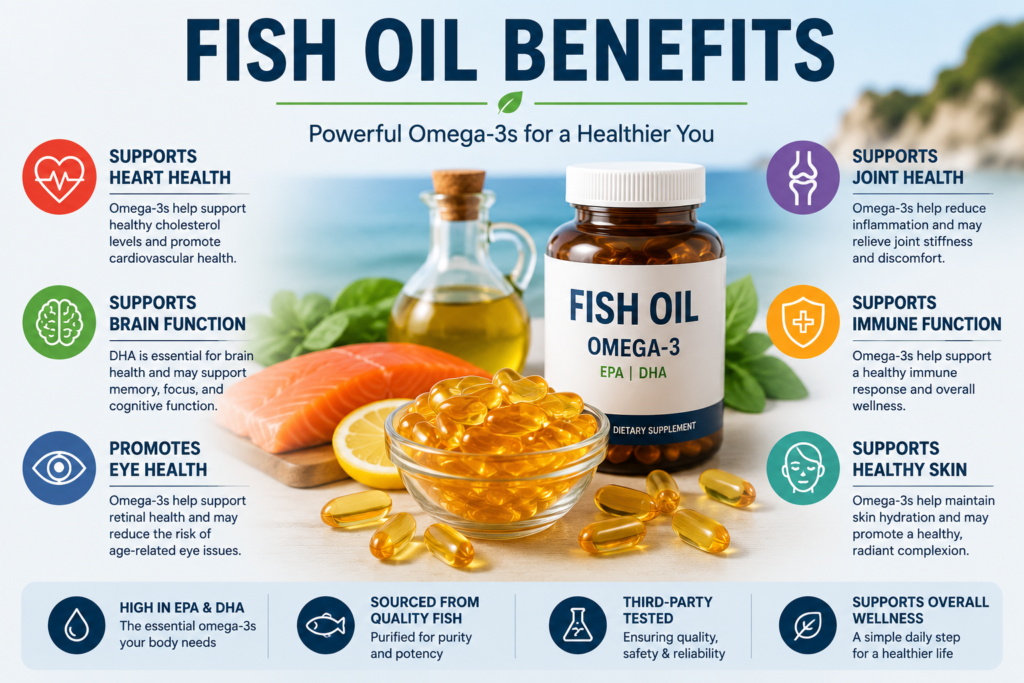
Interest in fish oil has continued growing because omega-3 fatty acids participate in numerous biological processes throughout the body. When combined with foundational nutrients found in best multivitamins, fish oil can play an important role in supporting a balanced daily nutrition routine.
Cardiovascular Support
EPA contributes to maintaining healthy triglyceride levels already within normal ranges while supporting healthy circulation.
Potential areas of support include:
- Heart function
- Healthy blood vessel flexibility
- Circulatory efficiency
- Lipid metabolism
Brain Function
The human brain contains significant amounts of DHA.
Maintaining adequate DHA intake may help support:
- Memory
- Learning
- Focus
- Information processing
- Healthy aging of brain tissue
Vision Support
The retina contains one of the body’s highest concentrations of DHA.
Consistent omega-3 intake may help maintain:
- Retinal integrity
- Tear quality
- Visual comfort
- Long-term eye wellness
Joint Comfort
Omega-3 fatty acids participate in pathways associated with normal inflammatory balance.
Many active individuals choose fish oil to help support:
- Joint mobility
- Recovery
- Daily movement
- Exercise comfort
Exercise Recovery
Athletes often include fish oil alongside adequate protein intake because omega-3s may support post-exercise recovery.
Possible advantages include:
- Muscle recovery
- Recovery between training sessions
- Reduced post-workout stiffness
- Consistent performance
Healthy Aging
Omega-3 intake has become a common component of healthy aging strategies because multiple organs—including the brain, heart, eyes, and joints—utilize DHA and EPA throughout life.
Fish Oil Benefits at a Glance
| Area | Potential Support |
|---|---|
| Heart | Cardiovascular wellness |
| Brain | Cognitive function |
| Eyes | Visual health |
| Joints | Mobility |
| Muscles | Recovery |
| Skin | Hydration support |
| Immune System | Nutritional support |
| Healthy Aging | Whole-body wellness |
Omega-3 Fish Oil Benefits
When people refer to omega 3 fish oil benefits, they are generally describing the combined effects of EPA and DHA working throughout the body rather than a single isolated benefit.
These fatty acids become incorporated into cell membranes, influencing how cells communicate, respond to physical stress, and maintain structural integrity. This explains why omega-3 intake is associated with multiple organ systems instead of just one.
Key advantages include:
- Nutritional support for cardiovascular health
- Brain structural maintenance
- Eye health support
- Joint flexibility
- Exercise recovery
- Healthy immune function
- General wellness
Rather than acting like a medication targeting one condition, fish oil works as a foundational nutrient that contributes to normal physiological processes over time.
Fish Oil Benefits for Women
Women’s nutritional needs change throughout adulthood, making omega-3 intake increasingly important at different stages of life.
Potential areas where fish oil may offer nutritional support include:
Skin Appearance
Healthy fats contribute to maintaining the skin’s natural moisture barrier.
Hair Health
Essential fatty acids support healthy scalp nutrition alongside a balanced diet.
Eye Comfort
Women spending long hours using computers often seek omega-3 supplementation to complement healthy eye care habits.
Healthy Aging
Maintaining adequate DHA intake supports tissues that naturally change with age.
Active Lifestyle Recovery
Women participating in running, strength training, yoga, cycling, or endurance sports frequently include omega-3s as part of their recovery nutrition.
Fish Oil Benefits for Men
Men often choose fish oil to support cardiovascular wellness, athletic recovery, and long-term cognitive health.
Common reasons include:
- Supporting active lifestyles
- Heart health maintenance
- Exercise recovery
- Brain performance
- Joint mobility
- Healthy aging
Many high-potency fish oils emphasize EPA content because physically active adults often prioritize recovery and cardiovascular support.
Cod Liver Oil and Fish Oil Benefits
Although both originate from marine sources, they are not identical supplements.
| Feature | Fish Oil | Cod Liver Oil |
|---|---|---|
| Source | Fatty fish tissue | Cod liver |
| EPA | High | Moderate |
| DHA | High | Moderate |
| Vitamin A | Low | High |
| Vitamin D | Usually added | Naturally present |
| Daily Use | General omega-3 support | Omega-3 plus fat-soluble vitamins |
Cod liver oil provides additional vitamins A and D naturally because these nutrients are stored within the liver. Standard fish oil primarily focuses on concentrated EPA and DHA.
For individuals who already consume sufficient vitamins A and D, traditional fish oil may provide greater flexibility when choosing dosage. Conversely, those looking for both omega-3s and naturally occurring vitamins may find cod liver oil especially appealing.
EPA vs DHA: Understanding the Two Most Important Omega-3 Fatty Acids
Many people assume every fish oil supplement delivers the same nutritional value simply because the label says “Omega-3.” In reality, the balance between EPA (Eicosapentaenoic Acid) and DHA (Docosahexaenoic Acid) often determines how a supplement aligns with different wellness goals.
EPA and DHA work together throughout the body, yet each performs distinct biological functions. Understanding these differences makes it easier to select the Best Fish Oil Supplement for your individual needs.
| Nutrient | Primary Role | Commonly Preferred For |
|---|---|---|
| EPA | Supports cardiovascular health, inflammatory balance and exercise recovery | Heart health, joint comfort, active lifestyles |
| DHA | Structural component of the brain and eyes | Brain function, vision support, prenatal nutrition, children |
Most premium fish oil supplements provide both EPA and DHA because they complement one another. Rather than asking whether EPA or DHA is “better,” the more useful question is whether the ratio matches your nutritional priorities.
Just like balancing your essential fatty acids, ensuring proper micronutrient intake is vital. For instance, finding the best vitamin B12 supplement is critical because Vitamin B12 helps in formation of RBC and DNA…
Why EPA Matters
EPA is incorporated into cell membranes throughout the body and plays an important role in maintaining normal inflammatory responses. Individuals focused on cardiovascular wellness, physical activity, or healthy aging often seek products containing higher EPA concentrations.
High-EPA formulas are commonly selected by:
- Active adults
- Individuals supporting heart health
- People interested in exercise recovery
- Adults focused on long-term wellness
Why DHA Matters
DHA is one of the most abundant fatty acids found in the brain and retina. Since these tissues require DHA throughout life, many specialists recommend consistent dietary intake.
Higher DHA formulations are commonly chosen for:
- Brain health
- Eye health
- Healthy aging
- Prenatal nutrition
- Children’s development
Choosing the Right EPA-to-DHA Ratio
There is no universal ratio that works for everyone. Instead, consider your primary objective.
| Goal | Suggested Formula Characteristics |
|---|---|
| General wellness | Balanced EPA and DHA |
| Heart support | Higher EPA |
| Brain support | Higher DHA |
| Healthy aging | Balanced with high total Omega-3 content |
| Family nutrition | Moderate EPA and DHA with verified purity |
Looking beyond the “Fish Oil” amount on the front label is equally important. A supplement containing 2,000 mg of fish oil may provide significantly less EPA and DHA than another product with a lower total oil content but greater omega-3 concentration.
How We Evaluated the Best Fish Oil Supplements
Every fish oil supplement featured in this guide was assessed using the same editorial framework to ensure fair comparisons. Instead of focusing solely on brand popularity, the evaluation emphasizes quality, nutritional value, transparency, and overall usefulness.
Omega-3 Potency
The most meaningful measurement is not the amount of fish oil itself but the combined quantity of EPA and DHA delivered in each serving. Products with higher concentrations often require fewer capsules to achieve similar intake.
Ingredient Quality
Preference is given to supplements that use:
- Wild-caught marine sources
- Sustainably harvested fisheries
- Minimal unnecessary fillers
- Clearly disclosed ingredient lists
Purity Standards
High-quality fish oil should undergo purification processes designed to reduce environmental contaminants while preserving omega-3 integrity.
Editorial consideration includes:
- Heavy metal testing
- Oxidation control
- Freshness
- Third-party quality verification
Sustainability
Responsible sourcing helps protect marine ecosystems while supporting long-term seafood availability.
Preferred characteristics include:
- Sustainable fisheries
- Certified harvesting practices
- Responsible marine resource management
Ease of Use
Daily supplementation becomes more effective when individuals consistently take their products. Capsules should be easy to swallow, while liquids should have an acceptable taste and convenient serving methods.
Overall Value
Value extends beyond price. A higher-cost supplement may ultimately provide better nutritional efficiency if it delivers substantially more EPA and DHA per serving.
Looking for a Specific Type of Fish Oil?
If you’re still deciding which supplement best matches your needs, use the Fish Oil Recommendation Finder above for a personalized suggestion based on your wellness goals.
Already know what you’re looking for? Continue below to explore our hands-on reviews of the top fish oil supplements, including their strengths, ideal use cases, and our editorial recommendations.
🔍 Open Fish Oil Recommendation FinderBest Fish Oil Supplements
Youtheory Ocean Friendly Omega 120 Softgels

- Vegan Omega 3 Supplement: Youtheory Ocean-Friendly Omega provides 770 mg of plant-based omega-3s from high-quality algae…
- No Fishy Aftertaste: This algae omega 3 supplement supports heart, brain, and eye health with DHA and EPA
- More Sustainable DHA & EPA: Ocean-Friendly Omega is a heart healthy, vegetarian omega 3 supplement that’s mercury-free a…
Overview
Youtheory Ocean Friendly Omega is designed for individuals who want a sustainably sourced omega-3 supplement while minimizing environmental impact. The formula focuses on responsible marine sourcing without sacrificing nutritional quality.
Best For
- Everyday wellness
- Environmentally conscious individuals
- Heart health support
- General omega-3 supplementation
Highlights
- Ocean-friendly sourcing
- Softgel format
- Daily EPA and DHA intake
- Suitable for long-term supplementation
Formula Analysis
The emphasis on sustainability makes this supplement particularly appealing for individuals who value responsible harvesting practices alongside nutritional benefits. Its balanced omega-3 profile supports everyday health rather than targeting a single specialized need.
Advantages
- Sustainably sourced
- Easy daily routine
- Well-balanced formula
- Suitable for long-term use
Things to Consider
Those seeking extremely high EPA concentrations for specialized wellness goals may prefer higher-potency alternatives.
Editorial Verdict
Youtheory successfully combines environmental responsibility with dependable omega-3 nutrition, making it an excellent entry point for individuals beginning fish oil supplementation.
Vitafusion Omega-3 Gummy Vitamins
Overview
Vitafusion offers an alternative for individuals who dislike swallowing capsules. These berry lemonade flavored gummies combine omega-3 fatty acids with vitamins A, C, D, and E, creating a convenient daily nutritional supplement.
Best For
- Individuals who dislike softgels
- Families
- Daily wellness
- Beginners
Highlights
- Pleasant taste
- Added vitamins
- Easy-to-chew gummies
- Convenient routine
Formula Analysis
Although gummies generally contain less EPA and DHA than concentrated fish oil capsules, they often improve daily consistency because they are easier to take.
For many individuals, maintaining a regular supplementation habit can be more valuable than purchasing an extremely potent product that is used inconsistently.
Advantages
- Excellent taste
- No large capsules
- Added vitamins
- Encourages routine use
Things to Consider
Individuals seeking maximum omega-3 intake may require softgel or liquid formulations instead.
Editorial Verdict
Vitafusion bridges the gap between convenience and nutrition, making omega-3 supplementation more approachable for many households.
TheraTears Omega 3 Supplement 1200 mg
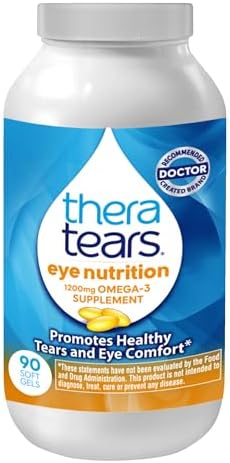
- Omega 3 supplement: TheraTears 1200mg Omega 3 supplements provide key nourishment to support eye care
- Clinically tested: This blend of triglyceride fish oil and organic flaxseed oil with vitamin E has been clinically teste…
- Improve eye health: This fish oil blend contains 450mg EPA, 300mg DHA, and 450mg ALA per serving, to nourish the eyes an…
Overview
TheraTears Omega-3 focuses on nutritional support for eye comfort while still delivering the broader wellness benefits associated with marine omega-3 fatty acids.
Best For
- Heavy screen users
- Office professionals
- Students
- Individuals interested in eye wellness
Highlights
- High-quality fish oil
- Eye health focus
- Convenient daily serving
- Trusted wellness brand
Formula Analysis
Because DHA is an important structural component of the retina, products emphasizing eye health often appeal to people spending long hours using computers and digital devices.
Advantages
- Supports visual wellness
- Convenient dosing
- High-quality formulation
- Easy daily routine
Things to Consider
Those prioritizing athletic recovery may prefer products with substantially higher EPA concentrations.
Editorial Verdict
TheraTears occupies a unique position by combining general omega-3 nutrition with an eye-health-oriented formulation, making it especially relevant in today’s screen-focused lifestyle.
New Chapter Wholemega Fish Oil Supplement – 2000 mg per Serving

- WILD-CAUGHT FISH OIL: 100% Wild Alaskan Salmon oil – carefully regulated by the State of Alaska to meet pre-set quotas. …
- CLINICALLY PROVEN HEART SUPPORT: Shown to retain healthy triglyceride levels and improve the Omega-3 Index in just 2 wee…
- TESTED FOR PURITY: Every batch meets or exceeds strict NSF testing standards for mercury & other heavy metals. No bleach…
Overview
New Chapter Wholemega takes a different approach from many conventional fish oil supplements by using oil derived from wild Alaskan salmon rather than relying solely on purified fish body oil concentrates. The formula naturally contains omega-3 fatty acids alongside naturally occurring vitamin D3 and astaxanthin, creating a more food-based nutritional profile.
For individuals who prefer supplements that remain closer to their natural state, Wholemega offers an appealing balance between potency and whole-food nutrition.
Best For
- Individuals who prefer food-based nutrition
- Daily wellness routines
- Healthy aging
- Heart and brain support
Highlights
- Wild Alaskan salmon oil
- Naturally occurring Vitamin D3
- Naturally occurring Astaxanthin
- Whole-food inspired formula
- Easy-to-swallow softgels
Formula Analysis
Unlike highly concentrated fish oils that isolate EPA and DHA, Wholemega retains additional naturally occurring marine nutrients found within salmon oil. While EPA and DHA levels may not be the highest in its category, the broader nutritional profile appeals to individuals looking beyond omega-3 content alone.
This philosophy resembles eating nutrient-rich seafood rather than extracting only selected compounds.
Advantages
- Whole-food nutritional profile
- Naturally occurring antioxidants
- Sustainably sourced salmon
- Suitable for everyday supplementation
Things to Consider
Those specifically seeking maximum EPA per serving for specialized cardiovascular or athletic goals may benefit from a higher-potency concentrate.
Editorial Verdict
New Chapter Wholemega stands out by emphasizing nutritional completeness instead of simply maximizing omega-3 numbers. It is an excellent option for individuals who appreciate supplements that reflect the nutritional complexity of real seafood.
Metagenics OmegaGenics Fish Oil EPA-DHA 720 mg
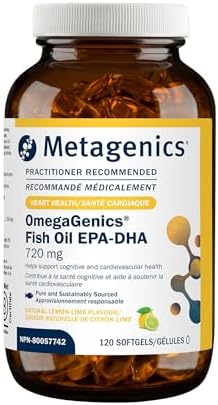
- High-potency fish oil supplement providing 720 mg of combined EPA and DHA omega-3 fatty acids per serving to support car…
- Purity tested and sustainably sourced from cold-water fish; rigorously screened for heavy metals, pesticides, and other …
- Antioxidant-stabilized and flavored with natural lemon-lime for freshnessno fishy aftertaste; formulated for optimal abs…
Overview
Metagenics OmegaGenics is formulated with clinical nutrition in mind, emphasizing purity, consistency, and concentrated EPA and DHA levels. The supplement is frequently recognized for its pharmaceutical-style manufacturing standards and quality-focused production process.
Its balanced formulation makes it suitable for individuals seeking dependable daily omega-3 intake without unnecessary ingredients.
Best For
- Heart health support
- Joint wellness
- Cognitive health
- Individuals prioritizing supplement quality
Highlights
- High-potency EPA and DHA
- Purity-tested fish oil
- Sustainably sourced
- Professional-quality formulation
- Softgel convenience
Formula Analysis
The formulation prioritizes concentrated omega-3 delivery while maintaining strict quality standards. Rather than relying on excessive capsule counts, OmegaGenics provides efficient EPA and DHA intake within a practical daily serving.
Its emphasis on manufacturing consistency also makes it attractive to individuals who value predictable nutritional intake.
Advantages
- Excellent purity standards
- Concentrated omega-3 content
- Reliable manufacturing
- Comprehensive wellness support
Things to Consider
Individuals seeking flavored liquid fish oil or naturally occurring vitamins may prefer alternative formulations.
Editorial Verdict
Metagenics OmegaGenics delivers exactly what many experienced supplement users seek: concentrated omega-3 nutrition backed by a strong focus on quality, consistency, and ingredient integrity.
Nordic Naturals Omega-3 Lemon Flavor

- WHY OMEGA-3s – Research shows that the essential fatty acids EPA & DHA in fish oil support heart, brain, eye & immune he…
- PERFECT FOR THOSE NEW TO FISH OIL – Nordic Naturals Omega-3 provides a generous serving of omega-3s in soft gels, and me…
- BETTER ABSORPTION, BETTER TASTE, NO FISHY BURPS – All of our omega-3 fish oils are offered in the triglyceride molecular…
Overview
Nordic Naturals has earned a strong reputation for producing premium marine omega-3 supplements sourced from responsibly harvested fish. Its Lemon Flavor softgels are designed to improve the overall supplementation experience while delivering balanced EPA and DHA.
The pleasant lemon flavor also helps reduce the fishy aftertaste that discourages many people from taking fish oil consistently.
Best For
- Everyday supplementation
- Families
- Individuals sensitive to fishy aftertaste
- Long-term wellness
Highlights
- Lemon-flavored softgels
- Balanced EPA and DHA
- Non-GMO ingredients
- Sustainably sourced fish
- High manufacturing standards
Formula Analysis
Nordic Naturals focuses equally on nutritional quality and user experience. Freshness, oxidation control, and careful processing help preserve omega-3 integrity while improving taste and digestion.
The balanced EPA-to-DHA ratio makes this supplement suitable for supporting multiple aspects of overall wellness rather than concentrating on one specific health objective.
Advantages
- Pleasant flavor
- Excellent freshness standards
- Trusted quality
- Consistent omega-3 delivery
Things to Consider
Individuals requiring exceptionally high EPA doses may require additional servings or a more concentrated product.
Editorial Verdict
Nordic Naturals continues to set a high standard for premium fish oil supplements by combining quality sourcing, excellent manufacturing practices, and an enjoyable daily experience.
Sports Research Omega-3 Fish Oil 1250 Triple Strength

- ALWAYS FRESH, NEVER FISHY: Say goodbye to fishy aftertaste, burps, and lingering odor. Our Triple Strength Omega-3 Fish …
- WHAT’S INSIDE – JUST ONE A DAY: Each pescatarian-friendly softgel delivers 1250mg of fish oil, providing a minimum of 10…
- SUSTAINABLY SOURCED FROM ALASKA POLLOCK: We source exclusively from wild-caught Alaska Pollock harvested in the cold, pr…
Overview
Sports Research Omega-3 Fish Oil 1250 is designed for individuals seeking higher omega-3 concentrations without increasing capsule intake. Derived from Wild Alaska Pollock, it emphasizes potency while maintaining sustainability certifications.
Its triple-strength formula appeals particularly to active adults who want maximum nutritional efficiency.
Best For
- Athletes
- Fitness enthusiasts
- High EPA intake
- Daily performance nutrition
Highlights
- Triple-strength omega-3
- Wild Alaska Pollock
- MSC Certified Sustainable
- Non-GMO
- Soy-free formula
Formula Analysis
Concentrated formulations reduce the number of capsules required to achieve substantial EPA and DHA intake. This improves convenience while supporting consistent long-term supplementation.
Wild Alaska Pollock is also recognized as a sustainable marine resource, making the supplement attractive to environmentally conscious individuals.
Advantages
- High omega-3 concentration
- Sustainable sourcing
- Minimal unnecessary ingredients
- Excellent potency
Things to Consider
Higher-potency supplements may be unnecessary for individuals simply looking to increase dietary omega-3 intake modestly.
Editorial Verdict
Sports Research successfully combines high potency with responsible sourcing, making it one of the strongest choices for physically active individuals seeking concentrated omega-3 nutrition.
Carlson Cod Liver Oil
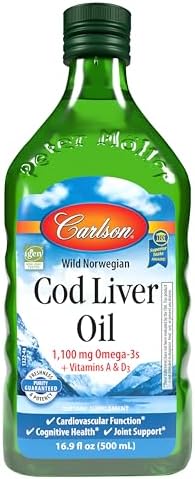
- AWARD-WINNING NATURAL FLAVOR – Easy to fit into your daily routine straight from the spoon, or mixed into your yogurt, s…
Overview
Carlson Cod Liver Oil differs from conventional fish oil by naturally providing vitamins A and D alongside EPA and DHA. Produced from wild Norwegian Arctic cod, it remains one of the longest-established cod liver oil supplements available.
This combination makes it appealing for individuals interested in both omega-3 fatty acids and naturally occurring fat-soluble vitamins.
Best For
- Individuals interested in cod liver oil
- Family nutrition
- Healthy aging
- Comprehensive marine nutrition
Highlights
- Wild Norwegian Arctic cod
- Naturally occurring Vitamin A
- Naturally occurring Vitamin D
- Liquid formulation
- Sustainably sourced
Formula Analysis
Because cod liver stores fat-soluble vitamins, the resulting oil offers nutritional components that ordinary fish oil does not naturally contain. This broader nutrient profile appeals to individuals seeking multiple marine-derived nutrients within one supplement.
Advantages
- Naturally occurring vitamins
- High-quality sourcing
- Liquid format allows dosage flexibility
- Long-standing reputation
Things to Consider
Individuals already consuming high levels of Vitamins A and D should monitor their total intake before selecting cod liver oil.
Editorial Verdict
Carlson Cod Liver Oil remains one of the benchmark products in its category, offering a combination of omega-3 fatty acids and naturally occurring vitamins that few conventional fish oils provide.
Carlson The Very Finest Fish Oil

- Promotes cardiovascular, cognitive, and joint function
- 1,600 mg of omega-3s per teaspoonful
- Wild caught and sustainably sourced
Overview
Carlson The Very Finest Fish Oil is formulated for individuals who prefer liquid fish oil over capsules. Its high omega-3 concentration, pleasant lemon flavor, and Norwegian sourcing have made it a popular choice for families and long-term supplementation.
Best For
- Individuals preferring liquid supplements
- Families
- High omega-3 intake
- Flexible serving sizes
Highlights
- 1,600 mg Omega-3
- Lemon flavor
- Wild-caught Norwegian fish
- Sustainably sourced
- Easy dosage adjustment
Formula Analysis
Liquid fish oil offers several practical advantages. It allows serving sizes to be adjusted more easily while eliminating the need to swallow multiple capsules.
For households where multiple family members consume fish oil, liquid formulations can also simplify daily routines.
Advantages
- High potency
- Pleasant flavor
- Flexible dosing
- Excellent manufacturing standards
Things to Consider
Liquid fish oil requires refrigeration after opening and should be consumed according to freshness recommendations.
Editorial Verdict
Carlson The Very Finest Fish Oil delivers premium-quality omega-3 nutrition in a liquid format that combines convenience, freshness, and outstanding versatility.
Nature’s Garden Omega 3 Deluxe Mix

- Top Shelf Ingredients – Our Omega 3 Deluxe Mix, are made with all natural ingredients of the highest quality. So rest as…
- Free From Nasties – We’ve ditched the bad stuff and are bringing you that good trail mix bulk. Our Omega 3 Deluxe Mix is…
- For Every Diets – Say goodbye to selective snacking and hello to savvy snacking, with a omega trail mix designed for eve…
Overview
Not everyone prefers obtaining omega-3 fatty acids exclusively from supplements. Nature’s Garden Omega 3 Deluxe Mix offers a food-first alternative by combining nuts and seeds into individually portioned trail mix packs that fit easily into busy lifestyles.
Although it does not provide the same EPA and DHA levels found in marine fish oil, it contributes plant-based omega-3 fatty acids alongside fiber, healthy fats, minerals, and antioxidants. It works well as a complementary nutritional snack rather than a replacement for high-potency fish oil supplements.
Best For
- Healthy snacking
- Office professionals
- Students
- Individuals wanting additional dietary omega-3 intake
- Travel-friendly nutrition
Highlights
- Individually portioned packs
- Heart-healthy snack
- Gluten free
- Cholesterol free
- No artificial ingredients
- Naturally rich in healthy fats
Formula Analysis
Unlike marine-derived fish oil, this mix primarily supplies alpha-linolenic acid (ALA), which the body converts into EPA and DHA in limited amounts. However, its overall nutritional profile extends well beyond omega-3s, providing protein, fiber, and micronutrients that contribute to a balanced diet.
It serves a different purpose than fish oil capsules. Instead of replacing them, it helps improve overall dietary quality.
Advantages
- Convenient daily snack
- Rich in healthy fats
- Excellent travel option
- Supports balanced nutrition
- No preparation required
Things to Consider
Individuals specifically seeking the full omega 3 fish oil benefits associated with EPA and DHA should still consider a dedicated marine-based supplement.
Editorial Verdict
Nature’s Garden Omega 3 Deluxe Mix is an excellent nutritional companion for individuals building healthier eating habits. While it is not a substitute for concentrated fish oil, it complements supplementation by increasing daily intake of wholesome, nutrient-dense foods.
Nordic Naturals Children’s DHA Strawberry
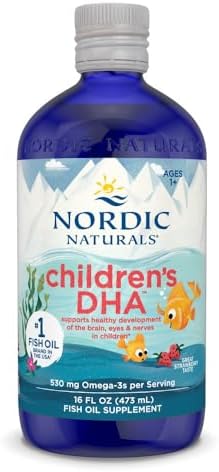
- WHY OMEGA-3S – Children’s DHA is a naturally balanced source of the omega-3s EPA and DHA that growing kids need for heal…
- SAFE & RELIABLE – This liquid fish oil is made from 100% wild Arctic cod. Purified fish oil is the safest and most relia…
- BETTER ABSORPTION, BETTER TASTE – All Nordic Naturals fish oils are in the triglyceride form (the form naturally found i…
Overview
Children have different nutritional requirements than adults, particularly during periods of rapid growth and brain development. Nordic Naturals Children’s DHA is formulated specifically with younger individuals in mind, delivering marine-derived DHA and EPA in child-appropriate amounts.
Its strawberry flavor helps encourage consistency, making daily supplementation easier for families.
Best For
- Children
- Brain development
- Learning support
- Healthy vision
- Family nutrition
Highlights
- Child-friendly strawberry flavor
- Marine-derived DHA
- EPA and DHA
- Non-GMO ingredients
- Easy daily serving
- Long-lasting bottle
Formula Analysis
DHA is one of the primary structural fats found within the developing brain and retina. During childhood, consistent dietary intake supports normal growth alongside a balanced diet rich in essential nutrients.
Nordic Naturals focuses on purity and freshness while producing a formulation designed specifically for children rather than simply reducing the dosage of an adult supplement.
Advantages
- Designed specifically for children
- Pleasant taste
- High-quality marine ingredients
- Long serving supply
- Trusted manufacturing standards
Things to Consider
Parents should always follow age-appropriate serving recommendations and consult a healthcare professional when introducing supplements to young children.
Editorial Verdict
Nordic Naturals Children’s DHA remains one of the strongest options for families looking to support healthy brain and eye development through a child-focused omega-3 supplement.
Product Comparison Chart
Selecting the Best Fish Oil Supplement becomes much easier when comparing formulations side by side. The products featured in this guide each serve different nutritional priorities, ranging from everyday wellness to specialized support for active lifestyles or family nutrition.
| Product | Best For | Form | Key Strength |
|---|---|---|---|
| Youtheory Ocean Friendly Omega | Everyday wellness | Softgel | Sustainable sourcing |
| Vitafusion Omega-3 Gummies | Beginners | Gummies | Easy daily use |
| TheraTears Omega 3 | Eye health | Softgel | Vision-focused nutrition |
| New Chapter Wholemega | Whole-food nutrition | Softgel | Salmon oil with natural nutrients |
| Metagenics OmegaGenics | Clinical-quality supplementation | Softgel | High purity standards |
| Nordic Naturals Omega-3 | Overall wellness | Softgel | Freshness and balanced EPA/DHA |
| Sports Research Triple Strength | Active lifestyles | Softgel | High-potency omega-3 |
| Carlson Cod Liver Oil | Vitamins A & D | Liquid | Naturally occurring vitamins |
| Carlson The Very Finest Fish Oil | Liquid supplementation | Liquid | Flexible serving sizes |
| Nature’s Garden Omega 3 Deluxe Mix | Healthy snacking | Trail Mix | Whole-food nutrition |
| Nordic Naturals Children’s DHA | Children | Liquid | Child-specific formulation |
Best Fish Oil Supplements by Category
Different nutritional goals often call for different formulations. Instead of trying to identify a single supplement that works for everyone, consider the category that best matches your lifestyle.
| Category | Recommended Product | Why It Stands Out |
|---|---|---|
| Best Overall | Nordic Naturals Omega-3 | Excellent balance of quality, freshness, and versatility |
| Best High Potency | Sports Research Triple Strength | High EPA and DHA concentration |
| Best Whole-Food Formula | New Chapter Wholemega | Naturally occurring marine nutrients |
| Best Professional Quality | Metagenics OmegaGenics | Exceptional manufacturing standards |
| Best Liquid Fish Oil | Carlson The Very Finest Fish Oil | Flexible dosing with premium sourcing |
| Best Cod Liver Oil | Carlson Cod Liver Oil | Natural vitamins A and D |
| Best Gummies | Vitafusion Omega-3 Gummies | Convenient and beginner-friendly |
| Best Sustainable Choice | Youtheory Ocean Friendly Omega | Responsible sourcing practices |
| Best Eye Health Formula | TheraTears Omega 3 | Designed with visual wellness in mind |
| Best Children’s Formula | Nordic Naturals Children’s DHA | Child-specific DHA nutrition |
| Best Food-Based Alternative | Nature’s Garden Omega 3 Deluxe Mix | Convenient whole-food nutrition |
Natural Sources: Foods with Omega 3
Although supplements provide a practical way to increase EPA and DHA intake, obtaining omega-3s from whole foods remains an important part of a balanced diet. Fatty fish naturally contain protein, vitamins, minerals, and beneficial fats that work together as part of complete nutrition.
Including seafood regularly alongside a quality supplement can help create a more consistent intake of marine omega-3 fatty acids.
Mackerel
Mackerel is one of the richest natural sources of EPA and DHA. It also provides vitamin D, selenium, vitamin B12, and high-quality protein. Because of its naturally high oil content, even moderate servings contribute meaningful amounts of omega-3.
Salmon
Salmon remains one of the world’s most popular omega-3-rich foods. Wild and responsibly farmed salmon both provide substantial EPA and DHA, making salmon an excellent dietary companion to fish oil supplementation.
It also supplies:
- Complete protein
- Vitamin D
- Selenium
- Potassium
- B vitamins
Cod Liver Oil
Unlike ordinary fish oil extracted from fatty tissue, cod liver oil is produced from the liver of cod. It naturally contains omega-3 fatty acids together with vitamins A and D, making it a unique nutritional option for individuals seeking both essential fats and fat-soluble vitamins.
Herring
Herring is a small oily fish known for its impressive omega-3 concentration. It is commonly enjoyed smoked, pickled, or grilled and provides a balanced combination of EPA, DHA, protein, and vitamin D.
Oysters
Oysters contribute smaller amounts of omega-3 than fatty fish but compensate with exceptional mineral content, including zinc, copper, selenium, and iron. They represent a nutrient-dense seafood choice that supports overall dietary variety.
Sardines
Sardines offer one of the best nutritional values among seafood. Because they are consumed whole, they also provide calcium from their edible bones in addition to EPA, DHA, vitamin D, and high-quality protein.
Anchovies
Anchovies may be small, but they are remarkably nutrient dense. They deliver concentrated omega-3 fatty acids while adding bold flavor to salads, pizzas, sauces, and Mediterranean dishes.
Chopped Clams
Clams are primarily known for their protein, iron, and vitamin B12 content, but they also contribute beneficial marine omega-3 fatty acids. They work well in soups, pasta dishes, seafood stews, and chowders.
Omega-3 Food Comparison
| Food | Omega-3 Level | Additional Nutritional Benefits |
|---|---|---|
| Mackerel | Very High | Vitamin D, Selenium, Protein |
| Salmon | Very High | Protein, B Vitamins, Potassium |
| Cod Liver Oil | Very High | Vitamins A and D |
| Herring | High | Vitamin D, Protein |
| Sardines | High | Calcium, Protein |
| Anchovies | Moderate to High | Calcium, Selenium |
| Oysters | Moderate | Zinc, Iron, Copper |
| Chopped Clams | Moderate | Vitamin B12, Iron, Protein |
The strongest long-term nutritional strategy often combines regular consumption of omega-3-rich seafood with a high-quality fish oil supplement when dietary intake alone is not sufficient. This approach helps maximize the broad spectrum of fish oil benefits, supports consistent EPA and DHA intake, and contributes to overall dietary quality rather than relying on supplementation alone.
How to Choose the Best Fish Oil Supplement
The growing popularity of omega-3 supplements has resulted in hundreds of products competing for attention. While many labels make similar claims, the differences between products often become clear only after examining the nutrition facts, ingredient sourcing, manufacturing standards, and omega-3 concentration.
Choosing the Best Fish Oil Supplement should begin with your personal wellness goals rather than the brand name alone. A supplement designed for athletic recovery may not be the best option for someone prioritizing brain health, while a family-focused formula differs significantly from a clinical-strength product.
Match the Formula to Your Health Goals
Before comparing products, identify the primary reason you want to increase your omega-3 intake.
| Primary Goal | What to Look For |
|---|---|
| General wellness | Balanced EPA and DHA with moderate potency |
| Heart health | Higher EPA content and concentrated omega-3s |
| Brain support | Higher DHA levels |
| Eye health | DHA-rich formulas with quality purification |
| Joint mobility | Higher total EPA and DHA |
| Family nutrition | Balanced formula with verified purity |
| Children’s nutrition | Age-appropriate DHA formulation |
| Whole-food nutrition | Salmon oil or minimally processed marine oils |
Selecting a supplement based on your nutritional objective often leads to better long-term satisfaction than simply purchasing the highest-potency product available.
Focus on EPA and DHA Instead of Total Fish Oil
One of the most common mistakes is judging a supplement by the amount of fish oil listed on the front of the bottle.
For example, two products may both advertise 2,000 mg Fish Oil, yet one may provide significantly more EPA and DHA because it uses a more concentrated formulation.
Always compare:
- EPA per serving
- DHA per serving
- Total omega-3 fatty acids
- Number of capsules required
These values provide a much clearer picture of nutritional value than total fish oil alone.
Look for Sustainable Marine Sources
High-quality fish oil begins with responsible harvesting. Sustainable fisheries help protect marine ecosystems while maintaining long-term seafood populations.
Common marine sources include:
- Wild Alaska Pollock
- Wild Salmon
- Sardines
- Anchovies
- Mackerel
- Norwegian Arctic Cod
Smaller fish are often preferred because they naturally accumulate fewer environmental contaminants than larger predatory species.
Purity Should Never Be Overlooked
Fish naturally absorb substances from their environment, making purification one of the most important aspects of manufacturing.
Premium fish oil supplements commonly undergo purification processes intended to reduce:
- Heavy metals
- Industrial pollutants
- Environmental contaminants
- Oxidized oils
Many manufacturers also perform third-party testing to verify product quality before release.
Consider the Delivery Format
Different formulations suit different lifestyles.
| Format | Advantages | Considerations |
|---|---|---|
| Softgels | Convenient, portable, familiar | May require multiple capsules |
| Liquid Fish Oil | Flexible serving sizes, high potency | Refrigeration after opening |
| Gummies | Easy to consume | Usually lower EPA and DHA |
| Whole-Food Marine Oils | Naturally occurring nutrients | Lower omega-3 concentration than concentrates |
The best format is the one you can comfortably take every day.
Understanding Fish Oil Labels
Fish oil labels often contain technical terms that can confuse even experienced supplement users. Learning how to interpret these details helps separate marketing language from meaningful nutritional information.
Fish Oil vs Total Omega-3
These values are not interchangeable.
For example:
- Fish Oil: 2,000 mg
- Total Omega-3: 1,200 mg
The remaining oil naturally contains other marine fatty acids and lipids that are not classified as EPA or DHA.
The number that matters most when comparing supplements is the total amount of EPA and DHA provided in each serving.
Serving Size Matters
Some labels appear impressive until you notice the serving size.
Example:
| Product | Capsules Required | Total Omega-3 |
|---|---|---|
| Product A | 1 | 900 mg |
| Product B | 4 | 900 mg |
Although both provide identical omega-3 intake, one requires four times as many capsules.
Freshness Matters More Than Many People Realize
Omega-3 fatty acids are delicate oils that gradually oxidize when exposed to heat, oxygen, or light.
Fresh fish oil should have:
- Minimal odor
- Clean taste
- Clear appearance
- Proper storage recommendations
An unpleasant fishy smell can sometimes indicate oxidation rather than the natural aroma of marine oils.
Recommended Daily Dosage
There is no single dosage appropriate for every individual. Daily omega-3 requirements vary depending on dietary intake, age, lifestyle, and personal wellness objectives.
The following chart illustrates common supplementation approaches rather than individualized medical recommendations.
| Wellness Goal | Typical Daily EPA + DHA Range |
|---|---|
| General wellness | Moderate intake |
| Heart support | Moderate to higher intake |
| Brain health | Balanced DHA-rich intake |
| Active lifestyles | Higher total omega-3 intake |
| Eye support | DHA-focused intake |
Rather than pursuing the highest possible dosage, consistency often delivers greater long-term nutritional value.
A supplement taken regularly over months is generally more beneficial than an exceptionally potent product taken only occasionally.
Safety, Side Effects and Drug Interactions
Fish oil is widely used and generally well tolerated when consumed according to product directions. Like any nutritional supplement, however, it may not be appropriate for everyone.
Common Mild Effects
Some individuals may experience:
- Fishy aftertaste
- Mild digestive discomfort
- Temporary burping
- Fullness after meals
Many of these effects can be minimized by taking supplements with food or choosing high-quality products that emphasize freshness.
Individuals Who Should Exercise Additional Caution
Before beginning supplementation, professional guidance may be appropriate for individuals who:
- Take blood-thinning medications
- Have upcoming surgical procedures
- Have seafood allergies
- Are pregnant or breastfeeding
- Have ongoing medical conditions requiring dietary management
Personalized advice helps ensure fish oil fits safely within an overall wellness plan.
Storage and Freshness
Omega-3 oils are sensitive to environmental conditions. Proper storage helps preserve freshness, nutritional quality, and flavor throughout the product’s shelf life.
Best Storage Practices
- Keep containers tightly closed.
- Store away from direct sunlight.
- Avoid excessive heat.
- Follow refrigeration instructions for liquid products.
- Observe expiration dates.
Once oxidation begins, nutritional quality gradually declines even if the supplement still appears normal.
Sustainability and Purity Standards
Today’s consumers increasingly consider environmental responsibility alongside nutritional value.
Many premium manufacturers invest in sustainable harvesting practices that protect marine ecosystems while maintaining high production standards.
When comparing products, look for brands that emphasize:
- Responsible fisheries
- Sustainable sourcing
- Species traceability
- Purity testing
- Quality assurance
- Freshness monitoring
These practices contribute to both environmental stewardship and product consistency.
Common Marketing Claims Explained
Supplement labels often feature bold statements that sound impressive but may not always communicate meaningful differences.
Understanding these terms helps you make informed purchasing decisions.
| Marketing Claim | What It Usually Means |
|---|---|
| Triple Strength | Higher omega-3 concentration per serving |
| Molecularly Distilled | Additional purification process |
| Wild-Caught | Fish harvested from natural marine environments |
| Sustainably Sourced | Harvested using responsible fishing practices |
| Non-GMO | Ingredients are not genetically modified |
| Burpless | Designed to reduce fishy aftertaste |
| Pharmaceutical Grade | Manufacturing terminology that varies between brands and regions |
Instead of relying solely on front-label claims, compare the complete nutrition panel, EPA and DHA amounts, ingredient sourcing, and quality testing information.
An informed comparison almost always provides a better indication of product quality than marketing language alone.
Fish Oil Purchasing Checklist
Before selecting your next supplement, review this simple checklist.
| Evaluation Point | Why It Matters |
|---|---|
| EPA and DHA clearly listed | Confirms actual omega-3 content |
| Appropriate potency | Matches your wellness goals |
| Sustainable marine source | Supports responsible harvesting |
| Purity testing | Helps ensure product quality |
| Fresh manufacturing | Preserves omega-3 integrity |
| Convenient serving size | Encourages consistent daily use |
| Trusted manufacturer | Reflects quality control standards |
| Suitable format | Softgel, liquid, or gummy based on preference |
A thoughtful purchasing decision considers far more than price alone. By evaluating potency, purity, sustainability, freshness, and ease of use together, you are more likely to find a supplement that supports consistent long-term use and helps you experience the full range of fish oil benefits and omega 3 fish oil benefits.
Latest Research & Upcoming Trends
Fish oil supplementation has evolved considerably over the past decade. Earlier products focused almost entirely on increasing omega-3 intake, while newer formulations emphasize purity, bioavailability, sustainability, and targeted nutritional support. As nutritional science continues to develop, manufacturers are investing in technologies that improve both product quality and the overall user experience.
One noticeable trend is the move toward higher concentrations of EPA and DHA. Rather than requiring several capsules each day, many premium supplements now provide more omega-3 fatty acids in fewer servings, making long-term supplementation more practical.
Another area receiving increased attention is freshness. Because omega-3 fatty acids are sensitive to oxygen, heat, and light, manufacturers are improving packaging, refining production methods, and monitoring oxidation more closely. These improvements help preserve nutritional quality throughout the product’s shelf life.
Sustainability Is Becoming a Standard
Environmental responsibility has become an important consideration for both manufacturers and consumers.
Future fish oil production is expected to focus on:
- Responsible fishery management
- Improved marine conservation
- Greater supply chain transparency
- Reduced environmental impact
- Sustainable harvesting certifications
As demand continues to grow worldwide, protecting marine ecosystems is becoming just as important as producing high-quality supplements.
More Personalized Omega-3 Nutrition
Rather than producing one formula for everyone, manufacturers are increasingly designing supplements around specific nutritional goals.
Examples include:
- Brain-focused DHA formulas
- High-EPA cardiovascular formulations
- Eye-health blends
- Children’s omega-3 supplements
- Women’s wellness formulations
- Healthy aging support
- Active lifestyle formulas
This shift allows individuals to select products that better align with their daily nutritional priorities.
Improved Delivery Systems
Convenience plays an important role in supplement consistency.
Emerging innovations include:
| Innovation | Potential Benefit |
|---|---|
| Smaller softgels | Easier swallowing |
| High-concentration formulas | Fewer capsules required |
| Better flavor technology | Reduced fishy aftertaste |
| Improved oxidation control | Longer-lasting freshness |
| Enhanced absorption technologies | Improved nutrient utilization |
These developments make fish oil supplementation more accessible to individuals who previously avoided it because of taste or capsule size.
Greater Focus on Whole-Body Wellness
Research continues exploring how omega-3 fatty acids contribute to multiple body systems rather than acting on a single organ.
Current areas of nutritional interest include:
- Cardiovascular wellness
- Cognitive performance
- Healthy aging
- Eye comfort
- Exercise recovery
- Joint mobility
- Skin hydration
- Immune function
Instead of viewing fish oil as a supplement for one specific purpose, many nutrition professionals now consider it part of a broader long-term wellness strategy.
Editorial Insights
The search for the Best Fish Oil Supplement should begin with quality rather than quantity. A product containing the highest number on the front label is not automatically the most effective. The concentration of EPA and DHA, freshness, responsible sourcing, manufacturing standards, and long-term consistency all contribute to the overall value of a supplement.
Another common misconception is that supplementation can replace healthy eating. Fish oil works best when it complements a balanced diet that includes nutrient-rich foods such as salmon, sardines, mackerel, oysters, and other seafood naturally rich in omega-3 fatty acids. Supplements help fill nutritional gaps—they should not become the sole source of essential fats.
Different individuals also benefit from different formulations. A parent selecting DHA for a growing child has different priorities than an endurance athlete seeking higher EPA intake or an older adult focusing on heart and cognitive wellness. Choosing a supplement that matches your personal goals is often more valuable than simply selecting the strongest formulation available.
Here’s a more SEO-friendly version with a natural contextual link to your homepage:
Perhaps the most important lesson is that omega-3 supplementation is a long-term investment rather than a short-term solution. The benefits of fish oil are most meaningful when combined with consistent use, balanced nutrition, regular physical activity, quality sleep, and healthy lifestyle habits. As part of a broader wellness strategy, fish oil remains one of the most versatile nutritional supplements available today. Explore more evidence-based health guides, supplement recommendations, and expert buying advice throughout Schopping.
Frequently Asked Questions
What are the benefits of fish oil for long-term health?
Fish oil provides EPA and DHA, two marine omega-3 fatty acids that contribute to numerous normal physiological functions throughout the body. Rather than targeting a single system, these nutrients become incorporated into cell membranes found in the heart, brain, eyes, muscles, joints, and other tissues.
Potential long-term nutritional benefits include:
| Wellness Area | Potential Support |
|---|---|
| Heart | Cardiovascular wellness |
| Brain | Memory and cognitive function |
| Eyes | Visual health |
| Joints | Comfortable movement |
| Muscles | Exercise recovery |
| Healthy Aging | Whole-body wellness |
The greatest benefits are typically achieved through consistent intake over time alongside a balanced diet.
Where to buy fish oil for the best quality?
Fish oil supplements are available from many retailers, including pharmacies, supermarkets, nutrition stores, and trusted online marketplaces.
When comparing products, consider more than price alone. Evaluate:
- EPA and DHA content
- Ingredient quality
- Sustainable sourcing
- Manufacturing standards
- Freshness
- Product reputation
Premium products often provide better value through higher-quality ingredients and greater omega-3 concentration.
Where can I buy fish oil if I want pharmaceutical-quality supplements?
Professional-grade fish oil supplements are commonly available through healthcare practitioners, specialty nutrition retailers, and reputable online supplement stores.
Before purchasing, review:
| Evaluation Factor | Why It Matters |
|---|---|
| Purity testing | Product quality |
| EPA/DHA concentration | Nutritional value |
| Sustainable sourcing | Environmental responsibility |
| Manufacturer transparency | Confidence in production standards |
Choosing a reputable manufacturer is often more important than selecting the most heavily advertised product.
Is liquid fish oil better than softgels?
Neither format is universally better. Each offers different advantages depending on personal preference.
| Liquid Fish Oil | Softgels |
|---|---|
| Flexible serving size | Easy portability |
| Often higher potency | Familiar format |
| Suitable for families | Convenient travel |
| No large capsules | Minimal preparation |
The best choice is the one that fits comfortably into your daily routine.
How long does it take to experience fish oil benefits?
Fish oil is intended for ongoing nutritional support rather than immediate results. Because EPA and DHA gradually become incorporated into cell membranes, consistency is generally more important than short-term use.
Individuals who maintain regular supplementation as part of an overall healthy lifestyle are more likely to benefit than those who use fish oil intermittently.
People Also Ask
What is the best fish oil supplement for everyday wellness?
The ideal supplement depends on your goals, dietary habits, and preferred delivery format.
A high-quality everyday product should include:
| Feature | Importance |
|---|---|
| Clearly listed EPA and DHA | High |
| Sustainable sourcing | High |
| Purity testing | High |
| Convenient serving size | Medium |
| Fresh manufacturing | High |
Balanced formulations from reputable manufacturers generally work well for long-term daily use.
What are the benefits of fish oil compared with eating fish?
Whole seafood provides protein, vitamins, minerals, and omega-3 fatty acids together, while supplements primarily focus on EPA and DHA.
| Whole Fish | Fish Oil Supplements |
|---|---|
| Complete nutrition | Concentrated omega-3 |
| Protein | Convenient supplementation |
| Minerals | Consistent intake |
| Vitamins | Easy daily routine |
Whenever possible, combining seafood consumption with supplementation offers the most comprehensive nutritional approach.
Can fish oil be taken every day?
Many individuals include fish oil as part of their daily wellness routine. Consistency generally contributes more to long-term nutritional support than occasional supplementation.
Following the serving recommendations provided by the manufacturer and seeking professional advice when appropriate helps ensure safe and effective use.
Does fish oil help if I already eat seafood?
That depends on how frequently seafood is consumed and the variety included in the diet.
Individuals who eat fatty fish several times each week may already obtain meaningful amounts of EPA and DHA, while those who eat seafood less frequently often choose supplements to help maintain consistent intake.
Fish oil can complement a nutritious diet rather than replace it.
How do I know whether a fish oil supplement is high quality?
Evaluating quality involves examining several characteristics rather than relying on advertising claims.
| Quality Indicator | What to Look For |
|---|---|
| EPA and DHA listed | Transparent labeling |
| Responsible sourcing | Sustainable fisheries |
| Purity testing | Quality assurance |
| Freshness controls | Reduced oxidation |
| Trusted manufacturer | Consistent production |
| Appropriate serving size | Practical daily use |
A well-manufactured supplement combines these characteristics into a product that supports long-term nutritional goals while maintaining quality, freshness, and consistency.