Kids Backpack: The Essential Buying Guide
Choosing the best kids backpack is much more than just picking a cool design. It’s about finding a durable, comfortable, and safe bag that supports your child’s posture and makes their school days easier. Whether you’re searching for the perfect preschool backpack, a sturdy school backpack for elementary students, or an ergonomic option for a tween, this comprehensive guide will walk you through all the essential features, safety tips, and trending styles to help you make the smartest choice.
- Understanding the Backpack’s Mission: Why Quality Matters
- Safety First: Ergonomic Features Every Kids Backpack Needs
- Sizing and Fit: The 15% Rule
- The Importance of Padded, Adjustable Straps
- Chest and Waist Straps: The Key to Weight Distribution
- Back Panel Comfort
- Durability and Materials: Backpacks That Last the School Year
- High-Quality Fabrics
- Zippers, Seams, and Stress Points
- Water-Resistance: Protecting What’s Inside
- Sizing by Age: Finding the Perfect Fit for Every Stage
- Toddler & Preschool Backpacks (Ages 2–5)
- Elementary School Backpacks (Ages 6–10)
- Tween & Middle School Backpacks (Ages 11+)
- Must-Have Features: Organization and Convenience
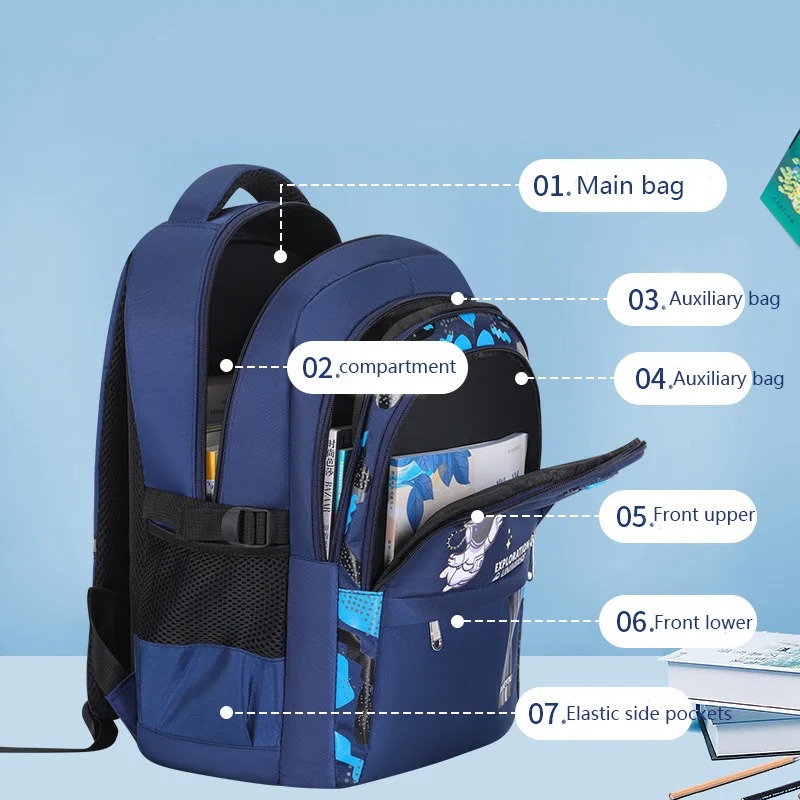
- Compartments and Pockets
- Dedicated Water Bottle Pockets
- Safety and Visibility Features
- Style Trends: From Character Prints to Eco-Friendly Designs
- Character Backpacks
- Rolling vs. Traditional Backpacks
- Eco-Friendly and Sustainable Options
- Tips for Proper Backpack Use: Avoiding Back Pain
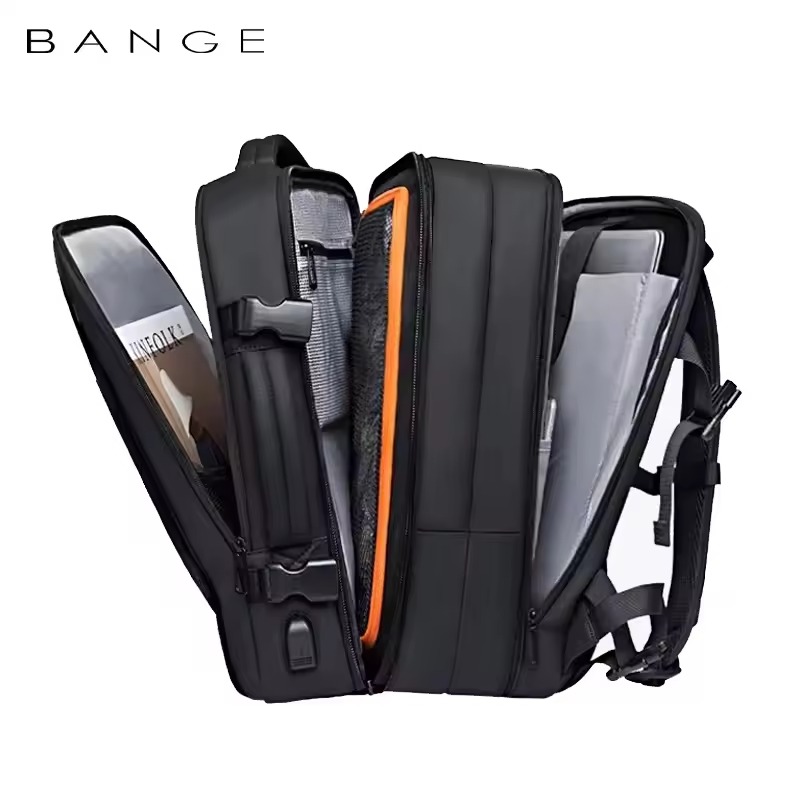
- 👇Best-Seller Expandable Men’s Backpack
💡 Understanding the Kids Backpack Mission: Why Quality Matters
A child’s backpack is their daily companion, a portable locker, and, crucially, an item that directly affects their musculoskeletal health. An ill-fitting or poorly designed backpack can lead to chronic back, neck, and shoulder pain, and even poor posture. Investing in a durable kids backpack with strong ergonomic features is not a luxury—it’s a vital part of your child’s school success and well-being.
High-quality materials mean the bag will withstand the daily rigors of school life—being dragged, stuffed, and tossed—saving you the hassle and cost of replacing it mid-year. When evaluating the best kids backpacks, we focus on a balance of three key criteria: Comfort, Safety, and Durability.
🛡️ Safety First: Ergonomic Features Every Kids Backpack Needs
Ergonomics refers to designing equipment to maximize comfort and efficiency. For a school backpack for kids, this translates directly to features that properly manage weight and reduce strain. These are the non-negotiable elements for a truly ergonomic kids backpack:
Sizing and Fit: The 15% Rule
The single most important factor is size. A backpack should never be wider or longer than your child’s torso. It should sit about two inches below the shoulder blades and end just above the waistline.
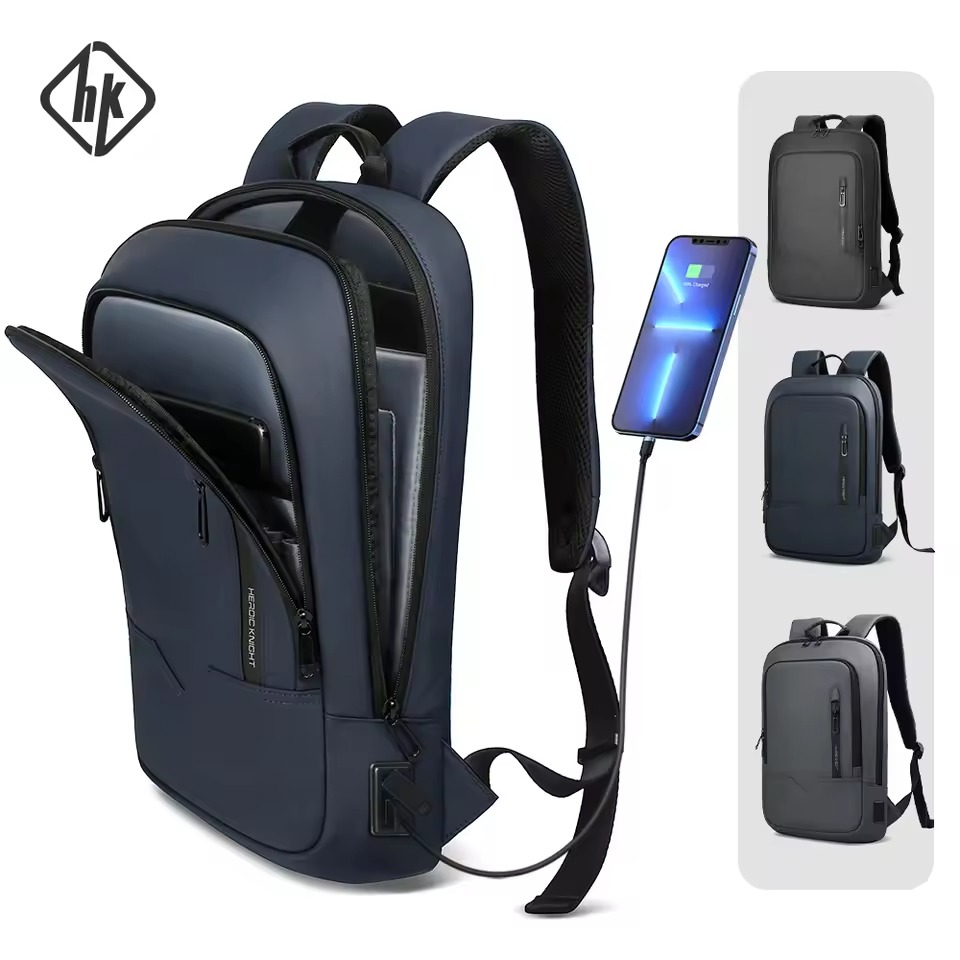
Slim Business Backpack
Crucial Tip: Health experts recommend that a loaded backpack should weigh no more than 10% to 15% of the child’s body weight. Always weigh your child and their packed bag to ensure you meet this safety limit. If the load exceeds 15%, consider a different organization strategy or a rolling backpack.
The Importance of Padded Kids Backpack with Adjustable Straps
Thin straps are a recipe for discomfort and injury. Look for wide (at least 2 inches), contoured, and heavily padded shoulder straps.
- Wide Straps: Help distribute weight more broadly across the shoulder.
- Padding: Prevents the straps from digging into the skin and nerves.
- Adjustability: Allows the bag to be raised or lowered to the correct position on the back.
Chest and Waist Straps: The Key to Weight Distribution
These features, sometimes called sternum and hip belts, are essential for heavier loads and active kids:
- Chest (Sternum) Strap: Clips across the chest to keep the shoulder straps in place and prevent them from slipping.
- Waist (Hip) Strap: Transfers a significant portion of the load (up to 50%) from the shoulders to the stronger hip and core muscles. This feature is a hallmark of a truly ergonomic kids backpack.
Back Panel Comfort
A comfortable, padded back panel is crucial. Ideally, it should feature:
- Thick Padding: Provides a comfortable barrier against sharp edges from books and supplies.
- Breathable Mesh: Promotes air circulation to reduce sweating and overheating, a great feature for kids who walk or bike to school.
- Stiff Support: A firm, non-flexible back panel (sometimes with a removable insert) prevents the bag from slumping and helps keep heavy items close to the body, improving balance.
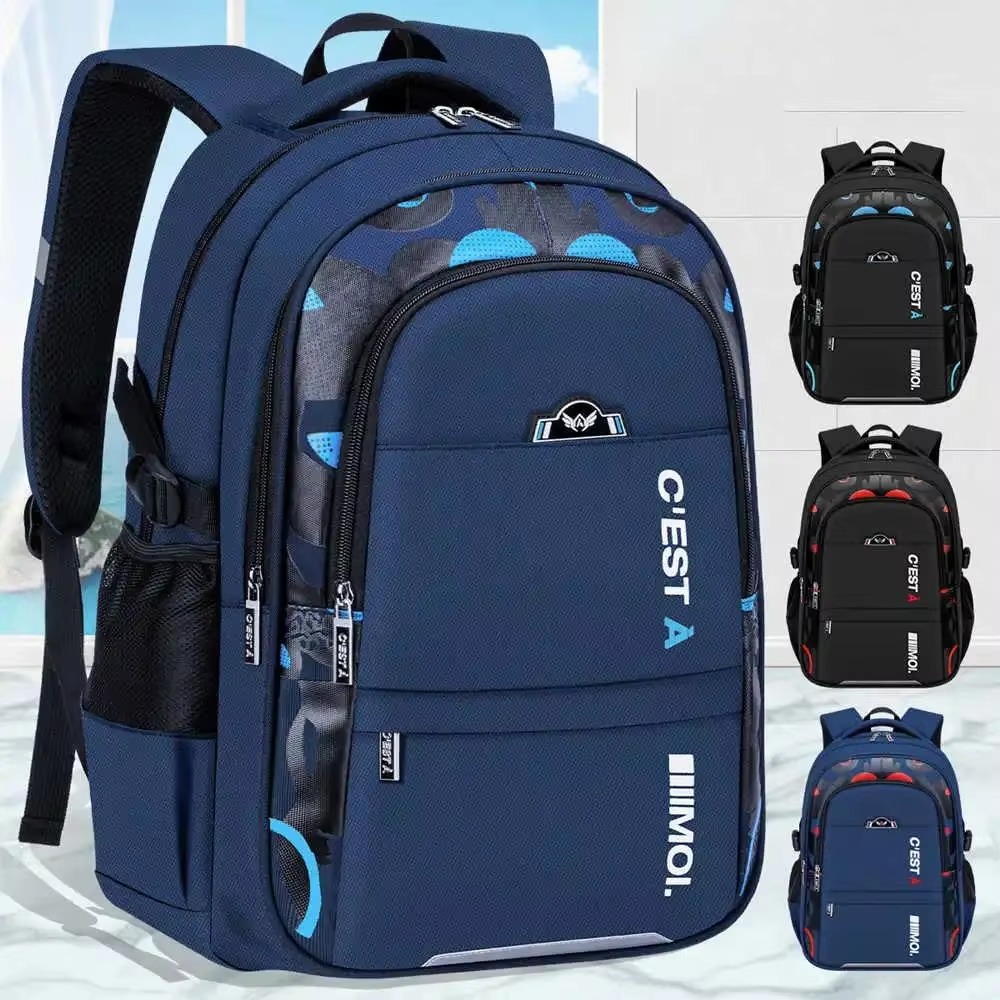
Best-Selling Kids Backpack
💪 Durability and Materials: Backpacks That Last the School Year
Kids are not easy on their gear. To ensure you’re buying a durable kids backpack that won’t fall apart before the first snow, you need to examine the construction.
High-Quality Fabrics
- Nylon and Polyester: These are the most common and durable synthetic materials. Look for high-denier counts (e.g., 600D or higher), which indicate a thicker, more tear-resistant fabric.
- Reinforced Bottom: The bottom of the backpack takes the most abuse. A double-layered or reinforced base is a must to prevent wear and tear from being dragged across the floor.
Zippers, Seams and Stress Points
The zippers and stitching are the first things to fail on cheap bags.
- Zippers: Opt for large, sturdy zippers—often labeled as “self-repairing” or “heavy-duty.” Plastic zippers are lighter but metal ones tend to be more robust. Easy-to-grip zipper pulls are also a bonus for small hands.
- Stitching: Check for double stitching at the seams and where the straps connect to the body of the bag, as these are major stress points.
Water-Resistance: Protecting What’s Inside the Kids Backpack
A kids backpack should offer some protection against spilled drinks, rain, or snow. Many quality bags are made from water-resistant materials, which means a quick wipe-down is all you need for minor spills, and their books and tablets will stay dry during a dash through the rain.
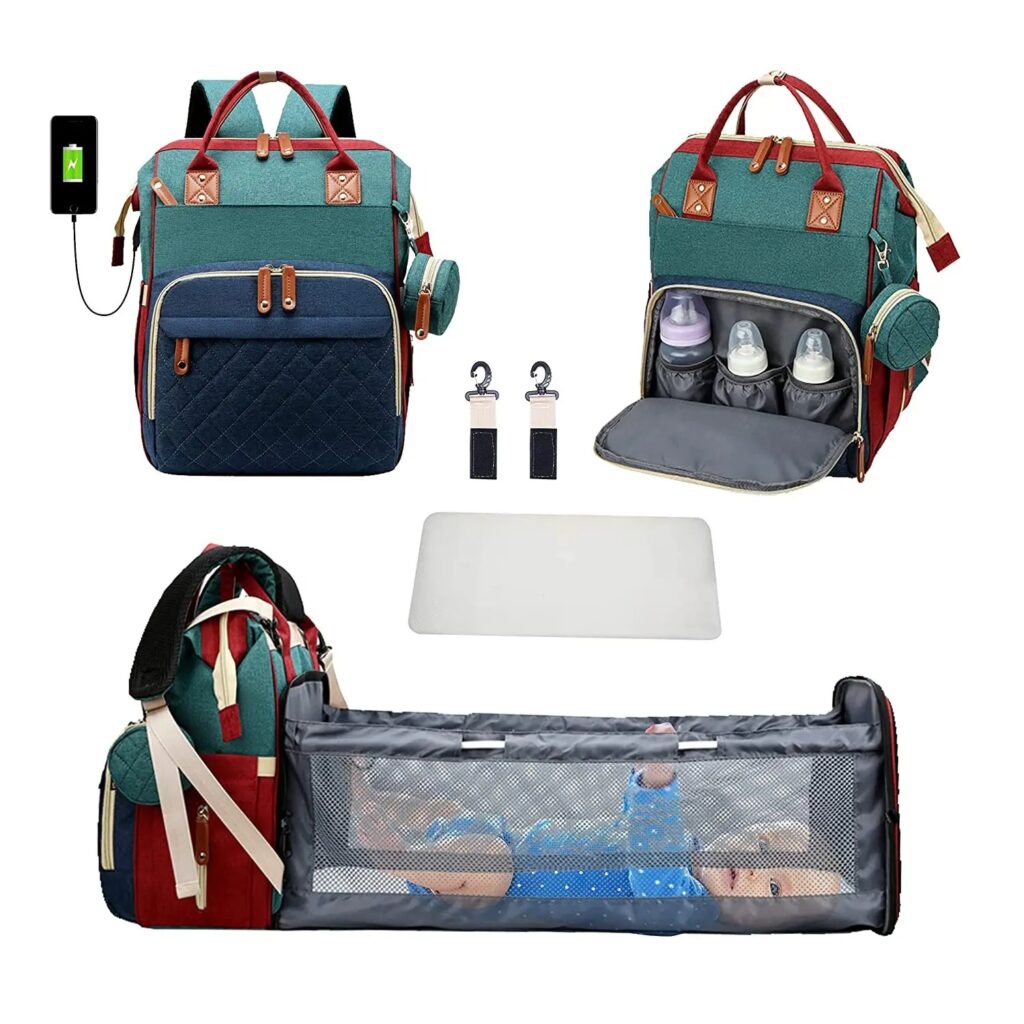
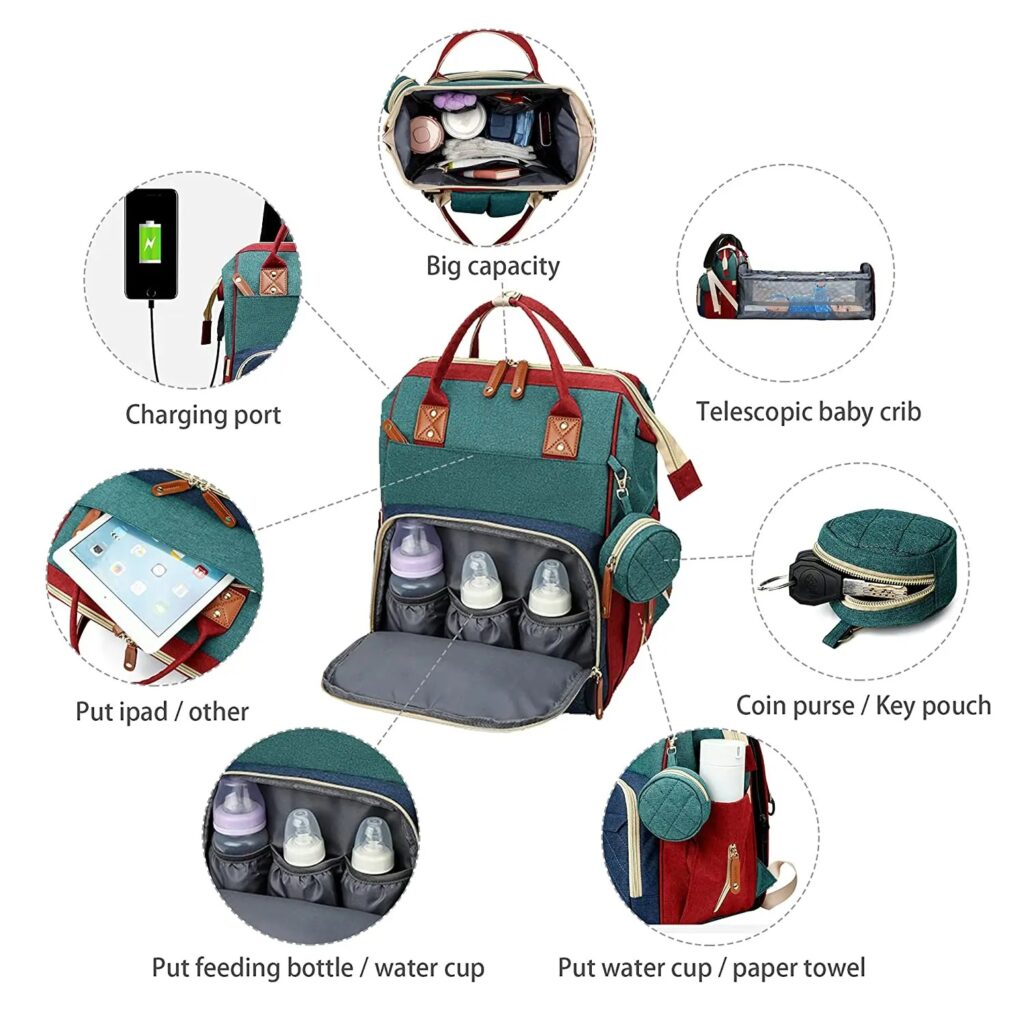
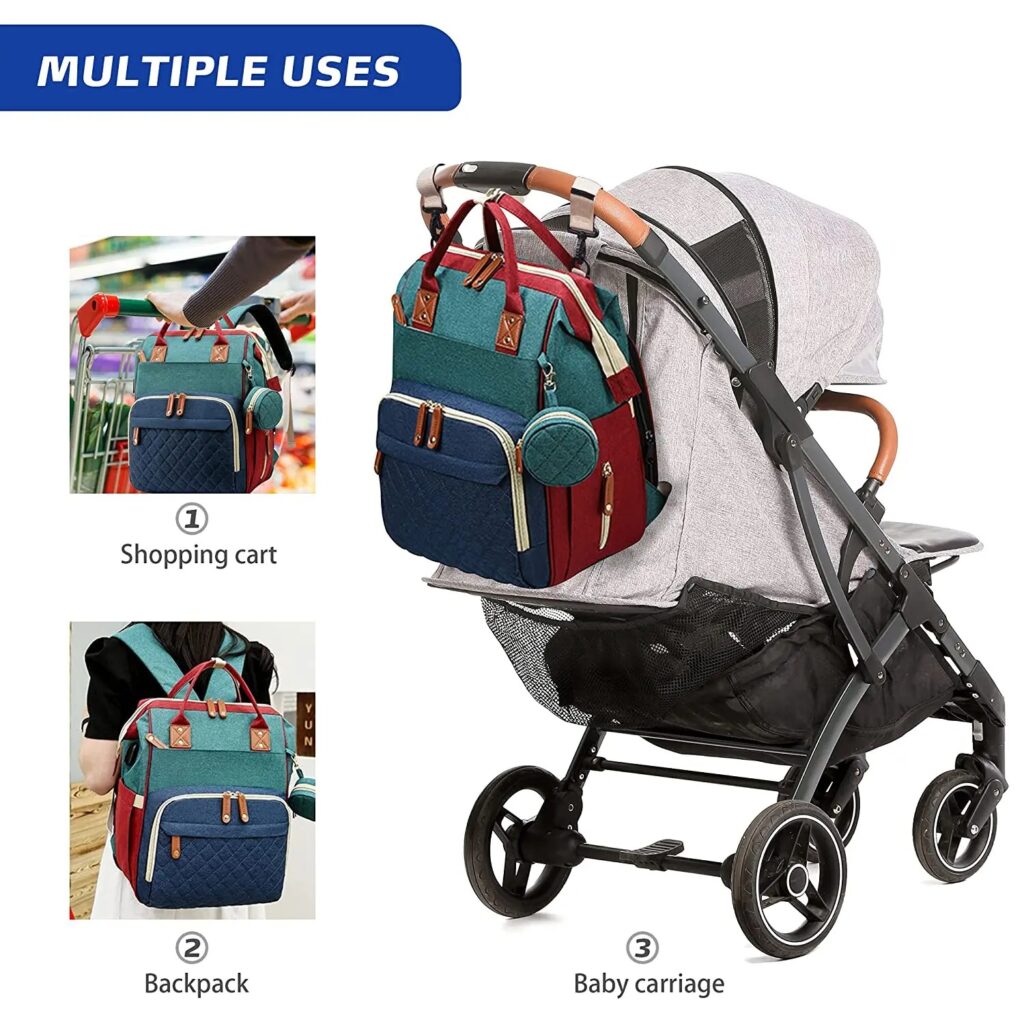
Water Resistant Multi-Purpose 3in1 Kids Backpack
📏 Sizing by Age: Finding the Perfect Fit for Every Stage
The best kids backpacks are chosen by size and function, not just age. Use these guidelines as a starting point, but always check the measurements against your child’s torso.
Toddler & Preschool Backpacks (Ages 2–5)
- Primary Function: Carrying a blanket, a favorite toy, a change of clothes, and a small snack.
- Ideal Size/Capacity: Small, often 10-12 inches tall, with a capacity of about 5–10 Liters.
- Key Features: Lightweight, simple zipper design, one or two main compartments, and maybe a built-in safety rein (especially for early walkers). A fun character or print is a high priority for this age group!
Elementary School Backpacks (Ages 6–10)
- Primary Function: Transporting standard-sized folders, notebooks, lunch boxes, and occasionally a tablet.
- Ideal Size/Capacity: Medium to large, typically 15–17 inches tall, with a capacity of 15–20 Liters. The bag must be tall enough to accommodate a standard 8.5″ x 11″ folder without bending it.
- Key Features: Padded laptop/tablet sleeve, multiple zippered compartments for organization, and the aforementioned padded, adjustable shoulder straps.
Tween & Middle School Backpacks (Ages 11+)
- Primary Function: Carrying heavier loads of textbooks, binders, laptops, sports gear, and personal items.
- Ideal Size/Capacity: Large, often 17+ inches tall, with a capacity of 20–30+ Liters.
- Key Features: Full ergonomic support (chest and waist straps are strongly recommended), dedicated, well-padded tech sleeves, internal organizers for pens, phones, and chargers, and a more mature, less-cluttered design.
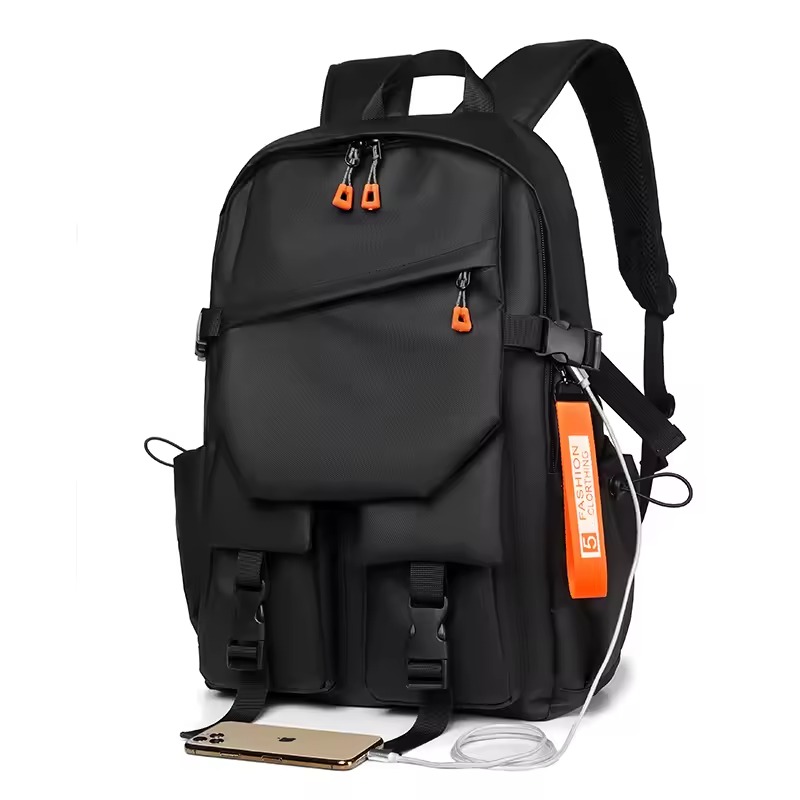
Luxury Travel BackPack only $10.08
✨ Must-Have Features: Organization and Convenience
Once comfort and durability are secured, a few thoughtful features can turn a good kids backpack into a great one.
Compartments and Pockets
More compartments equal better weight distribution and organization.
- Main Pocket: For heavy items like books and binders, ideally with a sleeve for placing the heaviest items closest to the back.
- Secondary Pocket: For smaller items, like notebooks, folders, and pencil cases.
- Front Organizer Pocket: Excellent for quick access to pencils, keys, ID cards, and calculators.
Dedicated Water Bottle Pockets
A mesh or solid side pocket designed specifically to hold a water bottle is essential. This prevents spills inside the main compartment that could ruin schoolwork or electronics. Look for a deep pocket or one with an elastic band to ensure the bottle stays secure, even when running.
Safety and Visibility Features
For children who walk to school or wait for the bus in low light, safety is paramount.
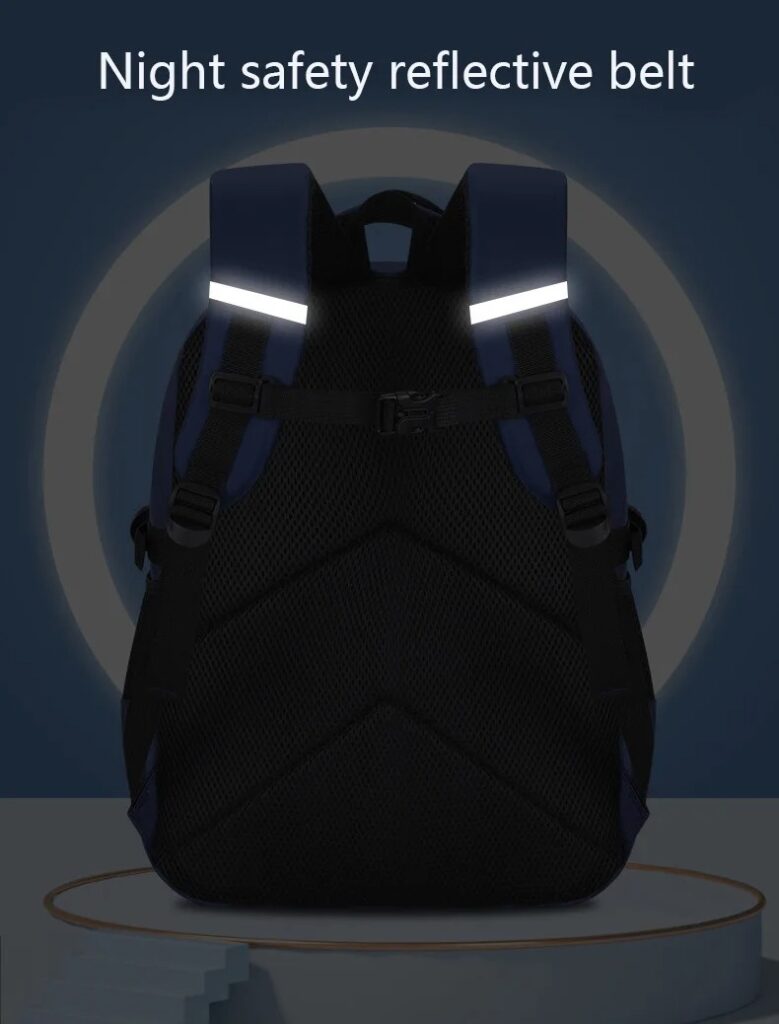
- Reflective Strips: The best kids backpacks will feature reflective piping, patches, or logos on the front and sides to increase visibility to drivers in the early morning or evening.
- ID Tag/Name Card Holder: An internal or external slot for a contact card is a simple but effective way to ensure a lost bag finds its way home.
🎨 Style Trends: From Character Prints to Eco-Friendly Designs
Style is often the child’s highest priority, but it doesn’t have to sacrifice function. Thankfully, modern brands are finding ways to blend both.
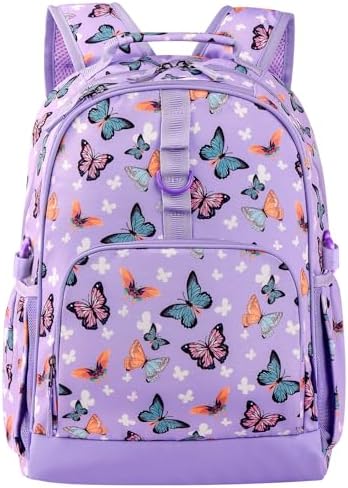
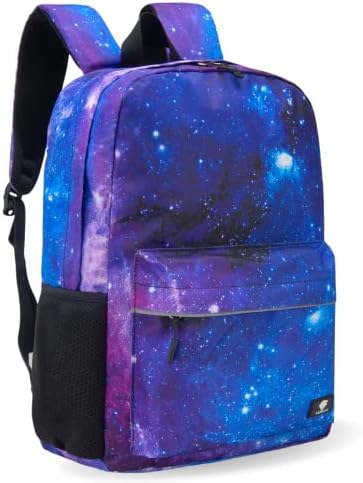
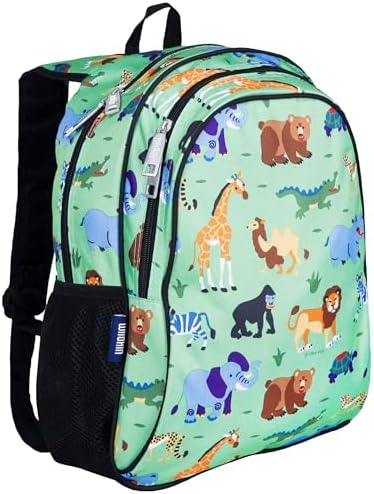
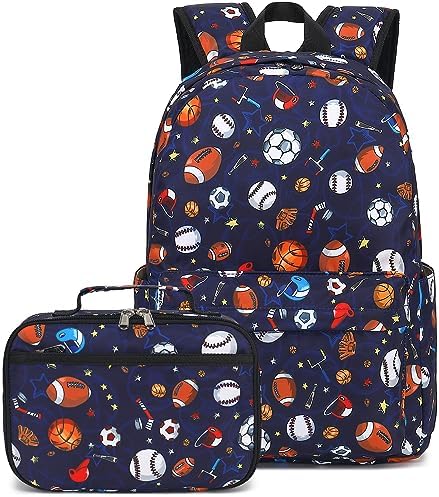
Character Backpacks
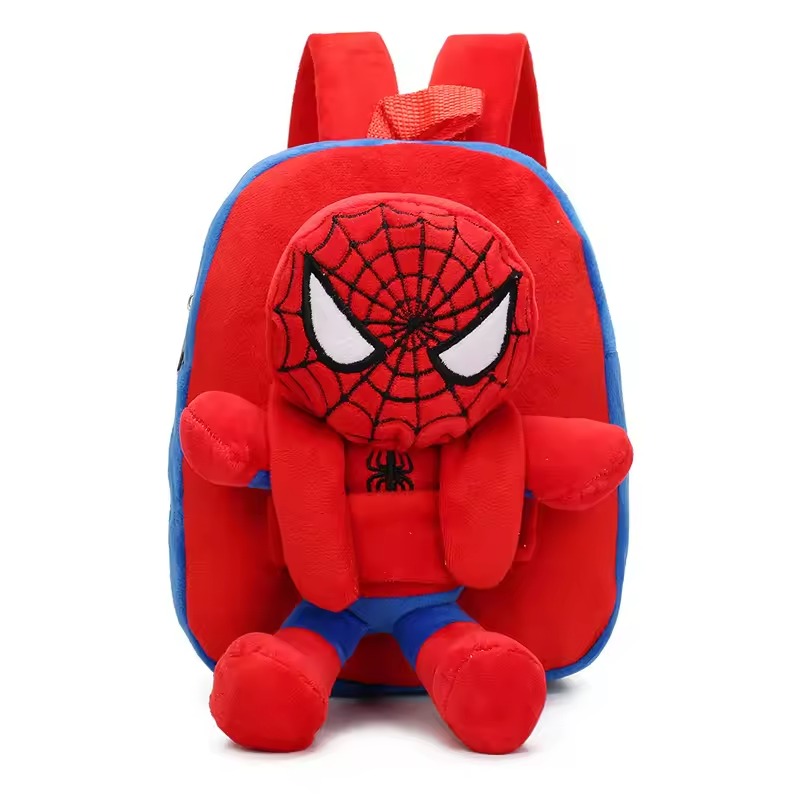
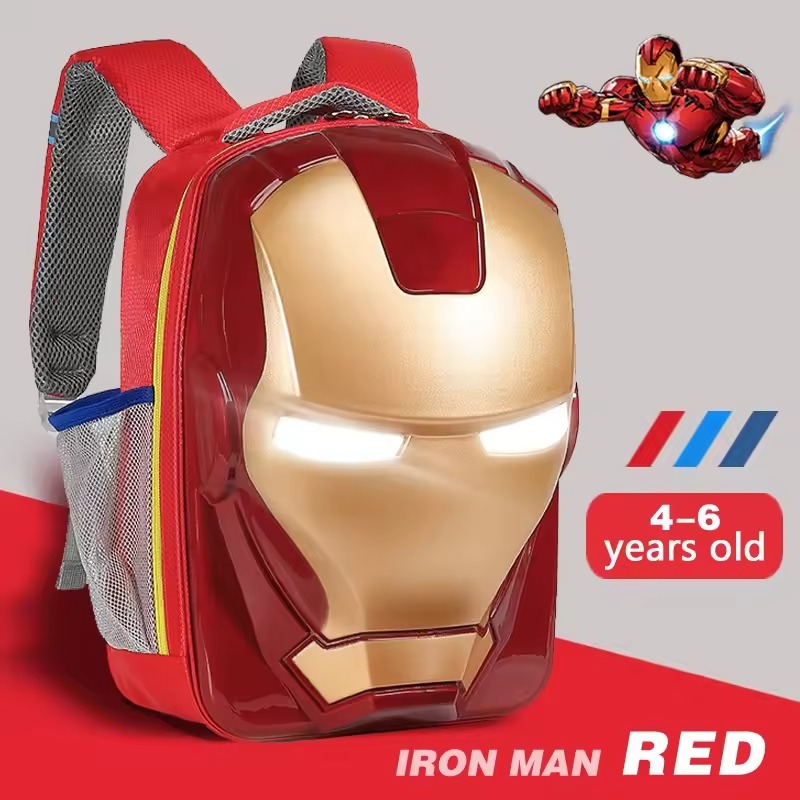
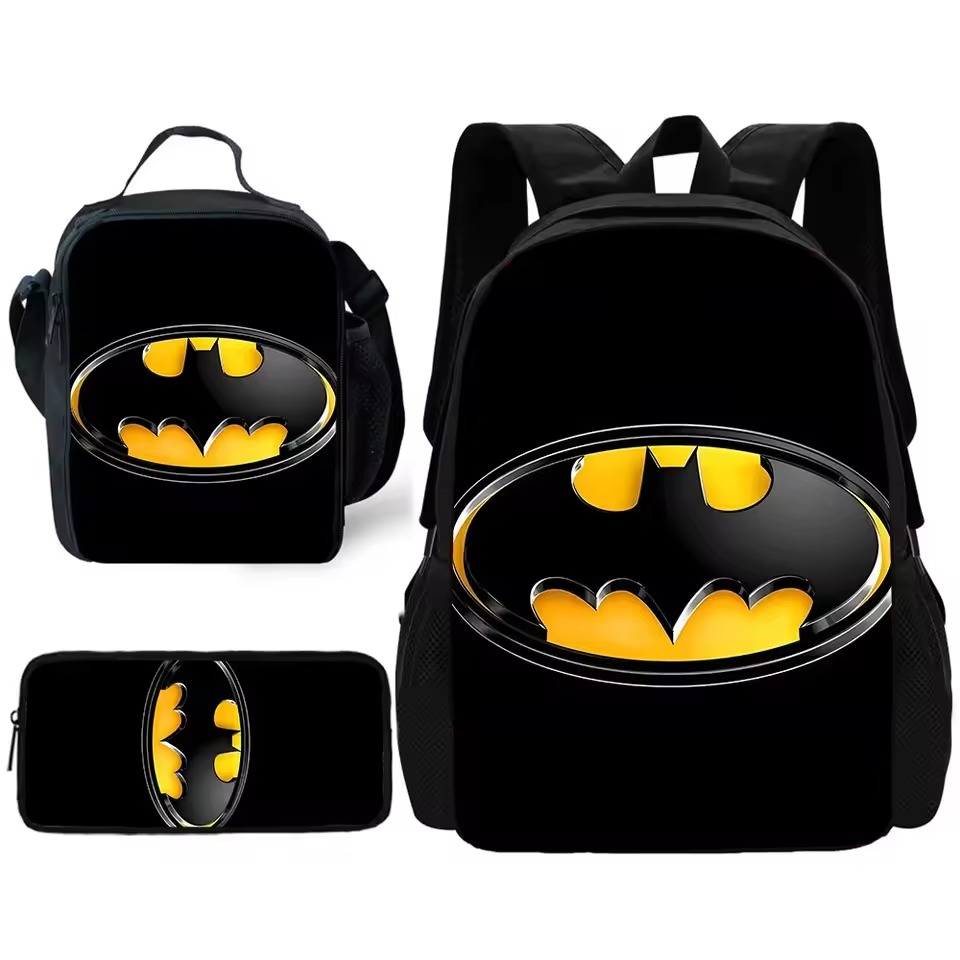
Click on the pictures above to buy 👆
While highly popular for the preschool and early elementary years, be mindful of the material quality, as licensed character bags sometimes prioritize the design over the build. Check the straps and zippers carefully! Choosing a subtle character design or a brightly colored, high-visibility kids backpack is always a safe bet.
Rolling vs. Traditional Backpacks
| Feature | Traditional Backpack | Rolling Backpack (Trolley Bag) |
| Pros | Even weight distribution (if worn correctly), suitable for stairs/uneven ground, encourages physical movement. | Eliminates shoulder/back strain, excellent for heavy loads (e.g., musical instruments, many books). |
| Cons | Potential for back strain if overloaded or worn incorrectly (one strap). | Can be heavy even when empty, difficult on stairs, wheels/handle can break, can be a tripping hazard in crowded halls. |
- Best For: Most students who do not carry excessive loads. | Best For: Children with back issues or those who carry exceptionally heavy books and gear.
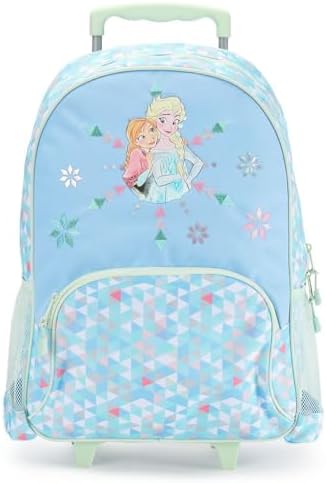
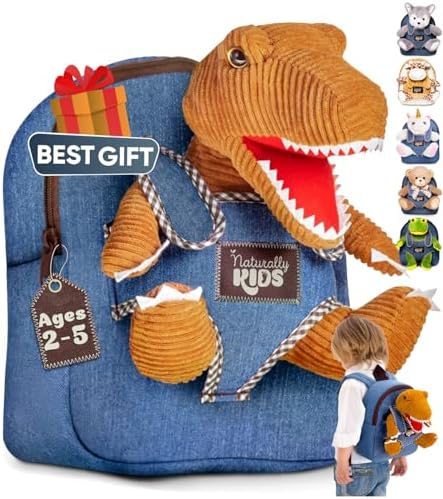
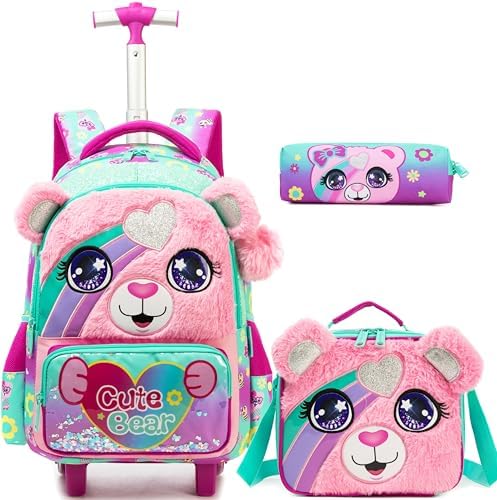
Eco-Friendly and Sustainable Options
Many top brands are now creating kids backpacks from recycled plastic bottles (rPET polyester) or other sustainable, non-toxic, and PVC-free materials. This is an excellent way to teach your child about environmental responsibility while still getting a high-quality, durable kids backpack.


✅ Tips for Proper Backpack Use: Avoiding Back Pain
Even the best kids backpacks can cause problems if used incorrectly. Educate your child on these simple habits:
- Use Both Straps: This is the golden rule. Wearing a bag over one shoulder causes a spinal curve and muscle strain.
- Pack Smartly: Place the heaviest items (like textbooks) closest to your child’s back. Lighter items (clothes, art supplies) should go further away.
- Cinch it Up: Use the adjustment straps to ensure the bottom of the bag rests comfortably above the waist.
- Clean it Out: Encourage your child to empty unnecessary items like old papers, non-essential toys, and accumulated trash weekly to keep the weight down.
Find Your Child’s Perfect Match
Finding the best kids backpack is a careful combination of checking ergonomic features, prioritizing safety and durability, and balancing that with your child’s need for style and self-expression. By focusing on a padded fit, sturdy construction, and smart organization, you are ensuring a comfortable, healthy, and successful school year.
Ready to find a bag that your child will love and that their back will thank you for?