
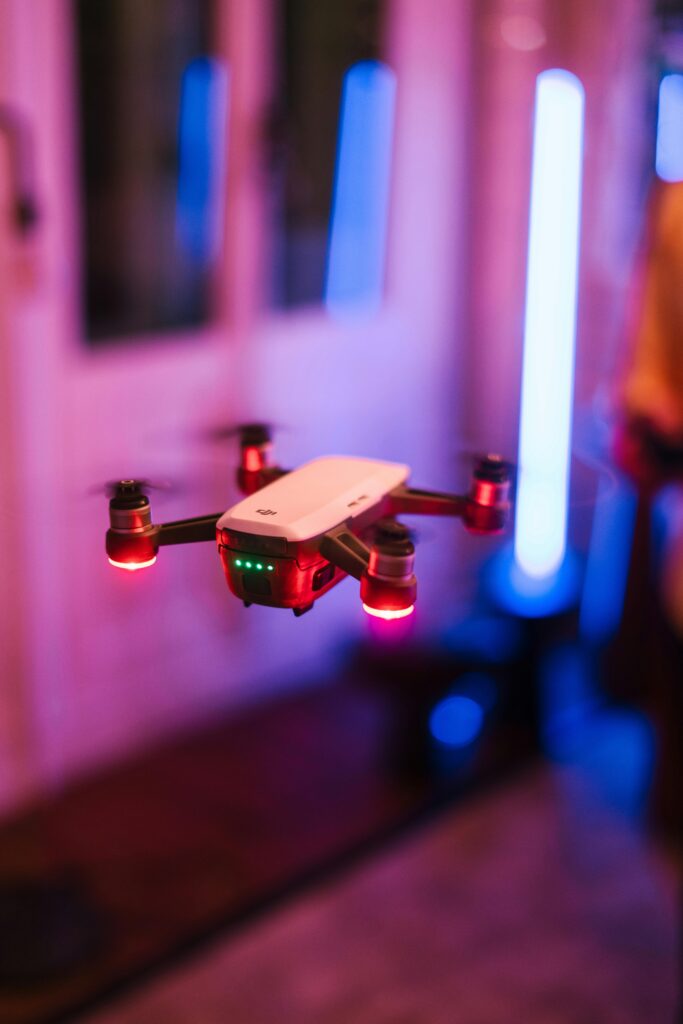
Navigating the Sky with best uav drone of 2026
As drone technology moves through 2026, unmanned aerial systems are no longer treated as experimental gadgets. They now sit at the center of aerial photography, filmmaking, agriculture, delivery networks, construction mapping, emergency response, infrastructure inspection, security, environmental monitoring, and outdoor exploration.
At Schopping.com, we look at drones not simply as electronics, but as capability platforms. A drone is not only something you fly; it is something that extends your reach, changes your perspective, reduces risk, captures impossible angles, and turns the air above you into a usable workspace. For creators, drones have become a serious part of the modern production kit, sitting alongside cameras, stabilizers, microphones, lights, and other creator gear used to produce cinematic content, commercial visuals, travel films, real estate videos, product campaigns, and high-impact social media footage.
Buying a drone in 2026 is no longer just about choosing the model with the longest flight time or the highest camera resolution. The smarter question is: what kind of aerial capability do you actually need? A compact nano drone is built for portability, learning, and casual flight. A camera drone is designed for smooth cinematic footage and sharp aerial photography. A racing drone is engineered for speed, agility, and pilot control. An agricultural drone focuses on crop monitoring, spraying, mapping, and field intelligence. A thermal drone helps rescue teams, surveyors, and security professionals see what the human eye cannot. A delivery drone is optimized for route efficiency, payload handling, and autonomous transport.
This is why understanding the different types of drones matters. The drone market has matured into clear categories, each with its own design logic, sensor stack, flight behavior, payload capacity, software ecosystem, and real-world use case. A filmmaker chasing a mountain sunrise, a farmer monitoring 5,000 acres, a roofing contractor inspecting storm damage, a wildlife researcher tracking movement patterns, and a search-and-rescue unit operating after dark all need very different machines. The wrong drone becomes an expensive toy. The right drone becomes a force multiplier.
Modern drones now combine high-resolution cameras, GPS positioning, obstacle avoidance, AI subject tracking, automated flight paths, LiDAR sensors, thermal imaging, multispectral cameras, real-time video transmission, and advanced stabilization systems. This shift has transformed drones from flying cameras into intelligent aerial tools. In professional settings, drones can reduce inspection time, lower operational risk, improve data accuracy, and reach places that would be dangerous, expensive, or impossible for humans to access directly.
There is also a psychological side to drone buying that many guides ignore. Beginners often want confidence, safety, and ease of control. Content creators want visual authority—the kind of sweeping aerial perspective that makes a video feel more cinematic and premium. Outdoor users want freedom, portability, and adventure readiness. Commercial buyers want reliability, compliance, payload options, and measurable return on investment. Hobbyists want speed, responsiveness, and the joy of flight itself. The best drone is not always the most expensive one; it is the one that matches the buyer’s environment, skill level, creative ambition, and operational need.
This guide breaks down the major types of commercially available drones through the lens of performance, usability, industry relevance, and real-world value. Whether you are comparing nano drones, FPV drones, professional photography drones, agricultural drones, delivery drones, inspection drones, thermal drones, or beginner-friendly quadcopters, the goal is to help you understand where each category fits—and which type of drone makes sense for your specific mission.
By the end, you should be able to look beyond marketing terms and identify the drone category that genuinely serves your purpose: capturing better content, working faster, exploring farther, inspecting safer, farming smarter, or building a more advanced aerial workflow.
1. Consumer & Prosumer Drones
Humans have always wanted to see the world from above. Long before drones became mainstream, aerial views were reserved for helicopters, aircraft, cranes, and expensive production crews. Today, consumer and prosumer drones have placed that elevated perspective into the hands of travelers, vloggers, real estate creators, outdoor explorers, hobby pilots, and visual storytellers. This category is where drone technology becomes personal: not industrial, not military, not purely technical, but emotional, creative, and highly practical.
Consumer drones are built around one powerful promise: you can capture the world as it feels, not just as it looks from the ground. A beach trip becomes cinematic. A mountain hike becomes a sweeping travel film. A family gathering becomes a memory with scale and atmosphere. A city skyline, desert road, forest trail, or coastal village gains a sense of movement and depth that ordinary handheld footage rarely achieves.
Prosumer drones take that same idea further. They sit between casual flying and professional aerial production, offering stronger cameras, better sensors, longer flight times, smarter tracking, and more advanced safety systems. These are the drones used by serious content creators, YouTubers, Instagram filmmakers, travel bloggers, real estate videographers, wedding shooters, outdoor reviewers, and small production teams that want professional-looking results without moving into heavy enterprise drone systems.
The appeal is simple: consumer and prosumer UAV drones give ordinary users access to extraordinary perspective. They are compact enough to carry, intelligent enough to fly safely, and powerful enough to produce footage that once required a full aerial crew.
Nano & Mini Drones: The “Regulatory Freedom”
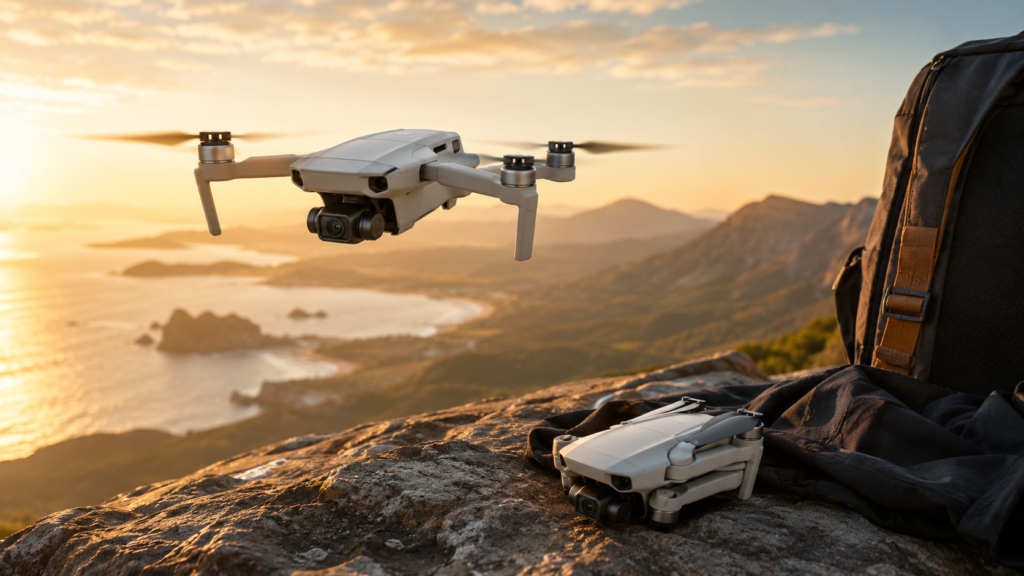
Nano and mini drones are the most accessible entry point into the drone market. They are lightweight, portable, beginner-friendly, and designed for users who want the freedom to fly without the bulk, complexity, or intimidation of larger unmanned aircraft systems. For many buyers, this is the true “grab and go” drone category.
The psychology behind nano and mini drones is freedom. These drones appeal to people who do not want to feel like professional pilots every time they capture a shot. They want a device that folds into a jacket pocket, launches quickly, records clean footage, and returns safely without turning the experience into a technical operation. This is why compact camera drones have become so popular with travelers, outdoor families, casual vloggers, hikers, and privacy-conscious hobbyists.
In many jurisdictions, lighter drones may face fewer regulatory burdens than heavier aircraft, especially when they fall below common weight thresholds used for registration or remote identification rules. However, drone laws vary by country, region, and use case, so buyers should always check local aviation regulations before flying. The broader point remains: smaller drones are attractive because they reduce friction. They feel less like aircraft ownership and more like carrying a smart aerial camera.
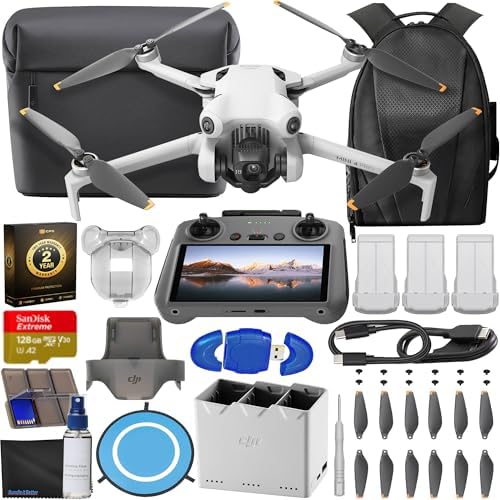


The technology inside modern mini drones is far more advanced than their size suggests. Current compact models can offer high-resolution video, stabilized 3-axis gimbals, intelligent subject tracking, wind resistance, automated return-to-home, panorama modes, vertical shooting for social media, and extended flight times that make them genuinely useful for creators. Some 2026-era mini drones are now capable of producing 4K and higher-quality footage, smooth cinematic motion, and reliable GPS-assisted flight in a body small enough to travel almost anywhere.
For beginners, nano and mini drones are ideal because they remove much of the fear associated with flying. They are easier to transport, easier to store, and generally less intimidating to operate. For experienced creators, they serve a different purpose: mobility. A larger drone may produce better dynamic range or handle stronger wind, but the best drone is often the one you actually bring with you. In that sense, mini drones are not just starter devices; they are travel-ready creative tools.
Best for: casual travelers, beginner drone pilots, outdoor hobbyists, family memory makers, lightweight vloggers, and users who want high-quality aerial footage without carrying a professional drone kit.
Buyer intent: portability, simplicity, low-friction flying, travel content, social media video, scenic photography, and everyday aerial memories.
Drone Videography & Photography Drones: The Prosumer Heavyweights
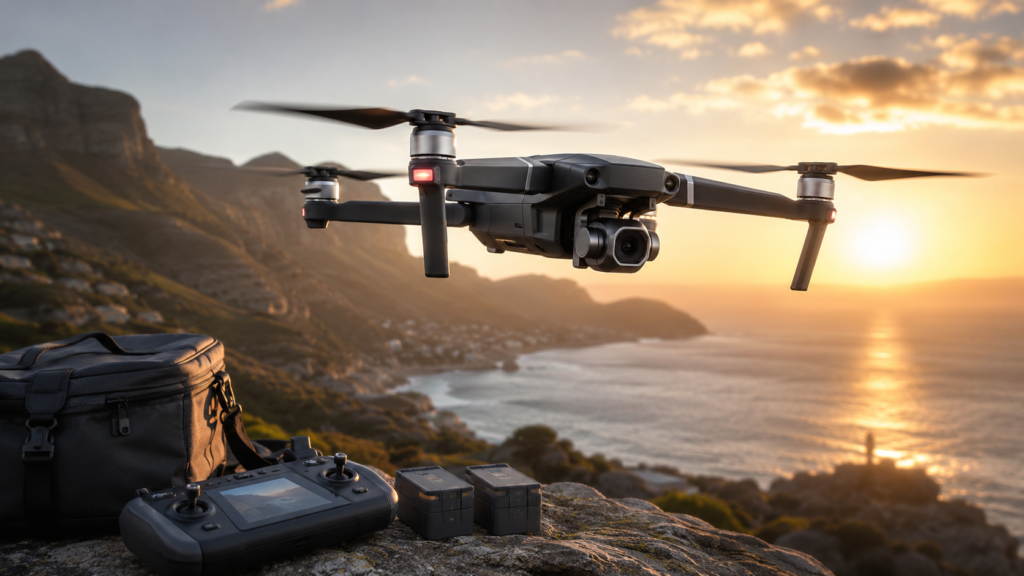
Photography drones and drone videography platforms are the workhorses of the creator economy. This is the segment that powers travel channels, real estate tours, wedding films, automotive reels, tourism campaigns, outdoor reviews, brand videos, and cinematic social media content. These drones are not bought only for flying; they are bought for image-making.
The buyer in this category usually wants validation. They want footage that looks premium, stable, intentional, and professional. They want their YouTube intro to feel cinematic. They want their Instagram reel to look expensive. They want a real estate listing to feel spacious and aspirational. They want a wedding film to open with movement and emotion. In short, they are not simply documenting a scene; they are trying to raise the perceived value of the content itself.
This is where prosumer camera drones become important. Compared with smaller beginner drones, photography drones usually offer stronger camera sensors, better low-light performance, higher bitrate recording, advanced color profiles, superior obstacle avoidance, longer transmission range, and more precise flight control. Many modern models now include dual-camera or multi-camera systems, allowing creators to switch between wide-angle landscape shots and tighter telephoto-style compression for more cinematic framing.
The evolution of drone videography has been dramatic. A few years ago, the main concern was whether a drone could produce stable 4K footage. Now, creators are comparing sensor size, dynamic range, frame rates, log recording, color grading flexibility, vertical video support, tracking intelligence, low-light quality, and automated flight modes. The drone has become less of a novelty and more of a flying camera system.


Obstacle avoidance has also changed the buying equation. Advanced prosumer drones can detect objects in multiple directions, track moving subjects, follow vehicles, orbit people, map routes, and execute pre-planned waypoint flights. In open environments, these systems can make the drone feel almost “self-aware,” allowing the pilot to focus more on composition and less on constant manual correction. This does not make drones truly uncrashable, but it does make high-quality aerial filmmaking far more accessible.
Intelligent Flight Modes are a major reason this category has exploded. Features like subject tracking, orbit shots, reveal shots, waypoint missions, hyperlapse, cinematic cruise control, and automated return paths help creators achieve complex movements without needing elite piloting skills. This is especially valuable for solo creators who need the drone to act like a second camera operator.
For anyone building a serious visual content workflow, this segment is the heart of aerial production. These are the drones that make landscapes look cinematic, properties look premium, and outdoor scenes feel alive. Explore our full collection of Photography Drones to compare models built for aerial videography, travel filmmaking, content creation, and professional camera work.
Best for: YouTubers, travel filmmakers, real estate videographers, wedding creators, commercial content teams, tourism brands, outdoor reviewers, and serious photography enthusiasts.
Buyer intent: cinematic drone footage, professional aerial photography, high-quality video production, real estate drone shots, creator gear, travel filmmaking, and social media content.
FPV Drones: The Adrenaline Hook
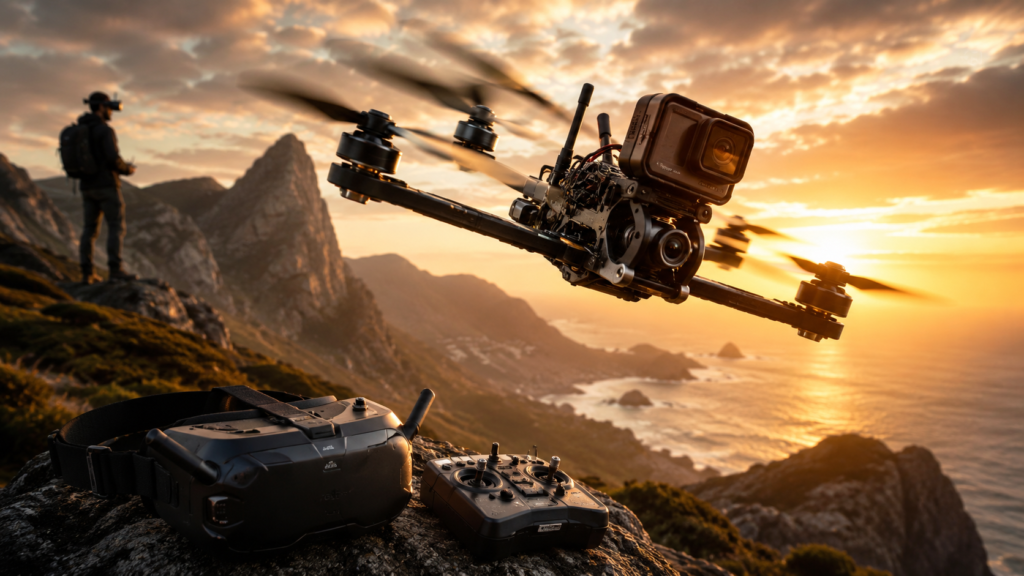
FPV drones, or First-Person View drones, are a completely different experience from standard camera drones. Instead of looking at the aircraft from the ground, the pilot wears goggles and sees what the drone sees in real time. The result is immersive, fast, physical, and intensely personal. It feels less like operating a camera and more like entering the flight path yourself.
This is the closest most people can get to the sensation of flying. FPV drones dive, roll, bank, accelerate, and carve through spaces in ways that traditional stabilized drones cannot. They can skim over water, chase vehicles, flow through forests, pass through abandoned buildings, follow athletes down mountainsides, and create dynamic motion that feels impossible with a normal camera drone.
The psychology of FPV is adrenaline. Standard camera drones are about control, stability, and composition. FPV drones are about motion, instinct, and immersion. They attract thrill-seekers, action sports filmmakers, cinematic pilots, racing enthusiasts, and creators who want footage that feels alive rather than merely beautiful.
The FPV market has also changed significantly. In the early days, FPV flying was closely associated with DIY culture: custom frames, soldering, manual tuning, radio systems, and a steep technical learning curve. That culture still exists, especially among racing pilots and advanced hobbyists, but the market has expanded. Ready-to-Fly FPV drones and cinematic FPV systems now make the category more approachable for creators who want the look and feeling of FPV without building every component from scratch.


By 2026, many FPV drones are designed to blend speed with stability. Some models offer assisted flight modes, propeller guards, high-quality onboard cameras, digital video transmission, improved battery systems, and compatibility with action-camera-style footage. This has opened the door for real estate fly-throughs, event filming, extreme sports coverage, automotive videos, tourism campaigns, and cinematic brand content.
Still, FPV is not the easiest drone category. It demands practice, spatial awareness, quick reflexes, and a willingness to learn. Unlike standard photography drones, FPV aircraft are often flown more aggressively and closer to obstacles. That makes the footage exciting, but it also raises the skill requirement. For many pilots, the learning curve is part of the attraction.
FPV drones are not just tools for taking pictures. They create a digital out-of-body experience. You are not only capturing a scene from above; you are moving through it. That is why FPV footage feels so different. It gives the viewer the sensation of speed, proximity, and presence.
Best for: thrill-seekers, FPV pilots, action sports filmmakers, automotive videographers, high-end content creators, racing drone enthusiasts, and cinematic drone operators.
Buyer intent: immersive drone flight, FPV cinematography, drone racing, action footage, real estate fly-throughs, cinematic motion, and high-skill aerial creativity.
Which Consumer Drone Type Should You Choose?
Choose a nano or mini drone if your priority is portability, travel convenience, beginner-friendly flying, and simple aerial content. This is the best category for users who want to capture beautiful shots without carrying a heavy kit or learning advanced piloting techniques.
Choose a prosumer photography drone if your priority is image quality, cinematic footage, creator workflow, social media production, real estate video, or commercial-looking aerial photography. This is the strongest category for users who care about the final visual result more than the thrill of flying.
Choose an FPV drone if your priority is speed, immersion, adrenaline, and dynamic camera movement. This is the right category for pilots who want to feel the flight, not just record it.
Consumer and prosumer drones now cover a wide spectrum of needs, from casual travel memories to serious production work. The best choice depends on whether you value convenience, cinematic quality, or immersive motion. Once that intent is clear, the right drone category becomes much easier to identify.
Humans have a deep-seated urge to see the world from above—to escape the “grounded” reality and gain a God’s-eye view. This segment is built for creators, travelers and those who value memories over machines.
Nano & Mini Drones (The “Regulatory Freedom”)
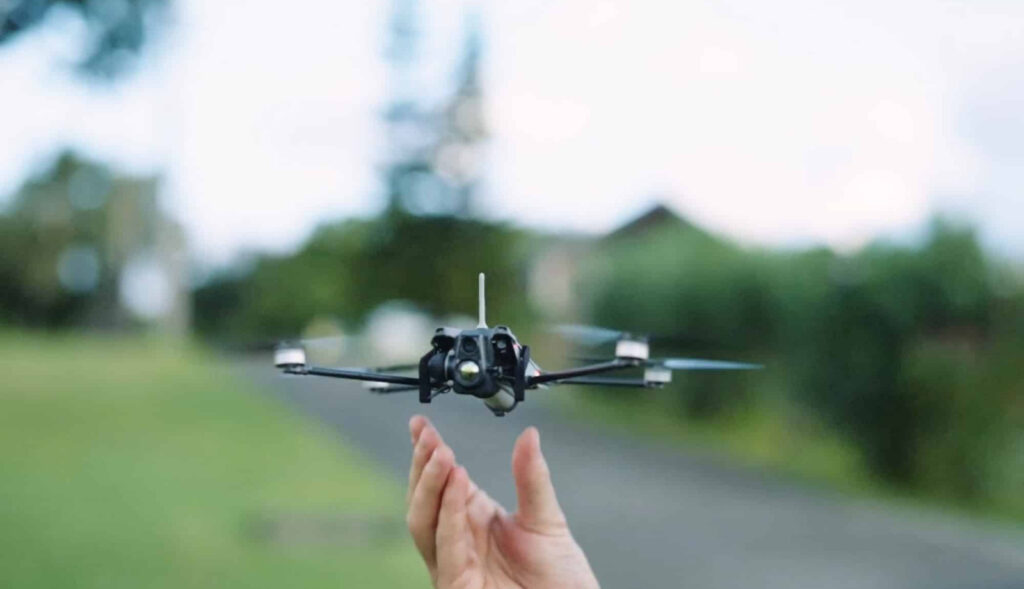
Mini uav drone, typically defined by the 249-gram weight limit, are the most popular entry point into the hobby.
- The Appeal: In most jurisdictions, these uav drones do not require the same rigorous registration or “Remote ID” compliance as larger crafts. They represent the “grab and go” mentality.
- The Technology: Despite their size, 2026 models like the DJI Mini 5 series feature 4K/60fps video, 3-axis gimbals, and 45-minute flight times. They are whisper-quiet and foldable, fitting into a jacket pocket.
- Whom is it for: The casual traveler and the privacy-conscious hobbyist. They want high-quality results without the “professional pilot” baggage.
Explore our full collection here: Nano Drones
Drone Videography & Photography drones (The Prosumer Heavyweights)
Moving up the ladder, these drones are the workhorses of the YouTube and Instagram era.
- The Tech Evolution: We are now seeing dual-camera systems as standard—a wide-angle lens for landscapes and a medium-telephoto lens for cinematic compression. Obstacle avoidance has reached a level where the drone is essentially “un-crashable” in open environments.
- Intent of Use: The buyer here is looking for Validation. They want their content to look like a Hollywood production. They value reliability and “Intelligent Flight Modes” (ActiveTrack, Waypoints) that allow the drone to fly itself while they focus on the art.
FPV (First-Person View) Drones: The Adrenaline Hook
FPV drones offer an immersive experience where the pilot wears goggles to see exactly what the drone sees.
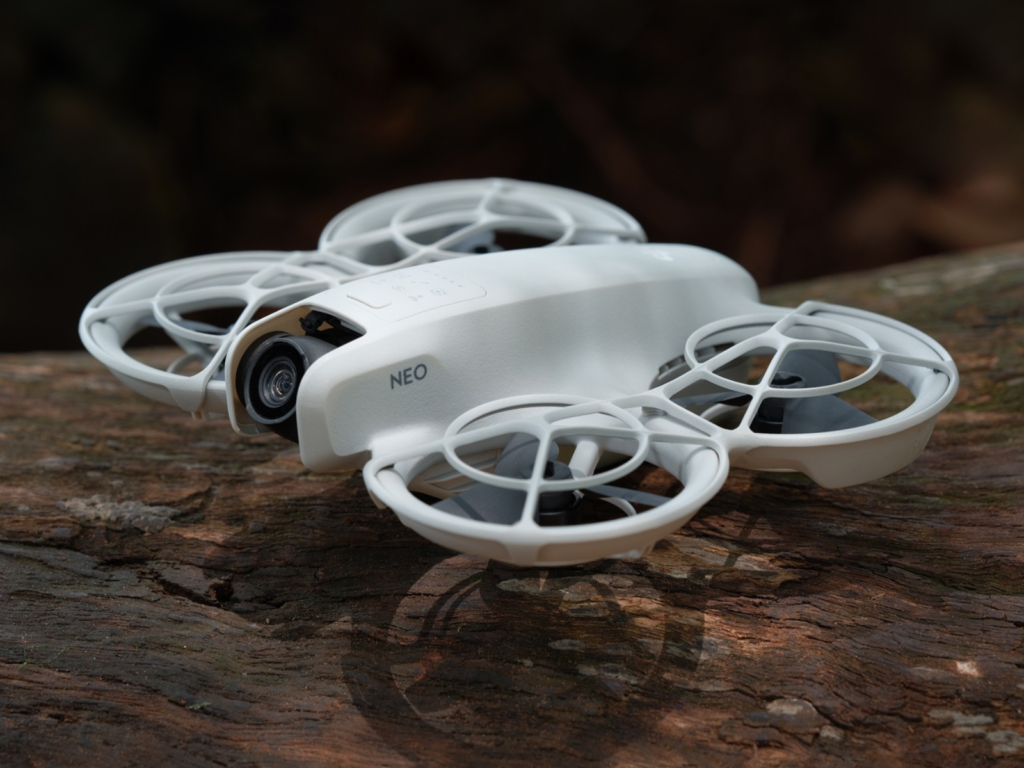
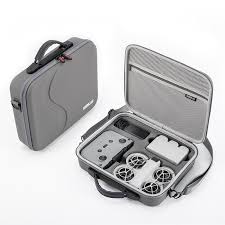
Dji NEO Original Storage Bag Buy NOW
- The Experience: This is the closest a human can get to actually flying. It’s visceral, fast, and requires high skill.
- Market Shift: In 2026, we’ve moved away from “DIY soldering” toward “Ready-to-Fly” (RTF) cinematic FPVs. These drones combine the speed of a racer with the stability of a camera drone.
- Is it for you: The thrill-seeker and the high-end cinematographer. You are not just taking a picture; you are experiencing a digital out-of-body journey.
Explore our full collection here: Photography Drones
2. Commercial & Enterprise Drones: The Architecture of Efficiency
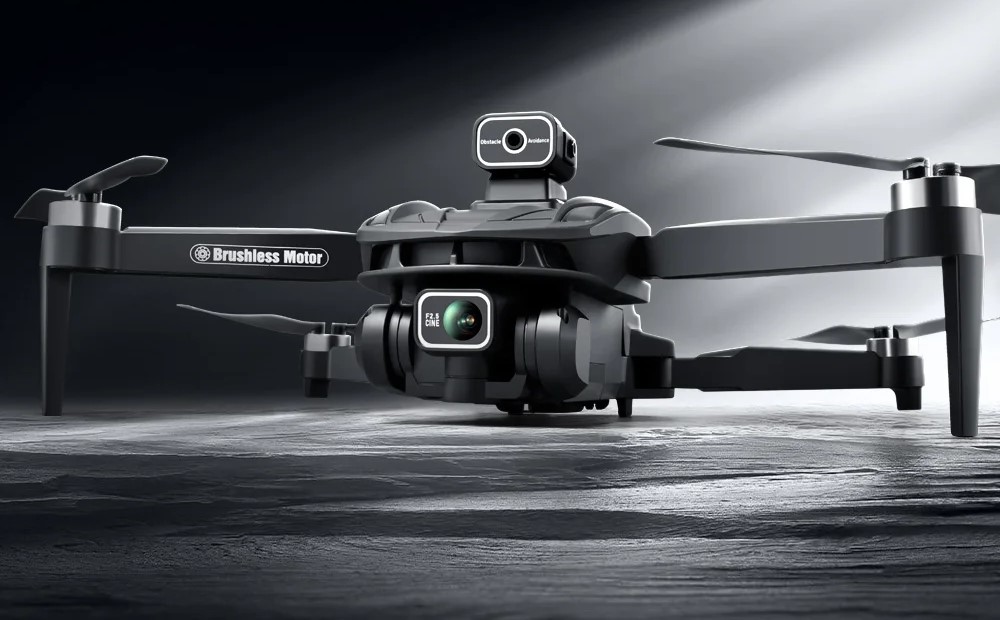
Unlike the consumer market, the enterprise buyer is driven by Utility and Risk Mitigation. They aren’t looking for “pretty” pictures; they are looking for actionable data. An Enterprise drone is a flying sensor, often replacing a human in a dangerous situation.
Inspection & Public Safety Drones
These drones are built to endure. They are often IP-rated (water and dust resistant) and can fly in rain or snow.
- Sensors: The defining feature here is the “Dual-Payload.” A high-resolution visual camera paired with a Radiometric Thermal Sensor. This allows fire departments to see hotspots through smoke or utility companies to find overheating components on a power line.
- The Professional: If you prioritize Downtime Minimization and need a uav drone that works 100% of the time, offers encrypted data transmission and integrates with their existing software (like ESRI or DroneDeploy), these drones are for you.
Mapping & Surveying (Fixed-Wing & VTOL)
When you need to map a 200-mile pipeline or a massive construction site, quadcopters lack the efficiency. This is where Fixed-Wing VTOL (Vertical Take-Off and Landing) uav drones shine.
- Efficiency: They take off like a helicopter but fly like an airplane. This allows them to stay in the air for 2–4 hours, covering massive distances.
- Data Accuracy: These drones carry LiDAR (Light Detection and Ranging) sensors, which use laser pulses to create “point clouds” of the earth’s surface, accurate down to the centimeter.
- Target Consumer: Civil engineers, environmental researchers, and mining companies. They are the “Analysts of the Sky.”
Agricultural Drones: The New Green Revolution
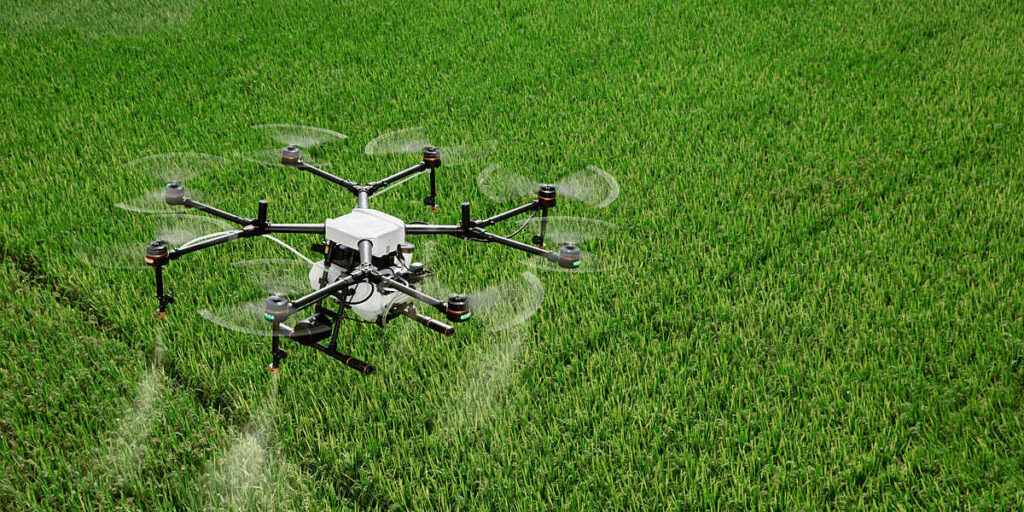
Perhaps the most “industrial” of all, agricultural drones are massive.
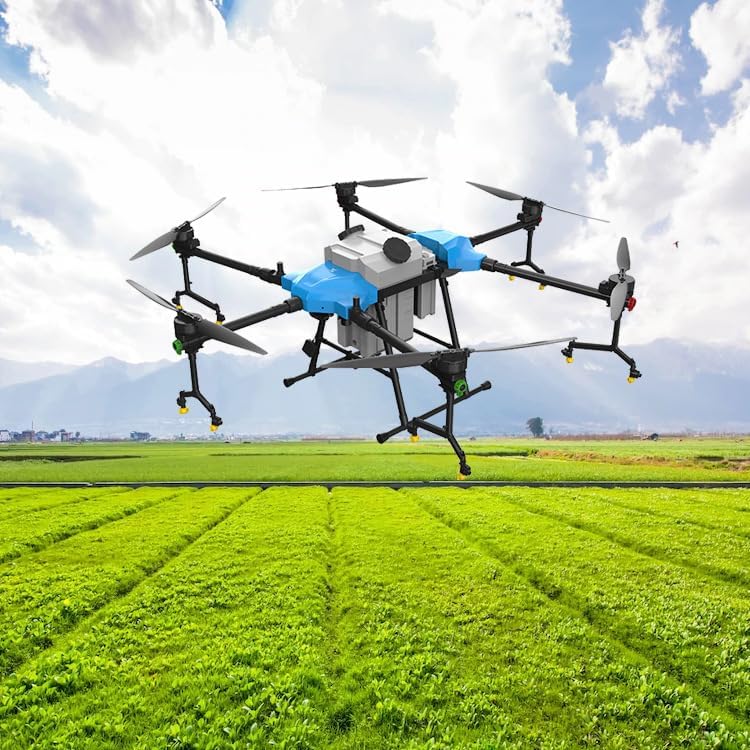
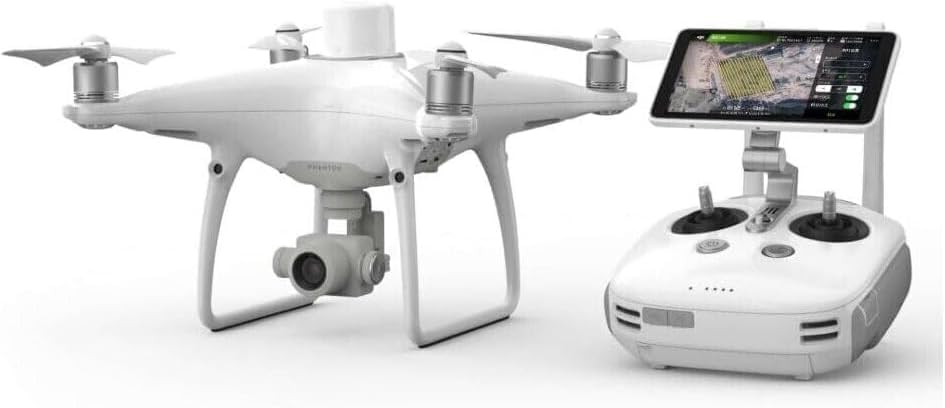

- The Mission: These are used for Precision Spraying. Instead of a tractor crushing crops to spray a field, a drone like the Agras T60 can hover over a specific area and deliver nutrients or pesticides with surgical precision.
- The ROI: Farmers buy these because they save money on chemicals and reduce labor costs. It is a purely economic decision driven by the psychology of Resource Management.
3. Specialized & Emerging Drone Types
Beyond the standard, 2026 has brought niche uav drones to the commercial forefront.
Confined Space Drones
Imagine a drone inside a metal sphere. These “caged” drones are designed to bounce off walls. They are used to inspect the inside of nuclear boilers, oil tankers, and sewer systems.
- The Pain Point: Sending a human into these spaces is life-threatening. The drone removes that risk entirely.
Cargo & Logistics UAV Drones
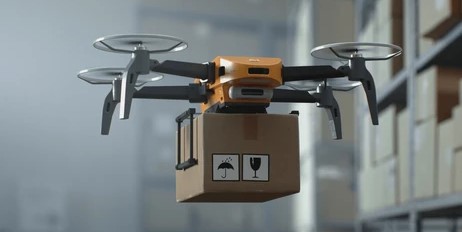
The “Last-Mile Delivery” dream is now a reality. From medical supplies in rural areas to coffee in the suburbs, cargo drones are the new delivery vans.
- The Tech: These drones utilize BVLOS (Beyond Visual Line of Sight) technology, guided by AI and satellite links to navigate complex urban airspaces autonomously.
Why Choose Your Drone via Schopping.com?
At Schopping.com, we don’t just list products; we curate solutions. The drone market is flooded with “white-label” toys that promise the world but fail in the field. Our selection process involves:
- Signal Integrity Testing: We ensure the transmission systems can handle urban interference.
- Battery Longevity Verification: We test real-world flight times, not just “lab” numbers.
- Software Ecosystem Review: We analyze how easy it is to get your photos and data off the uav drone and onto your device.
Flight to Freedom
When you buy a drone, you are investing in Freedom.
- For the Professional, it’s freedom from the danger of a ladder or the high cost of a manned helicopter.
- For the Hobbyist, it’s freedom from the perspective of the ground.
- For the Entrepreneur, it’s the freedom to offer a service that didn’t exist a decade ago.
Comparison Table: Finding Your Drone “Persona”
| Persona | Recommended Category | Primary Motivation | Top Feature to Look For |
| The Global Traveler | Nano/Mini UAV Drones | Ease of Use / Portability | Under 249g Weight |
| The Cinematic Artist | Prosumer Camera Drones | Creative Excellence | 1-inch (or larger) Sensor |
| The First Responder | Enterprise/Thermal Drones | Saving Lives / Security | Radiometric Thermal Imaging |
| The Modern Farmer | Agricultural Spray Drones | Profitability / Efficiency | Payload Capacity (Liters) |
| The Land Surveyor | Fixed-Wing VTOL | Precision / Scale | LiDAR Compatibility |
Ready to Take to the Skies?
The world looks different from 400 feet up. Whether you’re looking to start a new business or simply want to capture your next vacation from a breathtaking angle, Schopping.com has the expertise to guide you.
Frequently Asked Questions (FAQs)
- Do I need a license to fly a drone in 2026? It depends on the drone’s weight. Drones under 249g (Nano/Mini) often fall under “Category A1” and require minimal registration. However, any drone used for commercial purposes requires a Remote Pilot Certificate.
- What is the best drone for a beginner on a budget? The DJI Mini 4K or Potensic Atom SE are excellent entry-level choices. They provide 4K stabilized video and GPS safety features at a fraction of the cost of professional rigs.
- How long can a commercial drone stay in the air? Consumer drones typically fly for 30–45 minutes. Specialized enterprise drones like the Mavic 4 Pro can reach 50+ minutes, while Fixed-Wing VTOL drones can stay airborne for over 2 hours.
- What is the difference between a quadcopter and a VTOL drone? A quadcopter uses four rotors for hover and agility. A VTOL (Vertical Take-Off and Landing) drone takes off like a helicopter but transitions to wing-borne flight for massive efficiency over long distances.
- Can drones fly in the rain? Most consumer drones are not waterproof. However, industrial drones with an IP54 or IP55 rating (like the DJI Matrice series) are designed to operate in moderate rain and dust.
- What does ‘BVLOS’ mean in drone logistics? BVLOS stands for “Beyond Visual Line of Sight.” It refers to drone operations where the pilot cannot see the aircraft with their own eyes, usually facilitated by AI and satellite links.
- Why should I choose a drone with a thermal sensor? Thermal sensors detect heat signatures. They are essential for search and rescue, finding electrical faults in power lines, or identifying “hot spots” in firefighting.
- Are FPV drones harder to fly than standard drones? Yes. FPV (First-Person View) drones require more manual control and spatial awareness. However, 2026 “Cinewhoop” models now include “Motion Controllers” that make them much easier for beginners.
- What is LiDAR and why is it used in drones? LiDAR uses laser pulses to create highly accurate 3D maps. It is the gold standard for surveying, as it can “see through” thick vegetation to map the ground underneath.
- Is drone insurance necessary? For recreational use, it is highly recommended. For commercial use, it is often a legal requirement to cover third-party liability and equipment damage.
People Also Ask (PAA) Queries
- Are DJI drones banned in the US in 2026?
- Which drone has the longest flight time in 2026?
- How much weight can a cargo drone lift?
- Do mini drones under 250g need Remote ID?
- What is the best drone for real estate photography?
- Can I use a drone for crop spraying without a license?
- Is the DJI Mavic 4 Pro better than the Air 3S?
- How far can a drone fly from the controller?
- What happens if a drone loses signal during flight?
- How do I start a drone business in 2026?