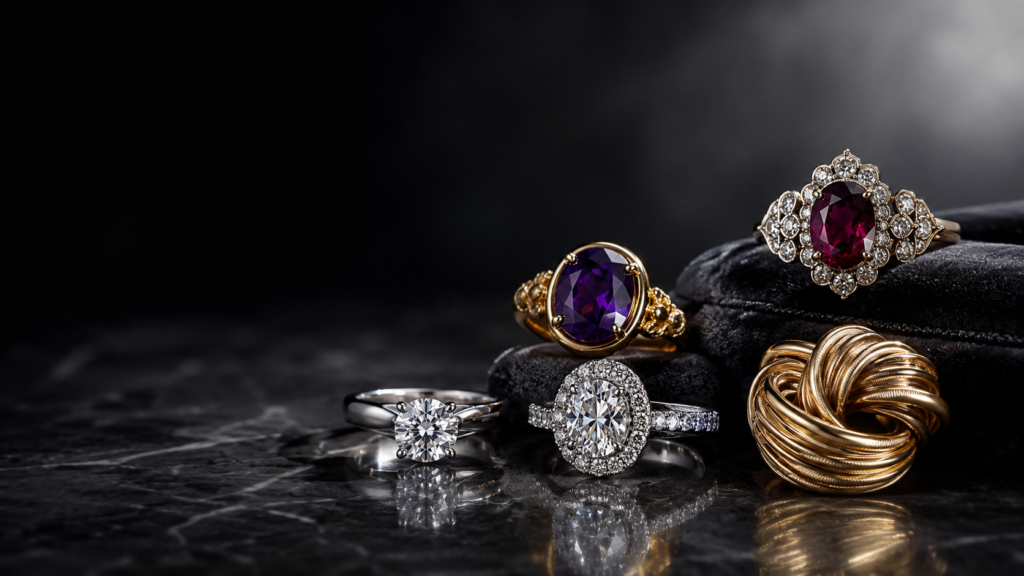
Cultured Diamond Brilliance Meets Royal Heritage
Amazon Affiliate Disclosure
Schopping may earn a commission from qualifying purchases through affiliate links, including Amazon links, at no extra cost to you. Editorial recommendations are written to help individuals compare quality, usefulness, design, longevity, and value before choosing a product.
Updated July, 2026.
Luxury rings bring together enduring symbolism, precious materials and modern craftsmanship. From lab grown diamond rings and sculptural gold bands to Amethyst rings and royal-inspired gemstone settings, each design offers a distinctive way to express commitment, status and personal style.
Today’s buyers increasingly look beyond appearance alone. They want rings that combine brilliance with responsible sourcing, lasting quality and meaningful design. This shift has strengthened demand for lab cultured diamonds, which offer the same essential chemical composition, crystal structure and optical qualities as mined diamonds while providing a modern, traceable alternative.
Shop Lab Grown Diamond Rings with Exceptional Brilliance
Lab grown diamond rings deliver the fire, clarity and durability expected from fine diamond jewelry. Available in solitaire, halo, pavé, three-stone and contemporary bezel settings, they allow buyers to choose a refined design without compromising visual impact.
A lab created diamond can be set in:
- 14K or 18K yellow gold
- White gold
- Rose gold
- Platinum
- Mixed-metal settings
Whether selected as an engagement ring, anniversary gift or personal investment piece, a cultured diamond ring offers a balance of elegance, innovation and conscious luxury.
Discover Luxury Gemstone Rings with Personal Meaning
Diamond rings are only one expression of modern fine jewelry. Colored gemstone rings introduce individuality, symbolic meaning and stronger visual character.
An Amethyst ring offers rich violet color with a calm, regal presence. Sapphire rings communicate loyalty and refinement, while ruby rings create a more passionate and commanding look. Emerald rings feel distinctive and timeless, and black diamond rings appeal to buyers seeking a bold, unconventional alternative to traditional white stones.
These designs form an essential part of contemporary Luxury Jewelry, allowing the wearer to choose a ring that reflects personal taste rather than following a single definition of prestige.
Choose Royal-Inspired Rings with Timeless Presence
Royal heritage continues to shape luxury ring design through prominent center stones, ornate halos, engraved details, elevated settings and substantial gold bands. These elements create a sense of ceremony and status while remaining suitable for modern styling.
Popular royal-inspired ring styles include:
- Oval and emerald-cut center stones
- Vintage halo rings
- Sapphire and diamond cluster rings
- Gold signet rings
- Cathedral-set diamond rings
- Heirloom-style gemstone rings
Yellow gold creates a traditional, aristocratic finish, while platinum and white gold offer a cleaner, more contemporary interpretation. Rose gold brings softness and warmth to vintage-inspired designs.
Find a Luxury Ring That Reflects Your Identity
A ring is more than a circular band of metal. Its closed form has long represented eternity, continuity, protection and commitment. Because rings are worn on the hands—the part of the body used to greet, create, promise and communicate—they often carry greater emotional meaning than other accessories.
An engagement ring may represent a shared future. A signet ring can communicate authority or heritage. A gemstone ring may mark achievement, independence or personal transformation. Even a simple luxury gold ring can become a daily expression of confidence and individual style.
The right ring should feel visually balanced, comfortable and emotionally relevant. Stone quality, setting security, band width, metal purity and craftsmanship all influence how the piece looks, feels and performs over time.
Buy Modern Luxury Rings Designed to Last
When comparing luxury rings, consider more than carat size or gemstone type. A well-designed ring should combine secure construction, proportional settings, polished finishing and a style that remains wearable beyond short-term trends.
Look for:
- Precisely cut lab grown or natural gemstones
- Secure prong, bezel or halo settings
- Solid 14K gold, 18K gold or platinum
- Balanced band proportions
- Smooth interior finishing
- Craftsmanship suited to long-term wear
From cultured diamond engagement rings to royal-inspired gemstone designs, modern luxury rings offer more choice than ever before. The strongest pieces unite brilliance, heritage and personal meaning in a form designed to remain significant for years.
Quick Picks: Explore Luxury Rings by Style, Stone and Buying Priority
Use this quick-navigation guide to compare luxury ring styles, understand diamond and gemstone quality, explore natural and lab grown options, and find the section most relevant to your taste, lifestyle and budget.
Best for Classic Prestige: Diamond Rings
Explore the psychology, symbolism and enduring appeal of luxury diamond rings, including:
- Why Diamond Rings Represent Permanence
- The Psychology of Diamond Sparkle
- Diamond Rings as Expressions of Status and Social Identity
- The 4Cs of Diamond Quality—and the Fifth C: Character
- Solitaire Diamond Rings
- Halo Diamond Rings
- Three-Stone, Eternity, Pavé, Bezel and Sculptural Rings
- Natural vs Lab Grown Diamond Rings
- How to Choose the Right Diamond Ring
- Diamond Rings as Mirrors of the Ideal Self
Choose this section if: you are comparing engagement rings, anniversary rings, diamond settings, gemstone grades or timeless luxury designs.
Best for Color and Symbolism: Amethyst Rings
Discover the emotional, historical and commercial appeal of purple gemstone rings, including:
- Why Amethyst Rings Represent Equilibrium
- Affordable Amethyst Rings and Value-Based Luxury
- Sovereign Style and Unconventional Status
- The Spiritual and Historical Meaning of Amethyst
- Amethyst Rings for Intellectuals, Artists and Dreamers
- Deep Purple Amethyst Rings
- Rose de France Amethyst Rings
- Amethyst and Diamond Rings
- Yellow-, White- and Rose-Gold Amethyst Rings
- Sterling Silver Amethyst Rings
- How to Choose the Best Amethyst Ring
- How to Care for an Amethyst Ring
- Amethyst Rings as Symbols of Internal Richness
Choose this section if: you want an affordable gemstone ring, February birthstone ring, alternative engagement ring or dramatic purple statement piece.
Best for Modern Value and Brilliance: Lab Cultured Diamonds
Learn how laboratory-grown diamonds combine genuine diamond properties with modern production, budget flexibility and conscious purchasing:
- What Are Lab Cultured Diamonds?
- Why Lab Grown Diamonds Represent the Future of Luxury
- Transparency and Conscious Luxury
- Lab Cultured Diamonds and Sovereign Intelligence
- Value, Carat Size and the Ability to Upsize
- Cut Quality and Maximum Light Return
- The 4Cs of Lab Grown Diamonds
- The Fifth C: Conscious Character
- Lab Grown Diamond Solitaire Rings
- Lab Grown Diamond Halo Rings
- Three-Stone Lab Grown Diamond Rings
- Eternity and Anniversary Rings
- Cultured Diamond Engagement Rings
- Lab Grown Diamond Anniversary Jewelry
- Natural Diamonds vs Lab Grown Diamonds
- Certification and Independent Grading
- How to Choose the Best Lab Grown Diamond Ring
- How to Care for Lab Grown Diamond Jewelry
- The Modern Shift in Diamond Psychology
- Cultured Diamonds as Mirrors of Internal Strength
Choose this section if: you are comparing natural and lab grown diamonds, want a larger center stone within budget or need guidance on certification, cut and long-term value.
Best for Bespoke Artistry: High-End Rings
Explore designer rings, premium materials, bespoke craftsmanship and heirloom-quality construction:
- What Defines a High-End Ring?
- The Connoisseur and the Search for Artistry
- Bespoke Rings and Self-Actualization
- Rings as Architectural Objects
- Heavy-Gauge Platinum Rings
- 18K Gold Rings
- Rare Gemstones and Elite Stone Selection
- One-of-a-Kind Rings
- High-End Diamond Rings
- Designer Rings as Wearable Sculpture
- Heirloom Rings and Legacy Value
- Structural Integrity for Generational Wear
- Bespoke High-End Engagement Rings
- Statement Rings and Social Presence
- Quiet Luxury Rings
- How to Choose a High-End Ring
- How to Care for High-End Rings
- High-End Rings as Completed Statements of Self
Choose this section if: you are considering a custom ring, rare gemstone, platinum setting, substantial 18K gold band or one-of-a-kind legacy piece.
Best for Heritage and Ceremonial Presence: Royal Pieces
Enter the world of royal-inspired rings, power colors, crown motifs, filigree and statement gemstones:
- The Royal Archetype in Modern Jewelry
- What Defines a Royal-Inspired Ring?
- The Royal Aesthetic: Ceremony, Color and Scale
- Power Colors in Royal Gemstone Rings
- Deep Blue Sapphire Rings
- Ruby Rings and the Psychology of Command
- Royal Purple Amethyst Rings
- Emerald Rings and the Symbolism of Renewal
- The Crown Motif
- Intricate Filigree and Heritage Metalwork
- Large Center Stones and Visual Authority
- The Power of Weight in Royal Rings
- Royal-Inspired Engagement Rings
- Royal Cocktail Rings
- Royal Signet Rings
- Natural, Lab Grown and Alternative Royal Gemstones
- How to Choose a Royal-Inspired Ring
- How to Style Royal Rings
- Royal Rings as Heirloom Jewelry
- How to Care for Royal-Inspired Rings
- Royal Pieces as Symbols of Personal Authority
Choose this section if: you want a sapphire, ruby, emerald or Amethyst ring with royal color, historical detail and commanding visual presence.
Best for Making the Final Decision: Find Your Perfect Ring at Schopping.com
Use the complete buying guide to connect ring style with identity, lifestyle, materials and long-term value:
- Choose a Ring That Reflects Your Identity
- Natural Diamond Rings for Heritage and Prestige
- Lab Grown Diamond Rings for Modern Luxury
- Amethyst Rings for Color and Accessible Luxury
- Royal-Inspired Rings for Authority and Heritage
- High-End and Bespoke Rings
- Match the Ring to Your Lifestyle
- Select the Right Precious Metal
- Understand the Setting Before You Buy
- Evaluate Craftsmanship Beyond the Gemstone
- Compare Ring Value Intelligently
- Build a Coordinated Luxury Jewelry Collection
- A Ring for Every Facet of the Self
Choose this section if: you have narrowed your options and need help selecting the gemstone, metal, setting and construction best suited to everyday wear.
Most Important Luxury Ring Buying Factors
| Buying Priority | Best Place to Start |
|---|---|
| Traditional prestige and permanence | Diamond Rings |
| Larger diamond within a controlled budget | Lab Cultured Diamonds |
| Affordable color and symbolic meaning | Amethyst Rings |
| Rare materials and custom craftsmanship | High-End Rings |
| Royal color and historical styling | Royal Pieces |
| Active lifestyle and everyday durability | Match the Ring to Your Lifestyle |
| Platinum, gold or silver comparison | Select the Right Precious Metal |
| Solitaire, halo, bezel or pavé comparison | Understand the Setting Before You Buy |
| Heirloom and generational value | Heirloom Rings and Legacy Value |
| Final buying decision | Find Your Perfect Ring at Schopping.com |
Luxury Rings FAQs and Buyer Questions
Still comparing stones, settings and materials? Continue to:
These sections answer practical buying questions about luxury ring prices, lab grown diamonds, Amethyst engagement rings, platinum versus 18K gold, everyday settings, certification, bespoke rings, heirloom gemstones and matching rings with necklaces, earrings and bracelets.
1. Diamond Rings: The Ultimate Symbol of the Ego
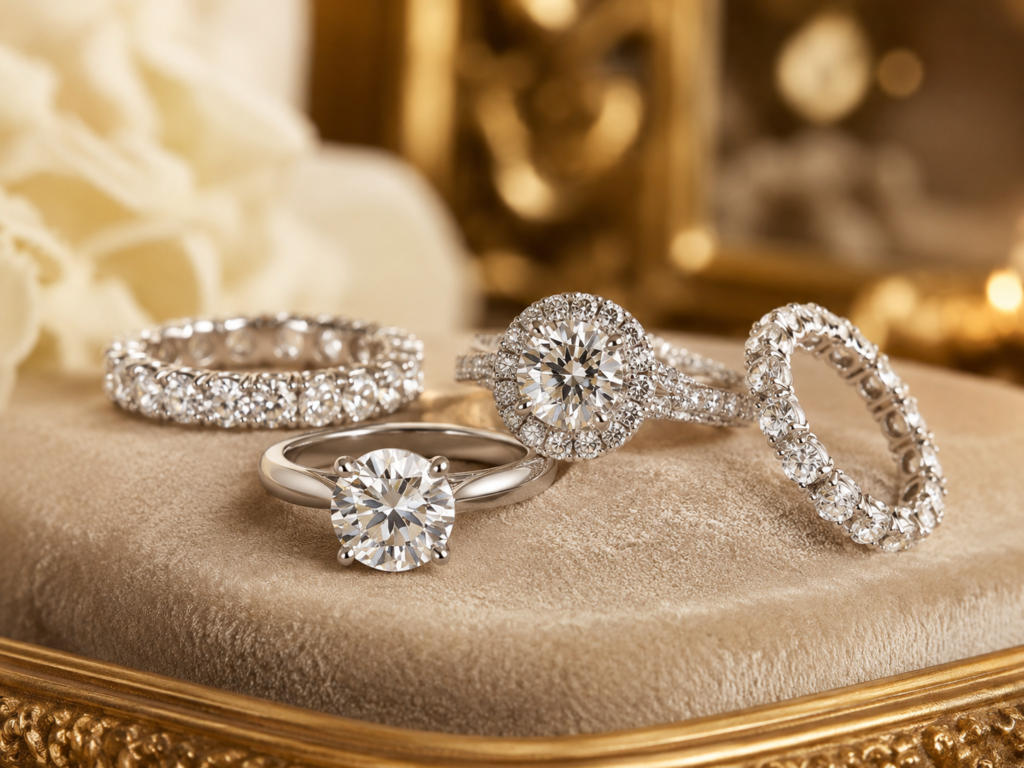
Diamond rings occupy a distinctive place in the psychology of luxury. They are purchased for love, commitment and celebration, yet they also communicate identity, achievement and permanence. A diamond ring may be deeply intimate, but it is rarely invisible. It sits on the hand, enters social space and becomes part of how the wearer is perceived.
From a psychoanalytic perspective, the desire for a diamond ring can be connected to the ego: the part of the self concerned with identity, recognition, aspiration and our relationship with the external world. The ring becomes a physical expression of an internal ideal. It may represent the person the wearer has become, the life they have built or the standard they wish to embody.
This does not make the diamond superficial. On the contrary, its psychological power comes from its ability to unite private emotion with public meaning. An engagement ring may represent devotion between two people while also announcing that commitment to others. A diamond anniversary ring may preserve the memory of a shared history. A self-purchased diamond ring can mark professional success, independence or personal transformation.
Within the wider world of Luxury Jewelry, few pieces carry this combination of emotional intensity, cultural recognition and visual authority as effectively as a diamond ring.
Why Diamond Rings Represent Permanence
Diamonds have long been associated with endurance because of their exceptional hardness and ability to retain a polished surface. This physical resilience has made the gemstone a natural symbol of lasting love, continuity and strength.
Psychologically, permanence is one of the central attractions of a diamond ring. Human lives, relationships and identities are always changing, but the stone appears resistant to time. It offers the illusion of something stable in a world defined by movement.
This helps explain why diamond engagement rings remain such powerful ceremonial objects. They transform an abstract promise into something visible and tangible. The ring can be worn every day, becoming a repeated reminder of commitment rather than a memory confined to a single occasion.
Luxury diamond rings may also represent permanence outside romantic relationships. A diamond eternity band can honor an anniversary, while a right-hand diamond ring may commemorate financial independence, recovery, achievement or a decisive new stage of life.
The meaning changes according to the wearer, but the underlying symbolism remains consistent: the diamond becomes an object designed to outlast the moment in which it was given.
The Psychology of Diamond Sparkle
The sparkle of a diamond is not produced by size alone. It emerges from the interaction between light, proportion, facet alignment and movement. When a well-cut diamond is viewed from different angles, it produces brightness, flashes of spectral color and alternating patterns of light and shadow.
These visual effects are commonly described through three qualities:
- Brilliance: the white light reflected from the diamond
- Fire: the separation of light into visible flashes of color
- Scintillation: the sparkle created as the diamond or viewer moves
From a psychological perspective, this shifting light naturally attracts attention. The eye is drawn toward contrast, movement and brightness. A diamond therefore does more than decorate the hand; it creates a focal point.
Its sparkle can also operate as a form of symbolic mirroring. The wearer may see in the diamond an image of clarity, confidence and elevated potential. The gemstone appears composed and controlled, yet it contains intense visual energy. This tension between restraint and radiance is central to the appeal of high-end diamond rings.
When buyers browse luxury diamond rings, they are often comparing more than carat weight or price. They are evaluating how the stone behaves in light, how commanding it appears on the hand and whether its visual character reflects their own identity.
Diamond Rings as Expressions of Status and Social Identity
Luxury has always involved communication. Precious materials, skilled craftsmanship and recognizable design signals allow objects to carry meaning beyond their practical function.
A diamond ring can indicate commitment, taste, social position or personal achievement. Its meaning may be understood immediately by others, particularly when the design uses familiar forms such as a solitaire engagement ring, a diamond eternity band or a large halo setting.
In psychoanalytic terms, the ring can support the wearer’s idealized self-image. It becomes part of the persona presented to the outside world: refined, successful, loved, powerful or independent.
However, modern luxury is becoming more individualized. Status is no longer expressed only through the largest possible stone. Some buyers prefer discreet diamond bands, unusual cuts or minimalist bezel settings. Others choose vintage-inspired rings, colored diamond accents or sculptural designs that prioritize artistic character over traditional prestige.
The most compelling luxury diamond ring is therefore not necessarily the most conspicuous. It is the design that communicates the wearer’s chosen identity with the greatest precision.
The 4Cs of Diamond Quality—and the Fifth C: Character
Diamond quality is traditionally evaluated through the 4Cs: cut, color, clarity and carat weight. These criteria help buyers compare stones, but they do not fully explain why one diamond may feel more captivating than another.
For this reason, character should be considered alongside technical grading.
Cut
Cut has the greatest influence on how effectively a diamond interacts with light. A precisely cut diamond can appear lively, balanced and bright, while a poorly proportioned stone may look dull even if it has a high color or clarity grade.
For buyers prioritizing sparkle, cut quality should generally receive more attention than size alone.
Color
Diamond color grades indicate the amount of visible body color within a white diamond. Near-colorless stones often provide an attractive balance of brightness and value, particularly when paired with yellow or rose gold.
Higher color grades may be preferred in platinum and white gold settings, where the cool metal can make warmer tones more noticeable.
Clarity
Clarity evaluates the internal and external characteristics of a diamond. Many inclusions are microscopic and cannot be seen without magnification. An eye-clean diamond may therefore provide excellent visual beauty without requiring the highest possible clarity grade.
Carat Weight
Carat measures weight rather than visible diameter. Two diamonds of the same carat weight can appear different in size depending on their shape, cut proportions and setting.
Elongated cuts such as oval, pear and marquise diamonds may appear larger from above than some round stones of comparable weight.
Character
Character describes the less measurable qualities that give a diamond its individual presence. It may come from an unusual facet pattern, antique-inspired cut, distinctive proportion or the way the stone performs under different lighting conditions.
A technically perfect diamond can still feel emotionally neutral. Another stone, perhaps with a slightly warmer tone or unconventional shape, may feel more memorable. Character is the point at which grading meets personal response.
Solitaire Diamond Rings: Singular Focus and Purity
Solitaire diamond rings place one central stone at the heart of the design. Their strength comes from restraint. With few decorative elements competing for attention, the diamond’s shape, cut and proportion become the primary visual statement.



The solitaire is especially suited to buyers who value clarity, symbolism and timeless design. Psychologically, the single stone can represent singular commitment, focused ambition or the idea of one defining choice.
Popular solitaire diamond shapes include:
- Round brilliant
- Oval
- Emerald cut
- Cushion cut
- Pear shape
- Marquise
- Radiant cut
- Princess cut
A round brilliant solitaire offers maximum familiarity and intense sparkle. An emerald-cut diamond feels more architectural and controlled. Oval and pear-shaped solitaires create an elongated appearance on the finger, while cushion cuts balance softness with vintage character.
The setting also changes the personality of the ring. A four-prong setting exposes more of the diamond, while a six-prong design creates additional security and a more traditional appearance. A bezel-set solitaire feels modern, smooth and protected, making it attractive for active lifestyles.
Because the design is visually simple, quality becomes especially important. Stone alignment, prong symmetry, band proportion and finishing must be precise. In a solitaire ring, there is nowhere for weak craftsmanship to hide.
Halo Diamond Rings: Amplified Brilliance and Presence
Halo diamond rings surround the center stone with a frame of smaller diamonds. This arrangement increases the visible sparkle and can make the central diamond appear larger.
Where the solitaire communicates singular focus, the halo communicates expansion. It takes the light of the center stone and multiplies it outward, creating a stronger visual presence on the hand.
From a psychological perspective, halo settings suit buyers who are attracted to radiance, ceremony and expressive luxury. The design draws attention from a greater distance and often feels more ornate than a traditional solitaire.
Common halo styles include:
- Classic single halo
- Double halo
- Hidden halo
- Floral halo
- Vintage milgrain halo
- Geometric halo
- Colored gemstone halo
A classic halo creates an immediate frame around the center diamond, while a hidden halo places smaller stones beneath the main setting. Hidden halo diamond rings offer additional sparkle from the side without changing the central face-up appearance as dramatically.
Vintage halo rings may incorporate milgrain edges, intricate metalwork or clusters inspired by royal and Edwardian jewelry. Contemporary halo settings often use cleaner lines, mixed diamond shapes or asymmetrical arrangements.
A well-designed halo should support rather than overwhelm the center stone. The surrounding diamonds must be proportionate, evenly spaced and carefully matched in color and brightness.
Other Luxury Diamond Ring Styles
Beyond solitaires and halos, several diamond ring designs offer distinct forms of symbolism and visual impact.
Three-Stone Diamond Rings
Three-stone rings are often associated with the past, present and future of a relationship. They may also represent friendship, love and fidelity or any three-part meaning chosen by the wearer.
Side stones can increase finger coverage while keeping the center diamond visually dominant.
Diamond Eternity Bands
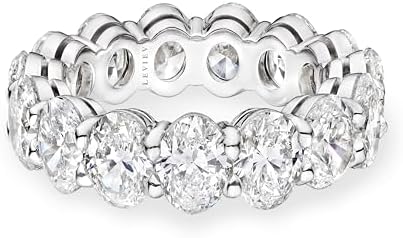
Eternity bands feature diamonds extending around the entire circumference of the ring. The uninterrupted sequence reinforces themes of continuity, repetition and everlasting commitment.
Half-eternity bands offer a similar appearance from above while often providing easier resizing and greater comfort.
Pavé Diamond Rings
Pavé settings use rows of small diamonds placed closely together so that little metal is visible. They add surface brilliance to the band and can make a center stone setting feel more elaborate.
Because pavé diamonds are small and precisely set, workmanship is essential. Poorly constructed pavé can be vulnerable to stone loss.
Bezel-Set Diamond Rings
A bezel setting surrounds the diamond with a rim of metal. It offers a sleek, contemporary appearance and additional protection around the stone’s edges.
Bezel-set diamond rings are particularly suitable for buyers who value modern minimalism, smooth construction and practical everyday wear.
Signet and Sculptural Diamond Rings
Diamond signet rings and sculptural designs combine the authority of traditional gold jewelry with the light and prestige of diamonds. These rings may feature flush-set stones, geometric surfaces or unconventional asymmetry.
They are often purchased as personal style pieces rather than bridal jewelry, making them particularly relevant to the growing market for self-purchased luxury rings.
Natural and Lab Grown Diamond Rings
Modern buyers can choose between natural and lab grown diamonds. Both are genuine diamonds with the same essential crystal structure and optical characteristics, although they differ in origin.
Natural diamonds form beneath the earth over extremely long geological periods. Their appeal is closely connected to natural rarity, heritage and traditional perceptions of value.
Lab grown diamonds are created through advanced technological processes that reproduce the conditions under which diamonds form. They appeal to buyers seeking modern production methods, potentially greater size or quality within a set budget and a more traceable purchasing process.
The strongest choice depends on the buyer’s priorities. A customer who values geological rarity and traditional heritage may prefer a natural diamond ring. Someone focused on visual size, contemporary sourcing and price efficiency may prefer a lab grown diamond ring.
In either case, the quality of the cut, setting and overall craftsmanship determines how impressive the finished ring will appear.
Choosing the Right Diamond Ring
Selecting a diamond ring requires a balance between technical quality, lifestyle and emotional response.
Consider the following factors:
- The wearer’s preferred diamond shape
- Daily activity and practical durability
- Desired level of sparkle
- Metal color and skin-tone compatibility
- Ring profile and setting height
- Band width and finger proportions
- Natural or lab grown diamond preference
- Budget allocation between cut, size, color and clarity
Someone who uses their hands frequently may prefer a lower-profile bezel or cathedral setting. A buyer seeking maximum brilliance may prioritize a round brilliant diamond with a high cut grade. A wearer who favors understated luxury may choose an emerald-cut solitaire or a thin diamond band.
The ring should also feel balanced on the hand. A large center stone paired with an extremely narrow band may appear dramatic but require additional structural support. Wider bands can feel substantial, although they may fit more tightly than delicate designs.
The best diamond ring is not simply the one with the highest grading report. It is the ring that aligns visual beauty, craftsmanship, comfort and symbolic meaning.
Diamond Rings as Mirrors of the Ideal Self
A diamond ring often becomes a mirror of the wearer’s highest aspirations. Its clarity may represent mental focus. Its resilience may symbolize endurance. Its brilliance may express confidence, visibility or the desire to be recognized.
This is why diamond rings remain compelling even as fashion changes. They operate simultaneously as gemstones, social symbols, emotional keepsakes and extensions of identity.
A solitaire may embody purity and singular purpose. A halo ring may project radiance and amplified presence. An eternity band may communicate continuity, while a sculptural diamond ring can express independence and artistic individuality.
The diamond’s power does not come only from rarity or price. It comes from the meanings projected onto it—and from the way those meanings become part of the wearer’s daily life.





2. Amethyst Rings: The Healer’s Archetype
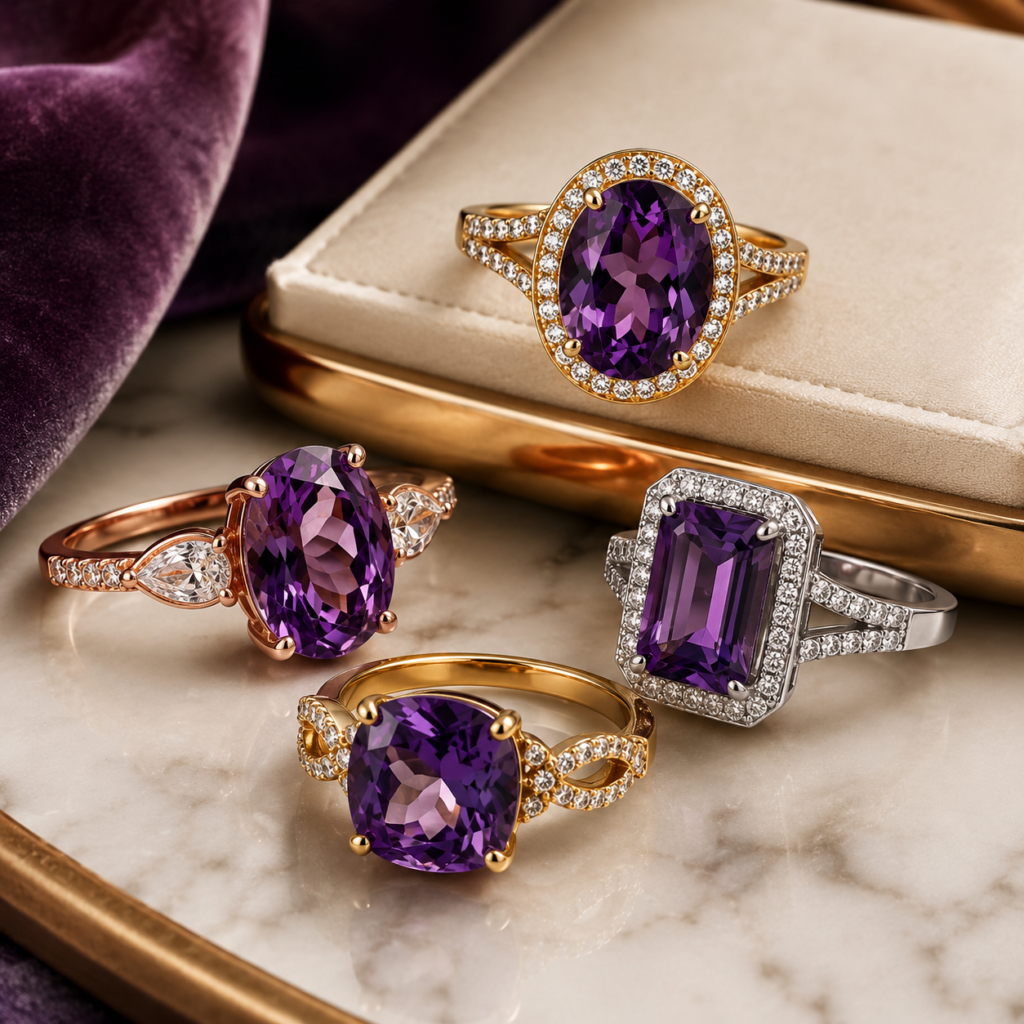
While diamond rings are often associated with permanence, visibility and social status, Amethyst rings speak to a quieter psychological desire: equilibrium. Their violet color has long been connected with contemplation, restraint, intuition and inward awareness, making the Amethyst ring especially appealing to buyers who want their jewelry to express emotional depth rather than conventional prestige alone.
In psychoanalytic terms, purple occupies an intriguing position between the stability of blue and the intensity of red. It combines calm with desire, discipline with imagination and rational control with the subconscious. This duality allows Amethyst jewelry to represent the search for balance between opposing parts of the self.
An Amethyst ring may therefore function as more than a decorative gemstone setting. It can become a personal symbol of clarity, creative independence or emotional composure. Some wearers choose Amethyst because of its historic spiritual associations. Others are drawn simply to its regal color, affordability and ability to create a dramatic presence without the cost of a comparable diamond or rare colored gemstone.
Within a refined Luxury Lifestyle, an Amethyst ring represents a more individual form of elegance—one built around taste, symbolism and intelligent purchasing rather than price alone.
Why Amethyst Rings Appeal to the Search for Equilibrium
The psychological appeal of Amethyst lies partly in its visual balance. Deep purple can feel authoritative and ceremonial, yet it is less aggressive than bright red and less conventional than blue. Lighter lavender tones appear romantic, contemplative and ethereal, while saturated violet stones create a stronger impression of royalty and confidence.
For many buyers, this balance mirrors an internal aspiration. The gemstone becomes associated with the desire to remain composed without becoming emotionally distant, imaginative without losing discipline and visible without appearing excessively performative.
This makes purple Amethyst rings particularly attractive to people who see jewelry as an extension of personality. Rather than selecting a gemstone only because it is expensive or traditionally expected, they choose a color that reflects mood, intellect and individual identity.
An Amethyst ring can be worn as:
- A February birthstone ring
- A personal talisman or symbolic keepsake
- A distinctive alternative engagement ring
- An anniversary or milestone gift
- A right-hand cocktail ring
- An affordable luxury jewelry purchase
- A statement piece for evening or formal styling
The meaning depends on the wearer, but the consistent theme is intentionality. Amethyst is rarely chosen accidentally. Its color is expressive enough to feel personal from the moment it is placed on the hand.
Affordable Amethyst Rings and Value-Based Luxury
One of the strongest advantages of Amethyst is its ability to provide visual impact at an accessible price. Large, richly colored stones are often available at lower prices than diamonds, sapphires, rubies or emeralds of comparable dimensions.
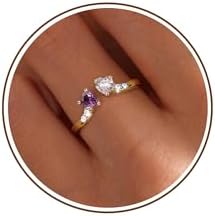
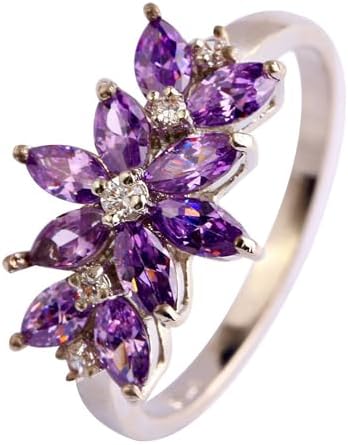

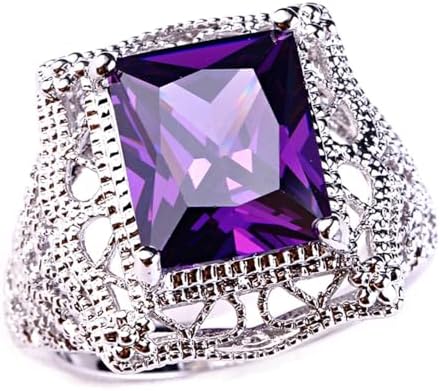

This makes affordable Amethyst rings a compelling category for buyers who want the presence of a substantial gemstone without committing to the high entry cost associated with traditional luxury rings.

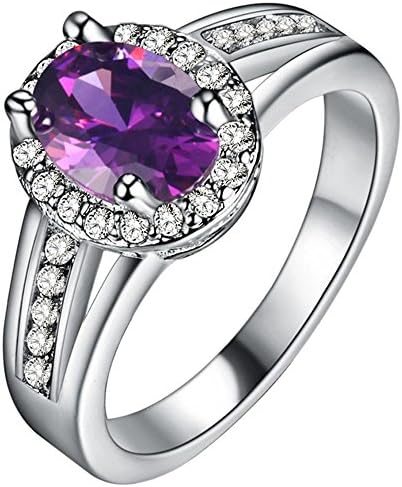

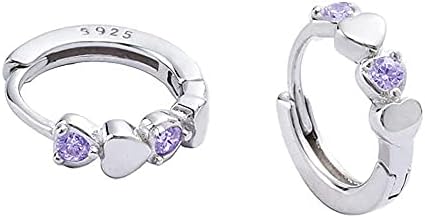
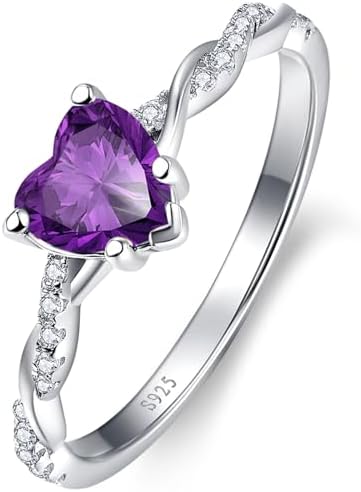
Psychologically, this appeals to the strategic consumer: someone who understands that price and personal value are not identical. Rather than purchasing according to social pressure, the strategic buyer considers color, craftsmanship, wearability and emotional relevance.
An affordable gemstone ring can still feel luxurious when the stone is well cut, the setting is balanced and the metalwork is thoughtfully finished. The visual effect comes from proportion and design, not simply from rarity.
Amethyst performs particularly well in this context because its saturated color creates immediate recognition. A properly cut oval or emerald-cut Amethyst can occupy a large surface area on the hand, producing the scale and drama associated with high jewelry while remaining comparatively budget-friendly.
This creates an attractive aesthetic return on investment. The wearer receives:
- Strong gemstone color
- Noticeable finger coverage
- A wide variety of cuts and settings
- Compatibility with silver and gold
- Greater freedom to select a larger center stone
- A distinctive look that differs from conventional diamond jewelry
Choosing a budget-friendly Amethyst ring is therefore not a compromise. It can be an informed expression of sovereign style: the ability to select jewelry according to personal intelligence rather than inherited assumptions about what luxury should cost.
Sovereign Style and the Rejection of Conventional Status
Traditional luxury often depends on external validation. The object is valuable because society agrees that its material, brand or rarity communicates status. Amethyst offers another path.
Its appeal is more interpretive. The wearer may value the stone because of its color, historical symbolism or connection to imagination and inner life. This shifts the focus away from conspicuous consumption and toward self-directed taste.
A person wearing a large Amethyst cocktail ring may create considerable visual impact, but the message differs from that of a large diamond. The diamond often communicates recognized financial value. Amethyst communicates color confidence, unconventional judgment and freedom from predictable choices.
This is the essence of sovereign style. The wearer does not reject luxury; they redefine it. They decide that intelligence, originality and emotional resonance can be as important as monetary scarcity.
For this reason, Amethyst rings are especially suited to buyers who enjoy expressive jewelry but do not want their identity reduced to price signals. The gemstone offers visual richness without requiring the wearer to participate fully in the status hierarchy of traditional diamonds.
The Spiritual and Historical Meaning of Amethyst
Amethyst has carried symbolic meaning across many historical periods. Its name is traditionally associated with ancient beliefs about sobriety and protection from intoxication. Over time, the gemstone also became connected with spiritual discipline, clarity, restraint and protection.
In religious and royal contexts, purple was historically difficult and expensive to produce as a dye, which contributed to its association with authority, ceremony and sacred status. Amethyst benefited from this cultural connection, appearing in ecclesiastical jewelry, royal collections and ornamental objects.
In contemporary jewelry, these associations are often interpreted more personally. Some buyers choose an Amethyst ring as a symbolic reminder to remain calm, clear-minded or emotionally grounded. Others see it as a stone connected with meditation, dreams, creativity or intuition.
Claims about Amethyst healing properties should be understood as spiritual or cultural beliefs rather than medically established effects. The ring may still possess genuine psychological significance, however, because symbolic objects can help wearers focus on intentions, memories and desired states of mind.
An Amethyst ring worn as a talisman may serve as a daily reminder of:
- Emotional composure
- Personal boundaries
- Creative confidence
- Recovery from a difficult period
- The desire for mental clarity
- A commitment to thoughtful living
The value lies not in a guaranteed physical effect, but in the meaning the wearer gives to the object.
Amethyst Rings for Intellectuals, Artists and Dreamers
Amethyst has a distinctive relationship with imagination. Its color feels less literal than the red of ruby or the green of emerald. Purple occupies a space associated with twilight, dreams, ceremony and the mysterious aspects of experience.
This makes Amethyst jewelry especially attractive to intellectual, artistic and introspective personalities. The stone can suggest someone who values ideas, symbolism and inner complexity rather than direct displays of wealth.
For the intellectual, Amethyst may represent disciplined thought balanced by curiosity. For the artist, it can symbolize imagination and visual sensitivity. For the dreamer, its shifting violet tones can express a connection to fantasy, romance and possibility.
These identities should not be treated as fixed categories. A single Amethyst ring may feel intellectual in a geometric bezel setting, romantic in a rose-gold halo or dramatically royal in a large yellow-gold cocktail design.
The setting determines how the psychological character of the gemstone is expressed.
Deep Purple Amethyst Rings for a Royal Presence
Deep purple Amethyst rings create the strongest sense of ceremony and authority. Saturated violet stones are often associated with royal styling because the color has historical connections with rank, power and spiritual leadership.
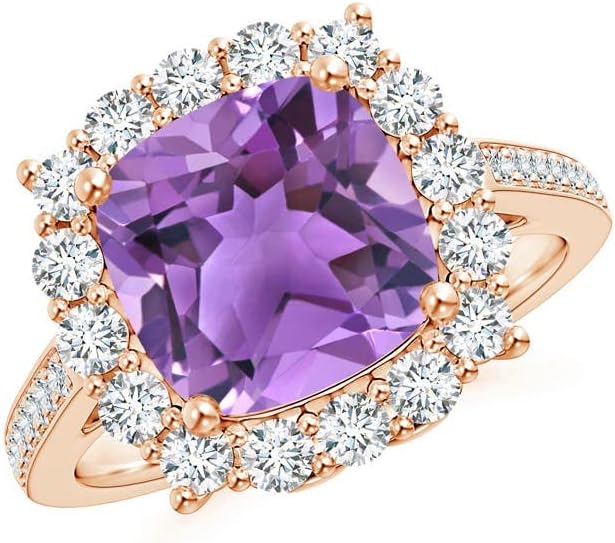


A dark Amethyst can appear especially rich when paired with yellow gold. The warmth of the metal contrasts with the cool depth of the gemstone, creating a traditional high-jewelry effect.
White gold and platinum produce a cleaner, more contemporary appearance. Their cool tones allow the purple stone to feel sharper and more architectural. Sterling silver offers a similar visual contrast at a more accessible price.
Popular designs for deep purple Amethyst include:
- Oval-cut Amethyst cocktail rings
- Emerald-cut Amethyst rings
- Cushion-cut yellow-gold settings
- Amethyst and diamond halo rings
- Vintage-inspired cluster rings
- Large bezel-set statement rings
- Three-stone Amethyst designs
Color should be evaluated carefully. A very dark stone may appear almost black in low light, reducing its visible brilliance. An attractive deep Amethyst should retain recognizable purple color across different lighting conditions.
Cut quality is also important. Even a richly colored stone can appear lifeless if the proportions do not allow sufficient light to return through the top of the gem.
Rose de France Amethyst Rings for Romantic Elegance
Rose de France Amethyst refers to pale lavender or pinkish-violet material that offers a softer interpretation of the gemstone. Instead of the ceremonial intensity of deep purple, these lighter stones create an airy, romantic and understated effect.
Rose de France Amethyst rings are particularly effective in rose gold, where the warm pink metal emphasizes the gemstone’s delicate undertones. They also work well in white gold and sterling silver for a cooler, more ethereal appearance.
This lighter color palette appeals to buyers who prefer subtle luxury. The stone remains distinctive, but it does not dominate the hand as forcefully as a saturated purple Amethyst.
Common Rose de France ring styles include:
- Delicate oval solitaires
- Pear-shaped lavender gemstone rings
- Rose-gold halo settings
- Minimalist bezel rings
- Floral cluster designs
- Vintage-inspired engagement rings
- Thin stackable Amethyst bands
Psychologically, Rose de France Amethyst expresses sensitivity rather than authority. It feels romantic, reflective and emotionally open, making it suitable for milestone gifts, alternative engagement rings and personal jewelry with intimate meaning.
Amethyst and Diamond Rings
Amethyst and diamond rings combine the expressive color of a purple gemstone with the recognizable brilliance of diamonds. This pairing creates a useful balance between individuality and traditional luxury.
The Amethyst provides identity and scale, while the diamonds add light, contrast and visual refinement. Small diamond halos can make the center stone appear more prominent, while diamond-set shoulders introduce sparkle without distracting from the purple color.
Popular combinations include:
- Oval Amethyst with a diamond halo
- Emerald-cut Amethyst with diamond side stones
- Cushion-cut Amethyst in a pavé band
- Three-stone rings with Amethyst and diamonds
- Vintage cluster rings
- Floral gemstone and diamond designs
- Yellow-gold Amethyst rings with diamond accents
Buyers should pay attention to proportion. If the surrounding diamonds are too large or too bright, they can compete with the center gemstone. A well-designed ring uses diamonds to frame the Amethyst and strengthen its visual presence.
Gold Amethyst Rings
Gold Amethyst rings offer warmth, durability and a more traditional luxury appearance. The choice between yellow, white and rose gold changes the emotional tone of the design.
Yellow-Gold Amethyst Rings
Yellow gold produces the strongest royal effect. Its warmth intensifies purple and creates a rich contrast associated with antique jewelry and ceremonial design.
This pairing suits buyers who want a bold, classical or vintage-inspired ring.
White-Gold Amethyst Rings
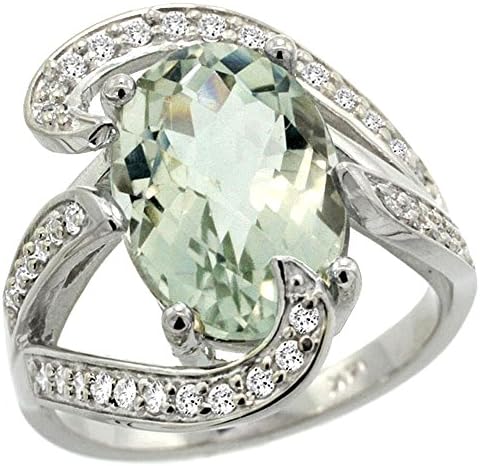
White gold creates a crisp, modern frame around the gemstone. It emphasizes the cooler blue-violet tones within Amethyst and works especially well with diamond accents.
The result feels polished, formal and contemporary.
Rose-Gold Amethyst Rings
Rose gold softens the gemstone and brings out its warmer pink undertones. It is particularly effective with pale lavender or Rose de France Amethyst.
This combination feels romantic, feminine and unconventional without appearing excessively ornate.
Sterling Silver Amethyst Rings
A sterling silver Amethyst ring offers one of the most accessible ways to wear a genuine colored gemstone. Silver’s cool tone pairs naturally with purple, creating a clean contrast that works for both minimalist and statement designs.


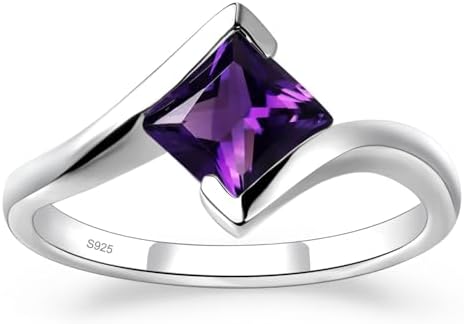

Sterling silver Amethyst rings are particularly attractive for:
- First-time gemstone buyers
- February birthday gifts
- Casual daily jewelry
- Large cocktail-ring designs
- Bohemian and spiritual styling
- Budget-conscious luxury shoppers
Silver requires more maintenance than gold because it can tarnish over time. However, regular cleaning and proper storage can preserve its appearance. Buyers should also inspect the setting quality, especially when purchasing a large center stone.
An inexpensive ring should still have secure prongs, smooth finishing and balanced construction.
Choosing the Best Amethyst Ring
Selecting the best Amethyst ring requires attention to color, cut, clarity, setting and intended use.
Evaluate the Color
Color is often the most important factor in Amethyst. Look for a violet tone that remains attractive in both natural and indoor light.
Deep purple stones offer drama, while pale lavender stones create a softer appearance. Neither is universally better; the choice depends on personal style.
Examine the Cut
A well-cut Amethyst should reflect light evenly across its surface. Large dark areas or a lifeless center may indicate poor proportions or excessive depth.
Oval, cushion, emerald, pear and round cuts are among the most popular choices.
Consider Visible Clarity
Amethyst is often available with good eye-visible clarity. Obvious inclusions may reduce transparency and brilliance, especially in larger stones.
However, technical perfection matters less than whether the gemstone appears lively and attractive to the naked eye.
Match the Setting to Daily Life
High-profile prong settings create more visual drama but may catch on clothing. Bezel and lower-profile settings offer greater practicality for frequent wear.
A cocktail ring may prioritize scale and presence, while an everyday Amethyst ring should balance beauty with comfort and security.
Select the Right Metal
Sterling silver provides affordability and cool contrast. Gold offers greater durability and a more luxurious finish. Platinum is less common for Amethyst but may be used in high-end custom designs.
The metal should complement both the gemstone color and the wearer’s broader jewelry collection.
Caring for an Amethyst Ring
Although Amethyst is suitable for jewelry, it requires thoughtful care. It is not as hard as diamond, sapphire or ruby, and can be scratched or damaged by stronger materials.
To protect an Amethyst ring:
- Remove it during heavy manual work
- Avoid harsh household chemicals
- Store it separately from harder gemstones
- Clean it with mild soap, warm water and a soft brush
- Avoid prolonged exposure to intense heat
- Check prongs and settings periodically
- Do not rely on aggressive ultrasonic cleaning without professional guidance
Extended exposure to strong light or heat may affect the color of some Amethyst. Proper storage helps preserve its violet tone and surface polish.
Amethyst Rings as Symbols of Internal Richness
An Amethyst ring does not need to compete with a diamond ring. It communicates a different form of value.
Where diamond may symbolize permanence and recognized prestige, Amethyst often represents reflection, imagination and emotional balance. Its luxury comes from color, meaning and the wearer’s freedom to define beauty independently.
A deep purple Amethyst ring can project royal confidence. A Rose de France design may communicate sensitivity and romance. A large sterling silver cocktail ring can express creative boldness, while a refined gold Amethyst ring may combine spiritual symbolism with traditional elegance.
The most compelling Amethyst rings unite intelligent design with personal relevance. They offer the visual presence of a luxury gemstone, the accessibility of value-based jewelry and the psychological richness of a stone associated with clarity, imagination and equilibrium.
3. Lab Cultured Diamonds: The Conscious Id
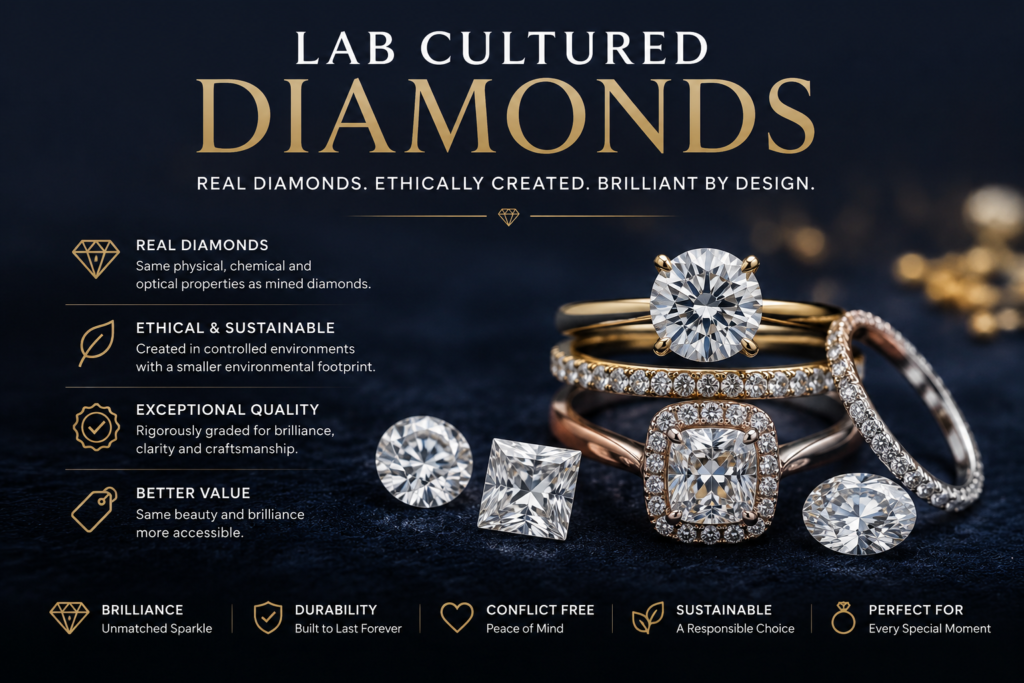
The rise of lab cultured diamonds represents more than a technological change in fine jewelry. It signals a shift in how modern buyers understand luxury, value and personal identity. The traditional desire for brilliance remains, but it is now accompanied by questions about origin, transparency, price and responsible consumption.
From a psychoanalytic perspective, the diamond buyer often negotiates between three competing forces. The id desires beauty, scale and immediate visual pleasure. The superego asks whether the purchase aligns with ethical and environmental values. The ego must reconcile those impulses and select an object that feels both emotionally satisfying and intellectually defensible.
Lab grown diamonds appeal precisely because they can reduce this conflict. They allow the buyer to pursue the radiance and prestige of diamond jewelry while choosing a technologically produced stone with a more traceable origin. The result is a form of conscious luxury in which desire is not rejected, but refined through information.
This buyer is often the individualist: someone who values logic, personal autonomy and what may be described as sovereign intelligence. Rather than accepting inherited assumptions about rarity or status, the individualist evaluates the diamond through cut quality, appearance, certification, craftsmanship and personal relevance.
Within a modern jewelry collection, cultured diamonds also create continuity across categories. A lab grown diamond ring can be paired with diamond earrings, a tennis necklace or refined Luxury bracelets to build a coordinated look without requiring every piece to carry the traditional cost structure of mined stones.
What Are Lab Cultured Diamonds?
Lab cultured diamonds are diamonds created in controlled technological environments rather than extracted from the earth. They possess the same essential carbon crystal structure as mined diamonds and can display the same optical qualities, including brilliance, fire and scintillation.
They should not be confused with diamond simulants such as cubic zirconia or moissanite. Simulants may resemble diamonds visually, but they have different chemical compositions and physical properties. A lab grown diamond is a real diamond; the primary distinction is its origin.
Two principal methods are used to grow diamonds:
- High Pressure High Temperature, commonly known as HPHT
- Chemical Vapor Deposition, commonly known as CVD
HPHT recreates conditions similar to those associated with natural diamond formation by applying intense pressure and heat to a carbon source. CVD grows diamond material from carbon-rich gases inside a controlled chamber.
After growth, the rough diamond is cut, polished and graded using criteria similar to those applied to mined diamonds. The finished stone may then be set into engagement rings, wedding bands, earrings, pendants, tennis bracelets and other forms of fine jewelry.
Why Lab Grown Diamonds Represent a New Future for Luxury
Luxury has historically been connected with scarcity. The rarer the material, the more powerful its status signal appeared. Lab grown diamonds challenge that model by demonstrating that technological mastery, design quality and transparency can also create value.
The appeal of a cultured diamond is not that it imitates traditional luxury. It expands the definition of what luxury can mean.
For contemporary buyers, a premium object may be valued because it offers:
- Exceptional visual performance
- Precisely documented specifications
- Greater control over budget
- More transparent production origins
- Contemporary technological innovation
- Freedom to prioritize design over geological rarity
- Alignment with personal purchasing values
This shift reflects a more analytical form of consumption. The buyer is not necessarily rejecting natural diamonds. They are asking whether the traditional premium attached to origin is personally meaningful.
For some, geological history and natural rarity remain essential. For others, the emotional and aesthetic effect of the finished piece matters more than where the crystal formed. Lab cultured diamonds serve the second group particularly well.
Transparency and the Psychology of Conscious Pleasure
One of the strongest psychological appeals of lab grown diamond jewelry is transparency. Modern consumers increasingly want to understand how products are made, where materials originate and why a particular object carries its price.
This desire for knowledge changes the emotional experience of purchasing luxury. Instead of accepting mystery as part of prestige, the buyer seeks evidence: grading reports, production disclosures, metal specifications and clearly explained craftsmanship.
A documented lab cultured diamond can satisfy this preference for informed ownership. Its technical origin becomes part of the story rather than something to conceal.
The resulting pleasure may feel less conflicted because the consumer has actively evaluated the purchase. However, cultured diamonds should not automatically be described as impact-free. Their environmental footprint can vary according to the energy source, manufacturing process and production facility. Responsible claims should therefore be supported by specific information rather than broad assumptions.
The most credible lab grown diamond brands and retailers communicate clearly about:
- The diamond-growth method
- The country or facility of production
- Energy and sourcing practices, where available
- Independent grading
- Stone treatments
- Metal purity
- Manufacturing and setting quality
Transparency is not merely a marketing phrase. It is the foundation of trust in modern luxury.
Lab Cultured Diamonds and Sovereign Intelligence
Sovereign intelligence describes the ability to make a decision according to personal priorities rather than inherited social pressure. A sovereign buyer does not automatically assume that the most traditional option is the best option. Nor do they choose a lab diamond simply because it is fashionable.
They compare the alternatives and decide which characteristics matter most.
A buyer focused on geological rarity, historical continuity and long-established symbolism may prefer a mined diamond. A buyer focused on visual size, cut quality, technical innovation and price efficiency may favor a lab grown diamond.
Neither decision is psychologically neutral. Each expresses a different philosophy of value.
The lab diamond buyer often prioritizes:
- Observable beauty over hidden origin
- Informed choice over convention
- Design freedom over scarcity premiums
- Technological progress over inherited prestige
- Personal satisfaction over resale expectations
This creates a new form of status. Instead of saying, “I purchased the most expensive traditional option,” the buyer communicates, “I understood the available options and selected the one that best matched my priorities.”
Value and the Ability to Upsize
One of the principal commercial advantages of lab cultured diamonds is the possibility of purchasing a larger or higher-specification stone within a defined budget.
This does not mean every lab grown diamond is inexpensive. Price depends on carat weight, shape, cut, color, clarity, certification and setting quality. However, lab diamonds generally allow buyers to allocate more of their budget toward visible size or design complexity.
Psychologically, the size-to-price relationship is powerful because diamonds are experienced visually. A larger center stone creates greater finger coverage, attracts more light and can produce a stronger social presence.
A buyer comparing similarly graded stones may use the available budget to choose:
- A larger lab grown diamond
- A higher cut grade
- A more elaborate setting
- Additional pavé diamonds
- A platinum or 18K gold band
- A matching wedding band
- A complete jewelry set
This can make visual opulence more accessible without requiring the spending levels historically associated with large natural diamonds.
The smartest approach is not simply to buy the largest possible stone. Size should remain balanced with cut quality, setting security and finger proportions. A large diamond with weak light performance may appear less impressive than a smaller, expertly cut stone.
Cut Quality and Maximum Light Return
The beauty of a diamond depends heavily on how it interacts with light. Carat weight determines weight, but cut determines much of the visible brilliance.
A well-cut lab grown diamond reflects light through a controlled system of facets. When the proportions and symmetry work together, the stone produces brightness, fire and scintillation.
These qualities can be understood as:
- Brilliance: white light returned through the top of the diamond
- Fire: flashes of spectral color created as light disperses
- Scintillation: alternating flashes of light and shadow during movement
A poorly cut diamond may leak light through the bottom or sides, causing it to appear dark, glassy or lifeless. This is why cut quality should often take priority over minor improvements in clarity or color that may not be visible without magnification.
When comparing lab cultured diamonds, buyers should consider:
- Cut grade
- Polish
- Symmetry
- Table percentage
- Depth percentage
- Crown and pavilion proportions
- Visible bow-tie effects in elongated shapes
- Performance under different lighting conditions
Not every diamond shape receives the same formal cut grading. Fancy shapes such as oval, pear, cushion and emerald cuts require more visual evaluation because their beauty depends on individual proportion and facet pattern.
The 4Cs of Lab Grown Diamonds
Lab grown diamonds are commonly evaluated through the same 4Cs used for natural diamonds: cut, color, clarity and carat weight.
Cut
Cut controls the diamond’s relationship with light. For buyers seeking maximum sparkle, an excellent cut is often more valuable visually than a higher clarity grade.
Round brilliant diamonds are especially sensitive to proportion because their facet arrangement is designed to maximize light return.
Color
The diamond color scale assesses the presence of body color. Colorless and near-colorless lab diamonds are popular for white gold and platinum settings, while slightly warmer stones may look attractive in yellow or rose gold.
The ideal grade depends on the setting, diamond shape and buyer’s sensitivity to color.
Clarity
Clarity refers to internal inclusions and external characteristics. Many clarity features are invisible to the naked eye, making an eye-clean diamond a practical target for value-focused buyers.
Choosing the highest available clarity grade may add cost without noticeably changing the ring’s appearance.
Carat Weight
Carat measures the diamond’s weight, not its exact visible size. Two stones with the same carat weight can have different face-up dimensions based on cut depth and shape.
Oval, pear and marquise diamonds may create greater visible coverage than some round diamonds of equal weight.
A Fifth C: Conscious Character
Technical grades do not fully explain why one diamond feels more compelling than another. For this reason, a fifth criterion may be added: conscious character.
Character includes the stone’s individual appearance, facet pattern, origin narrative and relationship with the finished design. It is the point at which measurable quality becomes personal meaning.
A diamond with conscious character may offer:
- A distinctive elongated shape
- An antique-inspired cut
- An unusual facet pattern
- Strong light return
- Clearly documented production
- A setting designed around the stone
- A story that aligns with the buyer’s values
The best diamond is not necessarily the one with the most extreme technical grades. It is the stone that delivers beauty, proportion and emotional resonance within the intended budget.
Lab Grown Diamond Solitaire Rings
A solitaire ring places one diamond at the center of the design. It is the clearest expression of singular focus, making it particularly well suited to a larger lab cultured diamond.


Because the setting contains few distractions, the eye concentrates on the center stone’s shape, cut and scale. This makes a solitaire an effective choice for buyers who want their investment to be visible in one dominant focal point.
Popular lab grown diamond solitaire shapes include:
- Round brilliant
- Oval
- Emerald cut
- Cushion cut
- Pear shape
- Radiant cut
- Marquise
- Princess cut
A round brilliant solitaire emphasizes sparkle and traditional symmetry. An oval diamond creates an elongated appearance and may offer greater visible spread. Emerald-cut diamonds produce a more architectural style defined by broad flashes of light rather than intense scintillation.
Setting styles also influence the ring’s character. A four-prong setting exposes more of the stone, while a six-prong design offers a traditional profile and additional security. A bezel setting surrounds the diamond with metal, creating a smoother and more contemporary appearance.
For the minimalist, a lab grown diamond solitaire represents purity without visual weakness. The simplicity is deliberate, and the larger center stone gives the design authority.
Lab Grown Diamond Halo Rings
Halo settings surround a center diamond with a frame of smaller stones. This arrangement increases overall sparkle and can make the center stone appear larger.
Psychologically, the halo appeals to the buyer who wants amplification. Where the solitaire concentrates attention, the halo expands it. Light moves outward from the center, creating the impression of a luminous aura around the ring.
Popular cultured diamond halo designs include:
- Classic single halos
- Double halos
- Hidden halos
- Floral halos
- Geometric halos
- Vintage-inspired halos
- Mixed-shape diamond halos
A hidden halo places smaller diamonds beneath the center stone, adding side-view sparkle while preserving a cleaner face-up appearance. A double halo creates greater visual scale and is suited to buyers who prefer ornate, high-impact jewelry.
Proportion remains essential. The halo should frame the center stone rather than overwhelm it. Small diamonds must be evenly matched and securely set to create a unified field of light.
Three-Stone Lab Grown Diamond Rings
Three-stone diamond rings offer both symbolism and visual coverage. The stones are often interpreted as representing the past, present and future, making the design popular for engagements and anniversaries.
Lab grown diamonds allow buyers to increase the size of all three stones or choose more elaborate side-stone shapes within the same budget.
Common combinations include:
- Round center with round side stones
- Oval center with pear-shaped sides
- Emerald-cut center with tapered baguettes
- Cushion center with half-moon diamonds
- Radiant center with trapezoid sides
The most balanced three-stone rings use side diamonds that support the center without competing with it. Stone height, angle and proportion should create a continuous visual line across the finger.
Lab Grown Diamond Eternity and Anniversary Rings
Eternity rings feature diamonds extending around the band, symbolizing continuity and enduring commitment. They are frequently selected for anniversaries, milestone gifts and wedding-band upgrades.
Lab cultured diamonds can make full or substantial eternity designs more accessible, particularly when the ring requires numerous matched stones.
Popular options include:
- Round brilliant eternity bands
- Emerald-cut diamond bands
- Oval diamond eternity rings
- Shared-prong settings
- Channel-set diamond bands
- Half-eternity rings
- Mixed-shape anniversary bands
Full eternity rings offer uninterrupted sparkle but can be difficult to resize. Half-eternity or three-quarter designs provide a similar face-up effect while often offering greater comfort and flexibility.
Cultured Diamond Engagement Rings
Lab grown diamond engagement rings have become a significant part of the modern bridal market because they allow couples to balance symbolism, visual ambition and budget.
The emotional meaning of the ring does not come solely from the diamond’s geological origin. It develops through the proposal, the relationship and the life built around the object.
A cultured diamond engagement ring may appeal to couples who prioritize:
- A larger center diamond
- A modern sourcing narrative
- Independent grading
- Custom design possibilities
- Greater budget for the wedding or future plans
- Matching lab diamond wedding bands
- A contemporary interpretation of tradition
The strongest engagement ring should still be selected with long-term wear in mind. Setting height, prong construction, band durability and comfort matter as much as the center stone.
Lab Grown Diamond Anniversary Jewelry
Anniversary jewelry often celebrates continuity, growth and shared achievement. Lab cultured diamonds allow buyers to select more substantial pieces without limiting the purchase to a single ring.
Popular anniversary options include:
- Diamond eternity bands
- Three-stone rings
- Diamond tennis bracelets
- Lab grown diamond necklaces
- Stud or drop earrings
- Stackable diamond bands
- Personalized diamond pendants
This broader range makes cultured diamonds especially effective for building a coordinated jewelry wardrobe over time. A ring can be complemented by a bracelet or necklace selected for a later milestone, creating a collection connected by both material and memory.
Natural Diamonds vs Lab Grown Diamonds
The choice between natural and lab grown diamonds depends on which form of value matters most to the buyer.
Natural diamonds offer geological rarity, historical continuity and a traditional market narrative. They may appeal to those who place emotional importance on a stone formed within the earth over an immense period of time.
Lab grown diamonds offer technological sophistication, visual value and the possibility of more transparent production documentation. They may appeal to buyers who prioritize appearance, size and contemporary sourcing.
| Consideration | Natural Diamond | Lab Grown Diamond |
|---|---|---|
| Origin | Formed within the earth | Created in a controlled facility |
| Composition | Crystalline carbon | Crystalline carbon |
| Visual appearance | Depends on grade and cut | Depends on grade and cut |
| Traditional rarity | Central to value narrative | Not based on geological rarity |
| Budget efficiency | Generally higher cost at comparable grades | Often allows greater size or specification |
| Resale expectations | Vary by stone and market | Often more limited and price-sensitive |
| Buyer appeal | Heritage and natural origin | Technology, transparency and visual value |
Neither category should be treated as universally superior. The right choice depends on whether the buyer values geological origin or design and specification more strongly.
Certification and Independent Grading
A grading report helps confirm a diamond’s measurable characteristics. Reputable reports may document the stone’s carat weight, color, clarity, dimensions, polish, symmetry and identifying features.
For lab cultured diamonds, the report should clearly disclose the laboratory-grown origin. It may also note the production method or any post-growth treatments used to improve color.
Buyers should verify:
- The grading laboratory
- The report number
- The diamond’s laser inscription, where applicable
- Carat weight and dimensions
- Color and clarity grades
- Cut, polish and symmetry information
- Lab grown origin disclosure
- Treatment information
- Whether the report matches the physical stone
Certification does not replace visual evaluation. Two diamonds with similar grades can still differ in brightness, facet pattern and overall character.
Choosing the Best Lab Grown Diamond Ring
The best lab grown diamond ring is not automatically the largest. It should balance visual impact, craftsmanship, comfort and long-term relevance.
Consider these factors before purchasing:
Define the Visual Priority
Decide whether the goal is maximum sparkle, visible size, understated elegance or unusual design. A round brilliant may suit sparkle-focused buyers, while an emerald cut offers a more restrained and architectural appearance.
Prioritize Cut
Strong cut performance can make a diamond appear brighter and more impressive. Avoid sacrificing cut quality solely to increase carat weight.
Select an Eye-Clean Clarity Grade
Many inclusions cannot be seen without magnification. Choosing an eye-clean stone can preserve beauty while allowing more of the budget to go toward cut, size or setting quality.
Match Color to the Metal
White gold and platinum may reveal warmer diamond tones more clearly. Yellow and rose gold can complement slightly warmer stones and create a softer contrast.
Consider Finger Proportion
Elongated shapes may lengthen the appearance of the finger. Wide bands and large halos can create substantial coverage but should remain comfortable.
Evaluate the Setting
Inspect prongs, pavé work, band thickness and stone alignment. Even an exceptional diamond can be weakened by poor construction.
Review Long-Term Expectations
Lab grown diamonds should generally be purchased for beauty and personal meaning rather than assumed investment appreciation. The emotional and wearable value should justify the purchase independently of possible resale.
Caring for Lab Grown Diamond Jewelry
Lab grown diamonds are durable, but the ring or jewelry setting still requires maintenance. Gold and platinum can scratch, prongs can loosen and lotions can reduce surface brilliance.
To care for cultured diamond jewelry:
- Clean it with mild soap, warm water and a soft brush
- Remove it during heavy manual work
- Avoid direct contact with harsh chemicals
- Store pieces separately to prevent scratching
- Check prongs and settings periodically
- Have heavily worn rings inspected professionally
- Keep grading reports and purchase documentation secure
A diamond may be highly resistant to scratching, but it can still chip if struck sharply along a vulnerable edge. Pear, marquise and princess-cut diamonds require particular protection around pointed corners.
The Modern Shift in Diamond Psychology
The psychological distinction between natural and laboratory-grown diamonds is becoming more nuanced. For many contemporary consumers, the question is no longer whether a diamond was “made by nature” or “made by technology.” The more relevant questions are whether the stone is beautiful, accurately represented, responsibly marketed and suited to the buyer’s priorities.
This change does not erase the appeal of natural diamonds. Instead, it expands the language of luxury.
The natural diamond may embody geological time, rarity and inherited prestige. The lab cultured diamond may symbolize technological mastery, independent judgment and the desire to reconcile beauty with conscious decision-making.
Both can satisfy the id’s attraction to brilliance. The difference lies in how the ego explains and integrates the purchase.
Cultured Diamonds as Mirrors of Internal Strength
A diamond has always been used as a symbol of resilience. Lab cultured diamonds add another dimension to that symbolism: strength produced through intelligence, precision and controlled transformation.
Their formation is not accidental. It requires exact conditions, advanced equipment and technical expertise. This makes the cultured diamond an appropriate symbol for people who view themselves as self-created rather than defined only by inheritance or tradition.
A solitaire can express singular purpose. A halo can project amplified confidence. A three-stone ring can represent psychological continuity, while an eternity band may symbolize an unbroken commitment.
The strongest lab grown diamond jewelry does more than imitate established luxury codes. It gives buyers a new way to participate in them.
Whether the wearer chooses a restrained solitaire, a dramatic halo or a complete cultured diamond jewelry collection, the purchase becomes a statement of conscious desire: an acknowledgment that beauty, logic, ethics and ambition do not have to exist in opposition.
4. High-End Rings: The Architecture of Identity
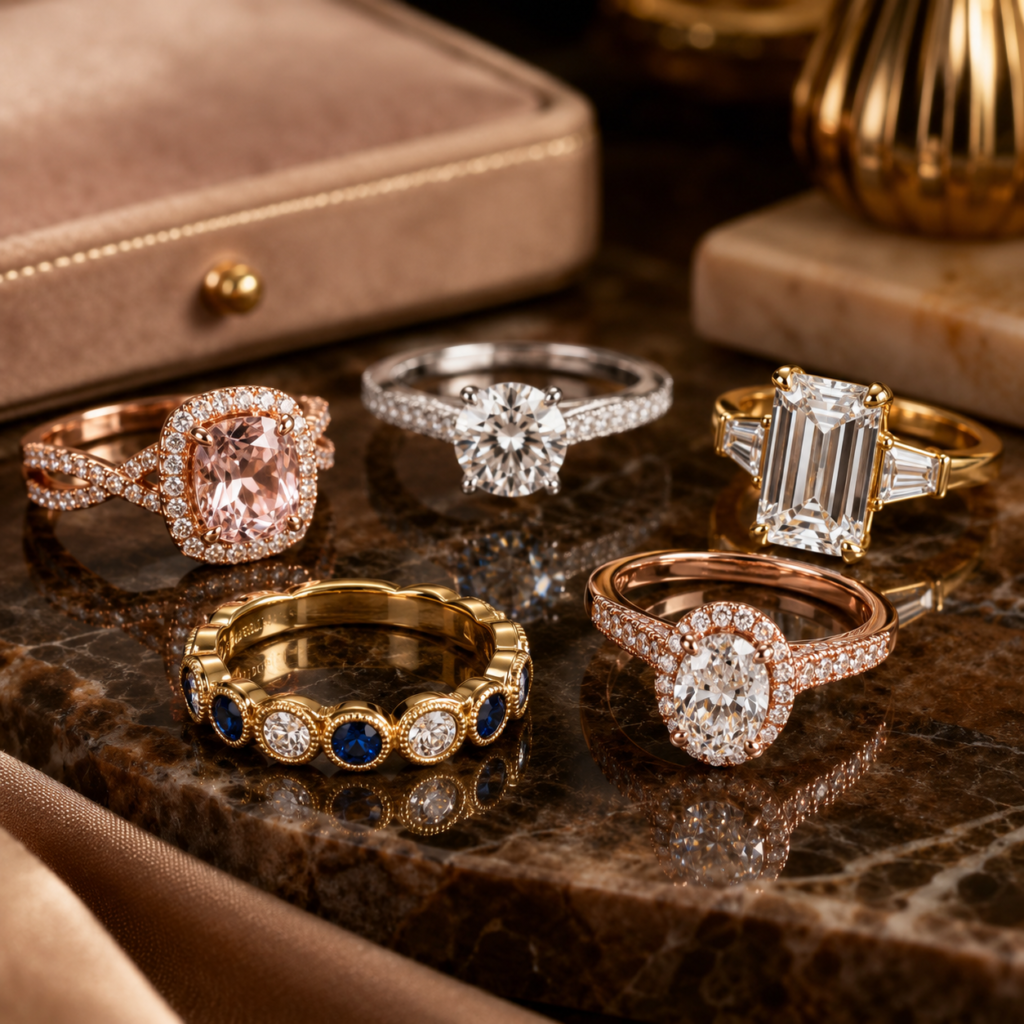
High-end rings are not defined by price alone. Their real distinction lies in proportion, material integrity, gemstone selection and the intelligence of the design. Every curve, setting, surface and structural decision contributes to the way the ring appears on the hand and the meaning it carries over time.
This category speaks to the connoisseur: the buyer who is not satisfied by a recognizable logo or a familiar luxury code. The connoisseur looks for artistry. They examine the relationship between the stone and the setting, the weight of the metal, the precision of the finish and the originality of the silhouette. The question is not simply, “Who made this ring?” but, “Why could this ring only have been made this way?”
Psychologically, high-end rings are connected with self-actualization. They appeal to individuals who have moved beyond purchasing jewelry purely for approval and are now choosing objects that correspond with a more complete sense of identity. The ring becomes an expression of cultivated taste, personal history and deliberate self-definition.
A truly exceptional ring does not merely indicate wealth. It communicates discernment.
Within a broader fine-jewelry wardrobe, a statement ring can also establish the visual language for coordinating pieces such as sculptural necklaces, heirloom bracelets and refined Luxury Earrings, creating a collection that feels intentional rather than assembled around temporary trends.
What Defines a High-End Ring?
A high-end ring is the result of excellence across several interconnected elements. A valuable gemstone alone is not enough. If the setting is poorly proportioned, the band is too thin or the craftsmanship is inconsistent, the finished piece may feel expensive without feeling exceptional.
The strongest luxury rings combine:
- Precious metals with sufficient structural weight
- Rare or expertly selected gemstones
- Precisely engineered settings
- Balanced finger coverage
- Secure stone placement
- Hand-finished surfaces
- Original design language
- Long-term wearability
- A sense of individuality
The design should appear resolved from every angle. The face of the ring may create the first impression, but the side profile, gallery, shoulders, prongs and interior finish reveal the true level of craftsmanship.
A high-end ring should not look impressive only in a photograph. It should feel substantial in the hand, remain comfortable during wear and reveal new details under closer examination.
The Connoisseur and the Search for Artistry
The connoisseur does not necessarily want the largest diamond or the most recognizable design. They seek a piece with visual intelligence.
This buyer notices whether an emerald-cut stone aligns perfectly with the geometry of its setting. They recognize the difference between generic pavé and carefully graduated diamond placement. They understand how metal thickness affects durability and how a hand-finished surface differs from an overly uniform machine-polished one.
For the connoisseur, luxury is found in decisions that may be invisible to the casual observer.
These can include:
- A hidden gemstone beneath the center setting
- Hand engraving inside the band
- Custom-cut side stones
- A concealed hinge or articulated structure
- A gallery inspired by historic architecture
- A setting designed around the natural contours of a unique stone
- Individually formed prongs rather than standardized components
Such details reward attention. They transform the ring from a status object into an object of study.
This is why designer high-end rings often have a stronger emotional presence than mass-produced luxury jewelry. Their appeal comes from authorship: the sense that a particular aesthetic intelligence shaped every part of the object.
Bespoke Rings and the Psychology of Self-Actualization
Bespoke rings offer the clearest expression of jewelry as identity. Instead of selecting from a fixed collection, the buyer participates in the creation of the piece, choosing the metal, gemstone, proportions, setting style and symbolic details.
This process moves the purchase beyond simple consumption. The wearer becomes a collaborator.
From a psychological perspective, bespoke jewelry supports self-actualization because it allows external form to reflect internal values. A person may choose an unusual gemstone because it represents a private memory. Another may request architectural lines that echo their profession or personal aesthetic. A family diamond may be reset into a contemporary design that preserves emotional history while rejecting an outdated style.
The bespoke process can incorporate:
- Birthstones
- Heirloom diamonds
- Family crests
- Initials or dates
- Symbolic gemstone arrangements
- Custom engraving
- Unusual metal combinations
- One-of-a-kind cuts
- Personal architectural references
The value of a custom luxury ring lies partly in its exclusivity, but more deeply in its accuracy. The object feels specific to the wearer rather than merely appropriate for them.
A successful bespoke ring should appear inevitable, as though its proportions and details could not have belonged to anyone else.
Rings as Architectural Objects
A high-end ring is a miniature architectural structure. It must support weight, protect vulnerable materials, manage pressure and remain balanced on a moving part of the body.
The center stone functions almost like the focal volume of a building. The shoulders guide the eye toward it, while the gallery supports it from below. Prongs, bezels and tension structures hold the gemstone in place while controlling how much light reaches it.
Good ring architecture requires a balance between openness and strength.
An elevated setting may allow more light to enter the gemstone, but it can also increase the risk of impact. A delicate band may appear elegant, but insufficient metal can lead to warping over time. A large stone may create drama, but poor weight distribution can cause the ring to rotate constantly on the finger.
The most refined high-end rings solve these problems without making the engineering obvious. Their strength is integrated into the beauty of the design.
Important structural considerations include:
- Band thickness
- Shoulder reinforcement
- Prong placement
- Stone depth
- Gallery height
- Center-of-gravity balance
- Protection for pointed gemstone corners
- Pavé spacing
- Interior comfort
- Resizing potential
The difference between ornament and architecture is intention. In a well-designed luxury ring, every component has both a visual and structural purpose.
Heavy-Gauge Platinum Rings
Platinum is one of the most respected metals in high-end ring design because of its density, durability and naturally white appearance. It has a substantial feel on the hand and does not require rhodium plating to maintain a white surface.
Heavy-gauge platinum rings are especially suited to important diamonds and rare gemstones because the metal provides a strong, secure foundation. Platinum prongs can hold stones effectively while allowing skilled jewelers to create refined, precise profiles.
The metal develops a natural patina over time. Some wearers appreciate this soft surface as evidence of age and use, while others prefer periodic professional polishing to restore a brighter finish.
Platinum is particularly effective for:
- High-end engagement rings
- Large diamond solitaires
- Emerald-cut diamond rings
- Sapphire and diamond rings
- Art Deco-inspired designs
- Men’s luxury rings
- Bespoke heirloom settings
- Rings intended for daily wear
Its weight contributes to the psychological experience of luxury. A platinum ring feels materially serious. The wearer is aware of its presence without the piece needing to rely on excessive ornament.
For legacy pieces, sufficient metal thickness is essential. A ring designed to survive generations should not be reduced to the minimum amount of material necessary for short-term wear.
18K Gold Rings and Refined Material Character
18K gold contains a high proportion of pure gold while retaining enough alloyed material to create practical strength for fine jewelry. It is available in yellow, white and rose variations, each producing a different visual and psychological effect.
18K Yellow Gold Rings
Yellow gold offers warmth, historical continuity and ceremonial presence. It works especially well with emeralds, rubies, sapphires, warm diamonds and antique-inspired settings.
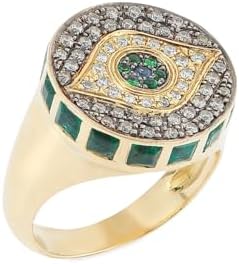
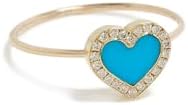
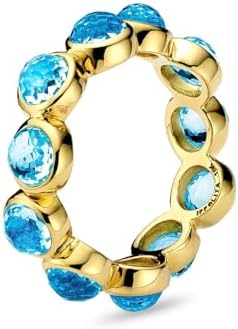
The color communicates richness immediately, even when the design itself is restrained.
18K White Gold Rings

White gold creates a cool, polished appearance that complements colorless diamonds and contemporary settings. It can provide a similar visual effect to platinum at a lighter weight, although it may require periodic maintenance depending on the alloy and finish.
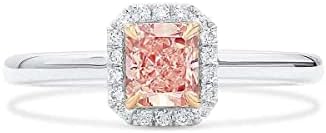
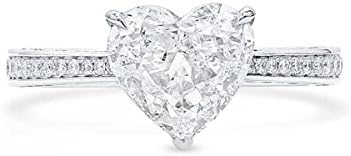
White gold is frequently used in pavé, halo and modern solitaire designs.
18K Rose Gold Rings
Rose gold introduces warmth with a softer, more romantic character. Its pink tone is especially effective with morganite, pink diamonds, champagne diamonds, Amethyst and vintage-inspired details.
It can make a bold ring feel more intimate and a geometric design feel less severe.
The choice of gold color should not be treated as a minor decorative decision. Metal affects the perceived color of the gemstone, the emotional tone of the ring and how easily the piece coordinates with other jewelry.
Rare Gemstones and Elite Stone Selection
High-end rings often derive their identity from gemstones that cannot be easily repeated. This may involve rarity, unusual color, exceptional cut or a distinctive natural feature.
Elite stone selection does not mean pursuing technical perfection in every case. A flawless gemstone may be impressive, but a stone with exceptional color, provenance or character can be far more compelling.
Important high-end ring gemstones include:
- Natural diamonds
- Lab grown diamonds
- Kashmir or fine blue sapphires
- Burmese rubies
- Colombian emeralds
- Paraíba tourmalines
- Alexandrite
- Spinel
- Tanzanite
- Black opal
- Fancy-color diamonds
- Rare natural pearls in ring settings
Each stone has its own visual behavior and structural requirements. Emeralds, for example, are admired for color but require protection from impact. Opals can display extraordinary play of color but demand careful setting and wear. Sapphires and rubies offer excellent durability, making them suitable for high-end rings intended for frequent use.
The best designers do not force every gemstone into the same commercial setting. They allow the stone’s dimensions, inclusions, color distribution and optical personality to shape the architecture around it.
One-of-a-Kind Rings and Unrepeatable Identity
One-of-a-kind rings satisfy a deep psychological desire for uniqueness. Their value comes not only from rarity, but from the knowledge that the exact combination of stone, setting and craftsmanship will not be reproduced.
This idea of unrepeatable identity is especially important in a world of mass visibility. Social media has made luxury objects more recognizable, but recognition can also make them feel less personal. A widely copied ring may communicate status clearly while revealing little about the individual wearing it.
A one-of-a-kind ring reverses that relationship. It may be difficult to categorize, but it is impossible to confuse with a standard design.
Exclusivity can arise from:
- A unique natural gemstone
- A custom-cut center stone
- Hand-fabricated metalwork
- Experimental setting techniques
- Asymmetrical composition
- Antique components
- Personal symbolism
- A limited artist collaboration
- Singular engraving or enamel work
True exclusivity should not be manufactured through scarcity claims alone. The design itself should contain qualities that justify its uniqueness.
High-End Diamond Rings
High-end diamond rings distinguish themselves through more than carat weight. Cut performance, setting precision, diamond matching and overall proportion determine whether the piece feels sophisticated or merely large.
A luxury diamond ring may feature:
- An exceptional solitaire
- A rare fancy-color diamond
- Custom-cut side stones
- A hand-fabricated halo
- An invisible or tension setting
- Architectural platinum work
- Micro-pavé executed under magnification
- A sculptural gold band
- A historic or antique-cut diamond
For solitaire rings, the center stone must be strong enough to carry the entire design. In halo and pavé settings, the smaller diamonds should match in color, brightness and scale so that the surface reads as a continuous field of light.
Connoisseurs may also prefer antique cuts such as Old European, Old Mine or rose-cut diamonds. These stones often produce broader, less uniform flashes than modern brilliant cuts, giving the ring a more atmospheric and individual appearance.
Designer Rings as Wearable Sculpture
Designer rings occupy the space between jewelry and sculpture. Their forms may be geometric, organic, abstract or deliberately disruptive. Instead of treating the gemstone as the only point of interest, the designer uses the entire ring as a compositional field.
A sculptural ring may wrap around the finger, extend across multiple knuckles or use negative space as actively as precious metal. It may position the gemstone off-center or conceal it within an unexpected structure.
These designs appeal to buyers who view luxury jewelry as a form of cultural and artistic participation. The ring is not selected solely because it flatters the hand; it is chosen because it expresses an idea.
Wearable sculpture can explore:
- Asymmetry
- Movement
- Tension
- Fragmentation
- Natural forms
- Mechanical structures
- Minimalism
- Surrealism
- Architectural geometry
The best sculptural rings remain wearable despite their visual ambition. They should not pinch, shift excessively or interfere unnecessarily with movement.
Heirloom Rings and Legacy Value
A legacy piece is designed to remain meaningful beyond the first owner. Its importance develops through durability, emotional history and the stories attached to it.
High-end heirloom rings require more than expensive materials. They need sound construction, a design capable of aging well and enough stylistic depth to remain relevant outside a single fashion cycle.
Features that support heirloom longevity include:
- Durable precious metals
- Secure gemstone settings
- Sufficient band thickness
- Repairable construction
- Timeless proportions
- High-quality natural or lab grown gemstones
- Detailed documentation
- Resizing potential
- Professional maintenance history
An heirloom ring may eventually carry several identities. It begins as a personal purchase, becomes associated with a life and later enters another generation as an object of memory.
This transition transforms material value into narrative value. The ring becomes meaningful not only because of what it contains, but because of what it has witnessed.
Structural Integrity for Generational Wear
Rings experience more contact and impact than most other forms of jewelry. They encounter hard surfaces, moisture, pressure, temperature changes and repeated movement.
For this reason, generational durability must be engineered into the piece from the beginning.
A structurally sound luxury ring should have:
- Prongs proportionate to the gemstone
- Reinforced vulnerable corners
- A band thick enough to resist distortion
- Properly supported pavé sections
- Smooth interior surfaces
- Secure soldering or fabrication
- Balanced stone placement
- Accessible areas for future maintenance
Extremely delicate settings may look elegant in editorial photography but perform poorly under daily use. A legacy ring should preserve refinement without sacrificing strength.
This is where heavy-gauge platinum and well-proportioned 18K gold become especially important. The metal is not simply a frame for the gemstone. It is the structure that protects the emotional and financial value of the entire object.
Bespoke High-End Engagement Rings
Bespoke engagement rings allow couples to create a symbol that reflects the specific character of their relationship rather than relying on a standardized bridal design.
A custom high-end engagement ring may begin with the gemstone or with the desired emotional tone. Some buyers want a ring that feels architectural and controlled. Others prefer romance, historical detail or organic asymmetry.
The process may involve:
- Establishing the design concept
- Selecting the center gemstone
- Choosing platinum or 18K gold
- Determining setting height and profile
- Selecting side stones
- Refining proportions
- Reviewing sketches or digital models
- Approving fabrication details
- Completing hand finishing and inspection
A bespoke ring should not become complicated merely to prove that it is custom. The best designs feel coherent. Every additional diamond, engraving or structural element should strengthen the central idea.
Statement Rings and Social Presence
High-end statement rings occupy substantial visual space. They may use oversized gemstones, wide bands, dramatic settings or unusual silhouettes to create immediate presence.
Psychologically, the statement ring is an assertion of visibility. It does not apologize for being noticed.
However, sophisticated statement jewelry differs from simple conspicuous consumption. Scale alone cannot produce elegance. The ring must still have hierarchy, proportion and visual control.
A successful statement ring may use one dominant gemstone, a disciplined color palette or a strong geometric structure. It creates impact through composition rather than excess.
Popular high-end statement-ring styles include:
- Large emerald cocktail rings
- Sapphire and diamond clusters
- Sculptural gold rings
- Black opal rings
- Architectural diamond bands
- Oversized signet rings
- Multi-gemstone compositions
- Vintage-inspired floral rings
The wearer should consider hand size, finger length and lifestyle. A ring that looks balanced on one hand may appear overwhelming or unstable on another.
Quiet Luxury Rings
Not every high-end ring needs to announce itself immediately. Quiet luxury rings rely on material quality, proportion and craftsmanship rather than obvious scale or branding.
These may include:
- Heavy 18K gold bands
- Flush-set diamond rings
- Minimal platinum solitaires
- Fine signet rings
- Subtle pavé bands
- Sculptural rings without large gemstones
- Matte or satin-finished gold designs
Their luxury is visible primarily to those who understand construction and material quality.
Quiet luxury appeals to the connoisseur who does not need universal recognition. The wearer gains satisfaction from knowing what the ring is, how it was made and why its details matter.
This form of jewelry can be especially powerful because it resists immediate categorization. Its value is intimate rather than performative.
Choosing a High-End Ring
Selecting a high-end ring requires more than comparing gemstone specifications. The buyer should evaluate the relationship between design, material, craftsmanship and personal relevance.
Consider the following questions:
- Does the ring feel original or derivative?
- Is the gemstone exceptional in a way that is visible?
- Is the setting appropriate for the stone?
- Does the metal have sufficient weight?
- Is the ring comfortable and balanced?
- Can the piece be maintained or repaired?
- Does the design reflect long-term taste?
- Is the craftsmanship visible from every angle?
- Does the ring feel personally meaningful?
- Would the piece remain desirable without a brand name?
The final question is particularly important. A genuinely high-end ring should retain its aesthetic authority even when the logo, packaging and marketing are removed.
Caring for High-End Rings
Luxury rings should be treated as wearable objects, not untouchable artifacts. Regular use gives them meaning, but appropriate maintenance protects their structure and appearance.
Recommended care includes:
- Removing rings during heavy manual work
- Avoiding harsh cleaning chemicals
- Storing pieces separately
- Cleaning according to the gemstone’s requirements
- Checking prongs and pavé periodically
- Scheduling professional inspections
- Replating white gold when necessary
- Polishing platinum only according to personal preference
- Keeping gemstone certificates and purchase records secure
- Insuring rare or highly valuable pieces
Different gemstones require different care. Diamonds, sapphires and rubies are comparatively durable, while emeralds, opals and certain tourmalines need greater caution.
Cleaning methods should always be chosen according to the most delicate material in the ring.
High-End Rings as Completed Statements of Self
A high-end ring is not merely worn; it is integrated into identity. Over time, it becomes associated with the wearer’s gestures, achievements, relationships and personal mythology.
For the connoisseur, the ideal ring does not replace identity with branding. It clarifies identity through form.
A platinum solitaire may express discipline and precision. A one-of-a-kind colored gemstone ring can communicate independence and visual intelligence. A sculptural gold ring may reflect artistic confidence, while a bespoke heirloom design can connect personal history with future generations.
The finest high-end rings unite architecture, artistry and emotional permanence. Their materials provide durability, but their true longevity comes from meaning. They are created not only to survive years of wear, but to remain psychologically relevant as the wearer evolves.
This is the defining quality of a legacy piece: it does not freeze identity at one moment. It becomes a durable structure through which identity can continue to grow.
5. Royal Pieces: Jewelry and the Collective Unconscious
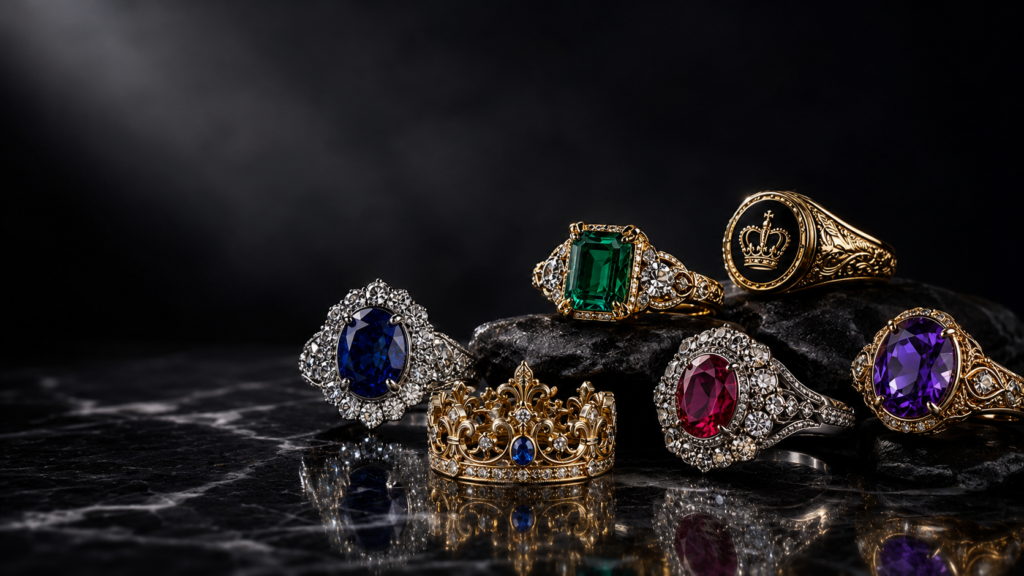
Royal rings hold a psychological power that extends beyond gemstones, precious metals and ornamental design. They evoke crowns, dynasties, ceremonial halls, inherited authority and the long visual history of rulers using jewelry to make power visible.
In Jungian psychology, the collective unconscious describes a layer of the psyche shaped by inherited archetypes and symbolic patterns shared across cultures. Royal jewelry draws upon some of the most recognizable of these figures: the king, the queen, the sovereign, the heir and the guardian of a lineage.
These archetypes remain compelling even in societies where monarchy no longer determines everyday life. The crown still symbolizes authority. The throne still represents command. Deep sapphire blue, ruby red and imperial purple still carry associations with rank, ceremony and controlled power.
When a wearer chooses a royal-inspired ring, they are not merely borrowing a historic aesthetic. They are participating in an enduring symbolic narrative. The ring may express leadership, self-command, heritage, ambition or the desire to live with greater personal authority.
The strongest royal pieces do not imitate museum artifacts literally. They translate the architecture, color and symbolism of ceremonial jewelry into designs suited to contemporary life. Large center stones, elaborate filigree, substantial gold bands and crown-inspired galleries create visual drama, while modern settings and finishing make the pieces comfortable enough to wear beyond formal occasions.
The Royal Archetype in Modern Jewelry
The royal archetype represents more than social rank. Psychologically, it is associated with order, responsibility, sovereignty and the ability to direct one’s own life.
A king or queen is not defined only by wealth. The archetype also suggests judgment, restraint, protection and the capacity to hold authority without surrendering to chaos. This is why royal-inspired jewelry can appeal to buyers who are less interested in literal monarchy than in the symbolic language of self-possession.
A royal ring may serve as a private reminder to:
- Act with confidence
- Protect personal boundaries
- Assume greater responsibility
- Honor family history
- Recognize personal achievement
- Lead rather than seek permission
- Develop a more sovereign identity
For some buyers, the appeal is historical. They are fascinated by royal collections, coronation jewels and antique craftsmanship. For others, the ring is a fashion statement defined by scale and color. Still others choose royal pieces as personal talismans representing strength after adversity.
The same design can therefore operate on several levels. It may be visually extravagant, culturally referential and psychologically intimate at the same time.
What Defines a Royal-Inspired Ring?
Royal-inspired rings are recognized through a combination of gemstone scale, decorative metalwork and architectural presence. They tend to feel ceremonial rather than casual, even when interpreted in a minimalist form.
Common characteristics include:
- Large center gemstones
- Deeply saturated colors
- Diamond or gemstone halos
- Intricate filigree
- Crown-shaped galleries
- Milgrain edges
- Engraved shoulders
- Substantial gold or platinum bands
- Symmetrical cluster arrangements
- Historic cutting styles
- Elevated settings
- Heraldic or floral motifs
Not every royal ring needs to contain all these elements. A sapphire solitaire with a refined diamond halo may feel royal through color and proportion alone. A heavy gold signet ring may communicate sovereignty without any center stone. An Amethyst cocktail ring can achieve a regal effect through scale, color and architectural setting.
The defining quality is presence. Royal jewelry occupies visual and psychological space with intention.
The Royal Aesthetic: Ceremony, Color and Scale
The royal aesthetic is built around controlled magnificence. It uses ornament generously, but successful designs still maintain hierarchy and balance.
A large center gemstone typically acts as the visual authority of the ring. Smaller diamonds or colored stones support it, while metalwork frames and elevates the composition. Every decorative element should reinforce the central structure rather than compete for attention.
The aesthetic often combines:
- Symmetry to suggest order
- Height to create visibility
- Weight to communicate permanence
- Saturated color to signal authority
- Repeated motifs to evoke ceremony
- Precious metals to establish continuity and value
Royal-inspired jewelry is therefore not simply “more decorative.” It is designed according to a symbolic architecture. The center stone acts like the throne, the halo resembles a court or radiant boundary, and the band forms the structural foundation.
This visual organization helps explain why even an ornate royal ring can feel coherent rather than chaotic.
Power Colors in Royal Gemstone Rings
Color is one of the most immediate tools of royal symbolism. Historically, intensely colored materials were often expensive, difficult to obtain or restricted through social custom. That history continues to shape how certain gemstone colors are perceived.
Deep Blue Sapphire Rings
Deep blue sapphires communicate discipline, loyalty and intellectual authority. Their color feels calm but commanding, making sapphire rings among the most recognizable forms of royal-inspired jewelry.
A sapphire surrounded by white diamonds creates a strong contrast that emphasizes both color and brilliance. Oval, cushion and emerald-cut sapphires are particularly effective in royal halo and cluster settings.
Blue sapphire rings may appeal to buyers seeking:
- A royal engagement ring
- A diamond alternative with strong durability
- A gemstone associated with loyalty
- A formal statement ring
- An heirloom-style anniversary gift
The best sapphire is not necessarily the darkest. A stone should retain visible blue color and internal life across different lighting conditions. Excessively dark sapphires may appear black indoors, reducing their royal richness.
Ruby Rings and the Psychology of Command
Ruby red is associated with passion, vitality, bloodline and command. Unlike the measured coolness of sapphire, ruby projects warmth and intensity.
Royal ruby rings often feature cushion, oval or antique-inspired center stones surrounded by diamonds. Yellow gold can deepen the historical character, while platinum or white gold creates a sharper visual contrast.
A ruby ring may symbolize:
- Courage
- Romantic intensity
- Dynastic continuity
- Personal vitality
- Decisive leadership
- Ceremonial prestige
Because fine rubies can be rare and valuable, lab-created rubies and other red gemstones may provide a more accessible way to achieve the same royal color narrative.
Royal Purple Amethyst Rings
Purple combines the stability of blue with the intensity of red, giving it a psychologically complex presence. It can suggest spirituality, intellect, ceremony and imaginative authority.
Large Amethyst stones are especially suited to royal cocktail rings because they offer significant color and finger coverage at a more accessible price than many rubies or sapphires.
Deep purple Amethyst works beautifully with yellow gold and diamond accents. Pale lavender stones create a softer interpretation suited to romantic or ethereal royal styling.
Emerald Rings and the Symbolism of Renewal
Emerald green represents vitality, renewal, prosperity and cultivated power. In royal jewelry, emeralds often appear as commanding center stones surrounded by diamonds or set into architectural gold designs.
The internal inclusions commonly found in emeralds can contribute to their individuality. However, the stone requires protective setting and careful wear because it is more vulnerable to impact than diamond or sapphire.
An emerald royal ring can feel both historic and intensely alive, making it particularly effective for buyers who want authority expressed through growth rather than severity.
The Crown Motif in Royal Ring Design
The crown is one of the clearest symbols of sovereignty. In ring design, it may appear literally through pointed metalwork or more subtly through elevated prongs, arches and decorative galleries beneath the center stone.
A crown-inspired setting can make the gemstone appear to float above the finger, emphasizing height and ceremonial importance. From the side, the metalwork may resemble a miniature coronet supporting the stone.
Common crown-ring elements include:
- Arched galleries
- Fleur-de-lis details
- Pointed prongs
- Tiara-shaped shoulders
- Beaded or milgrain borders
- Diamond-set coronet structures
- Engraved heraldic patterns
Literal crown rings may appeal to buyers who enjoy direct symbolism, while more architectural interpretations offer a refined version of the same idea.
A well-designed crown motif should remain structurally sound. Decorative points must not catch excessively on clothing, and the raised stone should be supported securely enough for its intended level of wear.
Intricate Filigree and the Language of Heritage
Filigree uses fine metalwork to create lace-like patterns, scrolls, open spaces and repeating ornamental forms. It is closely associated with antique jewelry and can immediately give a ring a sense of history.
In royal-inspired rings, filigree may appear beneath the center stone, along the shoulders or across the band. The open metalwork adds visual complexity without relying solely on additional gemstones.
Popular filigree motifs include:
- Vines and leaves
- Floral scrollwork
- Geometric lattice
- Fleur-de-lis patterns
- Gothic arches
- Baroque curves
- Symmetrical royal crests
Filigree can make a new ring feel connected to Edwardian, Victorian, Art Deco or medieval jewelry traditions, depending on the pattern and surrounding materials.
The quality of the metalwork matters. Fine filigree should feel deliberate and balanced rather than fragile or crowded. Weak connections, rough edges or overly thin components may compromise durability.
For rings intended as legacy pieces, the filigree should be designed with future maintenance in mind.
Large Center Stones and Visual Authority
A large center gemstone is one of the most recognizable elements of royal jewelry. Its scale creates immediate hierarchy: the eye understands that this stone is the central authority of the composition.
The psychological effect is not merely decorative. Large gemstones make the wearer more conscious of the hand and its movements. They transform ordinary gestures into displays of color and light.
Royal statement rings may feature:
- Oval sapphires
- Cushion-cut rubies
- Emerald-cut emeralds
- Large Amethyst stones
- Fancy-color diamonds
- Aquamarines
- Tourmalines
- Tanzanite
- Morganite
- Lab grown colored gemstones
A large gemstone should still be proportionate to the setting and hand. Excessive height can make the ring unstable, while an undersized band may struggle to support the visual and physical weight of the stone.
The most successful royal rings distribute weight carefully and use reinforced shoulders or galleries to maintain balance.
The Power of Weight in Royal Rings
Royal rings are often intentionally substantial. Their physical weight distinguishes them from lightweight fashion jewelry and creates a continuous sensory awareness of the object.
This can have a strong psychological effect. The wearer does not simply see the ring; they feel it. Its presence becomes a bodily reminder of authority, commitment or personal status.
A substantial ring may communicate:
- Material permanence
- Structural confidence
- Serious craftsmanship
- Ceremonial importance
- Emotional gravity
- Long-term value
Weight should not be confused with discomfort. A well-designed heavy ring distributes mass evenly around the finger. The interior should be smooth, the center stone balanced and the band shaped to reduce unnecessary rotation.
Heavy-gauge platinum and 18K gold are particularly suited to royal designs because they provide both physical substance and structural support.
Royal-Inspired Engagement Rings
Royal engagement rings offer an alternative to conventional diamond solitaires by emphasizing color, symbolism and historical character.
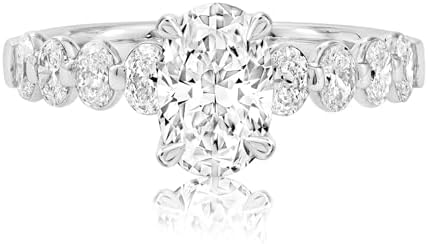

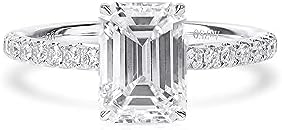
Sapphire and diamond engagement rings are among the most recognized examples, but royal bridal designs may also feature rubies, emeralds, Amethyst or colored diamonds.
Popular styles include:
- Oval sapphire halo rings
- Three-stone ruby and diamond rings
- Emerald-cut emerald rings
- Cushion-cut gemstone clusters
- Cathedral-set diamond rings
- Vintage filigree engagement rings
- Crown-inspired solitaires
- Colored gemstone rings with diamond shoulders
These designs appeal to couples who want an engagement ring with a stronger narrative identity. The center gemstone may represent loyalty, passion, renewal or a personal connection to a particular color.
Practicality should remain important. Sapphires and rubies are generally well suited to frequent wear, while emeralds and other softer or more included gemstones require greater protection.
Royal Cocktail Rings and Statement Jewelry
Cocktail rings are designed for visibility. They typically feature oversized stones, broad settings or dramatic arrangements of multiple gemstones.
Royal cocktail rings amplify this tradition through deep colors, antique details and ceremonial scale. They may not be intended for daily wear, but they can transform formal clothing or minimalist outfits with a single focal point.
A strong royal cocktail ring may include:
- A large purple Amethyst
- A sapphire and diamond cluster
- An emerald surrounded by baguette diamonds
- A ruby set in heavy yellow gold
- A multicolored gemstone composition
- A sculptural crown-inspired setting
Because the ring already carries considerable visual intensity, other jewelry should support rather than compete with it. A refined bracelet, controlled earrings or a Moissanite Tennis Necklace can add continuity through brilliance while allowing the royal ring to remain the primary statement.
The goal is not to minimize ornament, but to create hierarchy across the complete jewelry look.
Royal Signet Rings and Personal Sovereignty
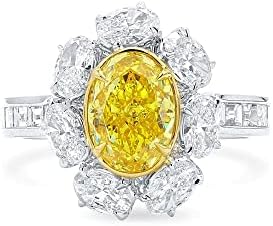

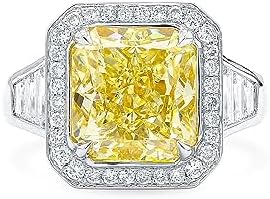
The signet ring has long been associated with identity, authentication and authority. Historically, engraved signets could be used to seal documents, turning the ring into both personal symbol and practical instrument of power.
Modern royal signet rings preserve this sense of command even when they are worn purely as jewelry.
They may feature:
- Family crests
- Initials
- Heraldic animals
- Crown motifs
- Engraved gemstones
- Flush-set diamonds
- Black onyx
- Lapis lazuli
- Carnelian
- Sculptural gold surfaces
A signet ring can communicate sovereignty more quietly than a large gemstone ring. Its authority comes from solidity, shape and symbolism rather than sparkle.
For buyers interested in bespoke royal jewelry, a custom signet offers one of the most personal options. The engraving can represent family history, professional identity, values or a newly created personal emblem.
Natural, Lab Grown and Alternative Royal Gemstones
Royal styling does not depend exclusively on naturally rare stones. The aesthetic can be created through natural diamonds, lab grown diamonds, lab-created colored gemstones or more accessible natural gems.
The right choice depends on the buyer’s priorities.
Natural gemstones may appeal through geological rarity, individual inclusions and historic associations. Lab grown stones can offer stronger size, color consistency and budget efficiency. Amethyst, garnet, topaz and tourmaline may provide dramatic royal color without the price of fine sapphire, ruby or emerald.
A successful royal ring relies on:
- Convincing color
- Strong cut quality
- Balanced scale
- Appropriate setting
- Durable construction
- Honest gemstone disclosure
The emotional effect comes from the complete design, not from origin alone.
Choosing a Royal-Inspired Ring
Selecting the right royal ring requires balancing symbolism, scale, color and lifestyle.
Choose the Archetype
Consider which form of royal identity feels most relevant.
A sapphire may express disciplined authority. Ruby suggests passion and command. Emerald represents renewal and prosperity. Amethyst offers intellectual or spiritual sovereignty.
Evaluate the Gemstone Color
Royal stones should retain visible richness in different lighting conditions. Darker is not always better. Look for saturation without excessive blackness or dullness.
Consider the Setting Height
Elevated crown settings create ceremony and visibility, but they may catch more easily. Lower cluster or bezel settings can provide a royal appearance with greater practicality.
Examine the Metalwork
Filigree, engraving and milgrain should be clean and intentional. Decorative complexity should not conceal weak structure.
Assess Weight and Comfort
A substantial ring should feel reassuring rather than cumbersome. Check balance, interior finishing and whether the ring rotates excessively.
Match the Ring to Its Purpose
An engagement ring requires durability and secure stone protection. A cocktail ring can prioritize scale and drama. A signet ring may focus on daily comfort and symbolic engraving.
Styling Royal Rings with Modern Clothing
Royal jewelry does not require ceremonial clothing. In fact, the contrast between an ornate ring and modern minimalist dress can make the piece feel more contemporary.
A royal-inspired ring can be styled with:
- A black evening dress
- A tailored suit
- A silk blouse
- A monochromatic knit
- A structured coat
- Minimalist formalwear
- A velvet jacket
- A simple white shirt
The clothing provides a controlled background, allowing the gemstone color and metalwork to remain visible.
For a more maximalist look, the ring can be paired with coordinated earrings, a tennis necklace or a decorative bracelet. Repetition should be based on one shared element—such as gemstone color, metal tone or diamond brilliance—rather than attempting to match every detail.
Royal Rings as Heirloom Jewelry
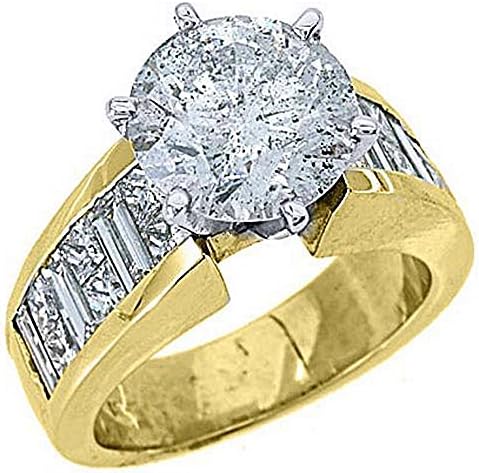


Royal pieces naturally lend themselves to heirloom status because they are designed around themes of lineage and continuity.
A ring becomes an heirloom not only because it is expensive, but because it remains structurally sound and emotionally meaningful enough to be passed forward.
Features that support heirloom longevity include:
- Durable gold or platinum construction
- Secure gemstone settings
- Sufficient band thickness
- Repairable components
- Timeless proportions
- Documented gemstone details
- Engraving or personal symbolism
- Professional maintenance
Over time, a royal ring may accumulate layers of meaning. What begins as a statement of personal authority can later become a symbol of family history.
This transformation from private adornment to inherited object is central to the psychology of royal jewelry. The piece does not simply belong to an individual; it enters a narrative.
Caring for Royal-Inspired Rings
Elaborate rings require careful maintenance because raised stones, filigree and pavé details can collect residue or become vulnerable to impact.
To care for a royal ring:
- Remove it during manual work
- Avoid harsh household chemicals
- Clean gently according to the gemstone
- Store it separately from harder jewelry
- Check prongs and decorative settings regularly
- Avoid ultrasonic cleaning for delicate or treated stones
- Have complex pieces inspected professionally
- Keep certificates and appraisals secure
Gemstone care varies. Diamonds, sapphires and rubies are relatively durable, while emeralds, opals and some tourmalines require more cautious cleaning and wear.
The ring should be cared for according to its most sensitive material.
Royal Pieces as Symbols of Personal Authority
The enduring appeal of royal rings comes from their ability to make invisible qualities visible. Confidence becomes weight. Authority becomes scale. Lineage becomes ornament. Aspiration becomes color and light.
A crown-inspired ring may represent leadership. A sapphire halo can embody discipline and loyalty. A ruby statement ring can express courage, while a deep purple Amethyst ring may suggest wisdom and internal command.
The modern wearer does not need royal ancestry to participate in this symbolic language. Royal jewelry allows authority to be self-defined rather than inherited.
The finest royal pieces combine historical references with contemporary identity. They recall coronation jewels, dynastic colors and ceremonial craftsmanship, but their meaning is determined by the person wearing them now.
This is the deeper power of the collection: it does not ask the wearer to imitate a king or queen from the past. It invites them to recognize and embody the sovereign archetype within themselves.
Find Your Perfect Ring at Schopping.com
Choosing the right ring is rarely a purely practical decision. The metal, gemstone, setting and visual weight of a ring can reflect personal values, emotional history and the identity the wearer wants to express. Some buyers are drawn to the permanence and established prestige of natural diamond rings. Others prefer the technological precision and modern value of lab grown diamonds. Many choose an Amethyst ring, royal gemstone ring or sculptural gold design because color and symbolism feel more personal than conventional status.
At Schopping.com, the goal is not simply to present rings as decorative products. Our approach helps you understand how different styles communicate meaning, how materials influence long-term value and which designs are most compatible with your taste, lifestyle and budget.
Explore the wider world of luxury, jewelry and considered buying through the Schopping.com Homepage, where design intelligence, product knowledge and personal style come together.
Choose a Ring That Reflects Your Identity
A ring occupies one of the most expressive positions on the body. It moves with the hand, enters conversations and becomes visible during everyday gestures. For this reason, the best luxury ring should feel connected to the wearer rather than selected only because a particular stone, brand or setting is socially expected.
Different ring styles can communicate different psychological qualities:
- A diamond solitaire may express clarity, commitment and focused ambition.
- A halo diamond ring can communicate brilliance, presence and ceremonial glamour.
- A lab grown diamond ring may represent modern thinking, technological progress and informed luxury.
- An Amethyst ring can suggest imagination, equilibrium and independent taste.
- A royal-inspired gemstone ring may embody authority, heritage and personal sovereignty.
- A high-end bespoke ring can become an architectural statement of individuality.
- A gold signet ring may reflect identity, lineage or quiet confidence.
These meanings are not rigid rules. The wearer ultimately determines what the ring represents. However, understanding the visual and symbolic language of jewelry can make the buying process more deliberate and personally satisfying.
Natural Diamond Rings for Heritage and Enduring Prestige
Natural diamond rings continue to appeal to buyers who value geological rarity, traditional symbolism and the idea of a gemstone formed within the earth over an immense period of time.
Their association with permanence makes them especially popular for engagement rings, anniversary rings and heirloom jewelry. A natural diamond may also appeal to collectors who place importance on provenance, rarity and historic luxury traditions.
When comparing natural diamond rings, consider:
- Cut quality and light performance
- Diamond color and clarity
- Carat weight and face-up dimensions
- Independent grading
- Stone shape
- Metal quality
- Setting security
- Craftsmanship
- Long-term maintenance
- Personal importance of natural origin
The strongest purchase is not necessarily the ring with the largest carat weight or highest technical grades. A beautifully cut diamond in a balanced setting may appear more refined than a larger stone with weak proportions or poor light return.
Lab Grown Diamond Rings for Modern Luxury
Lab grown diamond rings offer a contemporary alternative for buyers who want genuine diamond brilliance with greater flexibility around size, grade and budget.
Lab cultured diamonds have the same essential carbon crystal structure as mined diamonds and can display the same brilliance, fire and scintillation. Their primary distinction is origin: they are created through controlled technological processes rather than extracted from the earth.
A lab grown diamond ring may be especially attractive to buyers who prioritize:
- A larger center stone within a defined budget
- Modern production technology
- Clear origin disclosure
- Strong cut and visual performance
- Custom setting options
- Matching diamond wedding bands
- Contemporary design
- Greater price efficiency
Cultured diamonds are available in solitaire, halo, three-stone, pavé, bezel and eternity designs. This gives buyers the freedom to allocate more of the budget toward the visual elements they value most, including carat size, platinum settings, 18K gold or additional accent diamonds.
The purchase should still be evaluated carefully. Certification, cut quality, setting craftsmanship and retailer transparency remain essential regardless of where the diamond was formed.
Amethyst Rings for Color, Meaning and Accessible Luxury
For buyers who want gemstone color and symbolic depth, an Amethyst ring offers a compelling alternative to traditional white diamond jewelry.
Deep purple Amethyst can create a regal, commanding appearance, particularly when set in yellow gold or surrounded by diamond accents. Pale lavender and Rose de France Amethyst produce a softer, more romantic effect in rose gold, white gold or sterling silver.
Amethyst rings appeal to buyers interested in:
- February birthstone jewelry
- Affordable luxury rings
- Purple gemstone rings
- Spiritual or symbolic jewelry
- Alternative engagement rings
- Large cocktail rings
- Vintage-inspired settings
- Personalized milestone gifts
Because Amethyst is generally more accessible than fine sapphire, ruby or emerald, buyers may be able to choose a larger center stone without entering the pricing range of rare precious gemstones.
The stone has also been associated historically with sobriety, contemplation and clarity. Such meanings should be understood as cultural and spiritual symbolism rather than medical claims, but they can still give the ring genuine personal significance.
Royal-Inspired Rings for Authority and Heritage
Royal-inspired rings use gemstone color, architectural settings and ceremonial details to create a strong visual presence. These pieces may feature sapphire blue, ruby red, emerald green or imperial purple, often combined with diamond halos, filigree, engraving and substantial precious-metal bands.
Popular royal ring styles include:
- Sapphire and diamond halo rings
- Ruby cluster rings
- Emerald-cut gemstone rings
- Large Amethyst cocktail rings
- Crown-inspired settings
- Vintage filigree rings
- Engraved signet rings
- Heirloom-style three-stone rings
These designs appeal to buyers who view jewelry as a connection to history, lineage and personal authority. A royal-inspired ring may celebrate an engagement or anniversary, but it can also mark professional success, independence, family heritage or a major personal transformation.
The best royal rings balance drama with structure. Large center stones require secure settings, reinforced shoulders and carefully distributed weight to remain comfortable and wearable.
High-End and Bespoke Rings for the Connoisseur
High-end rings are distinguished by artistry, material quality and construction rather than price or branding alone. They are designed for buyers who notice proportion, gemstone character, metal weight, hand finishing and the relationship between every component of the piece.
A bespoke luxury ring may include:
- A rare or custom-cut gemstone
- Heavy-gauge platinum
- Solid 18K yellow, white or rose gold
- Hand engraving
- Custom filigree
- Individually shaped side stones
- Hidden symbolic details
- Family diamonds or heirloom materials
- One-of-a-kind architectural settings
The bespoke process allows the ring to reflect a specific person, memory or idea. Rather than adapting personal taste to an existing design, the design is developed around the wearer.
This level of personalization makes bespoke rings particularly suitable as legacy pieces. They can preserve family history, celebrate a defining achievement or create a new object intended to pass between generations.
Match the Ring to Your Lifestyle
Visual beauty should always be balanced with practical wearability. A ring that looks exceptional in a photograph may not be suitable for frequent wear if the setting is excessively high, the band is too delicate or the gemstone requires special care.
Before selecting a ring, consider how often it will be worn and what the wearer does with their hands throughout the day.
For active lifestyles, practical choices may include:
- Lower-profile settings
- Bezel-set gemstones
- Smooth bands
- Secure six-prong solitaires
- Durable gemstones such as diamonds, sapphires and rubies
- Platinum or sufficiently substantial gold construction
For occasional or formal wear, buyers may have greater freedom to choose:
- Large cocktail rings
- High cathedral settings
- Delicate filigree
- Softer gemstones
- Elaborate halos
- Sculptural multi-stone designs
The right ring should complement the wearer’s life rather than requiring constant anxiety about damage.
Select the Right Precious Metal
The metal influences the appearance, durability, weight and maintenance requirements of the ring.
Platinum Rings
Platinum offers natural white color, density and a substantial feel. It is especially appropriate for important diamonds, high-end engagement rings and heirloom settings.
18K Yellow-Gold Rings
Yellow gold creates warmth and historic richness. It works particularly well with Amethyst, emerald, ruby, sapphire and warmer-toned diamonds.
18K White-Gold Rings
White gold provides a clean, bright appearance that complements diamonds and cool-colored gemstones. Depending on the finish, it may require periodic replating.
18K Rose-Gold Rings
Rose gold introduces warmth and romance. It pairs well with pale Amethyst, pink gemstones, champagne diamonds and vintage-inspired settings.
Sterling Silver Rings
Sterling silver offers an accessible option for Amethyst and other colored gemstone rings. It can create an elegant appearance but requires more regular cleaning because it may tarnish.
The best metal should support the gemstone visually while providing enough strength for the intended level of wear.
Understand the Setting Before You Buy
The setting determines how the gemstone is presented and protected. It also influences comfort, maintenance and the overall personality of the ring.
Common ring settings include:
- Solitaire: focuses attention on one center stone.
- Halo: surrounds the center gemstone with smaller diamonds or gemstones.
- Bezel: encloses the stone with a rim of metal for a smooth, protective finish.
- Three-stone: creates greater finger coverage and layered symbolism.
- Pavé: adds rows of small diamonds across the band.
- Cathedral: raises the center stone using arched shoulders.
- Cluster: combines multiple stones into a larger visual composition.
- Signet: emphasizes metal, engraving or a flush-set gemstone.
- Eternity: places gemstones around all or part of the band.
No setting is universally superior. The right option depends on whether the priority is brilliance, protection, symbolism, comfort or visual scale.
Evaluate Craftsmanship Beyond the Gemstone
A valuable gemstone cannot compensate for weak construction. The quality of the ring should be examined as a complete object.
Look closely at:
- Prong symmetry
- Stone alignment
- Pavé consistency
- Band thickness
- Interior finishing
- Soldering and connection points
- Gemstone security
- Side-profile balance
- Setting height
- Comfort between the fingers
A high-quality ring should appear resolved from every angle. The underside and gallery matter because they reveal how the piece was engineered, not merely how it was presented for sale.
For rings intended to become heirlooms, repairability and long-term structural strength are especially important.
Compare Ring Value Intelligently
Ring value is not determined by price alone. A more expensive piece may contain a rarer gemstone, heavier precious metal or more complex craftsmanship, but it may not necessarily be the best match for every buyer.
A useful evaluation includes:
- Gemstone quality
- Visible beauty
- Precious-metal content
- Construction quality
- Design originality
- Certification
- Wearability
- Maintenance needs
- Brand premium
- Emotional meaning
Buyers should also distinguish between personal value and financial resale value. A ring may become emotionally priceless because of the occasion, person or achievement it represents, even when its resale market is limited.
This is especially important when comparing natural and lab grown diamonds. Natural diamonds may carry a stronger traditional rarity narrative, while lab grown diamonds often provide greater visual size and specifications for the purchase price. The right decision depends on which form of value matters most to the wearer.
Build a Coordinated Luxury Jewelry Collection
A ring can act as the starting point for a broader jewelry wardrobe. The center gemstone, metal color and design language can guide future selections.
A diamond solitaire ring may pair naturally with:
- Diamond stud earrings
- A tennis bracelet
- A diamond pendant
- A fine pavé band
An Amethyst ring may be coordinated with:
- Purple gemstone earrings
- A delicate gold necklace
- Diamond-accented bracelets
- Lavender or violet evening accessories
A royal sapphire ring may be paired with:
- Sapphire earrings
- A diamond tennis necklace
- A white-gold bracelet
- A restrained signet or stacking band
Coordinated jewelry does not need to be purchased as a complete matching set. A more sophisticated collection often develops gradually, using repeated elements such as metal tone, gemstone color, shape or level of ornament.
A Ring for Every Facet of the Self
The perfect ring is not defined by one universal standard. For one buyer, it may be a natural diamond solitaire that represents permanence and established tradition. For another, it may be a lab grown diamond halo offering modern brilliance and greater visual scale. A third may find stronger personal meaning in an Amethyst ring, royal sapphire design or bespoke 18K gold statement piece.
At Schopping.com, luxury rings are approached as objects of design, psychology and personal expression. The purpose is not to tell buyers which gemstone should matter to them. It is to provide the context needed to understand why different materials, settings and symbols carry different forms of value.
Whether your decision is guided by heritage, conscious consumption, color, craftsmanship or emotional symbolism, the right ring should feel aligned with both your outward style and internal identity.
It should not simply look valuable. It should feel unmistakably yours.18
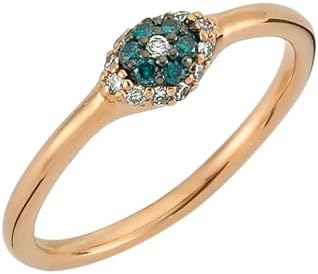


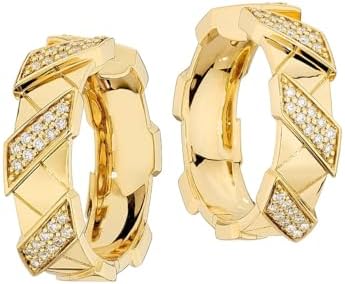
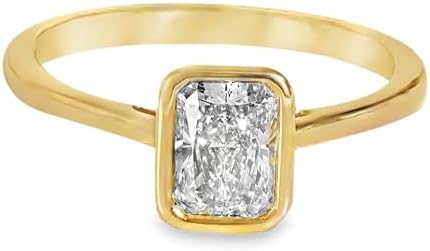
Frequently Asked Questions About Luxury Rings
Where is the best place to buy luxury rings online?
The best place to buy luxury rings online is a retailer that provides enough information to evaluate the gemstone, setting and long-term ownership experience—not merely attractive product photography.
For diamond rings, look for an independent grading report that identifies the stone’s carat weight, color, clarity, dimensions and other relevant characteristics. A lab grown diamond should be clearly disclosed as laboratory-grown, while a natural diamond should never be represented through vague language that obscures its origin.
The product page should also identify whether the ring uses solid 14K gold, 18K gold, platinum or another material. Terms such as “gold finish,” “gold tone” and “gold plated” are not equivalent to solid gold.
Before buying a luxury ring online, verify:
- Gemstone origin and treatment disclosure
- Diamond grading documentation
- Metal type and purity
- Ring dimensions and band width
- Setting height
- Return and exchange terms
- Resizing availability
- Warranty coverage
- Repair and maintenance services
- Insured shipping requirements
- Customer-service accessibility
High-resolution photographs are useful, but video is even more valuable because it reveals sparkle, color zoning, setting height and how the ring behaves during movement.
The strongest luxury-jewelry retailer should also explain limitations honestly. For example, it should not imply that every lab grown diamond is automatically environmentally neutral or that every natural diamond will appreciate financially. Transparent guidance is a more reliable indicator of quality than exaggerated claims.
Are lab grown diamond rings worth buying?
Lab grown diamond rings can be worth buying when the buyer prioritizes visible size, diamond quality, modern production and design flexibility over geological rarity.
A laboratory-grown diamond has the essential crystal structure and optical characteristics of a diamond. It can display brilliance, fire and scintillation and can be graded according to cut, color, clarity and carat weight. It is not the same material as cubic zirconia or moissanite.
The strongest commercial advantage is usually specification value. A buyer may be able to select a larger center stone, higher cut quality or more elaborate setting within the same budget available for a smaller natural diamond ring.
Lab grown diamond rings are particularly attractive for buyers seeking:
- Larger solitaire engagement rings
- Oval or emerald-cut diamonds
- Three-stone rings
- Hidden-halo settings
- Lab diamond eternity bands
- Platinum or 18K gold settings
- Matching wedding-ring sets
- Statement anniversary jewelry
They are less suitable for someone whose primary motivation is geological rarity, traditional scarcity or anticipated resale performance. Lab diamond pricing can change as production technology and supply develop, so the ring should be purchased primarily for beauty, wearability and emotional meaning.
A lab diamond ring is worth buying when its advantages correspond with the buyer’s actual priorities. It should not be chosen merely because it is less expensive, nor rejected merely because it was produced through technology.
How much should I spend on a diamond engagement ring?
There is no universal amount that a buyer must spend on a diamond engagement ring. Rules based on a fixed number of monthly salaries are marketing conventions rather than sound financial principles.
A more intelligent budget begins with the amount that can be spent without weakening emergency savings, increasing high-interest debt or delaying essential financial goals. The budget can then be distributed across the elements that affect visible beauty and long-term wear.
Illustrative Diamond Ring Budget Allocation
| Ring Component | Suggested Share | Why It Matters |
|---|---|---|
| Center diamond or gemstone | 50–65% | Determines the principal color, scale and light performance |
| Setting craftsmanship | 15–25% | Protects the stone and defines the ring’s design |
| Precious metal | 10–20% | Influences durability, weight, color and maintenance |
| Side stones or pavé | 5–15% | Adds brilliance and finger coverage |
| Resizing, insurance and care | 5–10% | Supports long-term ownership |
These percentages are an illustrative planning framework, not a pricing rule. A minimalist solitaire may dedicate more of the budget to the center diamond, while a bespoke royal-inspired ring may require a larger allocation for custom metalwork.
Buyers seeking maximum sparkle should prioritize cut before paying for clarity characteristics that are invisible without magnification. Buyers seeking size may consider an oval, pear, marquise or elongated cushion shape because these can provide substantial face-up coverage.
Lab grown diamonds may also allow a greater portion of the budget to be directed toward size, platinum, custom details or a matching wedding band.
The right amount is the figure that produces a well-made, personally meaningful ring without converting a symbolic purchase into a source of financial pressure.
Should I buy a natural diamond or a lab grown diamond ring?
The choice depends on which type of value matters most to the buyer. Natural and lab grown diamonds can both produce beautiful rings, but they carry different origin stories, price structures and ownership expectations.
| Buying Factor | Natural Diamond Ring | Lab Grown Diamond Ring |
|---|---|---|
| Origin | Formed within the earth | Produced in a controlled facility |
| Primary appeal | Geological rarity and heritage | Technology, specification and visual value |
| Composition | Diamond | Diamond |
| Typical budget effect | Higher cost at comparable grades | May allow a larger or higher-grade stone |
| Traditional symbolism | Strongly established | Modern interpretation of diamond tradition |
| Custom design flexibility | High | Often very high because of price flexibility |
| Resale expectations | Variable, but generally more established | Often more limited and price-sensitive |
| Best suited to | Buyers prioritizing natural rarity | Buyers prioritizing appearance and budget efficiency |
A natural diamond may be the better choice for someone who is emotionally attached to a gemstone formed within the earth or who regards geological origin as an essential part of the ring’s symbolism.
A lab grown diamond may be better for someone who wants a larger stone, a more ambitious setting or stronger technical specifications for the available budget.
Neither option guarantees a superior-looking ring. A poorly cut natural diamond can appear less brilliant than an expertly cut lab grown diamond. Likewise, a large laboratory-grown stone can look unbalanced if the band is too narrow or the setting is weak.
The final decision should consider cut quality, setting workmanship, certification, origin preference, price and long-term expectations—not origin alone.
What is the best diamond ring setting for everyday wear?
A bezel setting is among the most practical diamond ring settings for everyday wear because a rim of metal surrounds the stone’s edge. This reduces exposed corners and minimizes the likelihood of the diamond catching on clothing.
A low-profile six-prong solitaire can also provide strong protection while preserving a traditional appearance. Cathedral settings can be durable when their raised shoulders support the center stone properly, although very high cathedral designs may experience more impact.
Diamond Ring Setting Comparison
| Setting | Protection | Sparkle Exposure | Maintenance | Best Buyer |
|---|---|---|---|---|
| Full bezel | Excellent | Moderate | Low | Active lifestyle |
| Partial bezel | Very good | Good | Low to moderate | Modern minimalist |
| Six-prong solitaire | Very good | Excellent | Moderate | Traditional daily wearer |
| Four-prong solitaire | Good | Excellent | Moderate | Buyer prioritizing visible diamond |
| Cathedral setting | Good | Excellent | Moderate | Classic luxury buyer |
| Halo setting | Moderate | Very high | Higher | Buyer wanting maximum brilliance |
| Pavé setting | Moderate | Very high | Higher | Detail-focused buyer |
| Tension setting | Design-dependent | Very high | Specialist maintenance | Contemporary statement buyer |
For everyday wear, setting height matters almost as much as setting type. A low or medium-profile ring is less likely to strike hard surfaces than a dramatically elevated center stone.
Lifestyle should guide the decision. Someone working frequently with equipment, gloves, children or textiles may prefer a bezel or low-profile solitaire. A wearer who removes the ring during demanding activities may comfortably choose a more elaborate halo or pavé design.
Pointed shapes such as pear, marquise and princess cuts require extra protection around their vulnerable tips. V-prongs, bezels and reinforced corner structures can reduce the risk of damage.
The safest setting is ultimately one that combines appropriate architecture with sufficient metal, precise craftsmanship and regular inspection.
Are Amethyst rings suitable for engagement rings?
Amethyst rings can be suitable for engagement rings when the wearer values color, individuality and accessible luxury and understands that Amethyst requires more thoughtful care than diamond, sapphire or ruby.
An Amethyst engagement ring offers several advantages. Rich violet stones can create significant finger coverage without the pricing associated with a similarly sized diamond or fine sapphire. The color also distinguishes the ring immediately from conventional white-diamond bridal jewelry.
Popular Amethyst engagement-ring designs include:
- Oval Amethyst solitaires
- Cushion-cut Amethyst halo rings
- Emerald-cut Amethyst rings
- Three-stone Amethyst and diamond rings
- Rose de France Amethyst in rose gold
- Deep purple Amethyst in yellow gold
- Vintage filigree settings
- Protective bezel-set designs
For frequent wear, the setting should protect the gemstone from direct impact. A bezel, halo or low-profile prong setting is generally more practical than a highly elevated cocktail-ring design.
The buyer should also evaluate the Amethyst in several lighting environments. An excessively dark stone can appear nearly black indoors, while a very pale stone may lose visual presence. A well-selected Amethyst should show attractive violet color, even light distribution and strong face-up appeal.
Amethyst engagement rings are particularly meaningful for February birthdays, purple-jewelry enthusiasts and couples seeking an unconventional symbol. Their value comes from color and personal relevance rather than conventional bridal expectations.
Is platinum or 18K gold better for a luxury ring?
Platinum and 18K gold can both be excellent choices. The better metal depends on desired weight, color, maintenance, budget and design.
Platinum has a naturally white appearance and a dense, substantial feel. It is frequently chosen for high-end diamond rings because it creates a strong structural foundation without requiring a plated white surface. Over time, platinum develops a soft patina that some owners appreciate as evidence of wear.
18K gold contains a high proportion of gold while retaining enough alloyed metal for practical jewelry construction. It is available in yellow, white and rose tones, offering greater aesthetic flexibility.
| Feature | Platinum | 18K Yellow Gold | 18K White Gold | 18K Rose Gold |
|---|---|---|---|---|
| Visual tone | Naturally white | Rich warm gold | Cool white | Warm pink-gold |
| Weight | Heaviest | Moderate | Moderate | Moderate |
| Maintenance | Develops patina | Periodic polishing | May need replating | Periodic polishing |
| Diamond contrast | Clean and neutral | Strong warm contrast | Bright and contemporary | Soft and romantic |
| Best pairing | Diamonds, sapphires | Rubies, emeralds, Amethyst | Diamonds, blue gemstones | Pink and lavender stones |
| Character | Serious and architectural | Historic and regal | Refined and modern | Intimate and distinctive |
Platinum may justify its premium for an important center stone, a heavy daily-wear ring or a buyer who values physical substance.
Eighteen-karat gold may be preferable when color is central to the design. Yellow gold strengthens the royal character of sapphire, ruby and Amethyst rings, while rose gold softens pale purple or pink gemstones.
The ring’s architecture matters more than the metal name alone. A well-proportioned 18K gold ring can be more durable than an underbuilt platinum design.
What are the best royal-inspired rings to buy?
The best royal-inspired rings combine a commanding center gemstone with disciplined ornament, strong structure and a color that carries ceremonial presence.
Blue sapphire and diamond halo rings are among the most recognizable royal styles. Their contrast between deep blue and white brilliance creates immediate visual authority. Ruby rings offer a warmer, more passionate form of royal symbolism, while emerald rings communicate prosperity, renewal and cultivated power.
Amethyst provides a more accessible route to regal scale. A large deep-purple Amethyst in yellow gold can create the visual presence of ceremonial jewelry without the price of a similarly sized fine ruby or sapphire.
Strong royal-inspired options include:
- Oval sapphire and diamond halo rings
- Cushion-cut ruby cluster rings
- Emerald and diamond three-stone rings
- Amethyst cocktail rings in 18K yellow gold
- Crown-gallery diamond rings
- Vintage filigree engagement rings
- Engraved gold signet rings
- Cathedral-set colored gemstone rings
- Heirloom-style diamond clusters
- Tiara-shaped stacking rings
Buyers should avoid choosing a royal ring through size alone. The best designs maintain a clear visual hierarchy: the center stone leads, accent stones provide light, and the metalwork supports the composition.
Comfort is also important. A substantial ring should feel authoritative without rotating continuously or restricting movement. Reinforced shoulders, a smooth interior and adequate band width can make a large royal design significantly more wearable.
Are custom bespoke rings worth the higher price?
A custom bespoke ring can be worth the higher price when personalization, unusual proportions or heirloom integration are central to the purchase.
Bespoke design allows the ring to be developed around a particular gemstone, hand shape, personal story or inherited material. This can produce a result that feels more precise than modifying a standard catalogue design.
A custom project may be appropriate when the buyer wants:
- An uncommon center-stone shape
- A rare colored gemstone
- Heirloom diamonds reset into a modern ring
- Custom engraving
- A family crest or personal symbol
- Mixed precious metals
- A ring designed around an existing wedding band
- A specific low-profile architecture
- A one-of-a-kind royal setting
- A design unavailable through mass production
The added cost may reflect consultation, drawing, digital modeling, mold creation, custom cutting, hand fabrication and additional finishing. It should not be justified merely by attaching the word “bespoke” to a slightly modified stock setting.
Before commissioning a custom ring, request clarity about:
- Design revision limits
- Gemstone approval
- Metal weight
- Production method
- Completion terms
- Resizing
- Warranty coverage
- Ownership of the design
- Return restrictions
- Repair services
Bespoke rings are less suitable for a buyer who needs a simple design quickly or expects unrestricted returns. Their value lies in personal accuracy and authorship rather than automatic resale appreciation.
What should I check before buying a certified luxury diamond ring online?
Certification is important, but it is only one part of evaluating a luxury diamond ring. A grading report describes the loose stone’s characteristics; it does not guarantee excellent setting craftsmanship or confirm that the complete ring will be comfortable.
Before purchasing, check the following:
- Diamond identity: The report number should correspond with the stone and, where applicable, its laser inscription.
- Diamond origin: The listing should clearly distinguish natural and laboratory-grown diamonds.
- Cut performance: Review proportions, symmetry and real-life video rather than relying only on carat weight.
- Face-up dimensions: Two diamonds of equal weight may look different in size.
- Visible clarity: Determine whether inclusions can be seen without magnification.
- Metal purity: Confirm whether the ring is 14K gold, 18K gold or platinum.
- Band thickness: Extremely thin bands may distort or feel unstable under a large center stone.
- Prong quality: Prongs should be symmetrical, smooth and proportionate.
- Setting height: Consider comfort and the risk of catching.
- Return terms: Customized and resized rings may carry different policies.
- Resizing range: Full eternity rings and complex settings may be difficult to resize.
- Aftercare: Confirm cleaning, inspection and repair support.
A certificate should never be used to distract from weak design. The strongest ring combines a properly documented diamond with balanced proportions, secure construction and a setting appropriate for long-term wear.
People Also Ask: Commercial Luxury Ring Questions
PAA Commercial Keyword Map
| PAA Question | Short-Tail Keyword | Long-Tail Commercial Keyword |
|---|---|---|
| 1 | Diamond cuts | Which diamond cut looks biggest for the price |
| 2 | Halo vs solitaire | Halo vs solitaire engagement ring comparison |
| 3 | Real lab diamonds | Do lab grown diamonds test as real diamonds |
| 4 | Diamond clarity | Best clarity for a lab grown diamond ring |
| 5 | Yellow gold rings | Best yellow gold engagement rings |
| 6 | Amethyst jewelry | Can Amethyst rings be worn every day |
| 7 | Heirloom gemstones | Best gemstones for heirloom rings |
| 8 | High-quality rings | How to identify a high-quality luxury ring |
| 9 | Platinum vs white gold | Is platinum worth more than white gold |
| 10 | Jewelry sets | How to match a ring with luxury jewelry |
Ring Style and Buyer Profile Chart
This editorial chart shows which ring styles most strongly correspond with common purchase motivations.
Traditional commitment
Solitaire diamond ring       █████

Maximum visual brilliance
Halo diamond ring            █████

Modern value and size
Lab grown diamond ring       █████

Color and individuality
Amethyst gemstone ring       ████▌

Heritage and ceremony
Royal sapphire ring          ████▌

Personal uniqueness
Custom bespoke ring          █████

Practical everyday wear
Bezel-set ring               █████

Generational legacy
Platinum heirloom ring       ████▌

Quiet luxury
Heavy 18K gold band          ████

Artistic self-expression
Sculptural designer ring     ████▌
Which diamond cut looks the biggest for the price?
Oval, marquise, pear and elongated cushion diamonds often appear larger from above than round diamonds of comparable carat weight because their length distributes visual mass across a greater portion of the finger.
Carat measures weight, not visible diameter. A diamond with excessive depth may carry substantial weight beneath the setting without delivering equivalent face-up size. This is why dimensions should be compared alongside carat weight.
Popular shapes for greater visual spread include:
- Oval: Offers generous finger coverage and a soft, balanced silhouette.
- Marquise: Creates substantial length and can make the finger appear more elongated.
- Pear: Combines rounded brilliance with a pointed end and distinctive direction.
- Emerald cut: Provides broad surface area and architectural presence, although it produces flashes rather than intense brilliant-cut sparkle.
- Elongated cushion: Balances a romantic outline with greater length.
- Radiant cut: Combines an angular silhouette with brilliant faceting.
A halo setting can further increase apparent size by surrounding the center diamond with smaller stones. However, a large-looking ring is not necessarily a well-proportioned ring. Buyers should inspect bow-tie shadows in elongated shapes, edge brilliance, symmetry and the relationship between stone width and band thickness.
The best value comes from a diamond that appears lively and balanced, not simply the stone with the largest listed measurements.
Is a halo or solitaire engagement ring better?
A solitaire engagement ring is better for a buyer who wants timeless simplicity, easy coordination and complete emphasis on one center stone. A halo engagement ring is better for someone who wants greater sparkle, visual scale and decorative presence.
| Buying Factor | Solitaire Ring | Halo Ring |
|---|---|---|
| Center-stone emphasis | Maximum | Framed by accent diamonds |
| Visual size | Depends mainly on center stone | Often appears larger |
| Sparkle | Concentrated | Expanded across the setting |
| Maintenance | Usually lower | Usually higher |
| Style | Timeless and restrained | Romantic or glamorous |
| Cleaning | Simpler | More detailed |
| Customization | Shape, band and prongs | Halo shape, size and accents |
| Best for | Minimalist buyer | Buyer wanting stronger presence |
A solitaire also makes it easier to evaluate the quality of the center diamond because there are fewer surrounding elements. Its simplicity places greater pressure on stone selection, prong symmetry and band proportion.
A halo can provide a larger visual footprint without requiring the entire budget to be placed in the center diamond. Hidden halos offer an intermediate option: accent diamonds are positioned beneath the center setting, creating additional sparkle from the side while preserving a cleaner face-up appearance.
Neither design is universally better. The decision should account for personal style, cleaning tolerance, lifestyle and the wedding band that will eventually sit beside the engagement ring.
Do lab grown diamonds test as real diamonds?
Lab grown diamonds generally register as diamonds on standard diamond-testing devices because they possess the thermal and physical properties associated with diamond material.
Basic testers are usually designed to distinguish diamond from simulants such as cubic zirconia. Some devices also help differentiate diamond from moissanite, which can behave differently under thermal or electrical testing.
Determining whether a diamond is natural or laboratory-grown requires more advanced analysis. Specialized equipment may examine growth patterns, fluorescence, phosphorescence, trace elements or other characteristics that reveal how the crystal formed.
For a buyer, the practical distinction is:
- A lab grown diamond is a diamond.
- Moissanite is a different gemstone.
- Cubic zirconia is a diamond simulant.
- A basic tester may confirm diamond material without determining geological origin.
- A grading report should disclose whether the diamond is natural or laboratory-grown.
When buying a lab grown diamond ring, request documentation that clearly identifies the origin. The diamond may also carry a microscopic laser inscription connected with its grading report.
Testing should support disclosure rather than replace it. A reputable seller should state the stone’s origin directly without forcing the customer to depend on independent testing after purchase.
What clarity grade is best for a lab grown diamond ring?
The best clarity grade is usually the lowest grade at which the diamond appears clean to the naked eye from normal viewing distance. This is commonly described as eye-clean clarity.
Paying for microscopic perfection does not always create a visible improvement once the diamond is mounted. A lower clarity grade with well-positioned inclusions may look better than a higher grade whose characteristics affect transparency or brilliance.
The ideal grade also depends on shape:
- Emerald and Asscher cuts have broad, open facets that can reveal inclusions more readily.
- Round brilliant and radiant cuts can conceal some inclusions through complex faceting.
- Oval, pear and marquise diamonds should be evaluated for both inclusions and bow-tie darkness.
- Large diamonds may make clarity features easier to see.
- Bezels and prongs may conceal certain edge inclusions, although structural vulnerabilities should never be hidden irresponsibly.
Because lab grown diamonds can offer price flexibility, some buyers automatically select very high clarity. That may be appropriate for an important step-cut diamond, but it is not always the most efficient allocation of budget.
Cut quality, visible brightness and proportion generally have a stronger effect on appearance than differences between two clarity grades whose inclusions cannot be seen without magnification.
Ask for magnified imagery, normal-scale video and confirmation that the stone is eye-clean—not merely its grading abbreviation.
Are yellow gold engagement rings a good choice?
Yellow gold engagement rings are a strong choice for buyers who want warmth, historic character and a visible contrast between the metal and the center diamond.
Yellow gold can make a ring feel more substantial and traditional even when the setting is minimalist. It is especially effective with vintage-inspired solitaires, bezel settings, emerald-cut diamonds, oval diamonds and royal colored gemstones.
Advantages include:
- Warm and recognizable precious-metal color
- Strong contrast with white diamonds
- Compatibility with antique and modern styles
- Attractive pairing with slightly warmer diamond colors
- Easy coordination with traditional gold jewelry
- Strong visual relationship with ruby, emerald and Amethyst
A two-tone design can provide a useful compromise. The band may be yellow gold while the prongs or bezel around a white diamond use platinum or white gold. This maintains the warmth of yellow gold while reducing the amount of yellow reflected into the center stone.
Buyers should compare 14K and 18K options. Eighteen-karat gold offers a richer gold character, while 14K gold generally contains a larger proportion of strengthening alloys and may suit buyers prioritizing resistance to everyday wear.
Yellow gold is not limited to vintage rings. A wide-band bezel solitaire or East–West emerald-cut design can look highly contemporary when executed with clean proportions.
Can an Amethyst ring be worn every day?
An Amethyst ring can be worn regularly, but it should be treated more carefully than a diamond, sapphire or ruby ring.
Amethyst can be scratched by harder materials and may be damaged by forceful impact. Large cocktail-ring stones are particularly exposed because their broad surfaces and elevated settings are more likely to encounter furniture, countertops and other hard objects.
For frequent wear, choose:
- A bezel or partial-bezel setting
- A low-profile halo
- Substantial prongs
- A protected cushion or oval shape
- A band with adequate thickness
- A setting that does not rotate excessively
Remove an Amethyst ring during:
- Weight training
- Gardening
- Heavy cleaning
- Contact sports
- Mechanical work
- Activities involving repeated impact
- Use of harsh chemicals
Clean it with mild soap, lukewarm water and a soft brush or cloth. Avoid assuming that every ultrasonic or steam-cleaning process is appropriate, particularly when the stone has treatments, fractures or a delicate antique setting.
Long exposure to intense heat or strong light can affect the appearance of some Amethyst, so the ring should not be stored indefinitely in direct sunlight.
An Amethyst ring works best for daily wear when the design is engineered for protection. A dramatic high-set cocktail ring may be better reserved for occasional use.
What gemstones are best for an heirloom ring?
Diamond, sapphire and ruby are among the strongest choices for an heirloom ring because they combine durability with established cultural and symbolic significance.
A diamond offers exceptional resistance to scratching, although it can still chip if struck along a vulnerable edge. Sapphire and ruby are also highly suitable for frequent wear and offer powerful color options for buyers seeking something beyond a white diamond.
Other gemstones can become successful heirlooms when the setting and care plan reflect their physical characteristics.
| Gemstone | Heirloom Suitability | Main Appeal | Care Consideration |
|---|---|---|---|
| Diamond | Excellent | Brilliance and permanence | Protect pointed corners |
| Sapphire | Excellent | Color, loyalty and durability | Inspect setting periodically |
| Ruby | Excellent | Passion and ceremonial presence | Confirm treatment disclosure |
| Spinel | Very good | Strong color and individuality | Less familiar resale market |
| Amethyst | Good with care | Royal color and accessible scale | More vulnerable to scratching |
| Emerald | Good with protection | Rarity, history and distinctive color | Requires careful cleaning and setting |
| Aquamarine | Good with care | Clear blue color and elegance | Avoid hard impact |
| Opal | Occasional-wear heirloom | Unique play of color | Sensitive to impact and environmental changes |
Construction is just as important as gemstone choice. An heirloom ring should use sufficient precious metal, secure prongs or bezels, repairable architecture and a design that can survive maintenance over several decades.
Documentation should be preserved with the ring, including grading reports, treatment information, appraisals, repair records and the story of why the piece was acquired.
How can I tell whether a luxury ring is high quality?
A high-quality luxury ring appears intentional from every angle. The center gemstone may attract attention first, but the band, prongs, gallery and interior reveal whether the piece was engineered carefully.
Look for the following indicators:
- Even, symmetrical prongs
- A center stone that sits level
- Consistent pavé spacing
- No sharp or unfinished edges
- Adequate band thickness
- Secure side stones
- Smooth interior finishing
- Balanced weight distribution
- Clean solder or connection points
- Accurate metal hallmarks
- Transparent gemstone documentation
- A setting appropriate for the gemstone
Turn the ring sideways. The gallery beneath the center stone should appear organized and strong rather than hollow, uneven or improvised. Examine where the shoulders meet the setting because this area carries substantial structural stress.
For a pavé ring, the accent diamonds should form a consistent line without irregular gaps or visibly tilted stones. The prongs should secure the diamonds without covering excessive surface area.
A large center stone should not be placed on an extremely thin band without adequate reinforcement. Such a ring may rotate, distort or require frequent repair.
The most reliable quality test is to ask whether the ring would still look and feel exceptional if the branding and packaging were removed. High-end construction should communicate value independently of a logo.
Is platinum worth the extra cost over white gold?
Platinum can be worth the extra cost for a buyer who values natural white color, density, substantial weight and a strong setting for an important gemstone.
Unlike many white-gold rings, platinum does not depend on a rhodium-plated surface to appear white. It develops a softer patina with wear rather than gradually revealing a warmer underlying alloy color.
Platinum may be particularly worthwhile for:
- Large diamond solitaires
- Heirloom engagement rings
- High-end sapphire rings
- Buyers who prefer heavy jewelry
- Settings with fine prongs
- Rings intended for long-term daily wear
- Designs where natural white metal is essential
White gold may be more appropriate when the buyer prefers a lighter ring, wants to control the budget or plans to coordinate the ring with existing white-gold jewelry. It can offer a bright, polished appearance but may require periodic replating depending on wear and alloy.
Platinum is not automatically indestructible. It can scratch and develop surface texture, while a poorly designed platinum ring can still bend or lose stones. The amount of metal and the quality of construction matter.
The premium is justified when the buyer values platinum’s specific material character—not simply because it is positioned above gold in a retail hierarchy.
How should I match a luxury ring with necklaces, earrings and bracelets?
A coordinated jewelry look should repeat one or two design elements rather than matching every piece exactly. Repetition can come from the metal, gemstone color, stone shape, design era or level of brilliance.
For a diamond solitaire ring, consider:
- Diamond stud earrings
- A fine tennis bracelet
- A solitaire pendant
- A restrained diamond necklace
For an Amethyst ring, consider:
- Lavender or violet gemstone earrings
- A delicate yellow- or rose-gold necklace
- A diamond-accented bracelet
- Jewelry containing a smaller purple detail
For a royal sapphire ring, consider:
- Sapphire studs or drop earrings
- A white-metal tennis necklace
- A narrow diamond bracelet
- A yellow-gold signet ring worn on the opposite hand
For a sculptural high-end ring, keep the other pieces controlled. A highly architectural ring may look stronger with smooth gold earrings or a simple chain than with several competing statement pieces.
Jewelry Coordination Table
| Primary Ring | Best Supporting Necklace | Best Earrings | Best Bracelet |
|---|---|---|---|
| Diamond solitaire | Solitaire pendant or tennis necklace | Diamond studs | Fine tennis bracelet |
| Diamond halo ring | Delicate diamond necklace | Small halo studs | Slim pavé bracelet |
| Amethyst ring | Fine gold or purple pendant | Amethyst drops | Diamond-accent bracelet |
| Royal sapphire ring | Diamond or sapphire necklace | Sapphire studs | White-gold bracelet |
| Ruby statement ring | Minimal gold chain | Small ruby studs | Yellow-gold cuff |
| Emerald ring | Fine diamond necklace | Emerald studs | Structured gold bracelet |
| Sculptural gold ring | Plain gold chain | Geometric gold earrings | Minimal gold bangle |
| Bespoke heirloom ring | Understated personalized pendant | Classic studs | Vintage-style bracelet |
Metal coordination does not need to be rigid. Mixed-metal jewelry can look deliberate when the ring itself contains two metals or when the collection repeats the combination consistently.
The ring should remain the principal statement when it contains a large gemstone, complex filigree or an elaborate royal setting. Supporting pieces should create continuity without competing for visual authority.