Luxury Necklaces: Black Diamond, Gold, Pearl & Moissanite Tennis Chains.
Updated on July, 2026.
Amazon Affiliate Disclosure
Schopping.com participates in the Amazon Associates Program and other affiliate partnerships. Some links on this page may earn a commission when purchases are made through them, at no additional cost to you. Product evaluations are based on sleep-focused usability, comfort, reliability, long-term value, and consumer demand trends.
A luxury necklace is never just a finishing touch. It sits close to the face, frames the neckline, defines the outfit, and often becomes the first piece of jewelry people notice. From a luminous pearl necklace worn with quiet elegance to a radiant moissanite tennis necklace built for modern brilliance, the right necklace carries emotional weight, visual power, and long-term style value. It can feel intimate, ceremonial, glamorous, or understated—depending on the metal, gemstone, setting, length, and craftsmanship behind it.
At Schopping.com, we explore luxury necklaces through the lens of design, material quality, wearability, and lasting appeal. Our necklace guide covers the most searched and desired styles in fine jewelry, including black diamond necklaces, gold necklaces, silver necklaces, pearl necklaces, moissanite tennis chains, diamond tennis necklaces, and statement chains designed for both everyday luxury and special occasions. Each category offers a different expression of refinement: gold brings warmth and heritage, silver delivers clean modern polish, pearls create soft timeless beauty, moissanite offers high-fire brilliance, and black diamonds introduce a darker, more dramatic form of luxury.
The appeal of a black diamond necklace lies in its confidence. Unlike traditional white diamonds, black diamonds create contrast, depth, and architectural drama. They are ideal for buyers who want a luxury necklace that feels bold, contemporary, and slightly unconventional. A gold necklace, by contrast, remains one of the most versatile investments in a jewelry wardrobe. Whether crafted in yellow gold, white gold, or rose gold, it can move effortlessly from minimal daily wear to formal evening styling. A pearl necklace carries a different kind of prestige—softer, more graceful, and rooted in classic elegance. For those who want maximum sparkle without the traditional diamond price point, a moissanite tennis necklace offers exceptional fire, durability, and visual impact.
This guide is designed for shoppers comparing necklace styles, gemstone choices, precious metals, and luxury chain designs before making a meaningful purchase. Whether you are looking for a delicate necklace for layering, a statement tennis chain, a timeless pearl strand, a luxury gold chain, or a distinctive black diamond pendant, Schopping.com helps you understand what separates an ordinary necklace from a piece worth wearing, gifting, and preserving.
A fine necklace should do more than match an outfit. It should sharpen your personal style, reflect your taste, and hold its beauty across seasons. In the sections ahead, we look closely at the craftsmanship, design language, buying considerations, and styling value behind today’s most desirable luxury necklaces—from classic gold and pearl pieces to moissanite tennis chains and black diamond designs made for a more modern jewelry collection.
Quick Picks: Explore the Luxury Necklace Guide
Looking for a specific necklace style, gemstone comparison, buying tip, or care guide? Use these quick links to move directly to the section that matches your search.
- Diamond Necklaces: Explore white diamonds, black diamond necklaces, tennis designs, solitaire pendants, and investment-level statement pieces.
- Moissanite Excellence: Compare moissanite tennis necklaces, tennis chains, pendant styles, stone widths, brilliance, and diamond alternatives.
- Pearl Necklaces: Discover Akoya, freshwater, South Sea, Tahitian, and black pearl necklaces for everyday, bridal, and heirloom styling.
- Gold and Silver Necklaces: Understand 14k gold, yellow gold, white gold, rose gold, sterling silver, plating, and metal selection.
- Royal Family Pieces: Explore tiara-inspired necklaces, coronation designs, royal gemstones, ceremonial jewelry, and future heirlooms.
- Budget-Friendly Necklaces: Find affordable luxury through moissanite, sterling silver, lab-grown diamonds, freshwater pearls, and gold vermeil.
- Necklace Comparison Guide: Compare diamonds, moissanite, pearls, black diamonds, 14k gold, and silver by brilliance, durability, cost, and use.
- Necklace Styling Tips: Learn how to match necklaces with different necklines, layer chains, mix metals, and style statement jewelry.
- Maintenance and Care: Follow material-specific guidance for cleaning, storing, inspecting, and protecting luxury necklaces.
- Why Shop at Schopping.com?: Learn about necklace selection, material transparency, price categories, secure shipping, and available styles.
- Luxury Necklace FAQs: Get detailed answers about pearl quality, black pearl value, 14k gold pricing, herringbone chains, and cross necklaces.
- Luxury Necklace People Also Ask: Find answers to popular search questions about pearl authenticity, necklace sizes, gold purity, daily wear, and investment value.
1. The Pinnacle of Brilliance: Diamond Necklaces
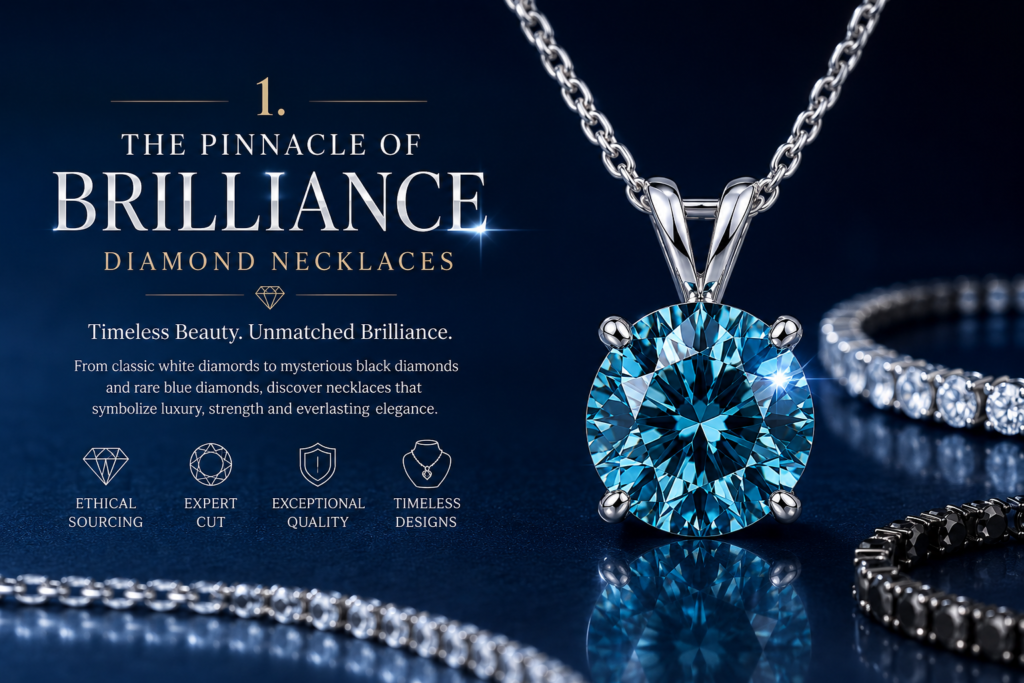
A diamond necklace occupies a rare place in fine jewelry. It is not simply worn for sparkle; it is chosen for presence, permanence, and the kind of visual authority that few gemstones can match. Across cultures and generations, diamonds have represented endurance, clarity, prestige, and emotional significance. A beautifully made diamond necklace can mark a milestone, elevate formalwear, become a signature daily piece, or pass from one generation to the next as a treasured heirloom.
When styled with complementary diamond bracelets, a diamond necklace becomes part of a complete fine-jewelry statement, balancing brilliance at the neckline with refined sparkle at the wrist.
At Schopping.com, our diamond necklace collection is built around craftsmanship, ethical sourcing, gemstone quality, and light performance. Every diamond necklace tells a different story depending on its stone shape, metal setting, chain style, carat weight, and design language. A delicate solitaire diamond pendant speaks in a quiet, refined voice. A diamond tennis necklace creates continuous brilliance across the neckline. A graduated diamond collar delivers red-carpet impact. A black diamond necklace introduces drama, contrast, and modern luxury for those who prefer jewelry with a more distinctive edge.
The enduring appeal of a diamond necklace lies in its balance between beauty and structure. Unlike fashion jewelry that relies on trend alone, fine diamond necklaces are evaluated through precise standards: cut, color, clarity, carat weight, setting quality, metal purity, and wearability. These factors determine not only how a necklace looks under natural and artificial light, but also how well it holds value, resists wear, and performs as part of a serious luxury jewelry collection.
The Classic White Diamond Appeal
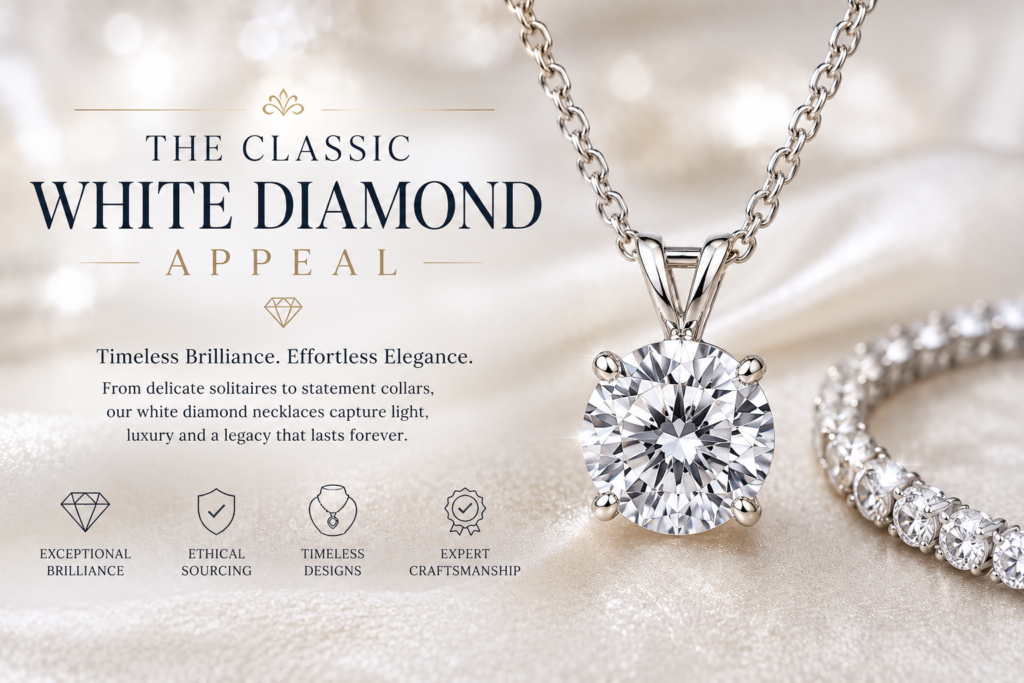
A white diamond necklace remains one of the most iconic pieces in luxury jewelry. Its appeal comes from the way it interacts with light. When a diamond is cut with precision, it does not merely shine—it breaks light into brilliance, fire, and scintillation. This is why the finest white diamond necklaces feel alive on the skin, catching movement from every angle and illuminating the neckline with a crisp, unmistakable glow.
Whether designed as a solitaire diamond pendant, a diamond station necklace, a diamond tennis necklace, or a dramatic graduated diamond collar, white diamonds carry a timeless elegance that works across generations. A single round brilliant diamond on a fine gold or platinum chain is ideal for everyday luxury, while a multi-stone diamond necklace creates a more formal, occasion-ready statement. For buyers building a refined jewelry wardrobe, a white diamond necklace is often one of the most versatile investments because it can pair effortlessly with evening gowns, tailored suits, bridal looks, cocktail dresses, and even elevated casual styling.
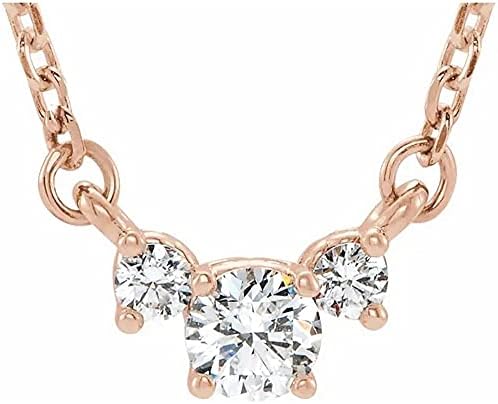


At Schopping.com, we focus on the essential quality markers known as the Four Cs: cut, color, clarity, and carat weight. Among these, cut is especially important because it determines how effectively the diamond returns light. A larger diamond with poor cut quality can appear dull, while a smaller expertly cut diamond can look vivid, bright, and visually expensive. Color and clarity also influence the necklace’s overall beauty, especially in designs where the diamonds are placed close to the face and visible under different lighting conditions.
Our diamond necklace styles range from minimalist bezel-set pendants to vintage-inspired halo designs, pavé diamond accents, elegant four-prong settings, and high-jewelry silhouettes made for collectors. Each design is selected to enhance the natural character of the stone, allowing the diamond to remain the focal point while the setting provides security, proportion, and sophistication.
The Enigmatic Allure of Black Diamond Necklaces
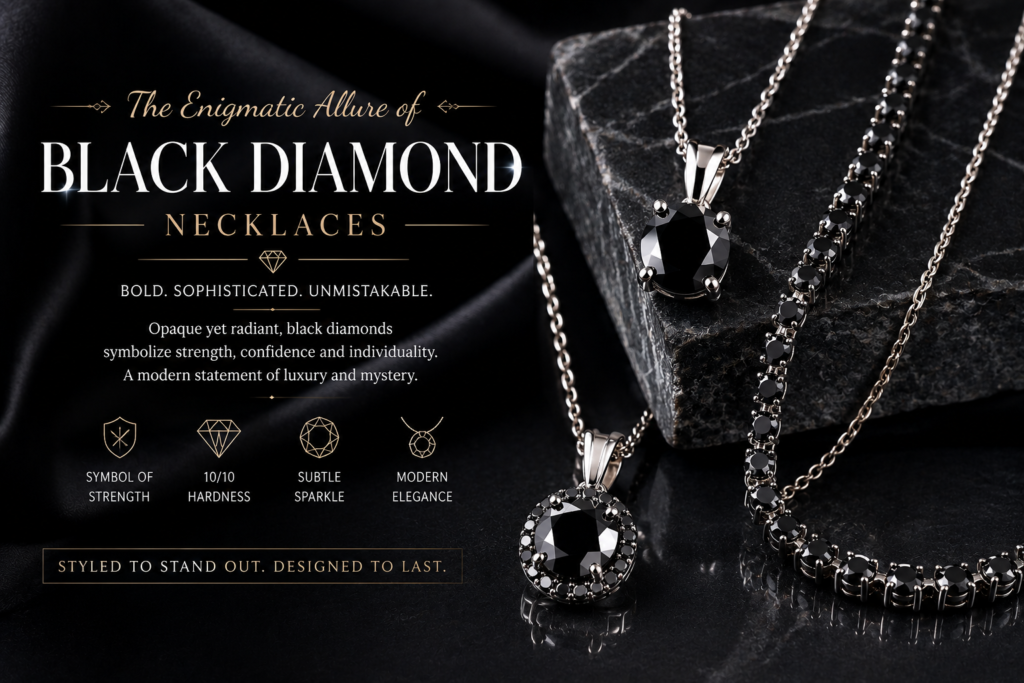
For shoppers who want something more daring than a traditional white diamond necklace, a black diamond necklace offers a powerful alternative. Black diamonds carry a completely different visual language. Instead of transparent brilliance, they create depth, shadow, and contrast. Their beauty is not based on icy clarity but on intensity, mystery, and architectural boldness.


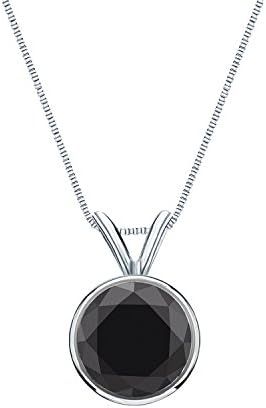
A black diamond is opaque, meaning it absorbs light rather than allowing it to pass through. This gives the stone its deep, dramatic appearance and its distinctive surface luster. When faceted correctly, black diamonds reveal a subtle, almost velvet-like sparkle. The result is refined but unconventional—luxury with an edge.
A black diamond pendant necklace can feel sleek and minimal when set in white gold, sterling silver, or platinum. When paired with yellow gold or rose gold, it becomes warmer and more fashion-forward. A full black diamond tennis necklace delivers a striking high-contrast look that works especially well for evening wear, formal events, luxury streetwear, and modern monochrome styling. For men’s and women’s jewelry alike, black diamond necklaces have become a sophisticated choice for buyers who want something bold without relying on oversized design.

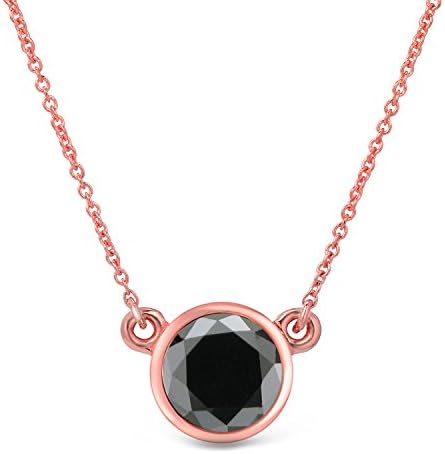


The symbolism of black diamonds adds another layer to their appeal. They are often associated with inner strength, authority, independence, and resilience. While white diamonds are linked with purity and clarity, black diamonds communicate confidence and self-possession. This makes them especially attractive for statement jewelry, anniversary gifts, personal milestones, and luxury pieces chosen for identity rather than convention.
From a styling perspective, a black diamond necklace pairs beautifully with a silver necklace chain, white gold chain, platinum setting, or even a polished black rhodium finish. The contrast between dark gemstones and cool-toned metal creates a clean, high-fashion look. For a warmer and more dramatic effect, black diamonds set against yellow gold create a rich visual tension that feels both classic and contemporary.
Durability is another reason black diamonds remain desirable. Like white diamonds, they rank 10 out of 10 on the Mohs hardness scale, making them among the hardest natural materials used in fine jewelry. This makes a black diamond necklace suitable not only for special occasions but also for buyers who want a resilient luxury piece that can withstand regular wear when properly cared for.
White Diamond vs Black Diamond Necklaces
Choosing between a white diamond necklace and a black diamond necklace depends on personal style, occasion, and the kind of visual message you want the piece to communicate.
A white diamond necklace is ideal for classic elegance, bridal jewelry, anniversary gifts, formal occasions, and timeless everyday luxury. It reflects light brightly and creates a clean, radiant look that feels graceful and traditional.
A black diamond necklace is better suited for buyers who prefer depth, contrast, and contemporary sophistication. It does not sparkle in the same way as a white diamond, but it offers a more mysterious and commanding presence. It works especially well with evening outfits, minimalist black wardrobes, tailored clothing, and statement jewelry combinations.
For many collectors, both styles serve different purposes. A white diamond pendant may become the daily signature piece, while a black diamond necklace becomes the dramatic evening option. Together, they create a balanced fine jewelry collection with both brilliance and contrast.
For a complete fine-jewelry pairing, style your diamond necklace with matching or contrasting luxury earrings to frame the face, balance the neckline, and create a more polished high-end look.
Featured Luxury Masterpiece
5 Carat Platinum Round Blue Diamond 4 Prong Solitaire Pendant Necklace — AAA Quality
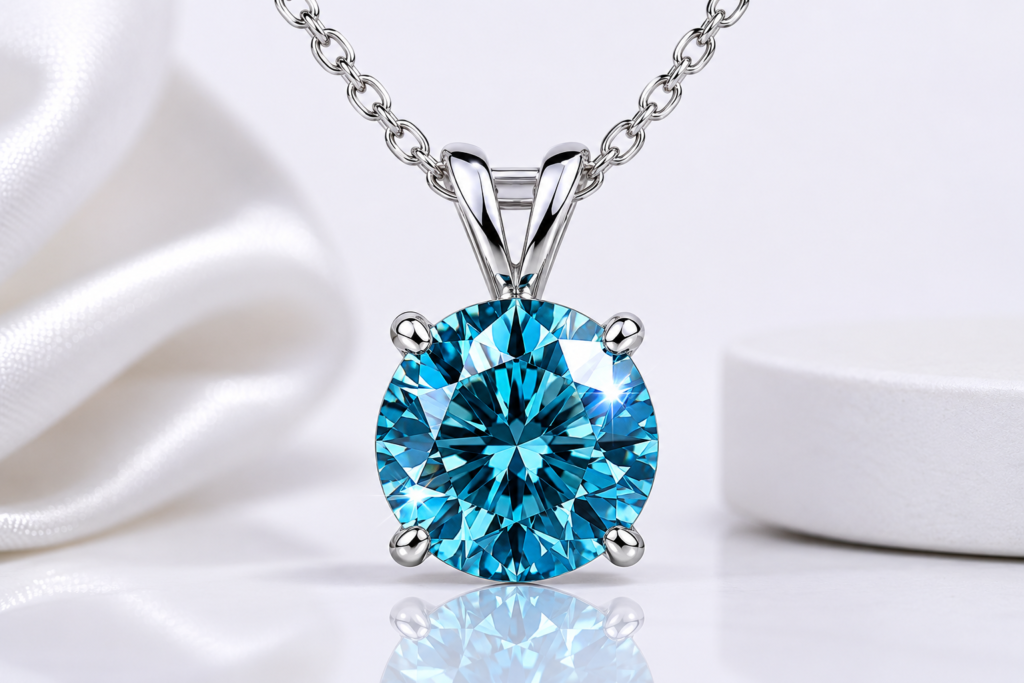
This extraordinary necklace represents the rarest tier of luxury gemstone jewelry. Featuring a 5-carat round blue diamond, the piece is designed for collectors who want more than traditional brilliance. Blue diamonds are prized for their oceanic depth, rarity, and unmistakable visual impact. Their color gives them an almost hypnotic quality, shifting between cool elegance and regal intensity depending on the lighting.
The diamond is secured in a classic four-prong platinum setting, a design chosen for both beauty and protection. Platinum enhances the cool tone of the blue diamond while offering exceptional strength and long-term durability. Its naturally white sheen allows the gemstone’s color to remain the center of attention without visual distraction.
The addition of a 16-inch gold chain introduces a contemporary contrast between cool platinum and warm gold. This pairing gives the necklace a distinctive two-tone character, making it feel both royal and modern. It can sit elegantly at the collarbone, where the blue diamond becomes an immediate focal point.

Priced at $34,333, this AAA-quality blue diamond pendant is not a casual jewelry purchase. It is an investment-level luxury necklace created for serious collectors, milestone gifting, and high-jewelry wardrobes. The combination of rare color, substantial carat weight, platinum security, and gold-chain contrast makes it one of the most exceptional pieces in the Schopping.com necklace vault.
For buyers seeking a necklace that communicates rarity, taste, and lasting prestige, this blue diamond solitaire pendant stands at the highest end of fine jewelry design. It is not simply a necklace to wear; it is a centerpiece to own, preserve, and remember.
The diamond necklace remains the undisputed king of fine jewelry. It represents endurance, clarity and an unmatched luxury Lifestyle. At Schopping, our diamond collection is sourced with ethical integrity and cut to maximize light performance.
2. Moissanite Excellence: The Modern Choice
In the realm of contemporary jewelry, the moissanite chain and moissanite pendant have emerged as the premier choice for the conscious and savvy consumer. Moissanite possesses a higher refractive index than diamonds, meaning it actually exhibits more “fire” and “brilliance”.
Moissanite Tennis Necklace & Moissanite Tennis Chain
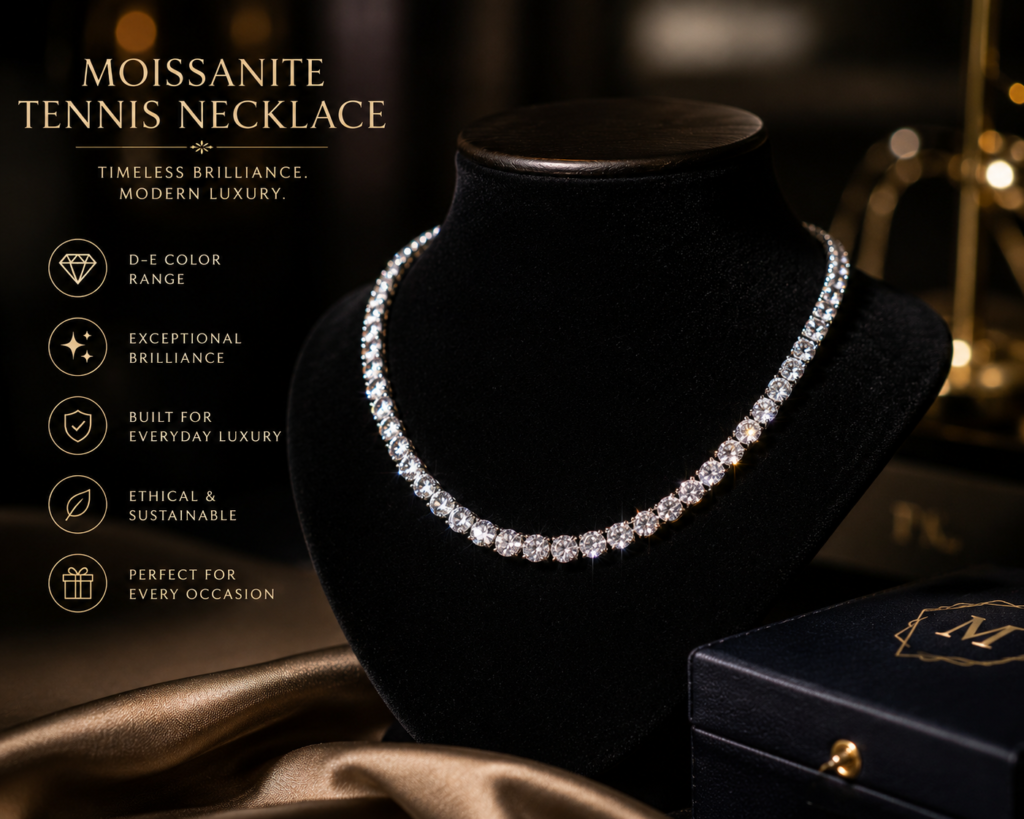
A moissanite tennis necklace is one of the most refined ways to wear brilliance without making the look feel excessive. Designed with a continuous line of precisely set moissanite stones, it creates an uninterrupted flow of light around the neck — clean, symmetrical, polished, and quietly powerful.
Unlike trend-led jewelry that depends on oversized shapes or seasonal styling, the moissanite tennis necklace has a timeless profile. It works because the design is simple, but the effect is striking. Every stone contributes to the same visual rhythm, giving the necklace a balanced shine that feels elegant from every angle.
For anyone who wants the appearance of high-carat diamond jewelry without the traditional diamond price, a moissanite tennis chain offers a smart and classy alternative. It delivers the bright, icy look associated with luxury tennis necklaces while remaining more accessible, practical, and wearable for modern buyers.
Why a Moissanite Tennis Necklace Feels So Luxurious
The appeal of a moissanite tennis necklace comes from three things: brilliance, symmetry, and restraint.
Moissanite is known for its strong fire and sparkle, which gives the necklace a noticeable glow under both natural and evening light. When those stones are arranged in a continuous tennis setting, the result is a clean band of reflection that feels expensive without needing unnecessary ornamentation.
This is why the moissanite tennis necklace has become a best-selling statement piece. It is bold enough to stand alone, yet refined enough to layer with pendants, chokers, or fine chains. It can be worn with a black evening dress, a silk blouse, a tailored blazer, or even a minimalist everyday outfit.
The design does not need to shout. The shine does the work.
Moissanite Chain: A Smart Diamond Alternative
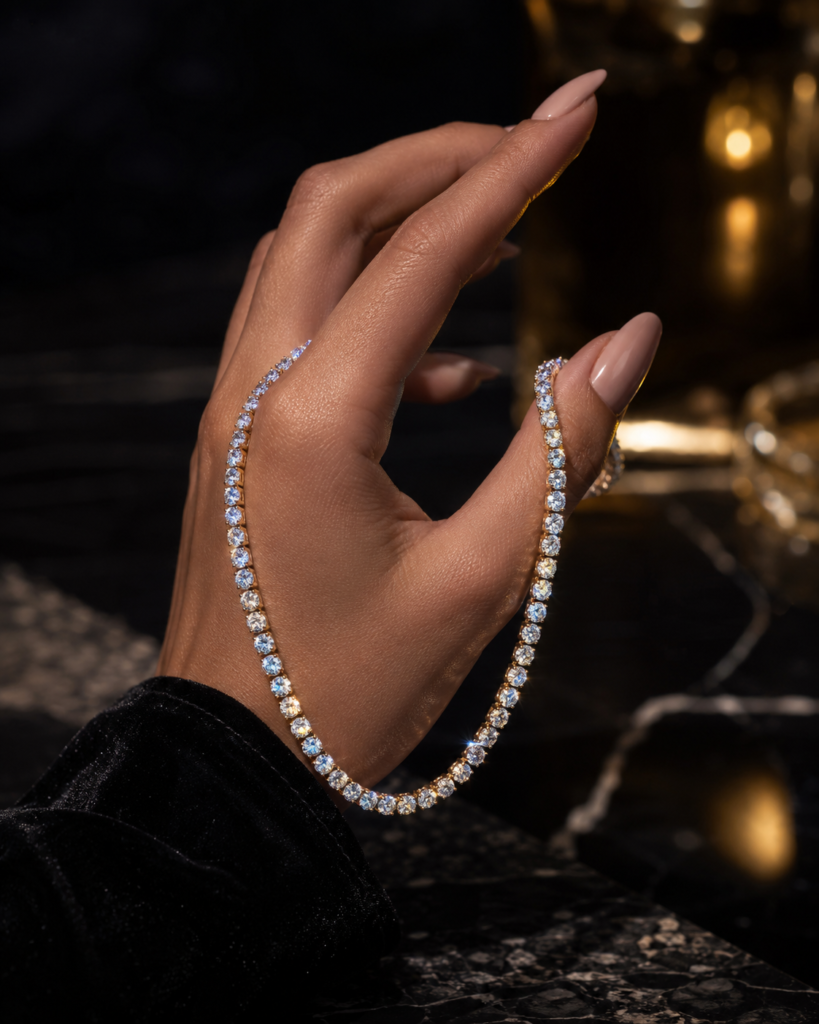
A moissanite chain gives buyers the visual impact of a diamond tennis necklace at a much more attainable price point. The look can resemble a five-figure diamond layout, but the cost is significantly lower, making it especially appealing for people who want luxury styling without overpaying for mined diamonds.
The value is not only about affordability. It is also about practicality. Moissanite is highly durable, making it suitable for frequent wear. It resists scratching better than many gemstones and keeps its bright appearance over time when properly cared for.
That makes the moissanite tennis chain ideal for buyers who want jewelry that feels glamorous but still belongs in real life. It is not a piece that has to stay locked away for rare occasions. It can become part of a regular luxury wardrobe.
Choosing the Right Width: 3mm, 4mm, 5mm or 6mm
The width of a moissanite tennis necklace changes the entire personality of the piece.
A 3mm moissanite tennis chain feels delicate, elegant, and easy to wear daily. It gives a clean line of sparkle without overpowering the neckline, making it a strong choice for subtle luxury.
A 4mm chain offers a balanced middle ground. It has more presence than a delicate strand but still feels refined enough for formal and everyday styling.
A 5mm moissanite tennis necklace starts to feel more statement-driven. It is ideal for buyers who want noticeable brilliance, especially for evening wear, events, gifting, or luxury styling.
A 6mm moissanite tennis chain creates a bold “ice” effect. This width is more dramatic, more visible, and more fashion-forward. It works best for people who want their necklace to become the main piece rather than a supporting detail.
Everyday Luxury With Special Occasion Energy
The strength of a moissanite tennis necklace is its versatility. It can look graceful during the day and powerful at night. Worn alone, it gives the neckline a clean, expensive finish. Layered with a moissanite pendant, it creates a more personalized luxury look.
For formal occasions, the necklace pairs beautifully with evening dresses, satin fabrics, black tailoring, and low necklines. For everyday styling, it can soften a simple outfit and add polish without looking overdone.
This balance is what makes the moissanite tennis chain so appealing. It feels glamorous, but not impractical. It looks expensive, but not forced. It has presence, but it still feels tasteful.
The Moissanite Pendant: A Focal Point of Light
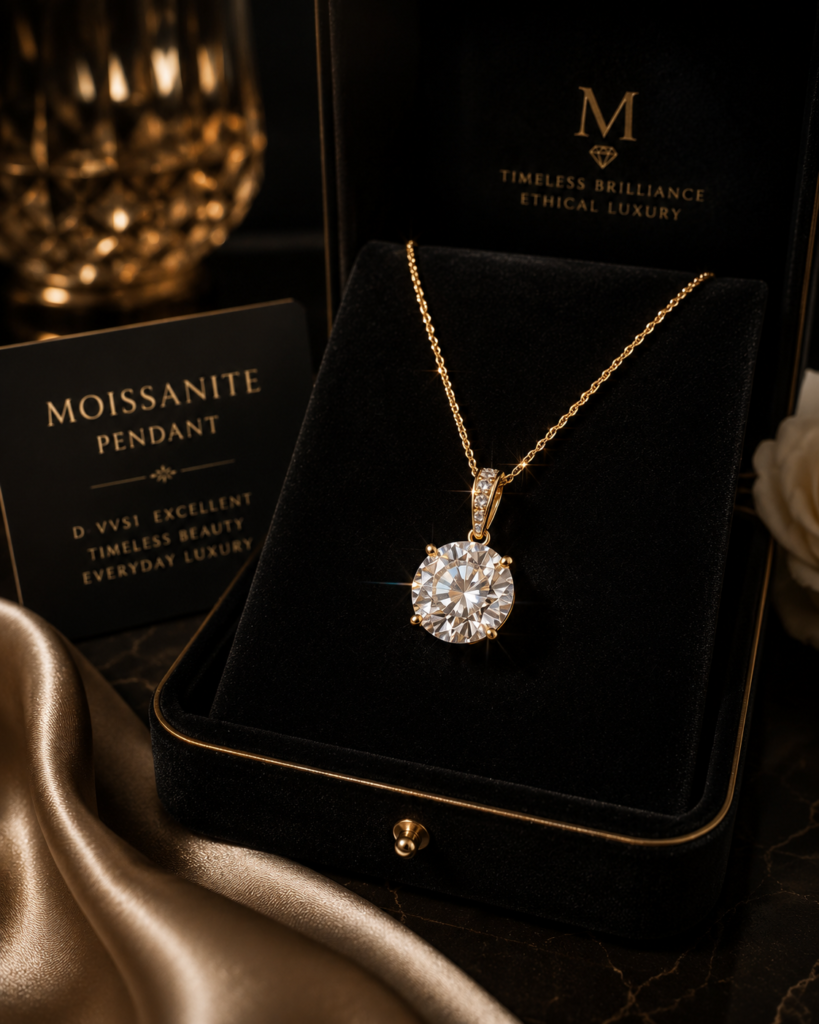
A moissanite pendant brings a different kind of elegance. While the tennis necklace creates a continuous line of brilliance, the pendant focuses attention on one central stone or design. It becomes the focal point of the neckline.

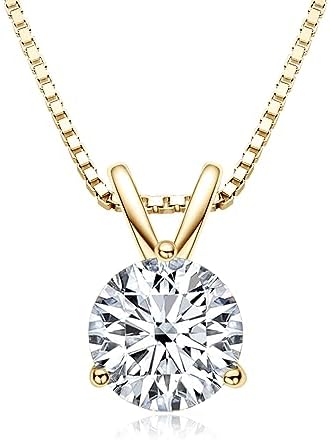
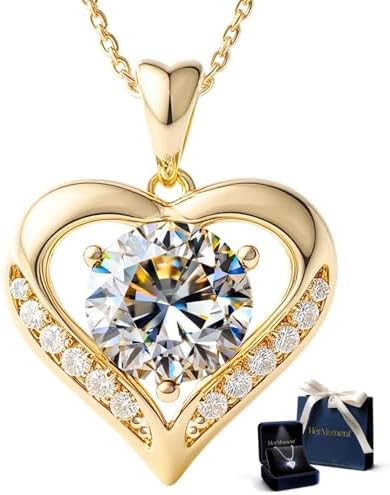
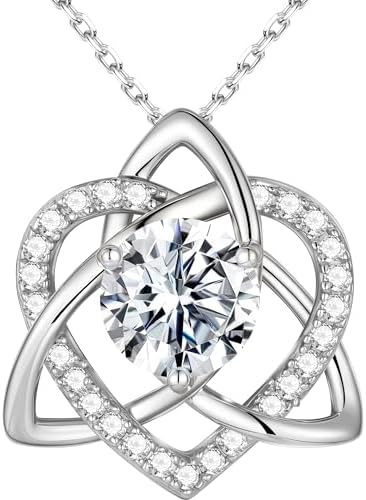
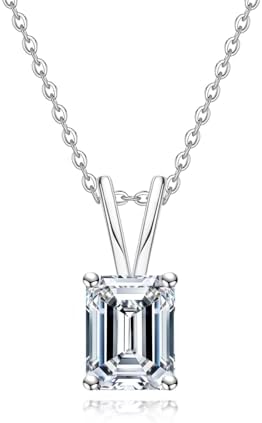
A high-class moissanite pendant usually features a brilliant round stone, oval stone, pear-cut stone, or teardrop setting. The result is simple, luminous, and easy to gift. It works beautifully for birthdays, anniversaries, graduations, bridal jewelry, romantic gifts, and personal milestone purchases.
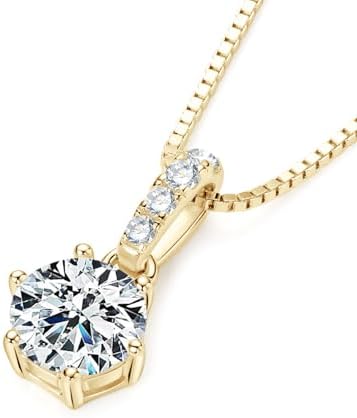
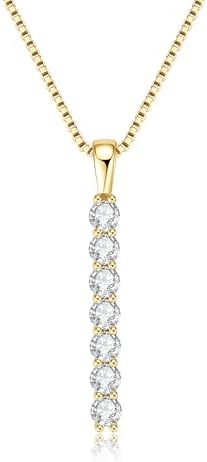


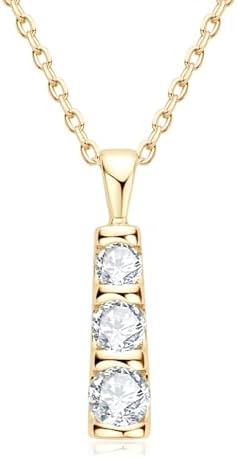
The best moissanite pendants have a clean setting that allows the center stone to shine without distraction. A minimalist solitaire pendant feels modern and understated. A halo or tiered teardrop pendant feels more formal and decorative. Both styles offer the same essential appeal: diamond-like clarity, strong sparkle, and timeless luxury.
Moissanite Tennis Necklace vs Moissanite Pendant
A moissanite tennis necklace is best for someone who wants a full luxury statement. It frames the neck with sparkle and gives the outfit a polished, high-jewelry effect.
A moissanite pendant is better for someone who prefers a focused, elegant accent. It is lighter, easier to wear every day, and often more personal as a gift.
Together, they create a complete jewelry look. The tennis chain adds structure and brilliance, while the pendant adds identity and focal detail. For buyers building a luxury moissanite collection, these two pieces are natural companions.
Who Should Buy a Moissanite Tennis Necklace?
A moissanite tennis necklace is ideal for anyone who wants the look of fine diamond jewelry with smarter value. It suits buyers who appreciate sparkle, symmetry, and timeless design but do not want to spend the price of a traditional diamond necklace.
It is also a strong choice for gift buyers. The design feels premium immediately, photographs beautifully, and works across many personal styles. Whether the recipient prefers classic jewelry, modern luxury, evening wear, or minimalist styling, a moissanite tennis chain has broad appeal.
It is especially suitable for:
Luxury gifts for her
Anniversary jewelry
Graduation gifts
Bridal and wedding styling
Formal evening looks
Everyday luxury wardrobes
Diamond alternative jewelry buyers
Statement necklaces without mined diamond pricing
A Classy Investment in Modern Luxury
The moissanite tennis necklace represents a modern shift in luxury jewelry. Buyers are no longer choosing beauty based only on rarity or traditional diamond pricing. They are looking for brilliance, durability, design, and intelligent value.
That is where moissanite performs exceptionally well. It gives the necklace the icy sparkle people want, the durability they need, and the price accessibility that makes luxury feel more realistic.
A well-designed moissanite tennis chain is not simply a diamond substitute. It is a smart luxury piece in its own right — elegant, brilliant, wearable, and made for people who want expensive-looking jewelry without unnecessary excess.
For a refined jewelry wardrobe, the moissanite tennis necklace and moissanite pendant are two of the strongest pieces to own. One creates the full statement. The other delivers the focal point. Together, they offer a complete expression of modern, classy, high-shine luxury.
3. Timeless Elegance: Pearl Necklaces
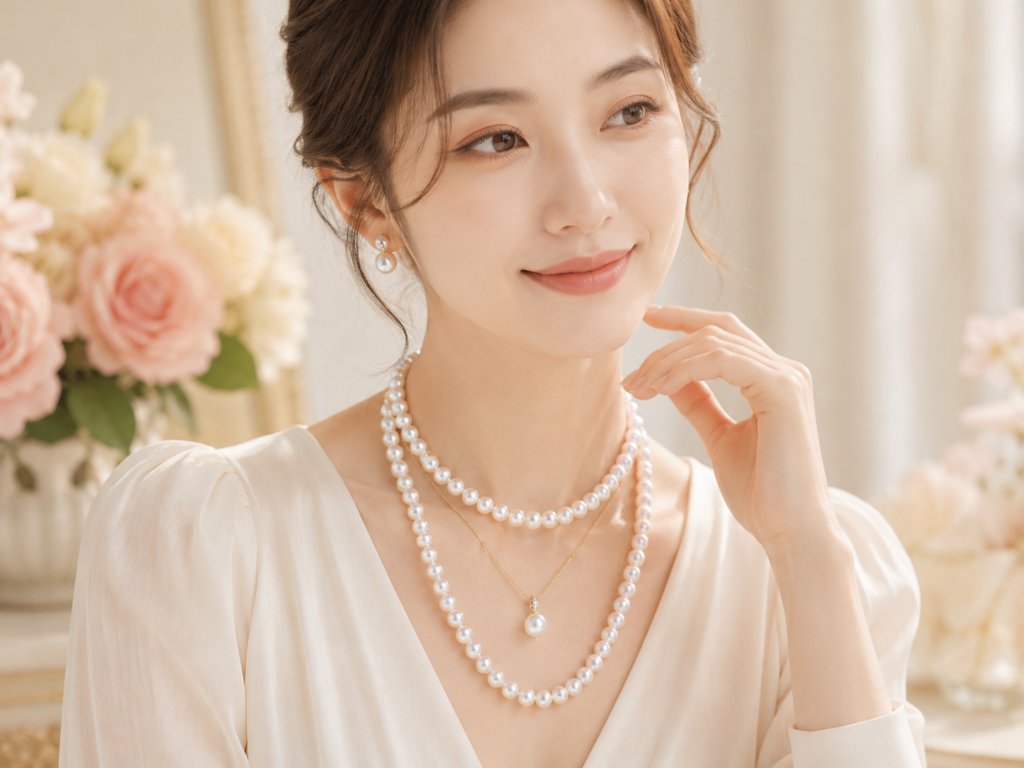
A pearl necklace carries a different kind of luxury. Diamonds impress through brilliance, gold through warmth, and gemstones through color, but pearls create their own atmosphere. They are soft, luminous, graceful, and deeply human. A well-chosen pearl necklace does not compete for attention; it refines the entire look.
Pearls are also unique because they are the only gemstones created by living organisms. This gives them an organic luster that mineral stones cannot fully imitate. Their glow is not sharp or icy. It is warm, diffused, and almost skin-like, which is why pearl necklaces have remained relevant across generations, dress codes, and fashion movements.
For modern luxury styling, the pearl necklace has moved far beyond the traditional single strand. Today, luxury pearl necklaces include minimalist chokers, layered pearl chains, black pearl necklaces, oversized South Sea pearl strands, delicate freshwater pearl designs, and mixed-metal pieces that combine pearls with gold, diamonds, or moissanite accents.
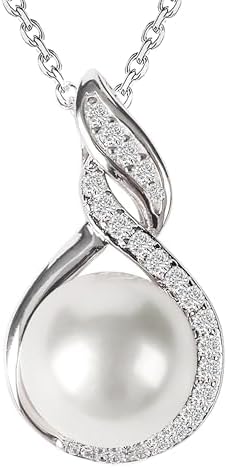


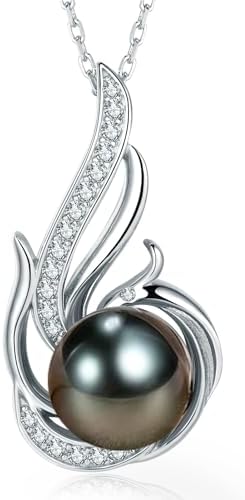
The result is a jewelry category that feels classic without being old-fashioned.
Why Pearl Necklaces Still Define Luxury
A pearl necklace has lasting power because it balances elegance with restraint. It can soften formalwear, elevate simple tailoring, and add quiet sophistication to everyday outfits. Unlike trend-heavy jewelry, pearls age beautifully because their appeal is based on proportion, luster, and refinement rather than novelty.
This is why pearl necklaces continue to appear in bridal jewelry, gala dressing, luxury workwear, evening styling, and heirloom collections. They are also one of the strongest examples of quiet luxury jewelry: understated at first glance, but rich in material, history, and presence.
A diamond necklace may signal glamour immediately. A pearl necklace signals taste.
Akoya Pearl Necklace: Classic, Round and Highly Polished
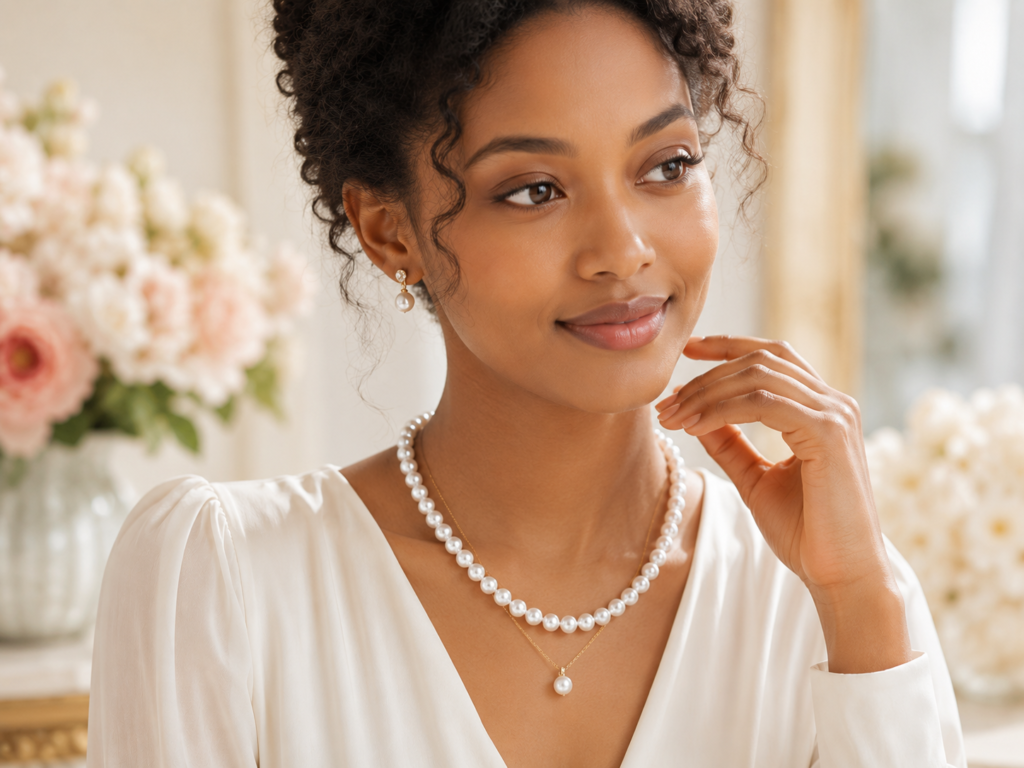
Akoya Pearl Necklace is often considered the classic choice for a luxury pearl necklace. These are admired for their near-perfect roundness, sharp reflection, and mirror-like luster. When people imagine a traditional white pearl necklace with a clean, elegant glow, they are often imagining Akoya pearls.
An Akoya pearl necklace works beautifully for formal occasions, bridal styling, evening dinners, and polished professional wardrobes. Its symmetry gives it a refined, almost architectural quality. The pearls are usually smaller and more uniform than South Sea pearls, which makes the necklace feel graceful rather than heavy.
For buyers who want a timeless pearl necklace with traditional elegance, Akoya pearls are one of the strongest choices.
Freshwater Pearl Necklace: Versatile, Modern and Accessible
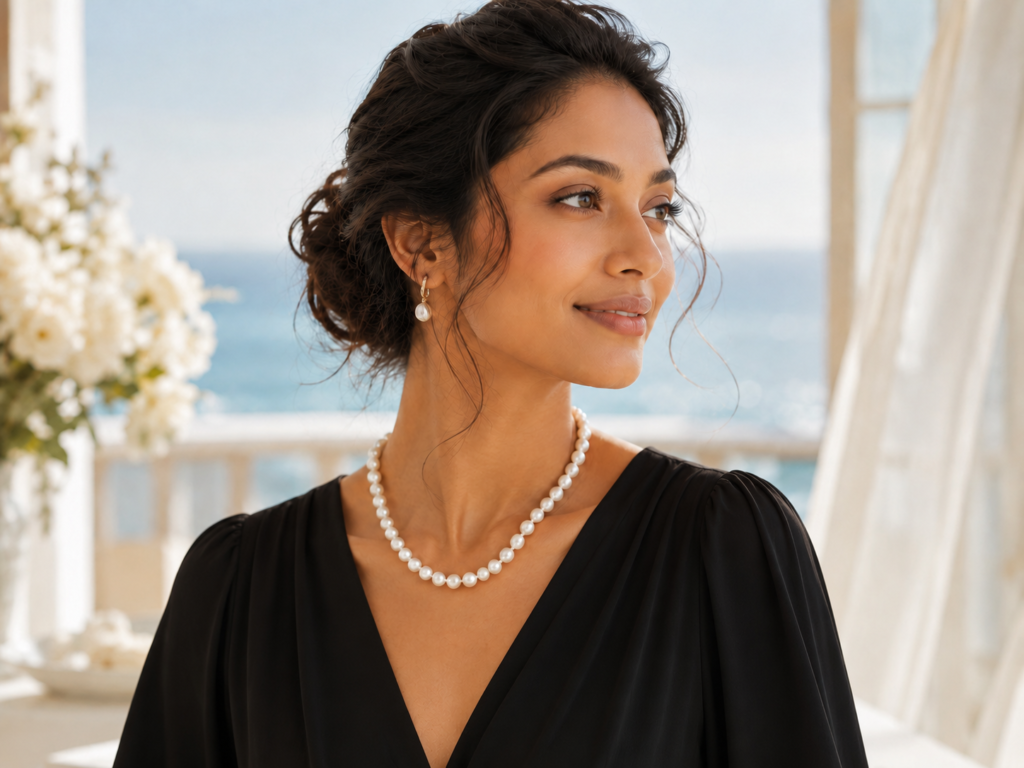
Freshwater pearl necklace offers a more relaxed entry into pearl luxury. These pearls are available in a wider range of shapes, sizes, and soft natural shades, including white, cream, blush, lavender, and peach tones.
Their charm often comes from variation. While Akoya pearls are prized for uniformity, freshwater pearls can feel more expressive and contemporary. Baroque freshwater pearls, in particular, have become popular in modern luxury jewelry because their irregular shapes create a more organic, artistic look.
A freshwater pearl necklace is ideal for everyday elegance, layered styling, minimalist wardrobes, and gift buyers who want beauty without the highest luxury price point. It feels refined but approachable, making it one of the most wearable pearl necklace styles.
South Sea Pearl Necklaces: Large, Rare and Opulent
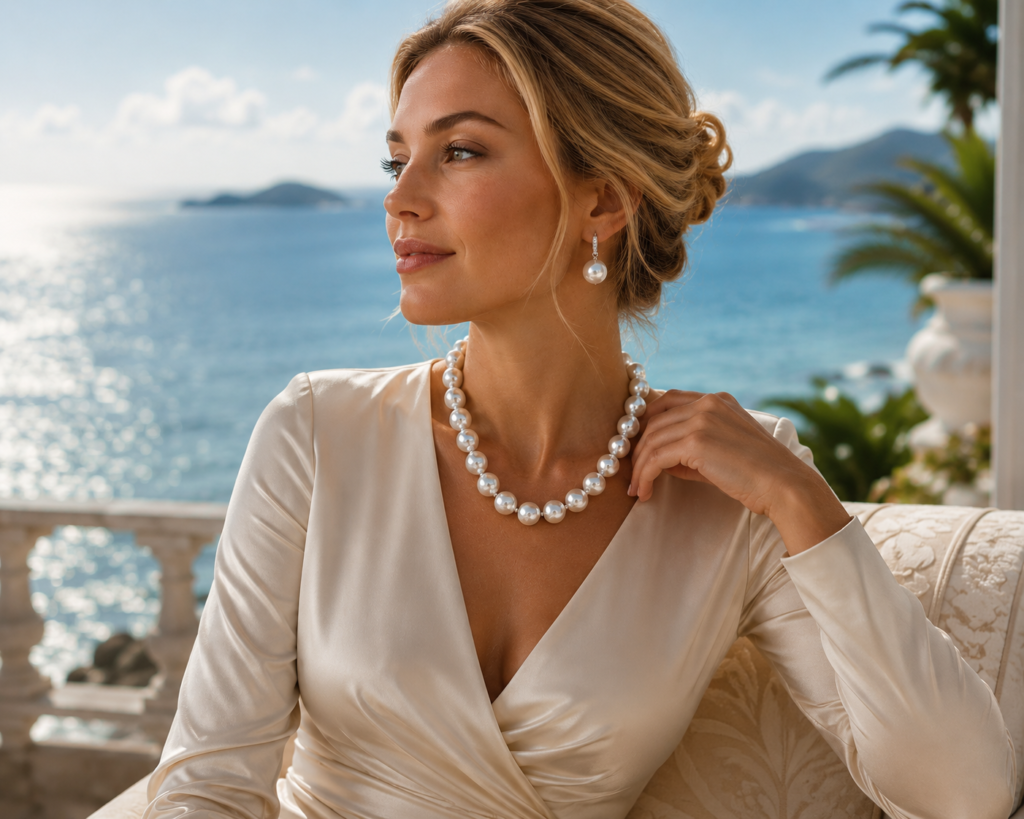
South Sea pearls are among the most luxurious pearls in the world. Known as the “Queen of Pearls,” they are larger, rarer, and more commanding than most other pearl types. Their glow is deep and satin-like, with a richness that feels immediately expensive.
A South Sea pearl necklace is not usually a casual piece. It is designed for presence. These pearls work best for milestone occasions, luxury gifting, formal events, black-tie dressing, and heirloom jewelry collections.
White South Sea pearls feel regal and luminous, while golden South Sea pearls bring warmth and grandeur. Because of their size and rarity, they are often chosen by buyers who want a pearl necklace that looks unmistakably premium.
Black Pearl Necklaces: Dramatic Quiet Luxury

A black pearl necklace offers a more mysterious and sophisticated interpretation of pearl jewelry. Instead of the soft innocence associated with white pearls, black pearls bring depth, contrast, and quiet drama.
Black pearl necklaces are especially powerful for weddings, galas, evening events, luxury dinners, and professional milestones. They pair beautifully with black dresses, silk blouses, tailored suits, champagne tones, deep jewel colors, and minimalist formalwear.

The appeal of a black pearl necklace is subtle but memorable. It does not shout for attention, yet it rarely goes unnoticed. The darker surface creates shifting tones of charcoal, green, blue, purple, silver, or peacock depending on the light, giving each necklace a layered and individual character.
For buyers who want pearl jewelry that feels less traditional and more distinctive, a black pearl necklace is one of the most elegant choices.
How to Choose a Luxury Pearl Necklace
The best pearl necklace depends on the mood, occasion, and personal style of the wearer.
For classic elegance, choose an Akoya pearl necklace with round white pearls and high luster. For softer everyday styling, a freshwater pearl necklace offers versatility and modern charm. For formal luxury, South Sea pearls create a richer and more commanding presence. For dramatic sophistication, a black pearl necklace delivers quiet luxury with depth and character.
Buyers should also pay attention to luster, surface quality, size, shape, and matching. Luster is especially important because it determines how alive the pearls appear. A pearl with strong luster will seem to glow from within, while a dull pearl may look flat even if it is large.
Size also changes the personality of the necklace. Smaller pearls feel delicate and classic. Medium pearls feel balanced and wearable. Larger pearls feel more formal, powerful, and expensive.
Pearl Necklaces as Luxury Gifts
A pearl necklace is one of the most meaningful luxury gifts because it carries emotional weight without feeling overly loud. It works for anniversaries, weddings, graduations, birthdays, Mother’s Day, professional achievements, and personal milestones.
For a romantic gift, a white pearl necklace feels timeless and graceful. For a modern fashion gift, a freshwater or baroque pearl necklace feels more contemporary. For a major milestone, a South Sea pearl necklace creates a true luxury moment. For someone with a refined, distinctive style, a black pearl necklace can feel personal, elegant, and unforgettable.
Pearls also have heirloom appeal. A well-made pearl necklace can remain beautiful for years when cared for properly, making it more than a seasonal accessory. It becomes part of a personal jewelry story.
The Lasting Appeal of Pearl Necklaces
Pearl necklaces remain essential because they understand luxury differently. They do not rely on excess, trend, or obvious display. Their strength is in softness, balance, and quiet confidence.
Whether styled as an Akoya pearl necklace, a freshwater pearl strand, a South Sea pearl statement piece, or a black pearl necklace, pearls bring elegance that feels composed rather than forced.
That is why no serious luxury jewelry collection feels complete without them. A pearl necklace is not simply an accessory. It is a sign of taste, restraint, and timeless beauty.
4. The Foundation: Gold and Silver Necklaces
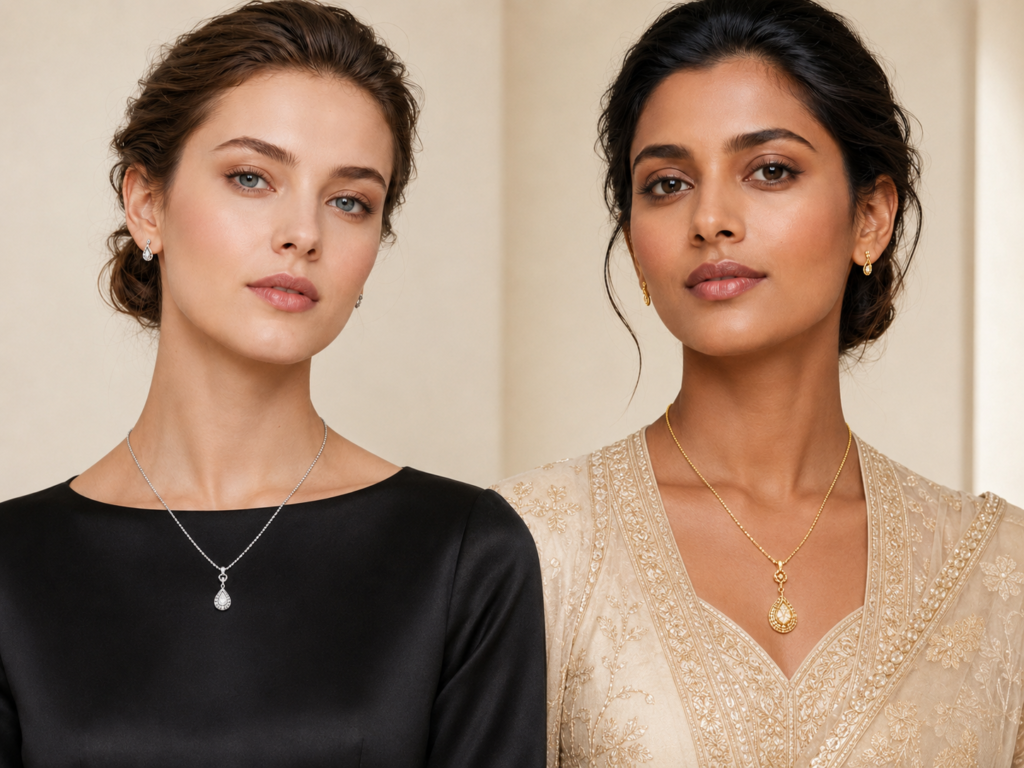
The metal you choose defines the “vibe” of your necklace. At Schopping, we specialize in high-purity metals that stand the test of time.
The metal is the foundation of every necklace. Before the pendant, gemstone, chain pattern, or clasp enters the picture, the choice between gold and silver establishes the piece’s visual character. Gold necklaces tend to feel warm, rich, and traditional, while silver necklaces create a cooler, cleaner, and often more contemporary impression.
Metal selection also affects durability, maintenance, price, styling flexibility, and how the necklace interacts with the wearer’s skin tone and wardrobe. A delicate white gold chain can make a diamond appear brighter. A yellow gold necklace can add warmth to neutral clothing. Rose gold introduces softness, while sterling silver offers an accessible route into polished, minimalist jewelry.
At Schopping, the focus is on necklace metals that combine lasting beauty with practical wearability. Whether you are choosing an everyday chain, a diamond necklace, a moissanite pendant, or a layered necklace set, the right metal helps the piece retain its structure, finish, and relevance over time.
14k Gold Necklace for Everyday Luxury
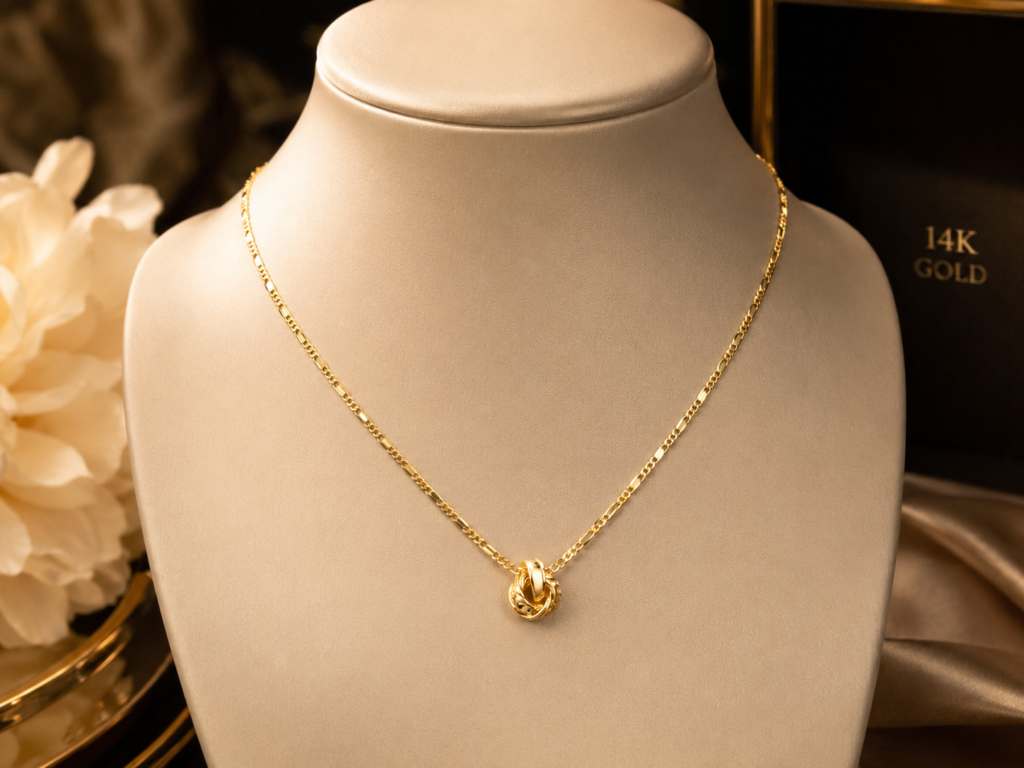
A 14k gold necklace is one of the most practical choices for anyone who wants genuine gold jewelry that can be worn regularly. It offers a strong balance between gold content, structural durability, color, and long-term value.
Pure 24k gold contains a very high proportion of gold, but that purity also makes the metal comparatively soft. For necklaces intended for frequent wear, gold is commonly mixed with strengthening metals to improve resistance to bending, scratching, and general deformation. A 14k gold necklace contains 58.3% pure gold, with the remaining composition made from alloy metals selected to enhance strength and create a particular color.
This makes 14k gold especially suitable for:
- Everyday gold chains
- Fine pendant necklaces
- Diamond and gemstone settings
- Layered necklace combinations
- Personalized name necklaces
- Lockets and symbolic jewelry
- Gifts intended for regular wear
Unlike gold-plated jewelry, a solid 14k gold necklace does not rely on a thin outer layer of gold for its appearance. Its gold composition continues beneath the surface, giving the piece greater durability and making it more suitable for long-term ownership.
Why Choose a 14k Gold Necklace?
The appeal of 14k gold lies in its versatility. It feels precious without being impractical, making it suitable for both understated daily jewelry and more elaborate luxury necklace designs.
| Quality | Why It Matters |
|---|---|
| Gold content | Provides the appearance, value, and character of genuine gold |
| Durability | Stronger than higher-purity gold for regular wear |
| Color variety | Available in yellow gold, white gold, and rose gold |
| Styling flexibility | Works with casual, professional, evening, and bridal clothing |
| Pendant support | Suitable for diamonds, moissanite, pearls, and colored gemstones |
| Long-term appeal | Classic enough to remain wearable beyond seasonal trends |
A well-made 14k gold necklace should feel balanced rather than excessively heavy. The links should move smoothly, the clasp should close securely, and any pendant setting should sit correctly without pulling the chain out of alignment.
Yellow Gold Necklace: Warm and Timeless
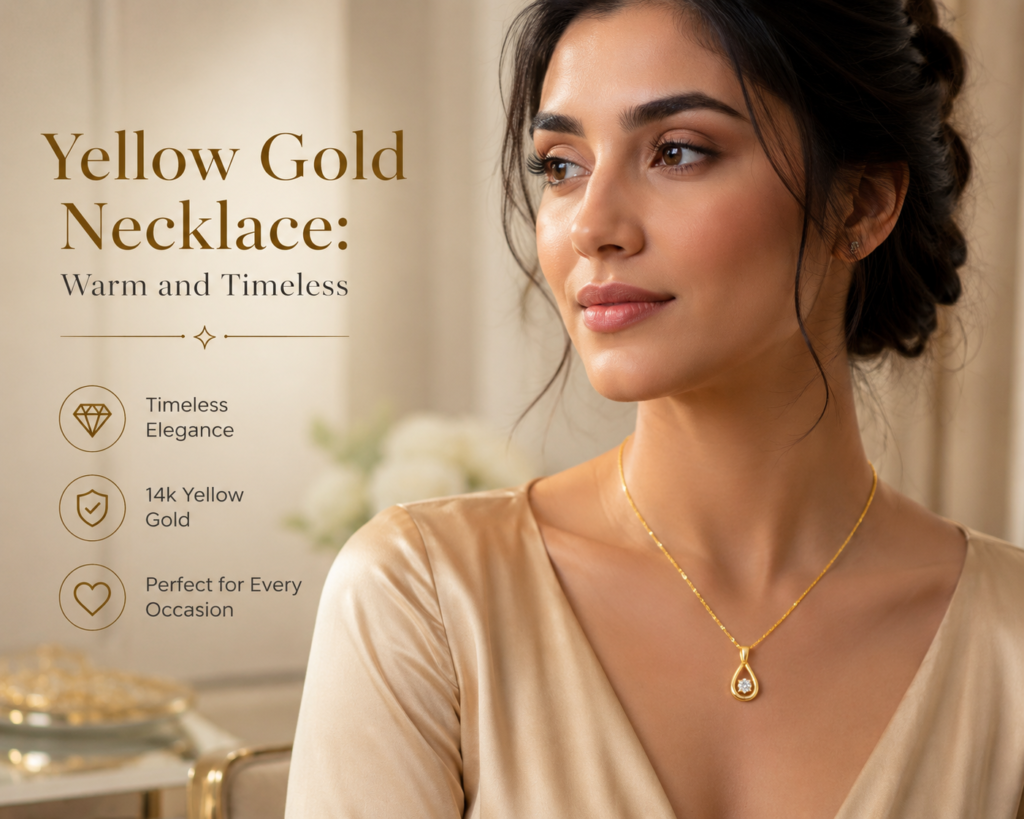
A yellow gold necklace delivers the most traditional expression of gold jewelry. Its warm color has been associated with ornament, wealth, ceremony, and personal milestones for centuries, yet it remains equally relevant in modern minimalist styling.
Yellow gold is created by combining pure gold with alloy metals that help preserve its rich golden tone while improving strength. In 14k form, the result is durable enough for frequent wear while retaining the warmth that makes gold immediately recognizable.
Yellow gold necklaces work particularly well with:
- Warm neutral clothing
- Black, cream, beige, brown, and deep green
- Vintage-inspired pendants
- Pearls and diamonds
- Emeralds, rubies, and warm-toned gemstones
- Classic watches and gold earrings
- Layered chains of different lengths
A fine yellow gold chain can soften a tailored outfit, while a thicker chain can create a more confident focal point. The metal also pairs naturally with textured surfaces, coin pendants, medallions, lockets, and heritage-style jewelry.
For a coordinated appearance, wear a yellow gold necklace with accessories that share a similarly warm finish. Mixing metals can also work, but the contrast should feel deliberate rather than accidental.
White Gold Necklace: Bright, Refined and Modern
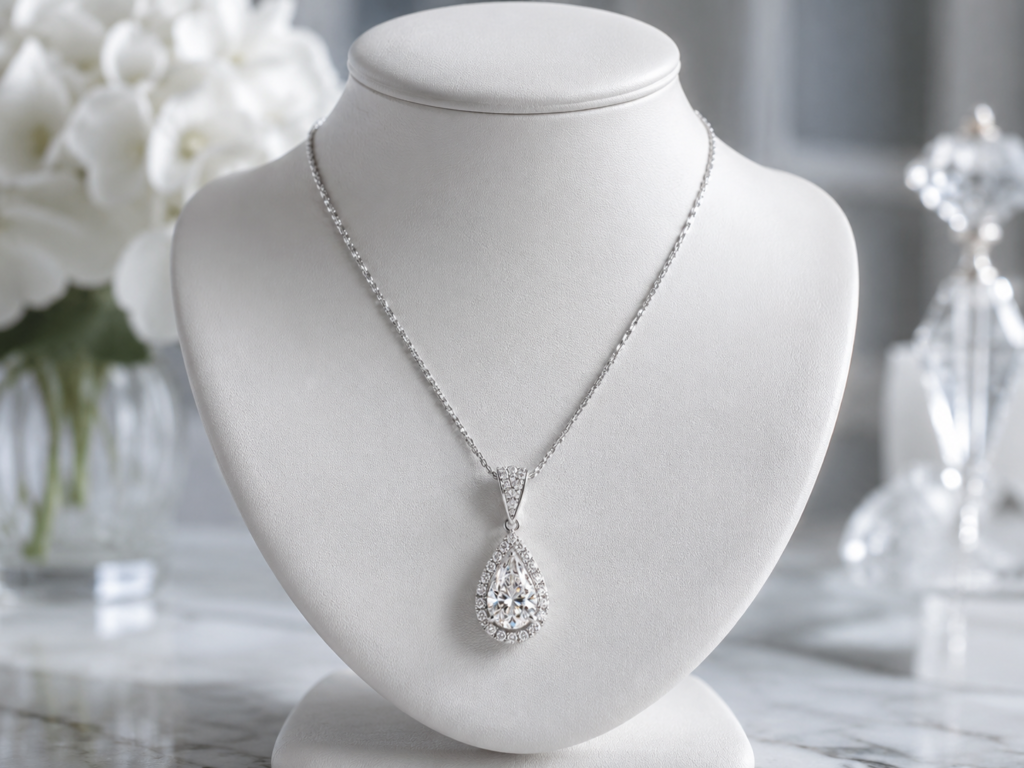
A white gold necklace combines the value and substance of gold with a cooler, silvery appearance. It is created by alloying gold with pale-colored metals. Many white gold necklaces are then finished with rhodium plating, which gives the surface a brighter, more reflective look.
White gold is especially effective in necklaces featuring diamonds, moissanite, or colorless gemstones. Its cool finish blends visually with the stone setting, allowing the gemstone to appear more continuous and luminous rather than visibly framed by a contrasting metal.
A white gold necklace is a strong choice for:
- Diamond solitaire pendants
- Moissanite necklaces
- Tennis necklaces
- Minimalist bar necklaces
- Contemporary geometric designs
- Bridal and anniversary jewelry
- Cool-toned or monochrome wardrobes
The appearance is polished without being visually loud. This makes white gold suitable for buyers who appreciate the look of silver-toned jewelry but want the prestige, weight, and longevity associated with gold.
Rhodium plating may gradually wear with frequent use, particularly where the necklace rubs against the skin or clothing. Professional replating can restore the bright white finish when necessary.
Rose Gold Necklace: Soft, Romantic Color
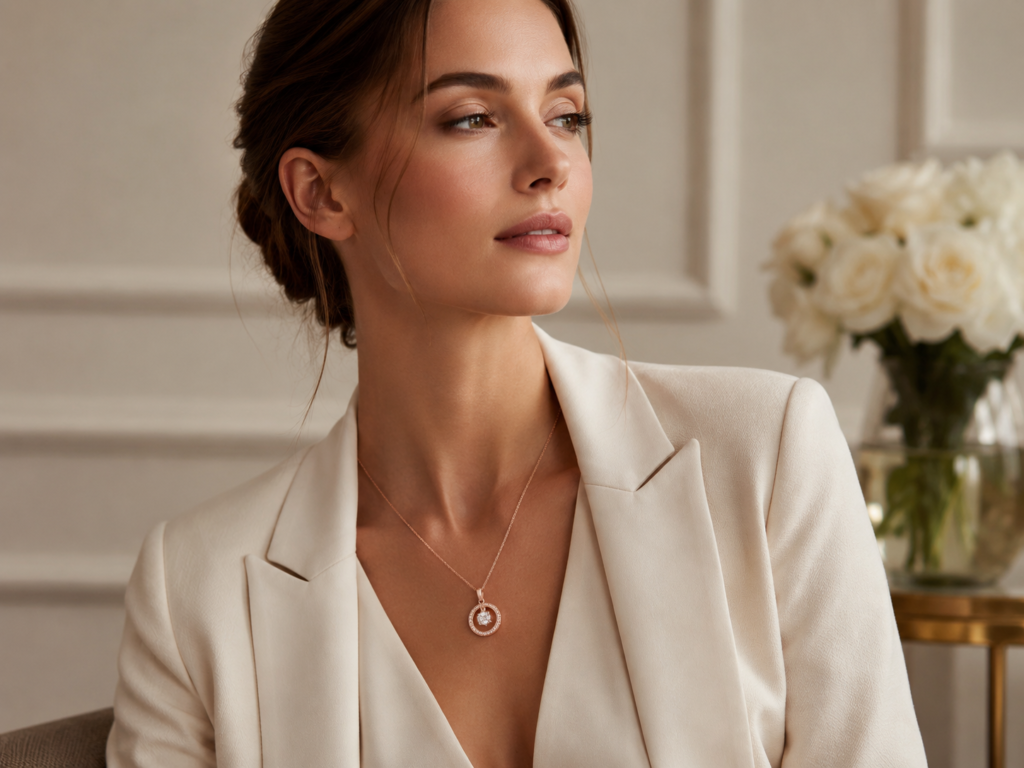
A rose gold necklace introduces a subtle pink or blush tone into fine jewelry. The color is produced by combining gold with copper-based alloys, creating a finish that feels warm, romantic, and slightly less traditional than yellow gold.
Rose gold became closely associated with delicate jewelry, but it is not limited to feminine or highly decorative designs. It also works beautifully in clean chains, geometric pendants, engraved necklaces, and modern mixed-metal pieces.
Rose gold necklaces complement:
- Soft neutrals and pastel colors
- White, grey, navy, and black clothing
- Morganite and pink gemstones
- Diamonds and moissanite
- Floral and symbolic pendants
- Personalized jewelry
- Romantic and anniversary gifts
Because rose gold sits between the warmth of yellow gold and the subtlety of white metals, it can be relatively easy to style across different wardrobes. Its copper content may create a stronger contrast on some complexions and a softer blend on others, so the best choice ultimately depends on personal preference and the effect the wearer wants to create.
Silver Necklace: Clean, Versatile, and Accessible
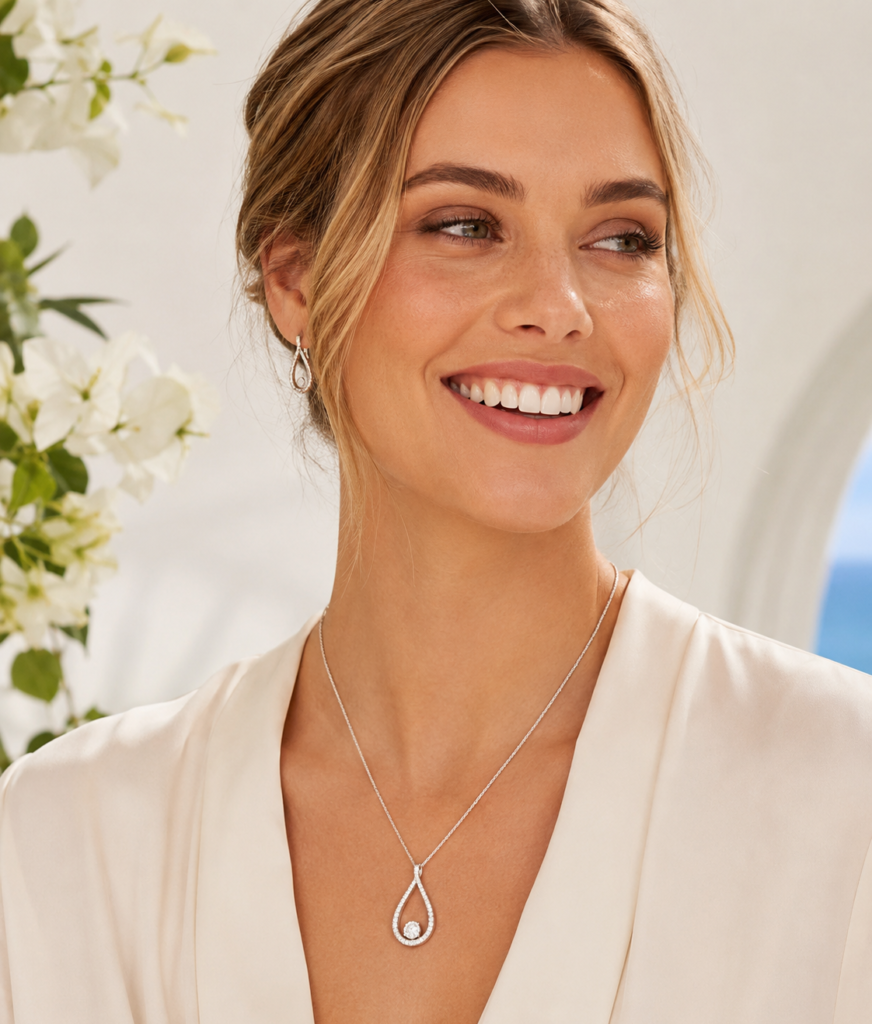
A silver necklace offers a crisp, cool-toned finish that works particularly well with modern, minimalist, and layered jewelry styles. Silver reflects light clearly without the warmer color of yellow or rose gold, making it a natural choice for people who prefer a restrained or contemporary appearance.
Quality silver necklaces are commonly made from 925 sterling silver. The number 925 indicates that the metal contains 92.5% pure silver, while the remaining 7.5% consists of alloy metals that improve strength. Pure silver on its own is too soft for many forms of practical jewelry, so the sterling silver standard provides a better balance between purity and durability.
Sterling silver necklaces are frequently chosen for:
- Everyday chains
- Layered necklace sets
- Minimalist pendants
- Initial and name necklaces
- Birthstone jewelry
- Moissanite pendants
- Religious and symbolic necklaces
- Affordable luxury gifts
Silver is also relatively lightweight, which can make it comfortable for longer chains or larger pendant designs. A carefully constructed sterling silver chain can support a substantial pendant without making the entire piece feel overly heavy.
Rhodium-Plated and Platinum-Plated Silver Necklaces
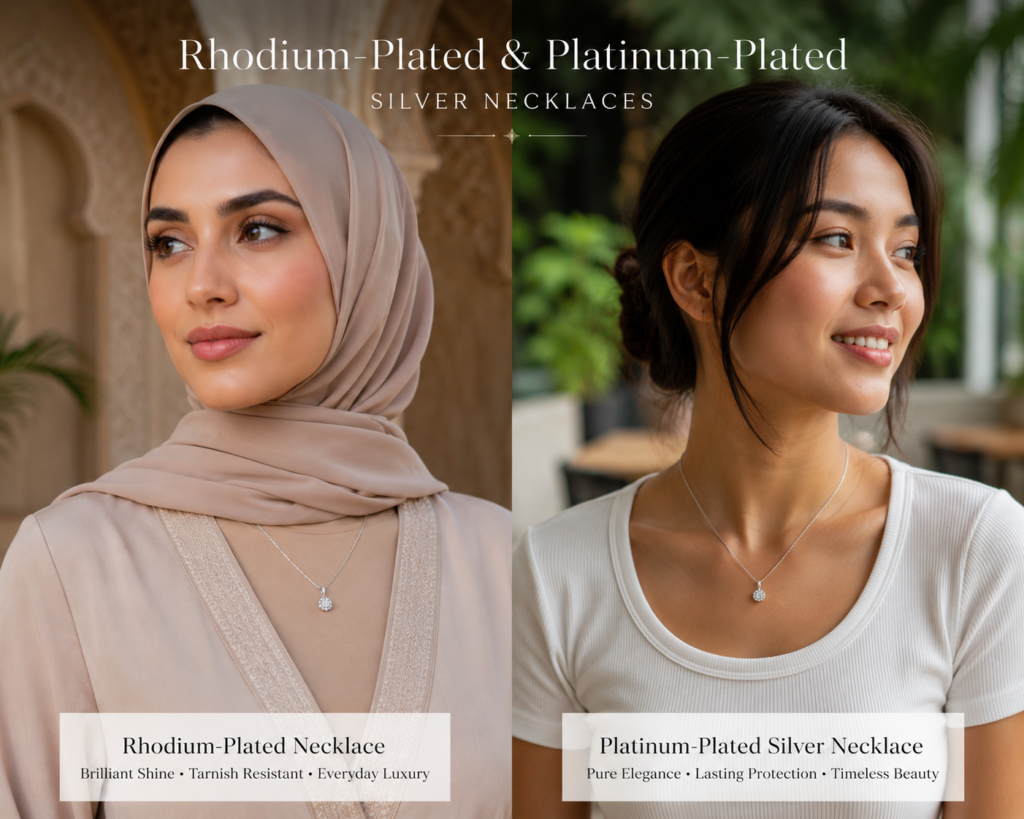
Some sterling silver necklaces are finished with rhodium or platinum-family plating to create a brighter surface and provide additional resistance to tarnishing. This outer finish can give silver a whiter, more polished appearance while reducing direct exposure to air, moisture, cosmetics, and other elements that encourage oxidation.
Plating does not make a silver necklace permanently maintenance-free. Over time, friction may thin the outer layer, particularly around the clasp, pendant loop, and areas that rest against the skin. Proper storage and gentle cleaning help preserve the finish for longer.
A plated silver necklace is particularly useful when you want:
- A bright white-metal appearance
- Reduced tarnishing compared with untreated silver
- A polished base for diamonds or moissanite
- An affordable alternative to white gold
- A lightweight necklace for everyday layering
Silver Necklaces for Minimalist Layering
Silver is one of the most adaptable metals for necklace layering. Its cool color creates a clean framework that allows different chain patterns, lengths, and pendants to sit together without making the neckline appear excessively ornate.
A balanced silver necklace stack may include:
- A fine choker or collar-length chain
- A mid-length pendant necklace
- A longer chain with a small medallion
- A subtle box, cable, rope, or snake chain
- One focal pendant rather than several competing charms
The key is variation. Layering necklaces of identical thickness and length can cause tangling and visual clutter. A stronger composition combines different chain weights and spacing while maintaining a consistent metal finish.
Silver also provides an effective base for a moissanite pendant. Its white tone supports the stone’s brightness without adding a competing color, making the gemstone the visual center of the piece.
Gold Necklace vs Silver Necklace
Choosing between a gold necklace and a silver necklace is not simply a matter of price. Each metal creates a different relationship with clothing, gemstones, skin tone, and personal style.
| Feature | Gold Necklace | Silver Necklace |
|---|---|---|
| Overall appearance | Warm, rich, and traditional | Cool, clean, and contemporary |
| Everyday durability | Strong in 14k form | Good in 925 sterling silver |
| Price level | Generally higher | More accessible |
| Gemstone pairing | Excellent with diamonds and colored stones | Excellent with moissanite and cool-toned stones |
| Maintenance | Depends on gold color and finish | May require tarnish care |
| Styling | Classic, polished, and luxurious | Minimalist, versatile, and easy to layer |
| Long-term value | Often stronger due to gold content | Primarily driven by craftsmanship and design |
Gold often suits buyers searching for a lasting fine-jewelry purchase, milestone gift, or investment-quality necklace. Silver is ideal for experimenting with trends, building a layered collection, or achieving a luxury-inspired look at a more accessible price.
Neither metal is automatically more stylish. The strongest choice is the one that supports the wearer’s habits, wardrobe, budget, and preferred visual tone.
How to Choose the Right Necklace Metal
Begin with the jewelry already worn most often. Someone who consistently wears a gold watch, warm-toned rings, or gold earrings may find that a yellow or rose gold necklace integrates naturally into the collection. A person drawn to silver watches, platinum rings, or cool minimalist accessories may prefer sterling silver or white gold.
Also consider the necklace’s intended use:
For everyday wear:
Choose a durable 14k gold necklace or a well-constructed sterling silver chain with a secure clasp.
For diamonds or moissanite:
White gold and rhodium-plated silver create a bright, continuous setting that supports the stone’s brilliance.
For warm, traditional styling:
Yellow gold brings richness to classic chains, lockets, pearls, and gemstone pendants.
For romantic or personalized jewelry:
Rose gold works beautifully with initials, engraved pendants, birthstones, and symbolic gifts.
For necklace layering:
Silver offers flexibility and affordability, while fine 14k gold chains create a more elevated long-term stack.
For milestone jewelry:
Solid 14k gold provides durability, intrinsic metal value, and a timeless sense of occasion.
Caring for Gold and Silver Necklaces
Even durable necklace metals benefit from careful handling. Perfume, body lotion, sweat, chlorine, cleaning chemicals, and repeated friction can gradually affect the surface finish.
To protect gold and silver necklaces:
- Apply perfume and cosmetics before putting on the necklace
- Remove necklaces before swimming, showering, or exercising
- Store each piece separately to prevent scratching and tangling
- Wipe the chain gently after wear
- Use cleaning methods suitable for the specific metal and gemstone
- Have fine chains, clasps, and stone settings checked periodically
Sterling silver should be stored in a dry environment, ideally in a tarnish-resistant pouch or closed jewelry box. White gold may occasionally require rhodium replating, while yellow and rose gold can often be professionally polished when surface scratches become noticeable.
Building a Necklace Collection Around Metal
A thoughtful necklace collection does not require every piece to be made from the same metal. It does, however, benefit from a clear foundation.
Start with a versatile chain in the metal worn most frequently. Add a pendant necklace for visual focus, followed by a second chain in a different length or texture. Once the core collection feels balanced, mixed-metal necklaces can introduce contrast without disrupting the overall style.
Gold and silver necklaces serve different aesthetic purposes, but both can become lasting wardrobe essentials. Gold brings warmth, heritage, and material richness. Silver offers clarity, adaptability, and contemporary restraint. The right necklace metal does more than hold a pendant—it establishes the mood, structure, and enduring character of the entire piece.
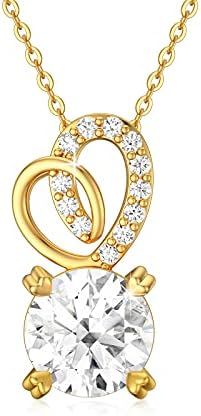


5. Royal Family Pieces: Jewelry with a Heritage
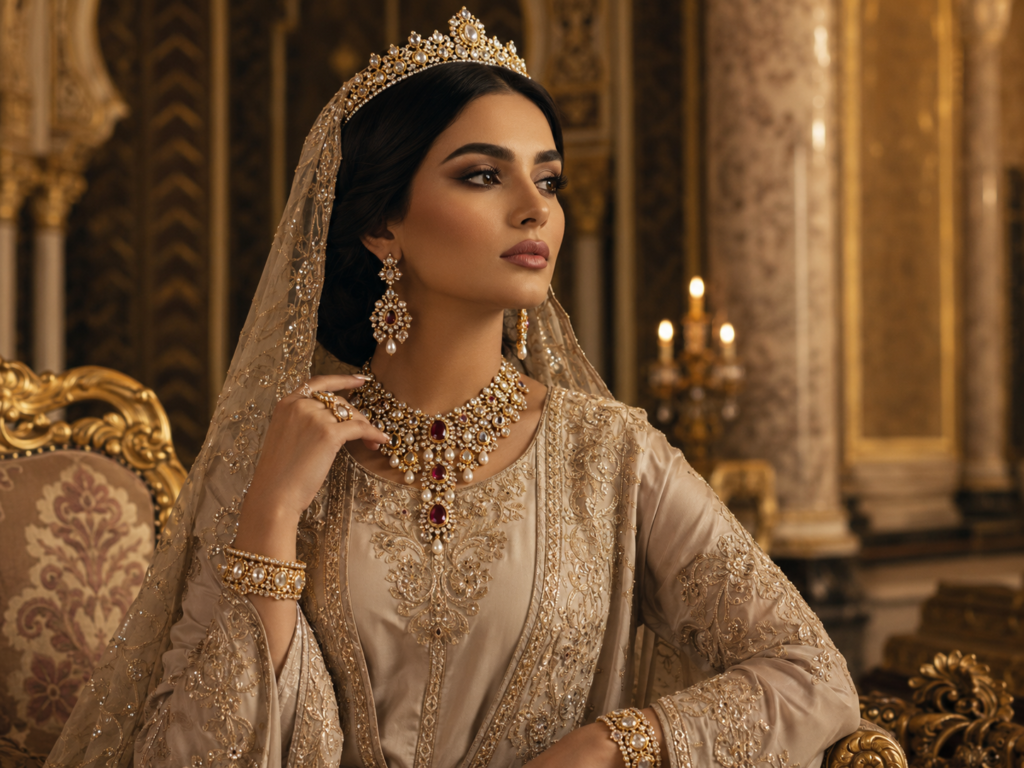
Royal jewelry has never existed only for decoration. Across generations, crowns, tiaras, ceremonial necklaces, brooches, and gemstone suites have represented continuity, family lineage, public identity, and the visual language of power.
The Royal Family Pieces collection at Schopping draws inspiration from that tradition. These designs reflect the symmetry, scale, gemstone placement, and architectural detail associated with historic court jewelry, while remaining suitable for modern wardrobes, formal events, weddings, anniversaries, and milestone occasions.
These are not presented as original royal artifacts or exact replicas of protected regalia. They are contemporary jewelry designs influenced by the elegance of ceremonial collections, palace archives, coronation ornaments, and aristocratic style.
What Defines Royal Family Jewelry?
Royal family jewelry is distinguished by more than size or sparkle. Its character comes from composition. Every visible element tends to support a larger design narrative, whether the piece is inspired by a crown, a tiara, a collar necklace, or a formal gemstone parure.
Common characteristics of royal-inspired jewelry include:
| Design Element | Royal-Inspired Effect |
|---|---|
| Symmetrical composition | Creates formality, order, and visual authority |
| Central gemstones | Establishes a commanding focal point |
| Graduated stone placement | Builds movement from delicate to dramatic |
| Floral and architectural motifs | References palace design, heraldry, and historic ornament |
| Repeated gemstone patterns | Produces ceremonial rhythm and balance |
| Intricate metalwork | Adds depth, craftsmanship, and old-world detail |
| High-set stones | Increases light exposure and visible brilliance |
| Necklace-to-tiara proportions | Gives the piece a structured, regal silhouette |
A royal-style necklace should feel composed rather than crowded. The design may be elaborate, but its details should appear intentional, balanced, and connected.
Tiara-Inspired Jewelry for Modern Wear
A traditional tiara is designed to frame the face, lift the eye upward, and create a sense of occasion. Tiara-inspired jewelry applies similar principles to necklaces, earrings, bracelets, and headpieces.
In necklace form, this influence may appear through:
- Pointed gemstone arrangements
- Fan-shaped diamond or moissanite settings
- Graduated peaks along the neckline
- Floral sprays and leaf motifs
- Scalloped metalwork
- Pear-cut and marquise-cut center stones
- Repeated arches inspired by crown architecture
These elements bring a recognizable regal quality without requiring the wearer to adopt a costume-like look. A refined tiara necklace can sit elegantly above a formal neckline, while smaller tiara-inspired pendants can introduce royal detail into evening or bridal jewelry.
The key is scale. Large, structured designs suit black-tie events, wedding receptions, galas, and ceremonial occasions. Smaller interpretations can be worn with tailored dresses, minimalist gowns, or even a sharply cut suit.
Coronation Necklaces and Ceremonial Design
Coronation necklaces are associated with grandeur, visual hierarchy, and formal symbolism. Their designs often place the most important gemstone at the center, supported by smaller stones that extend outward in carefully measured proportions.
A coronation-inspired necklace may feature:
- A large central pendant or drop
- Repeating diamond or moissanite clusters
- Emerald, ruby, sapphire, or pearl accents
- Ornamental links with crown-like geometry
- Graduated stones that follow the collarbone
- Detachable pendants for adaptable styling
- Matching earrings or bracelet components
The purpose of this structure is to direct attention toward the face and upper body. The necklace becomes part of the wearer’s posture, presence, and formal presentation.
Modern coronation-style necklaces can reinterpret this scale with lighter materials, simplified settings, and more wearable chain construction. This allows the piece to retain a ceremonial impression without feeling excessively heavy.
Heritage Jewelry with Meaning
Heritage jewelry is often valued because it appears connected to a story. That story may be familial, cultural, symbolic, or personal. A piece does not need to be antique to carry a sense of heritage; it can be chosen to mark a wedding, inheritance, anniversary, family achievement, or generational milestone.
Royal-inspired designs are especially suited to this purpose because their visual language already suggests continuity.
A heritage-style necklace may become:
- A wedding-day statement piece
- An anniversary gift
- A family keepsake
- A graduation or achievement gift
- A future heirloom
- A symbolic reminder of identity or lineage
- A piece passed from one generation to another
The strongest heirloom jewelry balances beauty with durability. Secure clasps, reinforced settings, quality metals, and repairable construction matter as much as the gemstones themselves.
A piece intended to become part of a family story should be selected not only for how it looks today, but for whether its design will still feel meaningful decades from now.
Gemstones Associated with Royal-Inspired Jewelry
Royal jewelry traditions frequently favor gemstones with strong color, rarity, symbolism, and visual presence. In modern royal-inspired collections, these stones can be used as central features or as accents around diamonds and moissanite.
Sapphire Royal Jewelry
Sapphires bring depth, formality, and a rich blue color that pairs beautifully with white gold, platinum-toned metal, diamonds, and pearls. A sapphire necklace can feel stately without becoming overly theatrical.
Deep blue sapphire is particularly effective in:
- Halo pendants
- Cluster necklaces
- Tiara-shaped settings
- Drop earrings
- Bridal jewelry
- Formal gemstone suites
Emerald Royal Jewelry
Emeralds create a distinctive connection with old-world luxury. Their saturated green color works well with yellow gold, white gold, and diamond surrounds.
Emerald-inspired royal pieces often feature:
- Rectangular or oval center stones
- Diamond borders
- Botanical metalwork
- Art Deco geometry
- Graduated necklace layouts
- Statement cocktail rings
Because emerald color is visually strong, even a relatively simple setting can create a regal impression.
Ruby Royal Jewelry
Ruby jewelry introduces warmth, drama, and ceremonial intensity. Red gemstones naturally command attention, making them suitable for central pendants, brooch-inspired necklaces, and formal earrings.
Ruby royal jewelry pairs particularly well with:
- Yellow gold
- Diamond halos
- Floral motifs
- Vintage-style settings
- Black, ivory, burgundy, or gold eveningwear
Diamond and Moissanite Royal Jewelry
Diamonds and moissanite are often used to create the brilliance associated with court jewelry and ceremonial necklaces. Their colorless appearance allows the structure of the design to become the focus.
A moissanite royal necklace can achieve a highly luminous effect while offering a more accessible alternative to large diamond compositions. White gold and sterling silver settings enhance the stone’s brightness, while yellow gold creates a warmer, more historic appearance.
Pearl Royal Jewelry
Pearls bring softness to the architectural structure of royal-inspired pieces. They are especially effective in tiara designs, drop earrings, collar necklaces, and multi-strand arrangements.
Pearl royal jewelry can appear:
- Aristocratic
- Bridal
- Classical
- Romantic
- Formal without excessive sparkle
White pearls create a traditional appearance, while black, golden, and South Sea pearls offer a more distinctive interpretation of regal jewelry.
Royal Necklaces as Statement Jewelry
A royal necklace is designed to command attention, but the most successful examples do not overwhelm the wearer. They frame the neckline, support the clothing, and establish one clear focal point.
Royal statement necklaces work best when the rest of the outfit provides visual space.
Consider pairing them with:
- Strapless or off-the-shoulder gowns
- Clean bateau necklines
- Structured evening dresses
- Minimalist monochrome clothing
- Tailored formalwear
- Bridal gowns with limited embellishment
- Velvet, silk, satin, or crepe fabrics
Highly decorated clothing can compete with an elaborate necklace. When the jewelry is intricate, cleaner garments allow the craftsmanship and stone arrangement to remain visible.
A balanced look usually gives one royal family piece the leading role. Matching earrings can be smaller, while bracelets and rings should reinforce rather than challenge the necklace.
Bridal Jewelry Inspired by Royal Families
Royal weddings have shaped bridal jewelry preferences for generations. Tiaras, pearl drops, diamond necklaces, sapphire accents, and ceremonial brooches continue to influence how brides approach formal jewelry.
Royal-inspired bridal jewelry is particularly suited to brides who want their wedding look to feel timeless, structured, and photographed with clarity.
Popular choices include:
- Tiara-inspired necklaces
- Diamond or moissanite tennis necklaces
- Pearl and crystal headpieces
- Sapphire pendants
- Drop earrings with pear-cut stones
- Floral gemstone motifs
- Vintage-inspired brooches
- Coordinated necklace and earring sets
The jewelry should work with the gown’s neckline and detailing. A heavily beaded bodice may require a simpler necklace, while a clean silk gown can support a more elaborate coronation-style piece.
The goal is not to copy a particular royal wedding. It is to borrow the visual discipline of royal bridal style: precise proportions, polished finishing, restrained color, and one memorable centerpiece.
Royal Family Jewelry for Formal Occasions
Royal-style jewelry is naturally suited to occasions that call for ceremony, elegance, or heightened presentation.
It can be worn for:
- Weddings
- Engagement celebrations
- Black-tie dinners
- Formal receptions
- Anniversary events
- Cultural ceremonies
- Award evenings
- Holiday galas
- Family portraits
- Milestone birthdays
The piece should reflect the event’s formality. A full collar necklace may suit an evening gala, while a sapphire halo pendant can bring royal influence to a sophisticated dinner or daytime celebration.
Smaller royal-inspired designs are also useful beyond formalwear. A crown pendant, pearl drop necklace, or gemstone cluster can introduce heritage styling into a more restrained wardrobe.
Vintage Royal Jewelry and Antique Influence
Many royal family pieces draw from multiple periods rather than one single historical style. This creates a layered design vocabulary that may combine Victorian ornament, Georgian gemstone arrangements, Edwardian delicacy, Art Deco geometry, and mid-century formality.
Victorian-Inspired Royal Jewelry
Victorian-style designs often include:
- Lockets
- Floral engraving
- Dark gemstones
- Cameo-inspired motifs
- Sentimental symbols
- Yellow gold and rose gold tones
Edwardian-Inspired Royal Jewelry
Edwardian influence tends to feel lighter and more intricate, with:
- Lace-like metalwork
- Platinum-toned finishes
- Pearls
- Diamond garlands
- Bow and ribbon motifs
- Delicate drop necklaces
Art Deco Royal Jewelry
Art Deco royal pieces emphasize structure and contrast through:
- Geometric symmetry
- Emerald-cut stones
- Black and white combinations
- Linear necklaces
- Architectural pendants
- Repeating diamond patterns
These period influences allow modern buyers to choose the type of heritage aesthetic that feels most natural to them.
The Role of Craftsmanship in Royal-Inspired Jewelry
Elaborate jewelry requires more than attractive gemstones. The construction must support the design from every angle.
Important craftsmanship details include:
- Secure prongs around central stones
- Smooth articulation between necklace sections
- Reinforced joining points
- Balanced gemstone weight
- Comfortable backing against the skin
- Well-finished edges
- Reliable clasps with safety mechanisms
- Flexible construction that follows the neckline
A large necklace that does not sit correctly can twist, pull, or create uneven pressure. Good construction allows a dramatic piece to appear graceful rather than rigid.
For tiara-inspired and coronation-style designs, articulation is particularly important. Each section should move enough to follow the body while still preserving the intended shape.
Choosing a Royal-Inspired Necklace
When selecting a royal family necklace, begin with the intended occasion and the level of visual impact you want.
For Maximum Ceremony
Choose a graduated collar necklace, large center stone, or multi-row gemstone design. These pieces suit formal gowns, wedding receptions, and black-tie settings.
For Refined Royal Style
Select a sapphire pendant, pearl drop necklace, diamond cluster, or smaller tiara-shaped arrangement. These designs offer royal influence with greater versatility.
For Bridal Wear
Match the necklace to the gown’s neckline and embellishment. White gold, silver, diamonds, moissanite, pearls, and pale gemstones often integrate smoothly with bridal fabrics.
For a Future Heirloom
Prioritize durable metals, timeless gemstone cuts, secure construction, and a design that is not dependent on a temporary trend.
For Gift Giving
Royal-inspired jewelry is particularly suitable for anniversaries, milestone birthdays, engagements, weddings, and family celebrations because it naturally carries symbolic weight.
Caring for Heritage and Royal-Style Jewelry
Royal-inspired jewelry often includes multiple stones, decorative links, raised settings, and detailed metalwork. These features require careful handling.
To protect the piece:
- Store it separately from other jewelry
- Lay large necklaces flat rather than hanging them
- Avoid pulling articulated sections
- Keep perfume, hairspray, and lotion away from gemstones
- Clean intricate areas with a soft brush when appropriate
- Use a professional jeweler for deep cleaning
- Inspect prongs and clasps before important occasions
- Keep documentation for valuable materials and repairs
Pearls, emeralds, and plated metals may require gentler care than diamonds, sapphires, or solid gold. Cleaning should always be based on the most delicate material in the piece.
Royal Jewelry as Personal Legacy
Royal family jewelry is compelling because it connects personal adornment with a larger idea of continuity. It suggests that jewelry can carry memory, ceremony, and identity, not merely fashion.
A royal-inspired necklace may be chosen for one evening, but its meaning can extend far beyond that occasion. It can become associated with a wedding photograph, a family celebration, a personal achievement, or the person who eventually inherits it.
The Royal Family Pieces collection at Schopping interprets this heritage through contemporary jewelry. Tiara-inspired necklaces, coronation-style designs, gemstone statements, pearl pieces, and heirloom-minded accessories bring the visual language of royalty into modern life.
The result is jewelry that does not simply appear luxurious. It feels connected to history, occasion, and personal legacy.
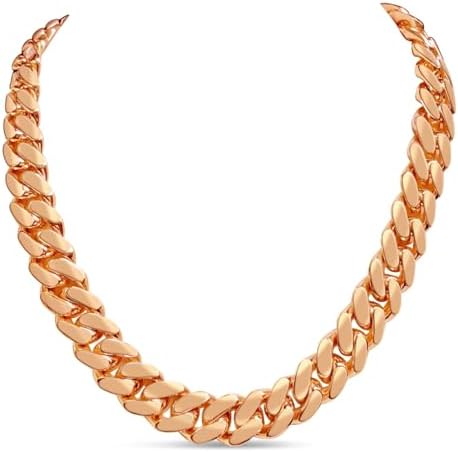


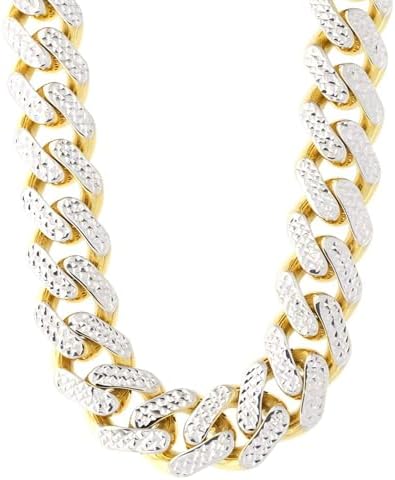


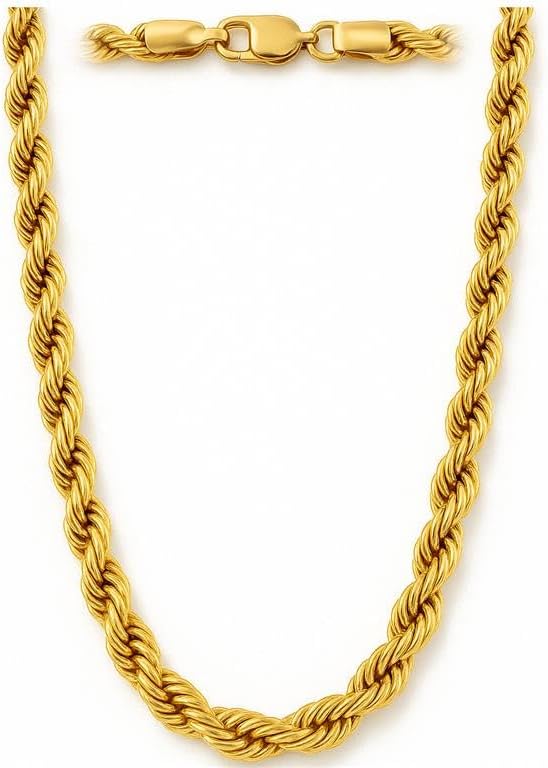

6. Budget-Friendly Necklaces: Luxury Within Reach
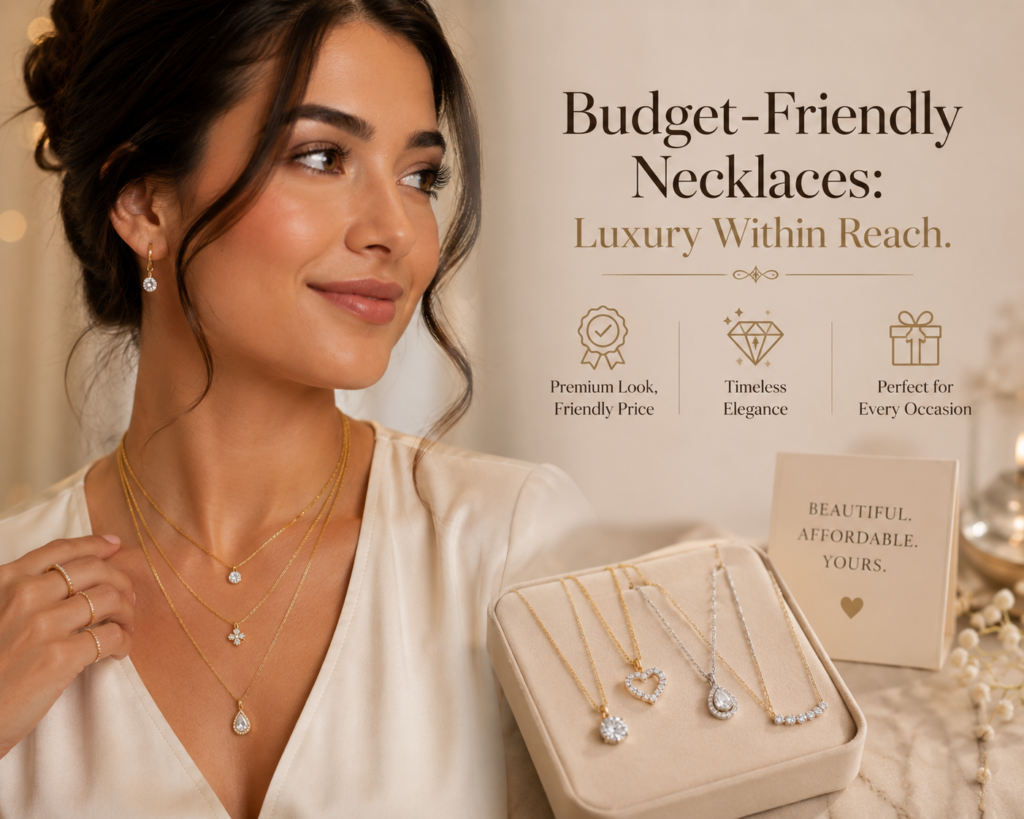
A beautiful necklace does not need an excessive price tag to look refined. Modern jewelry design has made it possible to achieve the brilliance, proportion, and polished finish associated with fine jewelry through thoughtful materials, precise construction, and intelligent stone selection.
At Schopping, budget-friendly necklaces are chosen for their ability to deliver visual impact without unnecessary cost. Rather than relying on oversized branding or inflated pricing, these pieces focus on the details that make jewelry appear luxurious: balanced settings, clean metalwork, secure clasps, carefully cut stones, and finishes that reflect light evenly.
Affordable jewelry should not look disposable. The best affordable luxury necklaces are designed to become reliable parts of a wardrobe, suitable for everyday dressing, special occasions, gifting, layering, and formal styling.
What Makes a Necklace Look Expensive?
Price alone does not determine how luxurious a necklace appears. A relatively affordable piece can look sophisticated when its scale, materials, setting, and styling are handled correctly.
| Luxury Detail | Why It Matters |
|---|---|
| Balanced proportions | Prevents the pendant or chain from appearing awkward or oversized |
| Precise stone setting | Keeps gemstones aligned and allows them to catch light cleanly |
| Refined metal finish | Creates a smooth, polished surface without visible roughness |
| Secure clasp | Improves durability and makes the piece feel better constructed |
| Realistic stone size | Often looks more believable and elegant than excessive scale |
| Clean design | Allows the materials and silhouette to remain the focus |
| Comfortable weight | Helps the necklace sit correctly against the neckline |
A budget necklace looks most convincing when every part of the design feels intentional. A delicate moissanite pendant in a well-finished setting can appear more elegant than a larger piece with poor proportions or uneven construction.
Affordable Luxury Necklaces Without the Excess
The term affordable luxury necklace refers to more than a lower price. It describes jewelry that preserves the visual codes of luxury while using materials that make the piece more accessible.
These necklaces may feature:
- 925 sterling silver
- Rhodium-plated silver
- Gold-plated sterling silver
- Gold vermeil
- Moissanite
- Lab-grown diamonds
- Lab-created sapphires, rubies, or emeralds
- High-quality cubic zirconia
- Freshwater pearls
- Precision-cut crystals
Each option creates a different balance of price, durability, brilliance, and maintenance. The best choice depends on whether the necklace is intended for daily wear, occasional use, gifting, travel, or formal events.
Affordable luxury works best when the design is transparent about its materials. A well-made sterling silver and moissanite necklace can be a strong purchase in its own category without needing to imitate or misrepresent mined diamond jewelry.
Sterling Silver Necklaces: The Foundation of Affordable Luxury
A sterling silver necklace is one of the most effective foundations for budget-friendly fine-style jewelry. Sterling silver contains 92.5% pure silver, with the remaining alloy added to improve strength and durability.
Its cool white tone pairs naturally with colorless stones, pearls, and cool-toned gemstones. It can also be polished, plated, engraved, textured, and shaped into both delicate and substantial necklace designs.
Sterling silver works particularly well for:
- Solitaire pendant necklaces
- Moissanite necklaces
- Layered chains
- Initial necklaces
- Birthstone jewelry
- Tennis necklaces
- Pearl pendants
- Minimalist bar necklaces
- Bridal accessories
- Everyday gifting
Compared with solid gold, silver allows more of the budget to be directed toward stone size, design detail, or chain construction. This makes it possible to create a visually substantial necklace at a more accessible price.
Rhodium-Plated Silver Necklaces
Many affordable silver necklaces are coated with rhodium to create a brighter white finish and provide additional resistance to tarnishing.
A rhodium-plated silver necklace can resemble the cool appearance of white gold or platinum-toned jewelry, particularly when paired with moissanite or lab-grown stones.
The plating may help:
- Increase surface brightness
- Reduce direct oxidation
- Improve resistance to light scratching
- Enhance colorless stones
- Create a more polished visual finish
Rhodium plating is not permanent. Friction, perfume, body oils, and regular wear can gradually reduce the coating, especially around clasps and pendant loops. Careful storage and occasional professional replating can help maintain the appearance.
Gold-Plated and Gold Vermeil Necklaces
For buyers who prefer a warm metal tone, gold-plated necklaces and gold vermeil necklaces offer the appearance of gold at a lower price than solid 14k or 18k jewelry.
Gold plating applies a layer of gold over a base metal. Gold vermeil generally uses sterling silver as the base and a thicker gold coating than standard fashion-jewelry plating, although exact legal standards vary by market.
These options are attractive for:
- Trend-led necklace styles
- Layering chains
- Occasion jewelry
- Personalized pendants
- Gifts at accessible price points
- Buyers exploring yellow or rose gold tones
The durability of a plated necklace depends on the thickness of the coating, the quality of the base metal, and how often the piece is worn. Buyers who want a necklace for occasional events may find plating highly practical, while those seeking constant daily wear may prefer solid gold or unplated sterling silver.
Moissanite Necklaces: Maximum Brilliance for the Budget
A moissanite necklace offers strong brilliance, visual clarity, and impressive sparkle without the cost associated with a comparable mined diamond.
Moissanite is a lab-created gemstone made from silicon carbide. Its optical properties allow it to reflect light intensely, often producing more rainbow-colored fire than a diamond. This makes it especially effective in pendants, halo settings, tennis necklaces, and formal statement pieces.
Popular moissanite necklace styles include:
- Solitaire moissanite pendants
- Halo necklaces
- Moissanite tennis necklaces
- Heart-shaped pendants
- Pear-cut drop necklaces
- Emerald-cut pendants
- Initial necklaces
- Cross necklaces
- Bridal necklaces
- Graduated statement designs
Moissanite works particularly well in white metals because sterling silver and white gold allow the stone’s brilliance to remain visually uninterrupted. Yellow gold creates a warmer, more traditional contrast.
Why Moissanite Looks Luxurious
Moissanite can create a high-jewelry impression when the stone size, cut, and setting are chosen with restraint.
Its luxury effect comes from:
- High brilliance
- Strong fire
- Consistent clarity
- Precise lab cutting
- Availability in multiple shapes
- Compatibility with fine-jewelry settings
- Lower cost per carat-equivalent appearance
The most convincing moissanite necklaces avoid unnecessary excess. A well-proportioned one-carat-equivalent pendant may look more polished and believable than an extremely large stone placed in a lightweight setting.
The chain also matters. A bright stone on a thin, poorly constructed chain can make the entire piece feel unbalanced. A secure box, cable, or wheat chain often provides better visual and structural support.
Lab-Grown Diamond Necklaces
A lab-grown diamond necklace provides the material properties of diamond while typically offering a lower price than a comparable mined diamond necklace.
Lab-grown diamonds are created under controlled conditions that reproduce the processes through which diamonds form. They share the same crystal structure and are graded using the familiar characteristics of cut, color, clarity, and carat weight.
They are suitable for buyers who want:
- A genuine diamond necklace
- Greater stone size within a fixed budget
- Modern sourcing options
- Fine-jewelry settings
- Bridal or anniversary gifts
- Classic solitaire designs
- Diamond tennis necklaces
The final price still depends on stone quality, setting, metal, certification, and brand positioning. Lab-grown does not automatically mean inexpensive, but it can provide more flexibility in balancing stone size and quality.
Moissanite vs Lab-Grown Diamond Necklaces
Moissanite and lab-grown diamonds are both popular choices for affordable fine-style jewelry, but they are not the same material.
| Feature | Moissanite Necklace | Lab-Grown Diamond Necklace |
|---|---|---|
| Material | Lab-created silicon carbide | Lab-created diamond |
| Brilliance | Very high, with colorful fire | Bright, with more diamond-like white sparkle |
| Price | Usually more accessible | Usually more expensive than moissanite |
| Durability | Highly suitable for regular wear | Extremely durable |
| Best for | Maximum visual impact on a budget | Buyers who specifically want diamond |
| Typical styles | Pendants, halos, tennis necklaces | Solitaires, tennis necklaces, bridal jewelry |
Choose moissanite when sparkle and size are the priority. Choose a lab-grown diamond when material identity, diamond grading, and traditional fine-jewelry value matter more.
Lab-Created Gemstone Necklaces
Color is another way to create a luxurious effect without relying on a large budget. Lab-created gemstone necklaces can reproduce the appearance of sapphires, rubies, emeralds, and other stones with greater consistency and fewer visible inclusions than many natural alternatives at the same price.
These gemstones are effective in:
- Royal-inspired necklaces
- Birthstone pendants
- Vintage-style halos
- Floral designs
- Bridal jewelry
- Anniversary gifts
- Statement pieces
A deep blue lab-created sapphire surrounded by moissanite can appear formal and regal. A red lab-created ruby in yellow gold plating can create a warm heritage aesthetic. Green stones pair beautifully with Art Deco, botanical, and palace-inspired designs.
The setting should still be judged carefully. A strong stone cannot compensate for weak prongs, rough finishing, or a chain that is too delicate for the pendant.
Cubic Zirconia Necklaces: Accessible Sparkle
High-quality cubic zirconia remains one of the most accessible options for bright, decorative jewelry. It is especially suitable for buyers seeking fashionable event jewelry, bridal accessories, travel pieces, or statement necklaces intended for occasional wear.
A cubic zirconia necklace can look refined when:
- The stones are cut evenly
- The setting is not excessively large
- The metal finish is smooth
- The stone arrangement follows the neckline
- The necklace is kept clean
- The design avoids visual clutter
Cubic zirconia is softer and may lose some brilliance with heavy wear or surface buildup, so it generally requires more careful maintenance than diamond or moissanite.
Its strength lies in affordability. It allows buyers to experiment with dramatic tennis necklaces, chandelier-style pendants, and formal jewelry without committing to a fine-jewelry price.
Freshwater Pearl Necklaces for Affordable Elegance
A freshwater pearl necklace offers softness, texture, and classic style at a more approachable price than many South Sea or premium Akoya pearl designs.
Freshwater pearls are available in round, near-round, oval, baroque, and irregular forms. Their natural variation can give the necklace an individual character rather than making it look less luxurious.
Affordable pearl necklaces may include:
- Single-strand pearl necklaces
- Pearl pendants
- Station necklaces
- Pearl and silver chains
- Baroque pearl necklaces
- Layered pearl designs
- Bridal pearl necklaces
- Pearl chokers
Luster is more important than perfect roundness. A pearl with a bright, reflective surface will usually appear more luxurious than a dull pearl with technically symmetrical proportions.
Budget-Friendly Tennis Necklaces
The tennis necklace has become one of the most recognizable luxury jewelry silhouettes. Its continuous line of stones creates brilliance across the neckline, but natural diamond versions can be expensive.
Affordable interpretations may use:
- Moissanite
- Lab-grown diamonds
- Cubic zirconia
- Crystal
- Sterling silver settings
- Gold vermeil
- Rhodium-plated metal
A budget tennis necklace should be assessed for flexibility, stone alignment, clasp security, and how evenly it sits around the neck.
The stones should form a continuous visual line without twisting outward. The setting should bend naturally enough to follow the collarbone while remaining structured.
For a refined appearance, choose a stone size that suits the occasion. Fine, narrow tennis necklaces work well for layering and evening wear, while larger versions are better treated as the main statement piece.
Affordable Pendant Necklaces
A pendant is often the easiest way to introduce a luxury effect into an everyday wardrobe. It creates one clear focal point and requires fewer stones than a full tennis or collar necklace.
Popular affordable pendant necklaces include:
- Moissanite solitaire pendants
- Lab-grown diamond pendants
- Pearl drops
- Initial necklaces
- Zodiac pendants
- Birthstone necklaces
- Lockets
- Heart necklaces
- Cross pendants
- Geometric designs
The best pendant necklaces balance the dimensions of the charm with the thickness of the chain. A heavier pendant needs a stronger chain, while a small solitaire often looks best on a fine but secure link.
Pendant placement also affects the result. Shorter lengths draw attention to the collarbone, while longer chains create a more relaxed and elongating line.
Affordable Necklaces for Everyday Wear
Daily jewelry needs to be more than visually attractive. It should be comfortable, easy to style, and durable enough to handle repeated use.
For an everyday affordable necklace, look for:
- A secure spring-ring or lobster clasp
- Smooth edges
- A manageable pendant size
- A chain that does not kink easily
- Tarnish-resistant finishing
- Stones set low enough to avoid snagging
- A length compatible with common necklines
Sterling silver, moissanite, lab-grown diamonds, and simple gold vermeil designs are particularly useful for everyday wear.
Very delicate plated chains may require more care, while larger statement pieces may be better reserved for occasional use.
Budget Necklaces for Weddings and Formal Events
A wedding or formal event often calls for jewelry with greater brilliance, but the necklace does not need to become one of the largest expenses.
Affordable bridal necklaces can create a polished effect through:
- Moissanite tennis necklaces
- Pearl pendants
- Cubic zirconia collars
- Lab-created sapphire accents
- Sterling silver halos
- Art Deco designs
- Floral stone arrangements
- Delicate drop necklaces
The neckline of the dress should guide the selection. A strapless gown can support a more structured necklace, while a heavily embellished bodice may look better with a small pendant or no necklace at all.
Affordable formal jewelry often performs best when it is selected for the complete outfit rather than judged in isolation.
Affordable Necklaces That Make Thoughtful Gifts
Necklaces are practical gifts because they do not require precise sizing in the way rings do. A carefully chosen budget-friendly necklace gift can still feel personal, symbolic, and visually substantial.
Popular affordable gift options include:
- Initial pendants
- Birthstone necklaces
- Heart necklaces
- Moissanite solitaires
- Pearl pendants
- Engraved lockets
- Zodiac necklaces
- Religious symbols
- Infinity necklaces
- Matching necklace and earring sets
For birthdays, anniversaries, graduations, bridesmaid gifts, or holidays, presentation can strengthen the luxury impression. A proper jewelry box, protective pouch, care card, and clear material description add value without artificially inflating the cost.
How to Identify a Well-Made Affordable Necklace
Not all budget jewelry offers the same quality. Product images may emphasize the stones while hiding details such as the clasp, reverse setting, chain thickness, or plating quality.
Before choosing a necklace, examine:
Metal Information
The product description should identify whether the necklace is sterling silver, plated brass, stainless steel, vermeil, or solid gold. Terms such as “gold color” do not indicate actual gold content.
Stone Information
Check whether the piece uses moissanite, lab-grown diamond, cubic zirconia, crystal, or a lab-created colored gemstone. These materials have different properties and should not be treated as interchangeable.
Chain Construction
Look for a chain that matches the pendant’s weight. Extremely thin links may be unsuitable for a large stone.
Clasp Quality
A lobster clasp generally feels secure for daily use. Tennis necklaces and heavier designs may benefit from box clasps with safety catches.
Setting Quality
Prongs should appear even and smooth. Stones should sit securely without visible tilting or gaps.
Reviews and Close-Up Images
Customer photographs can reveal how the necklace sits on the body, whether the metal tone appears realistic, and whether the stone size matches the listing.
Styling Budget-Friendly Necklaces to Look More Luxurious
Styling can significantly influence how an affordable necklace is perceived. The aim is not to disguise the material, but to present the piece with clarity and intention.
To create a polished result:
- Wear one dominant necklace rather than several competing pieces
- Match the necklace scale to the neckline
- Keep the metal finish consistent across earrings and rings
- Pair bright stones with clean, neutral clothing
- Avoid overcrowding an ornate neckline
- Use different lengths when layering
- Keep the necklace clean and free from cosmetic buildup
- Choose believable stone proportions
A simple black dress, white shirt, tailored blazer, silk blouse, or monochrome knit can provide an effective background for affordable jewelry.
Luxury is often communicated through restraint. A small moissanite pendant worn with precise tailoring can look more elevated than multiple large pieces worn without balance.
How to Care for Affordable Necklaces
Budget-friendly necklaces can remain attractive for longer when they are handled according to their material.
General care includes:
- Apply perfume, hairspray, and lotion before wearing jewelry
- Remove necklaces before swimming or showering
- Avoid cleaning products and household chemicals
- Store each necklace separately
- Fasten the clasp before storage to reduce tangling
- Wipe the surface with a soft cloth after wear
- Use cleaning methods appropriate to the stone and metal
- Avoid abrasive polishing on plated pieces
Sterling silver may tarnish but can often be restored with proper cleaning. Plated jewelry should be wiped gently rather than aggressively polished. Pearls should be kept away from harsh chemicals, while stone settings should be checked periodically for movement.
Building an Affordable Necklace Collection
A versatile collection can be built gradually without sacrificing style.
Begin with three foundational pieces:
- A simple everyday chain or pendant
- A brighter occasion necklace
- A textured or layered piece for styling variety
From there, add designs that support specific needs, such as a pearl necklace for formal wear, a moissanite pendant for gifting, or a tennis necklace for evening events.
It is often better to own several carefully selected necklaces with different purposes than many near-identical pieces that do not integrate with the wardrobe.
A strong affordable collection may include:
- One sterling silver pendant
- One warm gold-tone necklace
- One pearl design
- One moissanite or lab-grown stone necklace
- One layering chain
- One statement piece
Luxury Is in the Selection
Budget-friendly necklaces prove that elegance is not reserved for the highest price tier. Sterling silver, moissanite, lab-grown stones, freshwater pearls, and carefully applied finishes can create jewelry that feels polished, contemporary, and suitable for meaningful occasions.
The difference lies in selection. A necklace should be judged by its proportions, materials, construction, finish, and how naturally it fits the wearer’s life.
Schopping’s approach to affordable luxury necklaces is built around that principle: accessible pieces should still feel considered. They should sit correctly, catch light beautifully, complement the wardrobe, and provide lasting enjoyment beyond the first wear.
Luxury within reach is not about pretending an affordable necklace is something it is not. It is about recognizing that thoughtful design, honest materials, and refined styling can create beauty at many price levels.


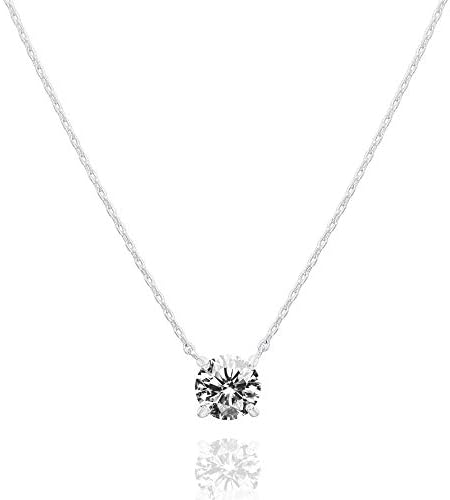


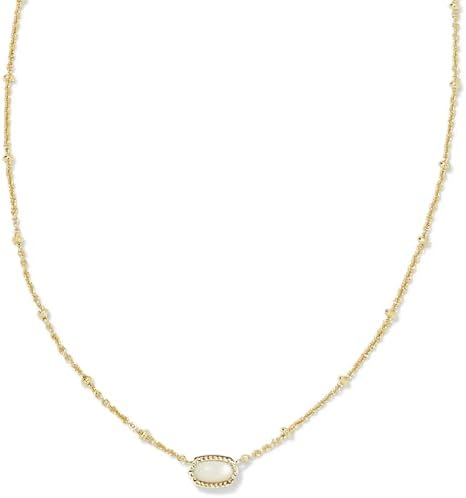

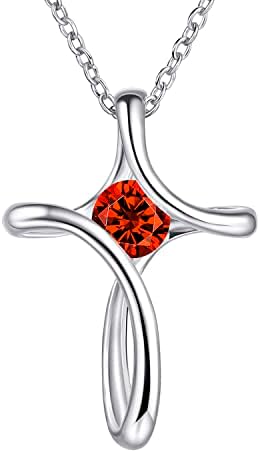

Necklace Comparison Guide: Finding Your Perfect Match
Choosing the right necklace involves more than selecting the brightest gemstone or the most expensive metal. The best necklace for you should suit your wardrobe, lifestyle, comfort preferences, budget, and expectations for long-term wear.
A diamond necklace may be the natural choice for an heirloom purchase, while a moissanite tennis necklace can provide greater visual impact at a more accessible price. Pearls offer a softer expression of luxury, black diamonds create a darker contemporary look, and simple gold or silver necklaces provide the versatility needed for everyday styling.
This necklace comparison guide examines the most important differences between popular necklace materials, including brilliance, durability, price, maintenance, and ideal use.
The Mohs scale measures resistance to scratching, not the overall strength of an entire necklace. Chain construction, clasp quality, stone settings, metal thickness, plating, and daily handling all influence how well a necklace performs over time.
A diamond may resist scratching extremely well, for example, but a delicate chain can still stretch or break. Similarly, pearls are relatively soft, yet a properly maintained pearl necklace can remain beautiful for generations.
Diamond Necklace vs Moissanite Necklace
The comparison between a diamond necklace and moissanite necklace often begins with appearance, but the two options differ in price, optical character, tradition, and purchasing priorities.
Diamonds produce a combination of brilliance, contrast, and white-light reflection that has shaped conventional fine-jewelry design for generations. A natural diamond necklace may also carry associations with rarity, inheritance, celebration, and traditional luxury.
Moissanite reflects light differently. It has a higher refractive index and usually produces more visible spectral fire, meaning flashes of color may appear as the stone moves under direct lighting. This quality can make a moissanite tennis necklace look exceptionally bright in photographs, evening settings, and formal environments.
Choose a diamond necklace when:
- The necklace is intended as an heirloom or milestone gift
- Traditional fine-jewelry symbolism is important
- You prefer restrained white-light brilliance
- Natural rarity or diamond identity influences the purchase
- You want a classic solitaire, rivière, or tennis necklace
Choose a moissanite necklace when:
- Maximum brilliance is the main priority
- You want a larger visual presence for the budget
- The necklace will be worn for weddings, parties, or formal events
- You prefer lab-created gemstones
- You want the appearance of a substantial stone arrangement without diamond-level pricing
Moissanite should not be presented as a diamond. It is a distinct gemstone with its own optical properties and value proposition. Its strength lies in delivering intense brilliance, strong durability, and design flexibility at an accessible price.
Natural Diamond vs Lab-Grown Diamond Necklaces
Buyers comparing diamond jewelry should also distinguish between natural and lab-grown diamonds.
A lab-grown diamond necklace contains genuine diamonds created in a controlled environment rather than extracted from the earth. Lab-grown diamonds share the essential crystal and optical properties of natural diamonds, although their market pricing and resale dynamics may differ.
Natural diamond necklaces often appeal to buyers who prioritize geological origin, traditional rarity, and established heirloom conventions. Lab-grown diamond necklaces may allow the buyer to select a larger or higher-grade stone while staying within a defined budget.
Neither option should be chosen on visual appearance alone. Cut quality has a major influence on brilliance, while setting construction, chain strength, and stone matching become especially important in tennis necklaces containing many individual diamonds.
Moissanite Tennis Necklace vs Diamond Tennis Necklace
A diamond tennis necklace remains one of the most recognizable forms of fine jewelry. Its continuous line of stones creates an uninterrupted band of brilliance around the neckline.
A moissanite tennis necklace uses the same general design principle but produces a more fiery optical effect at a lower price. This makes moissanite particularly attractive for red-carpet-inspired styling, bridal events, evening wardrobes, and buyers who prefer a visibly substantial necklace.
When comparing the two, examine:
- Stone consistency across the full necklace
- Flexibility between individual settings
- Clasp construction and safety catches
- Metal type and plating
- Total necklace weight
- Whether the stones turn outward during wear
- The balance between stone size and neckline coverage
A tennis necklace should follow the curve of the neck without twisting. Even expensive stones cannot compensate for poor articulation or an insecure clasp.
For everyday wear, a narrower tennis necklace often offers greater versatility. Larger stones create stronger impact but usually require simpler clothing and more deliberate occasion styling.
Black Diamond Necklace vs Traditional Diamond Necklace
A black diamond necklace creates a very different visual effect from a conventional white diamond necklace.
White diamonds are valued for transparency, brilliance, and light return. Black diamonds are usually opaque or nearly opaque, giving them a denser and more graphic appearance. Their appeal comes from contrast, surface luster, and unconventional character rather than rainbow sparkle.
Black diamond necklaces work particularly well with:
- Black, charcoal, white, burgundy, or metallic clothing
- White gold and blackened-metal settings
- Minimalist eveningwear
- Gothic or architectural fashion
- Mixed black-and-white diamond designs
- Modern menswear and gender-neutral jewelry
A black diamond necklace can appear dramatic without relying on oversized proportions. Even a fine black diamond pendant can create a strong focal point when worn against white silk, pale knitwear, or an open neckline.
Some black diamonds are treated to create a more uniform color, so buyers should review material disclosures and care guidance before purchasing.
Pearl Necklace vs Diamond Necklace
Comparing a pearl necklace and diamond necklace is less about determining which is more luxurious and more about deciding what kind of luxury you want to express.
Diamonds communicate brilliance, precision, and visual intensity. Pearls create softness through luster, surface depth, and organic form.
A diamond necklace works naturally for evening events, milestone celebrations, formal gowns, and highly polished styling. A pearl necklace moves more easily between professional, bridal, daytime, heritage, and quiet-luxury wardrobes.
Pearls are especially effective with:
- Tailored jackets
- Silk blouses
- Cashmere knitwear
- Boat-neck dresses
- Minimalist bridal gowns
- Neutral clothing
- Gold or pearl earrings
The quality of a pearl necklace should be evaluated through luster, surface condition, shape, size consistency, color, matching, knotting, and clasp construction.
Perfect roundness is not the only marker of beauty. Baroque and irregular pearls can feel artistic and highly individual, while classic round pearls produce a more formal and symmetrical appearance.
Because pearls are softer than faceted gemstones, they should be stored and cleaned with greater care.
14k Gold Necklace vs Silver Necklace
The gold vs silver necklace comparison affects more than color. Metal choice influences price, weight, maintenance, durability, wardrobe coordination, and how the necklace interacts with pendants and gemstones.
A 14k gold necklace offers the richness of genuine gold with greater everyday durability than high-purity 22k or 24k gold. It is available in yellow gold, white gold, and rose gold, allowing buyers to choose between warm, bright, and romantic tones.
A sterling silver necklace provides a cooler finish at a more accessible price. It is especially effective for minimalist chains, moissanite pendants, fashion necklaces, and layered looks.
Choose 14k gold when:
- The necklace will be worn frequently
- Long-term material value matters
- The piece is intended as a meaningful gift
- You want a durable base for diamonds or gemstones
- You are building a lasting fine-jewelry collection
Choose sterling silver when:
- Budget flexibility is important
- You prefer a bright white-metal appearance
- You enjoy changing necklace styles regularly
- You want several chains for layering
- The piece will support a moissanite, crystal, or lab-created gemstone
Gold is not automatically suitable for every sensitive wearer. White gold and some yellow gold alloys may contain nickel or other alloy metals. Anyone with known metal sensitivities should review the exact composition rather than relying only on the karat mark.
Sterling silver can also cause reactions in some wearers depending on its alloy composition, plating, and surface condition.
Yellow Gold, White Gold, or Rose Gold Necklace?
After deciding on gold, the next choice is color.
Yellow Gold Necklaces
Yellow gold offers the most traditional gold appearance. It pairs naturally with pearls, diamonds, emeralds, rubies, coin pendants, lockets, and vintage-inspired jewelry.
It is particularly effective with warm neutrals, cream, brown, black, olive, navy, and rich jewel tones.
White Gold Necklaces
White gold creates a clean setting for diamonds and moissanite. It is frequently coated with rhodium to produce a brighter white finish.
White gold complements cool wardrobes, monochrome tailoring, bridal gowns, and contemporary geometric jewelry. Rhodium plating may wear gradually and can require professional renewal.
Rose Gold Necklaces
Rose gold introduces a soft pink tone created through the metal alloy. It works well with diamonds, morganite-style stones, personalized pendants, romantic jewelry, and pale neutral clothing.
Rose gold can also act as a bridge in mixed-metal styling because it carries both warm gold character and a softer contemporary finish.
Which Necklace Is Best for Everyday Wear?
The best everyday necklace should be comfortable, structurally reliable, and easy to coordinate with several outfits.
Strong everyday options include:
- A 14k gold cable or box chain
- A small diamond or moissanite solitaire pendant
- A rhodium-plated sterling silver necklace
- A short pearl pendant rather than a full strand
- A fine black diamond station necklace
- A minimalist bar or initial necklace
Very large tennis necklaces and delicate pearl strands may be better reserved for controlled wear, depending on their construction.
For a daily necklace, pay particular attention to the clasp. Lobster clasps are commonly chosen for secure everyday use, while larger necklaces may benefit from box clasps with additional safety mechanisms.
The chain should also match the weight of the pendant. A heavy gemstone on an extremely fine chain may pull, distort the links, or increase the risk of breakage.
Which Necklace Offers the Best Value?
Value depends on what the buyer expects the necklace to deliver.
A moissanite necklace often provides the strongest brilliance-per-dollar ratio. Sterling silver offers design variety at accessible prices. Gold provides greater intrinsic material value, while diamond necklaces carry established fine-jewelry recognition.
Pearls can offer exceptional elegance across a wide price range, although quality varies considerably between freshwater, Akoya, Tahitian, and South Sea varieties.
The best-value necklace is therefore not always the cheapest. It is the piece that delivers the required appearance, durability, wear frequency, and emotional significance without charging for features the buyer does not value.
Styling Tips for Your Schopping.com Pieces
A luxury necklace reaches its full potential when it is styled in proportion to the neckline, clothing, occasion, and surrounding jewelry. The objective is not to add the greatest possible number of accessories. It is to create a clear visual relationship between the necklace and the outfit.
Learning how to style necklaces begins with identifying the focal point. A diamond tennis necklace, royal-inspired gemstone piece, or large pearl strand should usually lead the composition. Smaller chains and earrings can then support that focal point without competing with it.
Match the Necklace to the Neckline
Neckline and necklace length should work together rather than occupy the same visual space.
Crew-Neck Tops
Crew-neck clothing works well with necklaces that sit clearly above or below the neckline. A short pendant may disappear against the fabric edge, so choose either a collar-length necklace or a longer chain that extends across the chest.
Good options include:
- Long pendant necklaces
- Pearl strands
- Layered chains
- Medium-length station necklaces
- Bold necklaces worn over plain knitwear
V-Neck Clothing
A V-neck is naturally suited to pendants that repeat its descending shape. Pear-cut stones, solitaire drops, lariats, and fine chains guide the eye toward the center of the neckline.
Avoid a necklace that ends directly on the fabric edge, as this can interrupt the visual line.
Strapless and Off-the-Shoulder Necklines
Open necklines provide enough space for a statement necklace.
Consider:
- Diamond or moissanite tennis necklaces
- Pearl chokers
- Royal-inspired collar necklaces
- Graduated gemstone designs
- Sculptural metal necklaces
A highly decorated necklace generally looks strongest with a gown or top that has limited embellishment around the neckline.
High-Neck and Turtleneck Clothing
Long chains and pendants help elongate high-neck clothing. A short necklace may be hidden unless it is intentionally worn over the fabric.
Yellow gold, pearls, and bold silver chains can create particularly strong contrast against black, cream, camel, or navy knitwear.
Square and Sweetheart Necklines
Square necklines work well with structured necklaces, geometric pendants, and shorter chains that sit within the open area.
Sweetheart necklines complement curved tennis necklaces, pearl strands, and center-drop pendants that echo the shape of the garment.
Button-Down Shirts
A fine chain or pendant can sit inside an open collar for understated styling. For a stronger fashion look, wear a longer necklace over a fully buttoned shirt.
Silk scarves, necklaces, and large earrings should not all compete around the same area. Choose one primary detail near the face.
How to Layer Necklaces
Layered necklaces can create dimension, but successful layering depends on spacing, chain variation, and restraint.
Begin with two or three necklaces in clearly different lengths. A practical arrangement might include:
- A 14–16-inch choker or fine chain
- An 18-inch pendant necklace
- A 20–24-inch medallion or station necklace
The necklaces should not all carry large pendants. Choose one focal pendant and allow the remaining chains to contribute texture.
For a balanced layered necklace look:
- Vary chain thickness
- Leave visible space between each necklace
- Combine one pendant with simpler chains
- Use an adjustable extender where necessary
- Avoid placing several heavy pieces on delicate links
- Match or intentionally contrast metal tones
- Consider a necklace separator to reduce tangling
A moissanite pendant can provide the central sparkle, while fine gold or silver chains create the framework around it.
How to Mix Gold and Silver Necklaces
Mixed-metal jewelry no longer needs to follow rigid rules. Gold and silver necklaces can be worn together when the contrast appears deliberate.
Begin with a piece that already combines metals, such as a two-tone pendant or watch. This acts as a visual bridge between yellow gold and silver-toned jewelry.
Another method is to repeat each metal elsewhere in the outfit. A yellow gold chain may connect with a gold ring, while a silver necklace relates to a white-metal watch or earrings.
For polished mixed-metal styling:
- Repeat each metal at least once
- Keep the necklace lengths distinct
- Use similar design language across the pieces
- Avoid combining too many competing textures
- Let one metal remain visually dominant
- Consider rose gold as a transitional tone
Mixed metals work especially well with black, white, grey, denim, camel, and other neutral clothing.
Styling Diamond and Moissanite Necklaces
Diamond and moissanite necklaces reflect significant light and should be styled with visual breathing room.
A solitaire pendant can be worn with a blazer, silk shirt, fine knit, or evening dress. Tennis necklaces usually look best against an open neckline or simple solid-colored fabric.
For daytime wear, select smaller stones and clean settings. For formal occasions, larger tennis necklaces, halos, and graduated designs can take a more prominent role.
When wearing a bright necklace, earrings do not need to match its scale. Small studs or restrained drops often produce a more balanced result than a complete set of equally large pieces.
Styling Pearl Necklaces
Pearls can move between traditional and contemporary wardrobes depending on how they are combined.
For classic styling, pair pearls with:
- Tailored dresses
- Silk blouses
- Cashmere
- Structured jackets
- Bridal gowns
- Matching pearl studs
For modern styling, combine pearls with:
- Crisp white shirts
- Minimalist black clothing
- Denim
- Leather
- Mixed-metal chains
- Asymmetrical earrings
- Sculptural tailoring
A baroque pearl necklace naturally feels more artistic and relaxed, while a uniform round strand creates greater formality.
Pearls should not be limited to weddings or professional wear. A single pearl pendant can bring quiet refinement to everyday clothing without making the outfit feel ceremonial.
Styling Black Diamond Necklaces
Black diamond necklaces perform best when contrast is controlled.
Wear a black diamond pendant against white, ivory, pale grey, or exposed skin for maximum visibility. Against black clothing, the piece creates a subtler tonal effect in which the metal setting and surface reflections become more important.
Black diamonds pair naturally with white gold, sterling silver, blackened metal, leather, and monochrome wardrobes. Yellow gold creates a warmer and more dramatic contrast.
A black diamond necklace can also balance highly feminine clothing by introducing a darker, more architectural detail.
Styling Royal-Inspired Necklaces
Royal-style necklaces are designed to command attention. They should generally be worn as the central jewelry piece rather than one element within a crowded arrangement.
Pair an elaborate coronation-style or tiara-inspired necklace with:
- A strapless gown
- A clean bateau neckline
- A square-neck dress
- A monochrome formal suit
- Velvet or silk
- Minimal surface embellishment
- Small earrings or no earrings
The necklace should sit flat and centered before the event begins. Large articulated designs may need adjustment to ensure that all sections face forward and follow the collarbone correctly.
Royal-inspired jewelry should look ceremonial, not costume-like. The easiest way to preserve refinement is to simplify the surrounding accessories.
Styling Necklaces for Work
Professional necklace styling should add polish without creating distraction.
Suitable options include:
- Small solitaire pendants
- Fine gold or silver chains
- Short pearl necklaces
- Minimalist bar necklaces
- Modest station necklaces
- Small gemstone pendants
Consider how the necklace interacts with a lanyard, shirt collar, scarf, or microphone. Pieces that repeatedly strike a desk or become caught in clothing may not be practical for a full working day.
A polished office look often requires only one necklace, restrained earrings, and a watch or simple ring.
Styling Necklaces for Weddings and Evening Events
Formal events provide more freedom for brilliance, gemstones, and scale.
A wedding guest might choose a moissanite tennis necklace, pearl pendant, or colored gemstone piece based on the dress neckline. Brides may select pearls, diamonds, moissanite, or royal-inspired designs depending on the gown’s embellishment and overall theme.
For evening styling:
- Use controlled lighting to assess sparkle
- Check the necklace from the front and side
- Make sure the clasp is hidden or intentionally decorative
- Confirm that the necklace does not catch on lace or beading
- Avoid combining a statement necklace with an equally ornate neckline
- Photograph the complete look before the event
Jewelry can appear different under direct flash than under natural light. Testing it with the intended outfit prevents the necklace from looking too small, too bright, or poorly positioned.
Choose One Visual Priority
The most reliable luxury styling principle is to decide where the eye should go first.
When the necklace is the focal point, keep the earrings, hair accessories, and neckline comparatively restrained. When the clothing is heavily embellished, select a smaller pendant or omit the necklace.
Luxury styling depends on hierarchy. Every item can be beautiful, but not every item should demand equal attention.
Maintenance & Care Summary
Proper necklace care protects the metal finish, gemstone setting, clasp, and chain structure. Even durable materials can lose their polish or become damaged through perfume, moisture, friction, improper storage, and unsuitable cleaning methods.
The safest care method should always be determined by the most delicate material in the necklace. A diamond may tolerate careful cleaning, but a necklace containing diamonds and pearls must be treated according to the needs of the pearls.
General Necklace Care Rules
Follow these basic practices for gold, silver, gemstone, moissanite, diamond, and pearl necklaces:
- Apply perfume, lotion, makeup, and hairspray before putting on jewelry
- Remove necklaces before showering, swimming, exercising, or sleeping
- Avoid chlorine, bleach, cleaning products, and strong chemicals
- Store each necklace separately to prevent tangling and scratching
- Fasten the clasp before placing the necklace into storage
- Wipe the piece gently after wear
- Check clasps, links, and stone settings periodically
- Use professional cleaning for valuable or structurally complex pieces
A necklace should be lifted by the chain or supported section rather than pulled by the pendant. Large articulated necklaces should be held with both hands.
How to Clean a Diamond Necklace
Diamonds are resistant to scratching, but oils and cosmetic residue can reduce their brilliance.
For many uncomplicated diamond necklaces, gentle cleaning may involve lukewarm water, a small amount of mild soap, and a very soft brush. Clean around the setting without applying force to the prongs.
Rinse carefully and dry with a lint-free cloth. Avoid allowing a valuable necklace to sit near an open drain.
Professional inspection is advisable when:
- A stone appears loose
- A prong feels sharp or catches fabric
- The clasp no longer closes securely
- The chain has stretched
- The necklace contains antique or fragile settings
- The piece combines diamonds with delicate gemstones
Ultrasonic cleaning is not appropriate for every necklace. Treated stones, included gemstones, antique construction, and mixed materials may be damaged by vibration.
How to Clean a Moissanite Necklace
Moissanite is durable and suitable for regular wear, but body oils and product buildup can dull its appearance.
Use mild soap, warm water, and a soft brush for uncomplicated moissanite jewelry. Pay attention to the underside of the stone, where residue often accumulates and blocks light.
The metal setting determines whether additional precautions are necessary. A sterling silver moissanite necklace may require different care from a solid gold version, while plated settings should not be scrubbed aggressively.
Avoid abrasive cleaners, harsh chemicals, and rough polishing cloths on plated metal.
How to Care for a Pearl Necklace
Pearls require the gentlest care among the necklace types discussed in this guide.
Their surface can be affected by perfume, hairspray, cosmetics, acids, and abrasive materials. Pearls should be the last item put on and the first item removed.
After wearing a pearl necklace:
- Wipe the pearls gently with a soft, slightly damp cloth
- Allow the strand to dry before storage
- Store it flat rather than hanging it
- Keep it separate from harder gemstones and metal edges
- Avoid airtight long-term storage in excessively dry conditions
- Do not soak a knotted pearl strand
- Do not use abrasive jewelry cleaners
Traditional pearl strands are often individually knotted to reduce friction and prevent all pearls from scattering if the strand breaks. Frequently worn pearl necklaces may eventually need professional restringing.
How to Care for a 14k Gold Necklace
A 14k gold necklace is practical for regular wear, but its surface can still accumulate scratches, oils, and cosmetic residue.
Wipe the necklace after wear and store it separately from harder jewelry. Mild soap and warm water may be suitable for simple solid-gold chains, but gemstone settings and mixed materials require additional caution.
Yellow and rose gold may develop fine surface scratches that can be professionally polished. Excessive polishing should be avoided because each session removes a small amount of metal.
White gold is often rhodium plated. As the plating wears, the underlying alloy may become more visible, especially around high-friction areas. Professional replating can restore the brighter white finish.
How to Clean and Store a Silver Necklace
Sterling silver can tarnish when it reacts with substances in the environment. Tarnish does not necessarily indicate poor-quality silver, and it can often be removed.
To slow tarnishing:
- Store silver in a dry, closed pouch or jewelry box
- Use anti-tarnish strips where appropriate
- Keep silver away from humidity and household chemicals
- Wipe the necklace after wear
- Separate it from pieces that may scratch the surface
A silver polishing cloth can restore many plain silver surfaces. However, plated, intentionally oxidized, antique-finished, or stone-set silver necklaces may require more careful treatment.
Aggressive polishing can remove plating or alter decorative darkened areas.
How to Care for Gold-Plated and Rhodium-Plated Necklaces
Plated necklaces should be cleaned more gently than solid metal jewelry because abrasive rubbing can gradually remove the surface coating.
Use a soft, dry or slightly damp cloth rather than strong polishing compounds. Keep plated pieces away from perfume, sweat, chlorine, and repeated moisture exposure.
Store each necklace separately and avoid wearing it during exercise or sleep, where friction may accelerate wear.
Plating naturally changes over time. Replating may be possible depending on the base metal and construction.
Black Diamond Necklace Care
Black diamonds may be natural-color, treated, or created through different processes. The safest cleaning method depends on the stone and setting.
Use gentle cleaning unless the seller or jeweler provides more specific instructions. Avoid assuming that every black diamond necklace can tolerate ultrasonic or steam cleaning.
Inspect dark stones under bright light periodically. Because the setting and gemstone share similar tones, loose prongs or small chips may be less immediately visible than they would be around a white diamond.
How to Store Necklaces Without Tangling
Correct storage protects both the appearance and structure of a necklace.
For fine chains:
- Fasten the clasp before storage
- Lay the necklace flat or hang it from an individual hook
- Keep pendants separated
- Use small pouches for travel
- Thread delicate chains through a drinking straw or necklace organizer when packing
For tennis and articulated necklaces:
- Store them flat in their natural curve
- Do not fold them sharply
- Avoid placing heavy objects on top
- Protect the clasp and safety mechanism
For pearl strands:
- Lay them flat in a lined compartment
- Avoid hanging, which may stretch the thread
- Keep them away from harder gemstones
Large royal-inspired necklaces should be placed in a fitted box that supports their structure and prevents the settings from turning or pressing against one another.
When a Necklace Needs Professional Attention
Stop wearing the necklace and arrange an inspection when:
- The clasp opens unexpectedly
- A chain link appears stretched or split
- A gemstone moves when touched
- A prong catches on fabric
- A pearl strand becomes loose or uneven
- A tennis necklace begins twisting
- The pendant bail appears thin or distorted
- Plating has worn unevenly
- The necklace has been exposed to impact or chemicals
Preventive repair is usually less disruptive than replacing a lost gemstone or rebuilding a broken necklace.
Necklace Care by Material
| Necklace Material | Primary Care Concern | Recommended Approach |
|---|---|---|
| Diamond | Oil buildup and loose settings | Gentle cleaning and periodic prong inspection |
| Moissanite | Surface film and residue beneath the stone | Mild soap, soft brushing, and careful rinsing |
| Black diamond | Treatment sensitivity and dark settings | Gentle care and professional guidance |
| Pearls | Scratching, chemicals, and strand stretching | Wipe after wear, store flat, and avoid soaking |
| 14k yellow or rose gold | Surface scratching and cosmetic buildup | Soft cleaning and separate storage |
| White gold | Rhodium plating wear | Gentle cleaning and professional replating when needed |
| Sterling silver | Tarnishing and scratching | Dry storage and appropriate silver polishing |
| Plated metal | Gradual coating loss | Minimal friction and non-abrasive cleaning |
Protecting the Value and Meaning of Your Necklace
Necklace maintenance is not only about preserving shine. It protects the construction, wearability, and personal significance of the piece.
A necklace may mark a wedding, anniversary, achievement, inheritance, or gift from someone important. Consistent care allows that meaning to remain attached to a piece that still looks polished and functions securely.
Whether the necklace is made from diamond, moissanite, pearls, 14k gold, or sterling silver, its longevity depends on the relationship between material quality and owner care. Thoughtful storage, gentle cleaning, and timely repairs help affordable pieces remain attractive and allow fine jewelry to develop into a lasting personal collection.
Frequently Asked Questions About Pearl and Gold Necklaces
1. What is the difference between an Akoya Pearl Necklace and a Freshwater Pearl Necklace?
An Akoya Pearl Necklace is generally selected for precise roundness, close pearl matching, and a sharp, mirror-like luster. Akoya cultured pearls are saltwater pearls and are commonly white or cream with rose, silver, or subtle green overtones. Their controlled symmetry creates the traditional appearance many shoppers associate with a formal pearl strand.
A Freshwater Pearl Necklace usually offers greater variation in shape, color, size, and surface character. Freshwater cultured pearls can be round, near-round, oval, button-shaped, drop-shaped, or baroque. Colors may include white, cream, peach, pink, lavender, and metallic-toned variations.
The distinction is not simply “luxury versus budget.” High-quality freshwater pearls can display strong luster and attractive surfaces, while lower-quality Akoya pearls may look chalky or poorly matched. Pearl quality should always be assessed through size, shape, color, luster, surface, nacre quality, and matching—the seven principal pearl value factors used by GIA.
| Comparison Point | Akoya Pearl Necklace | Freshwater Pearl Necklace |
|---|---|---|
| Cultivation environment | Saltwater oyster | Freshwater mussel |
| Signature appearance | Round, uniform and sharply reflective | Varied shapes with soft or metallic luster |
| Common colors | White and cream with subtle overtones | White, cream, peach, pink and lavender |
| Typical styling | Bridal, formal, professional and traditional | Everyday, contemporary, layered and artistic |
| Matching | Usually highly uniform in fine strands | Can be uniform or intentionally varied |
| Relative price position | Mid-to-premium | Accessible-to-premium |
| Best reason to choose | Classic pearl-necklace refinement | Versatility and wider design choice |
Relative Pearl Necklace Positioning Chart
This chart shows broad market positioning rather than a valuation of an individual necklace.
Freshwater Pearl Necklaces  ██░░░  Accessible to premium
Akoya Pearl Necklaces       ███░░  Classic premium
Tahitian Pearl Necklaces    ████░  High luxury
South Sea Pearl Necklaces   █████  Highest luxury positioning
South Sea cultured pearls are typically the most valuable of the four major cultured-pearl categories, while freshwater pearls are generally the most accessible. Individual quality can substantially change that hierarchy.
2. Are Freshwater Pearl Necklaces made with real pearls?
Yes. Authentic Freshwater Pearl Necklaces contain real pearls grown inside freshwater mussels. The word “cultured” means that people initiated the pearl-forming process; it does not mean the pearl is artificial.
A freshwater cultured pearls necklace is therefore made from genuine biological pearls, provided the seller is using the description accurately. The mussel deposits nacre around introduced tissue or, in some modern cultivation methods, around a bead nucleus. That nacre creates the pearl’s color, surface and luster.
Cultured pearls should not be confused with imitation pearls. An imitation may use glass, shell, ceramic or plastic coated to resemble nacre. A responsible product description should distinguish among:
| Product Description | What It Should Mean |
|---|---|
| Freshwater cultured pearl | A genuine pearl grown in a freshwater mussel |
| Imitation pearl | A manufactured object designed to resemble a pearl |
| Shell pearl | Usually a formed and coated shell-based imitation |
| Majorca-style pearl | A branded or manufactured imitation pearl |
| Dyed freshwater pearl | A genuine cultured pearl whose color has been modified |
| Coated pearl | A pearl whose surface appearance has been enhanced |
The phrase cultured Freshwater pearls necklace may appear in search listings, although “freshwater cultured pearl necklace” is grammatically cleaner. Both phrases should refer to genuine cultured pearls, but buyers should still confirm the material disclosure, treatment information and return policy. The FTC’s Jewelry Guides require jewelry descriptions to communicate material identity accurately and distinguish genuine, cultured, laboratory-created and imitation products.
3. How should I choose a South Sea Pearl Necklace?
A South Sea Pearl Necklace should be evaluated primarily through luster, surface quality, size, shape, color, nacre and matching. Large pearl size alone does not guarantee a beautiful strand.
South Sea cultured pearls are the largest major category of cultured pearls and commonly range from approximately 8 mm to 18 mm. They are usually white, silver-white or golden, depending on the oyster and growing environment. Their large size, long cultivation period, thick nacre and demanding growing conditions contribute to their luxury positioning.
Look first at the pearls under indirect daylight. Fine South Sea pearls should display a deep, satin-like glow rather than a flat white surface. The reflection may be softer than the sharper luster associated with fine Akoya pearls, but it should still appear bright, dimensional and alive.
Then assess the strand as a complete composition:
| South Sea Pearl Factor | What to Look For |
|---|---|
| Luster | Bright reflections with visible depth |
| Surface | Clean overall appearance; minor organic marks are normal |
| Size | Consistent sizing or a deliberately graduated arrangement |
| Shape | Round for classic luxury; baroque for artistic character |
| Color | White, silver, cream or golden with attractive overtones |
| Matching | Harmony in luster, color, shape and surface quality |
| Stringing | Secure knotting and minimal exposed thread |
| Clasp | Proportional strength and precious-metal disclosure |
A perfectly round strand with weak luster may be less attractive than a near-round or baroque strand with exceptional glow. Buyers comparing South Sea Pearl Necklaces should therefore prioritize the visible beauty of the entire strand rather than focusing on diameter alone.
4. How much is a Black Pearl Necklace worth?
The answer to how much is a black pearl necklace worth depends on whether the pearls are genuine Tahitian cultured pearls, dyed freshwater pearls, imitation pearls or another dark pearl variety.
A single black pearl pendant and a fully matched Black Pearl Necklace cannot be valued in the same way. A full strand requires dozens of pearls that harmonize in size, shape, luster, color and surface quality. Finding enough closely matched pearls can add substantially to the necklace’s value.
GIA evaluates pearls through seven principal factors: size, shape, color, luster, surface, nacre and matching. For a black pearl strand, luster and overtone are particularly influential because they produce the green, blue, purple, silver, pink or “peacock” effects seen across the dark body color.
Black Pearl Necklace Value-Impact Chart
| Value Factor | Typical Impact | Why It Matters |
|---|---|---|
| Luster | Very high | Strong reflections make the pearls appear deeper and more luminous |
| Natural color and overtone | Very high | Distinctive peacock, green, blue or aubergine effects can increase desirability |
| Pearl size | High | Larger Tahitian pearls are generally less abundant |
| Surface quality | High | Cleaner pearls are more difficult to assemble into a complete strand |
| Matching | High for strands | A necklace requires visual consistency across many individual pearls |
| Shape | Medium to high | Round pearls are traditionally rarer, while fine baroque pearls may have artistic value |
| Nacre quality | High | Nacre influences durability, depth and surface appearance |
| Clasp and findings | Medium | Gold, platinum and diamonds add material and design value |
| Brand or provenance | Variable | Recognized design houses and documented history may add premiums |
A reliable valuation requires examination by a qualified pearl specialist or independent jewelry appraiser. Online photographs cannot fully reveal luster, treatment, surface condition, drill quality or matching.
5. Is a Tahitian Black Pearl Necklace naturally black?
A genuine Tahitian Black Pearl Necklace is usually made with naturally dark Tahitian cultured pearls, but the pearls are rarely uniform jet black.
Most Tahitian pearls have gray, charcoal, silver or dark green body colors. Their surfaces may reveal peacock green, aubergine, blue, turquoise, rose, bronze or silver overtones as the necklace moves in different light. GIA notes that Tahitian pearls are often described as black even though gray and greenish-gray colors are more common.
This color complexity is part of their appeal. A strand that appears completely flat black may lack the orient and overtone that give fine Tahitian pearls visual depth. It may also be dyed, coated or heavily treated.
That does not mean every treated pearl is unsuitable. Dyed freshwater pearls can create attractive and affordable Black Pearl Necklaces, provided the treatment is clearly disclosed. The problem arises when a treated freshwater pearl is marketed as a naturally colored Tahitian pearl.
Before buying, check for:
- A clear statement of pearl type
- Disclosure of color treatments
- Pearl diameter in millimeters
- Close-up photographs under neutral lighting
- Information about surface quality and matching
- Precious-metal and clasp specifications
- Laboratory documentation for unusually valuable strands
Color alone cannot establish origin. Gemological testing may be necessary when authenticity or treatment materially affects the price.
6. How much is a 14k gold necklace worth?
The query how much is a 14k gold necklace worth can refer to three different values: intrinsic gold value, resale value and retail replacement value.
A 14k gold alloy contains 14 parts gold out of 24, or approximately 58.3% pure gold. The remaining alloy metals provide strength, influence color and improve suitability for jewelry.
The approximate melt-value formula is:
14k melt value = necklace weight in grams × current 24k gold price per gram × 0.583
| Necklace Weight | Pure-Gold Equivalent | Melt-Value Formula |
|---|---|---|
| 3 grams | 1.749 grams | Current 24k price per gram × 1.749 |
| 5 grams | 2.915 grams | Current 24k price per gram × 2.915 |
| 10 grams | 5.830 grams | Current 24k price per gram × 5.830 |
| 15 grams | 8.745 grams | Current 24k price per gram × 8.745 |
| 20 grams | 11.660 grams | Current 24k price per gram × 11.660 |
This calculation estimates contained-gold value before refining losses, testing fees or buyer margins. It does not determine what a customer originally paid or what the necklace would cost to replace.
Understanding the Three Values
| Value Type | Includes |
|---|---|
| Melt value | Gold weight and purity |
| Resale value | Melt value plus or minus condition, brand, demand, stones and buyer margin |
| Retail value | Gold, manufacturing, design, distribution, gemstones, warranty and retailer markup |
| Insurance replacement value | Estimated cost to replace the item through an appropriate retail channel |
A branded or hand-finished 14k gold necklace may sell for more than melt value because the customer is purchasing craftsmanship and design, not raw metal alone. Conversely, many buyers purchasing jewelry for scrap will offer less than theoretical melt value.
7. Is a women’s gold necklace 14k suitable for everyday wear?
A women’s gold necklace 14k is generally a practical everyday choice because 14k gold combines genuine gold content with greater alloy strength than higher-purity 18k, 22k or 24k jewelry.
However, karat purity does not determine the durability of the entire necklace. Chain thickness, link structure, clasp quality, soldering, pendant weight and whether the construction is solid or hollow are equally important.
For everyday wear, look for:
| Feature | Practical Everyday Choice |
|---|---|
| Chain structure | Cable, box, wheat, curb or another flexible link |
| Clasp | Secure lobster clasp or well-made spring-ring clasp |
| Pendant balance | Pendant weight proportional to chain thickness |
| Surface | Smooth edges that do not catch clothing |
| Length | Usually 16–20 inches, depending on neckline and layering |
| Construction | Clearly disclosed solid, semi-solid or hollow construction |
| Hallmark | 14K, 14KT or 585, accompanied by a maker’s mark where applicable |
Fine chains can still break if pulled, and hollow chains may dent even when made from genuine 14k gold. The best everyday design is not necessarily the heaviest, but it should be structurally appropriate for how it will be worn.
8. Is a 14k gold silk herringbone necklace durable?
A 14k gold silk herringbone necklace can be durable when handled correctly, but its smooth, liquid appearance comes from tightly arranged flat links that are more vulnerable to kinking than many conventional chain styles.
Herringbone chains should lie flat against the skin. Folding the necklace sharply, hanging a heavy pendant from it or allowing it to become twisted can force the links out of alignment. Once a pronounced kink develops, restoring the original continuous surface may be difficult.
Herringbone Care Chart
Daily wear with careful handling       █████  Suitable
Wearing with a heavy pendant           █░░░░  Avoid
Sleeping in the necklace               █░░░░  Avoid
Storing flat in its natural curve      █████  Recommended
Folding into a small jewelry pouch     ██░░░  Higher kink risk
Wearing during exercise                █░░░░  Avoid
Store a herringbone necklace flat or in a wide, gentle curve. Do not wrap it tightly around a small object. Put it on after dressing so the links are not pulled through a narrow collar, and remove it before sleeping, exercising or carrying a shoulder strap that may press against the chain.
A 14k hallmark confirms gold purity, not resistance to structural damage. Construction quality remains essential.
9. What should I look for when buying a 14k gold cross necklace?
A 14k gold cross necklace should be assessed as both symbolic jewelry and a wearable object. Begin by confirming whether the cross and chain are solid 14k gold, hollow gold, gold-filled, vermeil or plated metal. These descriptions represent very different material values.
Check the pendant dimensions rather than relying only on enlarged product photography. A cross measuring 10–15 mm creates a restrained everyday appearance, while a larger pendant may become the dominant element of the outfit.
The pendant bail—the loop connecting the cross to the chain—should be large enough for the chain to move without excessive friction. The chain should also be strong enough for the cross. A substantial pendant on an extremely fine chain may pull awkwardly and increase breakage risk.
A useful buying checklist includes:
| Buying Detail | Why It Matters |
|---|---|
| 14K or 585 hallmark | Indicates approximately 58.3% gold purity |
| Pendant weight | Helps assess material content and chain requirements |
| Solid or hollow construction | Influences durability, weight and value |
| Bail dimensions | Determines whether the pendant moves freely |
| Chain thickness | Must support the pendant safely |
| Clasp construction | Important for everyday security |
| Gemstone disclosure | Distinguishes natural, lab-grown and imitation stones |
| Adjustable length | Improves styling flexibility |
For diamond-set crosses, evaluate setting security and diamond disclosure in addition to the gold. One current Oradina example uses 14k gold, an 18-inch chain and 17 pavé-set natural diamonds, illustrating how design specifications can materially affect price beyond raw gold content.
10. What is the Oradina 14k Yellow Gold Venice Center Cut Necklace?
The Oradina 14k Yellow Gold Venice Center Cut Necklace is a minimalist solid-gold design distinguished by seven enlarged paperclip-style links positioned at the center of a finer chain.
The official product information lists:
| Specification | Product Detail |
|---|---|
| Metal | 14k yellow gold |
| Length | 18 inches |
| Width | Approximately 3.2 mm |
| Design feature | Seven large center paperclip-style links |
| Origin | Vicenza, Italy |
| Overall style | Minimalist chain with a bold center section |
The combination of conventional chain links and a larger central motif allows the necklace to create visual interest without becoming a full oversized paperclip chain. It can be worn alone or combined with finer yellow gold necklaces of different lengths.
To decide whether it offers good value, compare the current selling price with the disclosed gram weight, gold construction, clasp quality, warranty and return conditions. Because dimensions alone do not reveal how many grams of gold the necklace contains, an exact metal-value comparison requires the finished weight.
People Also Ask About Pearl and Gold Necklaces
1. Are Akoya Pearl Necklaces worth more than Freshwater Pearl Necklaces?
Akoya Pearl Necklaces usually command higher prices than commercial freshwater strands of similar size because fine Akoya pearls are prized for roundness, close matching and sharp luster. Akoya oysters also commonly produce fewer pearls per cultivation cycle than freshwater mussels.
That is a market tendency, not an absolute grading rule. Exceptional freshwater cultured pearls with strong metallic luster, near-round shapes and clean surfaces can be more desirable than weak-quality Akoya pearls.
A better comparison asks what level of quality each budget buys:
| Buyer Priority | Stronger Starting Point |
|---|---|
| Traditional round white strand | Akoya |
| Sharp, mirror-like luster | Akoya |
| Wider choice of natural-looking shapes | Freshwater |
| Pastel and unusual colors | Freshwater |
| Baroque or modern styling | Freshwater |
| Accessible first pearl necklace | Freshwater |
| Formal bridal strand | Akoya |
| Larger size within a controlled budget | Freshwater |
The most expensive label is not automatically the most beautiful necklace. Luster should remain the first visual test.
2. Is a Freshwater cultured pearls necklace the same as a cultured Freshwater pearls necklace?
Yes. The phrases Freshwater cultured pearls necklace and cultured Freshwater pearls necklace normally describe the same jewelry category: a necklace made with real cultured pearls grown in freshwater mussels.
The preferred industry phrasing is usually “freshwater cultured pearl necklace.” “Freshwater” identifies the cultivation environment, “cultured” explains that human intervention initiated pearl growth, and “pearl” identifies the gem material.
The phrase Freshwater Pearls Necklace is also widely used by shoppers, although “freshwater pearl necklace” is more natural English.
None of these phrases alone confirms quality. A complete product listing should also explain:
- Whether the pearls are natural-color or dyed
- Whether they are tissue-nucleated or bead-cultured
- Pearl diameter
- Shape classification
- Necklace length
- Clasp metal
- Surface characteristics
- Whether the necklace is individually knotted
GIA has recently warned that marketing language such as “freshwater Akoya” can create confusion because Akoya and freshwater pearls are distinct cultured-pearl categories.
3. What is the difference between South Sea Pearl Necklaces and Tahitian Black Pearl Necklaces?
South Sea Pearl Necklaces and Tahitian pearl necklaces are both saltwater cultured-pearl jewelry, but they create different visual moods.
White and golden South Sea pearls are associated with luminous, traditional opulence. Tahitian pearls create a darker and more contemporary effect through gray, green, charcoal, blue and aubergine colors.
| Feature | South Sea Pearl Necklace | Tahitian Black Pearl Necklace |
|---|---|---|
| Main colors | White, silver-white and golden | Gray, charcoal, green, blue and peacock |
| Common size range | Approximately 8–18 mm | Approximately 8–14 mm |
| Visual effect | Soft, luminous and regal | Dark, iridescent and dramatic |
| Styling character | Bridal, ceremonial and heirloom | Evening, modern and distinctive |
| Metal pairings | Yellow gold, white gold and platinum | White gold, blackened metal and yellow gold |
| Main buying focus | Luster, size and matching | Luster, overtone, color depth and matching |
Neither category is universally better. Choose South Sea pearls for bright, stately elegance and Tahitian pearls for deeper color and contemporary quiet luxury.
4. How can you tell whether Black Pearl Necklaces are real?
Begin by reading the material disclosure. Genuine Black Pearl Necklaces should identify the pearl type, such as Tahitian cultured pearl, dyed freshwater cultured pearl or another specific variety.
Real pearls often display subtle differences in color, shape and surface. Even a carefully matched strand should not look like mechanically identical black beads. Under directional light, Tahitian pearls should reveal layers of color rather than one flat painted tone.
Examine the drill holes. Thick flaking around the hole may indicate a coated imitation, although this test is not conclusive. Also inspect the clasp and stringing. Fine strands are often individually knotted, but knotting alone does not prove authenticity.
Avoid relying on aggressive home tests. Scraping, scratching or applying chemicals can permanently damage nacre. For an expensive necklace, obtain documentation or independent gemological testing. GIA notes that pearls can be dyed or treated to imitate Tahitian and golden South Sea colors, and advanced laboratory analysis may be required to identify some treatments.
5. What pearl necklace size and length should I choose?
Pearl diameter determines visual presence, while necklace length determines where that presence appears on the body.
Pearl Diameter Style Chart
| Pearl Diameter | Visual Effect | Typical Use |
|---|---|---|
| 5–6 mm | Delicate and youthful | Layering, subtle workwear and petite styling |
| 6–7 mm | Classic and restrained | Everyday wear and first pearl necklaces |
| 7–8 mm | Balanced and visible | Professional, bridal and occasion wear |
| 8–10 mm | Luxurious and confident | Formal styling and premium gifts |
| 10–12 mm | Strong statement | South Sea and Tahitian luxury |
| Above 12 mm | Dramatic and collectible | Gala, heirloom and high-jewelry looks |
Pearl Necklace Length Chart
Collar:       12–13 inches  Sits closely around the neck
Choker:       14–16 inches  Frames the base of the neck
Princess:     17–19 inches  Classic pearl necklace length
Matinee:      20–24 inches  Works with dresses and tailoring
Opera:        28–36 inches  Long, formal or doubled styling
Rope:         36+ inches    Maximum layering flexibility
A 7–8 mm princess-length strand is one of the most versatile choices. Larger South Sea or Tahitian pearls often need fewer styling elements around them because the size already creates a clear focal point.
6. Is a yellow gold necklace the same as a 14k gold necklace?
Not necessarily. Yellow gold necklace describes color, while 14k gold necklace describes purity.
A yellow gold necklace may be made from 10k, 14k, 18k or another gold alloy. Conversely, 14k gold can be manufactured in yellow, white or rose colors depending on the alloy metals.
| Term | What It Identifies |
|---|---|
| Yellow gold | The warm visible color of the alloy |
| 14k gold | Gold purity of approximately 58.3% |
| 18k gold | Gold purity of 75% |
| White gold | Gold alloy with a pale appearance, often rhodium plated |
| Rose gold | Gold alloy containing copper for a pink tone |
| Gold-plated | A surface layer of gold over another metal |
Shoppers looking for genuine yellow gold necklaces should verify both the color and construction. “Yellow gold tone” or “gold color” does not mean solid gold. The listing should state a karat value if the necklace is made from a karat-gold alloy.
7. Do 14k gold necklaces tarnish or fade?
Solid 14k gold necklaces do not lose a surface layer in the way gold-plated necklaces can, because the gold alloy extends through the entire piece.
However, 14k gold can become dull, develop fine scratches or show mild discoloration due to alloy-metal reactions, perspiration, cosmetics, chlorine, household chemicals and accumulated residue. Yellow gold generally maintains its warm color without requiring a plated finish.
White gold is different. Many white gold necklaces receive rhodium plating to create a brighter white surface. That coating may gradually wear and require professional replating.
Rose gold may darken subtly over long periods because of its copper content, although many wearers appreciate the developing warmth.
Care for solid 14k gold by wiping it after wear, storing it separately and cleaning uncomplicated pieces with warm water, mild soap and a soft cloth. Gemstone-set necklaces must be cleaned according to the requirements of the most delicate stone.
8. How can I tell whether a 14k gold necklace is real?
First, inspect the clasp, end tag and pendant bail for a quality mark. Common marks include:
| Mark | Likely Meaning |
|---|---|
| 14K or 14KT | 14-karat gold |
| 585 | Approximately 58.5% gold |
| 14K GF | 14k gold-filled, not solid 14k throughout |
| 14K GP or GEP | Gold-plated or electroplated |
| 14K over silver | Gold surface over a silver base |
| 925 | Sterling silver, not solid gold |
A hallmark is useful but not absolute proof because stamps can be incorrect or counterfeit. Also look for a maker’s mark and purchase documentation.
Gold is not strongly magnetic, but a magnet test cannot authenticate jewelry because many non-gold metals are also nonmagnetic. Avoid destructive acid or scratch tests on finished jewelry.
A jeweler can use electronic testing, acid testing in a controlled location or X-ray fluorescence analysis to assess composition. Professional testing is particularly worthwhile for a heavy chain, inherited necklace or unusually low-priced item.
9. Can you wear a 14k gold necklace every day or in the shower?
A solid 14k gold necklace can generally tolerate regular wear, but constant exposure to water, shampoo, soap, chlorine and cosmetic residue can reduce shine and place unnecessary stress on the clasp and links.
Showering occasionally in a plain solid-gold chain is unlikely to remove its color. The greater concerns are product buildup, chain tangling, snagging and damage to attached gemstones or pearls.
Remove the necklace before:
- Swimming in chlorinated pools
- Entering hot tubs
- Exercising heavily
- Sleeping
- Applying hair treatments or strong skincare products
- Cleaning with bleach or ammonia
- Participating in contact sports
A 14k gold cross necklace or pendant chain may also experience wear where the bail repeatedly rubs against the chain. Periodic inspection can identify thinning before the connection fails.
Necklace Care Matrix
| Necklace Type | Shower | Swimming | Sleeping | Best Storage |
|---|---|---|---|---|
| Plain solid 14k gold chain | Better removed | Remove | Remove | Separate pouch or chain hook |
| 14k herringbone necklace | Remove | Remove | Always remove | Flat in a wide curve |
| 14k gemstone pendant | Remove | Remove | Remove | Padded compartment |
| Pearl necklace | Always remove | Always remove | Always remove | Flat in a soft-lined case |
| Gold-plated necklace | Remove | Remove | Remove | Dry individual pouch |
Pearls should never be exposed to chlorine and should be wiped with a very soft cloth after wearing. GIA advises against ultrasonic and steam cleaning for pearl jewelry.
10. Are yellow gold necklaces a good investment?
Yellow gold necklaces can retain meaningful intrinsic value when they are made from solid karat gold, but most retail jewelry should not be treated as equivalent to bullion.
The intrinsic value depends on the necklace’s weight and gold purity. Retail price also includes labor, design, distribution, branding, packaging, warranty and seller margin. Those additional costs may not be recovered when the necklace is resold.
A yellow gold necklace may perform better as a value-retaining personal asset when it has:
- A substantial and clearly disclosed gold weight
- Solid rather than plated construction
- A recognizable hallmark
- Timeless, wearable design
- Good physical condition
- Limited repair or damage
- Desirable brand provenance
- Original documents and packaging
- Important gemstones with separate value
A lightweight designer necklace can cost far more per gram than a plain heavy chain because the price reflects design rather than gold content. That does not make it a poor purchase, but it changes the nature of the value.
The most accurate position is that a solid 14k yellow gold necklace combines wearable utility with recoverable precious-metal content. It may preserve some value better than plated fashion jewelry, but resale proceeds can still be significantly below the original retail price.
Why Shop for Necklaces at Schopping.com?
Buying a luxury necklace should feel considered, transparent, and secure. Whether you are choosing a classic diamond necklace, a brilliant moissanite tennis necklace, an everyday 14k gold necklace, or an affordable sterling silver design, Schopping.com helps you compare pieces across different materials, styles, and price levels.
Our necklace selection ranges from high-value statement jewelry, including a rare blue diamond necklace priced around $34,000, to budget-friendly silver and moissanite pieces designed to deliver luxury appeal at a more accessible cost.
Expert Selection
Every necklace is evaluated for the details that shape its overall quality and appearance, including stone brilliance, setting precision, chain construction, clasp security, metal finish, and design balance.
For gemstone necklaces, particular attention is given to stone consistency, visible clarity, cut quality, and how naturally the necklace follows the neckline. This helps distinguish a genuinely refined piece from jewelry that only appears impressive in product photographs.
Transparent Pricing Across Every Budget
Luxury jewelry should come with clear information about what you are paying for. Schopping.com presents necklace options across multiple price categories, from natural and lab-grown diamond jewelry to moissanite, sterling silver, pearls, and 14k gold.
Our goal is to help shoppers understand the relationship between:
- Gemstone type and size
- Natural, treated, or lab-grown origin
- Metal purity and plating
- Craftsmanship and setting complexity
- Necklace length and total stone coverage
- Brand positioning and rarity
Whether you are considering a five-figure diamond necklace or an affordable silver pendant, the focus remains on finding strong quality and visual value within your chosen budget.
Secure Shipping for High-Value Necklaces
Fine jewelry requires careful handling from checkout to delivery. High-value necklaces, including diamond jewelry and selected 14k gold pieces, are shipped using secure delivery methods with appropriate tracking and insurance coverage where stated for the item.
Protective packaging helps reduce movement and damage during transit, while signature requirements may be used for valuable orders. Shoppers should review the specific shipping, insurance, delivery, and return terms shown on each product page before completing a purchase.
Necklace Choices for Every Style
Schopping.com brings together necklaces for a wide range of tastes and occasions, including:
- Diamond necklaces for milestones and heirloom gifting
- Moissanite tennis necklaces for exceptional brilliance
- 14k gold necklaces for everyday fine jewelry
- Pearl necklaces for weddings and quiet-luxury styling
- Black diamond necklaces for modern statement looks
- Sterling silver necklaces for affordable layering
- Royal-inspired pieces for formal and ceremonial occasions
From understated pendants to dramatic gemstone designs, each collection is intended to help you find a necklace that suits your wardrobe, occasion, and personal definition of luxury.