Amazon Affiliate Disclosure
Schopping.com participates in the Amazon Associates Program and other affiliate partnerships. Some links on this page may earn a commission when purchases are made through them, at no additional cost to you. Product evaluations are based on sleep-focused usability, comfort, reliability, long-term value, and consumer demand trends.
Modern sleep disruption rarely comes from a single source. Artificial lighting, stress-driven nervous system activation, nighttime notifications, traffic noise, late caffeine exposure, overheating, inconsistent schedules, and poor sleep hygiene now overlap inside the same bedroom environment.
This is where Sleep Tech has evolved from a niche gadget category into a high-demand wellness ecosystem.
Today’s smart sleep devices are designed to actively shape the body’s recovery environment. Instead of simply helping people fall asleep faster, advanced sleep technology now focuses on:
- Sleep cycle stability
- Circadian rhythm synchronization
- Deep sleep enhancement
- Noise masking
- Snoring reduction
- Light management
- Temperature regulation
- Overnight biometric tracking
- Nervous system relaxation
The result is a smarter bedroom environment built around recovery, cognitive performance, emotional stability, and sustained daytime energy.
At Schopping.com, the goal of this guide is not just to showcase trending gadgets. It is to explain how the modern sleep ecosystem works together to create deeper, disturbance-free sleep that restores energy more efficiently.
Quick Picks
| Sleep Need | Recommended Technology | Quick Access |
|---|---|---|
| Noise reduction | Sleep earbuds & white noise machines | Best for light sleepers |
| Circadian rhythm support | Sunrise alarm clocks & smart lighting | Best for difficult mornings |
| Sleep analytics | Sleep trackers & wearable sensors | Best for optimization |
| Snoring reduction | Anti-snoring devices | Best for couples |
| Screen-related sleep disruption | Blue light blocking glasses | Best for night workers |
| Full automation | Smart bedroom ecosystem | Best for tech enthusiasts |
| Deep sleep improvement | Multi-device sleep stacks | Best for recovery |
What Is This Sleep Tech Guide For?
This pillar page acts as the central hub for understanding modern sleep technology, including:
- Smart sleep devices
- Sleep optimization systems
- Sleep tracking ecosystems
- Bedroom automation
- Sleep-focused audio devices
- Circadian lighting systems
- Recovery-focused wearable technology
It also connects readers to specialized buying guides throughout the Sleep Tech category and for guide on each, please explore our sleep tech educational guide.
Who Needs Sleep Tech?
Sleep technology is no longer limited to biohackers or wearable enthusiasts. It now addresses mainstream sleep problems affecting millions of people globally.
Professionals With Irregular Schedules
Shift workers, remote employees, and late-night screen users often struggle with melatonin suppression and delayed sleep onset.
Students and Cognitive Workers
Mental fatigue is strongly linked to poor sleep architecture. Smart sleep tools can improve overnight recovery efficiency and next-day focus.
Light Sleepers
Noise-sensitive individuals benefit significantly from:
- Sleep earbuds
- White noise machines
- Smart sound masking systems
Couples
Snoring, temperature differences and movement disturbances are major sleep disruptors in shared bedrooms.
Athletes and Recovery-Focused Users
Recovery quality directly affects:
- Muscle repair
- Hormonal balance
- Nervous system recovery
- Energy production
Aging Adults
Sleep fragmentation becomes more common with age. Sleep technology can improve consistency, comfort and nighttime breathing stability.
Benefits of Sleep Tech
Improved Deep Sleep Quality
The most valuable sleep stage is deep slow-wave sleep. This is when:
- Physical restoration occurs
- Growth hormone release increases
- Tissue repair accelerates
- Memory consolidation improves
Many smart sleep devices aim specifically to reduce disturbances during this phase.
Better Circadian Rhythm Alignment
Circadian rhythm disruption is one of the biggest hidden causes of low energy and poor sleep quality.
Smart lighting systems and sunrise alarm clocks help regulate:
- Melatonin production
- Cortisol timing
- Wake consistency
- Evening relaxation signals
Readers interested in biological sleep timing should also explore the contextual guide on circadian rhythm explained.
Reduced Sleep Interruptions
Environmental disturbances reduce sleep efficiency even when people remain unconscious.
Sleep tech minimizes disruptions caused by:
- Noise
- Snoring
- Blue light
- Notifications
- Temperature fluctuations
- Inconsistent lighting
Sleep Data & Behavioral Awareness
One of the most important advantages of sleep trackers is behavioral awareness.
Many users discover:
- They sleep less than expected
- Their sleep cycles are fragmented
- Late caffeine affects recovery
- Stress raises overnight heart rate
- Bedroom temperature affects deep sleep duration
This data often creates sustainable long-term sleep improvements.
Major Categories of Sleep Technology
Sleep Earbuds & Audio Sleep Systems
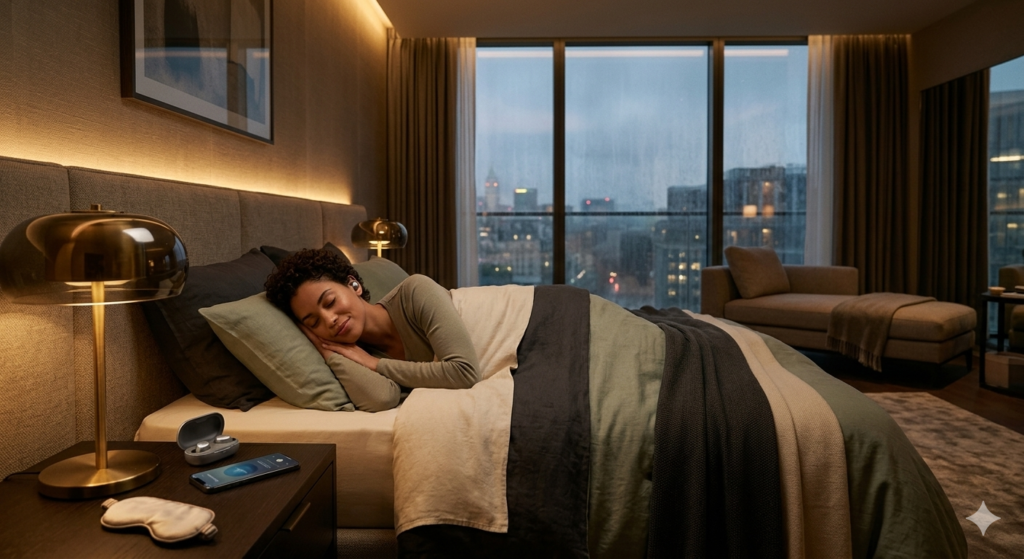
Sleep earbuds are among the fastest-growing sleep tech categories because they combine:
- Passive noise isolation
- White noise playback
- Meditation audio
- Relaxation soundscapes
- Bluetooth sleep streaming
They are especially useful for:
- Urban sleepers
- Apartment living
- Travel sleep
- Snoring environments
- Anxiety-related sleep difficulties
Explore the complete buying analysis inside the Best Sleep Earbuds guide.
White Noise Machines
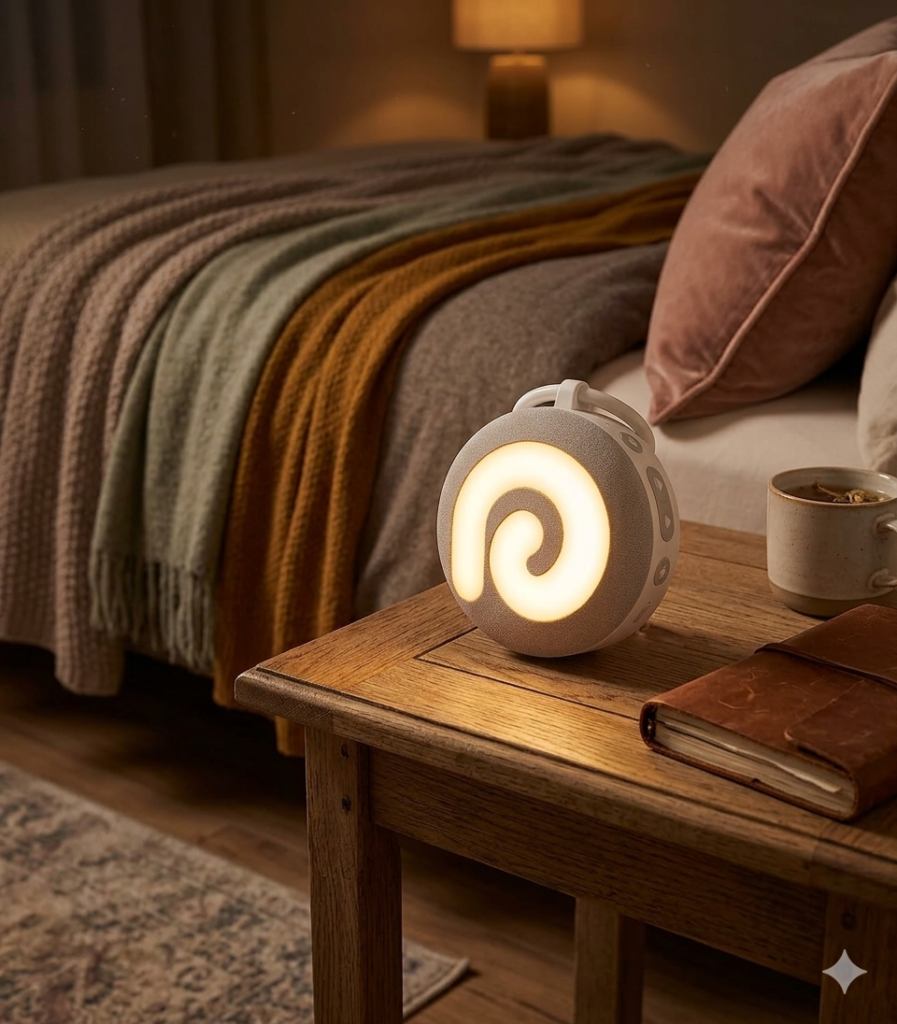
White noise machines create consistent sound environments that reduce the brain’s sensitivity to sudden acoustic interruptions.
As sleep devices become more connected, many white noise machines now overlap with broader outdoor tech principles such as portable power, travel-ready durability, compact design, and app-controlled environmental comfort for use at home, in hotels, cabins, RVs, and remote work setups.
Popular sound profiles include:
- Rainfall
- Brown noise
- Ocean waves
- Fan sounds
- Forest ambience
This category has expanded rapidly with:
- Smart app integration
- Adaptive sound profiles
- AI-driven environmental masking
- Smart home connectivity
For deeper acoustic sleep science, readers should visit the guide on how white noise improves sleep.
Sunrise Alarm Clocks
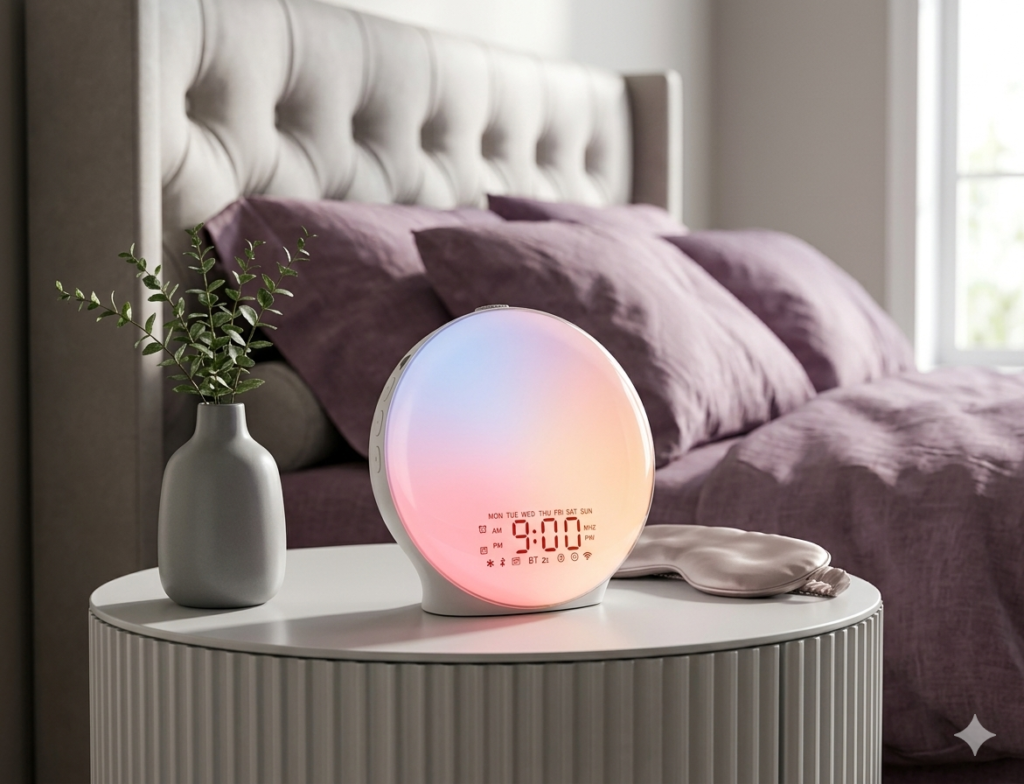
Traditional alarm clocks force abrupt awakening through stress-triggering audio spikes.
Sunrise alarm systems instead simulate natural dawn progression, gradually increasing light intensity to encourage smoother cortisol awakening response.
Benefits include:
- Reduced sleep inertia
- Easier waking
- Better morning energy
- Lower stress awakening
- Improved winter wake cycles
Sleep Trackers & Wearables
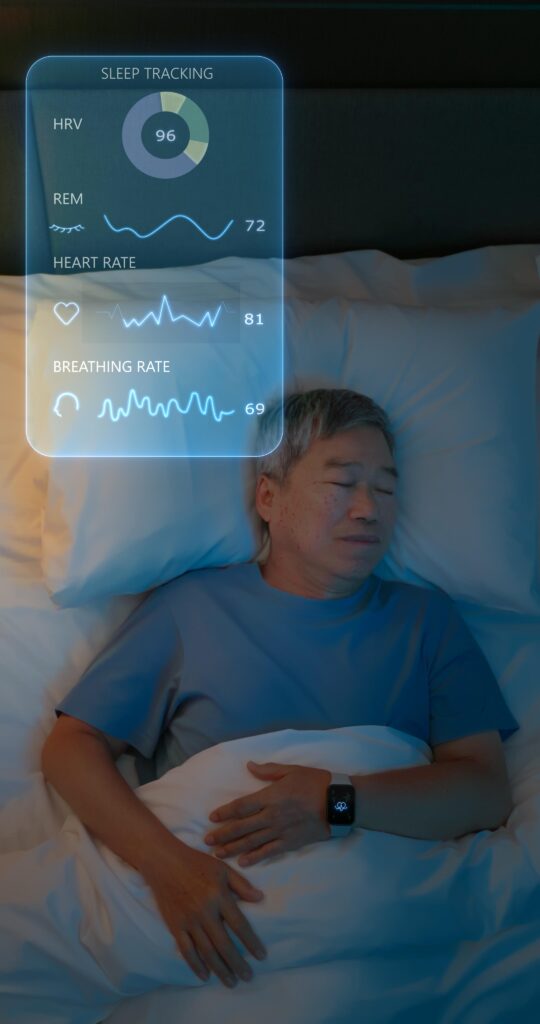
Sleep trackers now measure far more than sleep duration.
Modern devices analyze:
- Sleep stages
- Oxygen saturation
- Heart rate variability
- Breathing irregularities
- Movement patterns
- Overnight stress response
Advanced systems increasingly integrate AI-powered sleep coaching.
Visit our partners at telegeriatric.com, for technical insights and consultations on Geriatric Sleep Tech.
Blue Light Blocking Technology
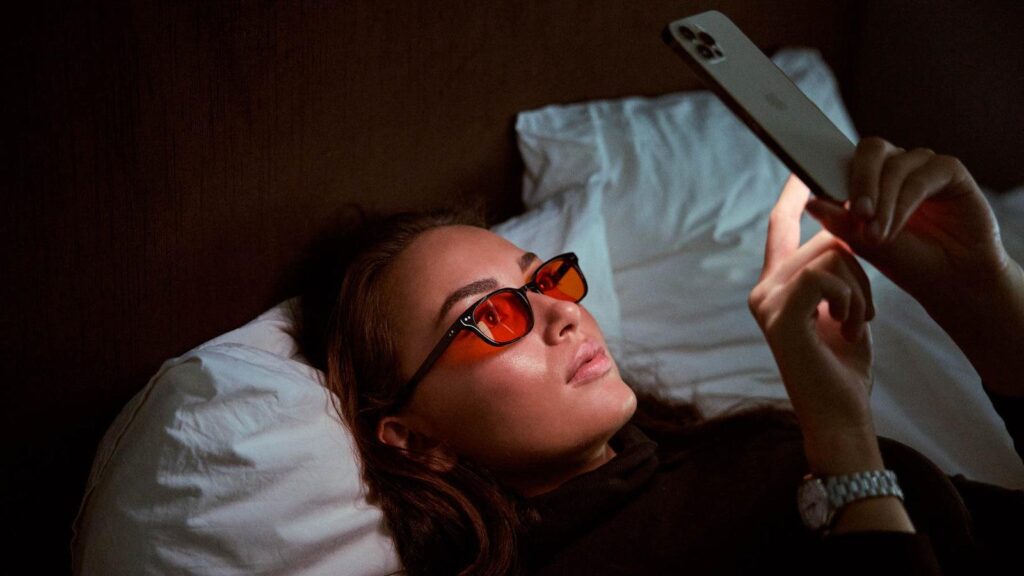
Artificial blue-spectrum light delays melatonin release and shifts circadian timing.
Blue light blocking glasses are particularly helpful for:
- Gamers
- Night-shift workers
- Students
- Late-night screen users
- Remote workers
This category continues to expand with:
- Amber therapeutic lenses
- Smart adaptive tint systems
- Prescription-compatible frames
- Wearable sleep-focused optics
Anti-Snoring Devices
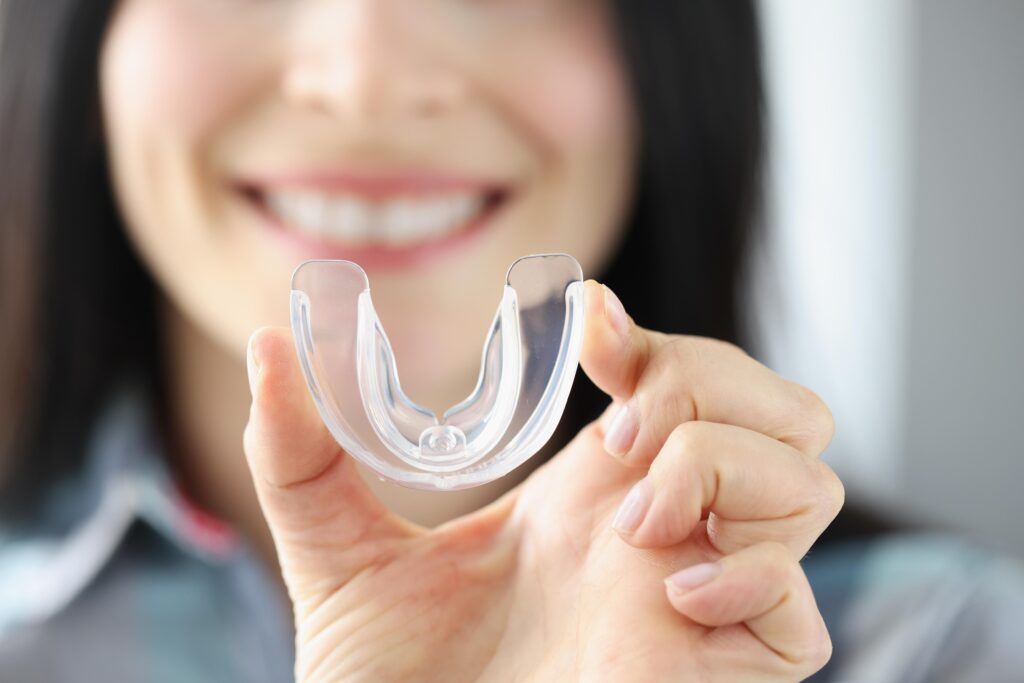
Snoring technology now includes:
- Positional trainers
- Smart wearables
- Nasal airflow systems
- Jaw advancement devices
- AI snore monitoring systems
This category is increasingly merging with respiratory health technology.
Popular Sleep Tech Devices Comparison Chart
| Technology | Best For | Main Benefit | Limitation | Typical Cost |
|---|---|---|---|---|
| Sleep Earbuds | Noise-sensitive sleepers | Audio isolation | Battery dependency | $$ |
| White Noise Machines | Shared environments | Sound masking | Less portable | $$ |
| Sunrise Alarm Clocks | Difficult mornings | Circadian support | Requires consistency | $$ |
| Sleep Trackers | Data-focused users | Behavioral insight | Data accuracy varies | $$$ |
| Anti-Snoring Devices | Couples | Reduced interruptions | Adaptation period | $$-$$$ |
| Blue Light Glasses | Screen-heavy lifestyles | Melatonin support | Requires compliance | $-$$ |
Sleep Tech vs Traditional Sleep Solutions
| Traditional Method | Sleep Tech Alternative | Difference |
|---|---|---|
| Earplugs | Smart sleep earbuds | Active audio management |
| Standard alarm clock | Sunrise alarm | Natural wake simulation |
| Manual sleep diary | Sleep tracker | Automated biometric data |
| Basic bedroom lamp | Smart circadian lighting | Dynamic spectrum control |
| Fan noise | White noise machine | Adjustable acoustic profiles |
Smart Bedroom Ecosystems
The Rise of the Connected Sleep Environment
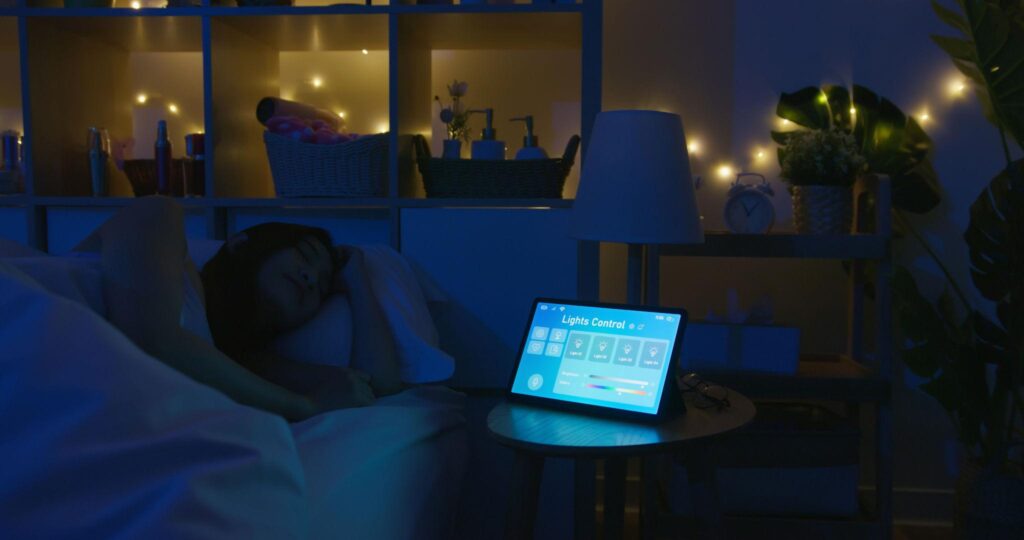
The future of sleep tech is integration.
Modern smart bedrooms increasingly combine:
- Smart lighting
- Sleep trackers
- Climate systems
- Audio automation
- Motorized blackout curtains
- Smart mattresses
- Overnight biometrics
The bedroom is becoming an adaptive recovery environment rather than a passive sleeping space.
Readers interested in automation frameworks should explore the guide on how to build a smart bedroom.
Trends & Latest Sleep Technology
AI-Powered Sleep Coaching
Devices increasingly provide adaptive recommendations based on:
- Recovery metrics
- Sleep debt
- Circadian behavior
- Stress patterns
Contactless Sleep Tracking
Radar-based and under-mattress monitoring systems are growing rapidly because they remove wearable discomfort.
Smart Temperature Regulation
Cooling mattresses and climate-responsive bedding are emerging as premium recovery technologies.
Adaptive Sound Environments
AI-generated sound masking now adjusts dynamically based on environmental noise patterns.
Sleep & Wellness Integration
Sleep ecosystems increasingly connect with:
- Fitness apps
- Mental wellness platforms
- Meditation systems
- Smart home ecosystems
Upcoming Sleep Tech Models & Industry Direction
The next generation of sleep technology is moving toward predictive sleep optimization.
Emerging innovations include:
- Non-contact respiratory analysis
- Adaptive circadian lighting walls
- AI sleep architecture prediction
- Real-time snore intervention systems
- Brainwave-responsive sleep audio
- Smart pillows with biometric feedback
- Autonomous sleep environment adjustment
The industry is shifting from passive tracking toward active intervention.
Costs of Building a Sleep Tech Setup
| Setup Level | Typical Components | Estimated Budget |
|---|---|---|
| Beginner | White noise machine + sleep mask | $50–$120 |
| Intermediate | Earbuds + sunrise alarm + blue light glasses | $150–$350 |
| Advanced | Wearables + automation + smart lighting | $500–$1500+ |
| Premium Recovery Room | Full smart bedroom ecosystem | $2000+ |
Risks & Limitations of Sleep Tech
Overdependence on Devices
Some users become psychologically dependent on sleep metrics or audio devices.
Data Accuracy Variability
Consumer-grade sleep trackers may estimate rather than clinically measure sleep stages.
Notification Overload
Poorly configured smart devices can create additional stimulation.
Excessive Screen Interaction
Ironically, some sleep apps increase nighttime phone usage.
Privacy Concerns
Sleep data increasingly intersects with biometric and wellness analytics.
How to Choose the Right Sleep Technologies
Focus on Your Main Sleep Problem
Avoid buying devices randomly.
Identify whether your issue is:
- Noise
- Snoring
- Circadian disruption
- Stress
- Overheating
- Inconsistent sleep timing
Prioritize Comfort
Even the most advanced device becomes useless if it disrupts comfort.
Build Gradually
The best smart bedroom setups usually evolve over time rather than through one large purchase.
Science of Deep Sleep & Recovery
Deep sleep is strongly associated with:
- Glymphatic brain cleansing
- Hormonal restoration
- Immune system recovery
- Nervous system recalibration
- Cognitive restoration
Modern sleep tech increasingly aims to protect and extend this critical recovery phase.
Readers interested in the biology of recovery should explore the science of deep sleep cluster.
Frequently Asked Questions (FAQs)
What is the best sleep tech for insomnia?
The best sleep gadgets for insomnia usually combine multiple interventions rather than relying on a single device. Sleep earbuds, white noise machines, circadian lighting systems, and sleep trackers often work together to reduce environmental stimulation and improve sleep consistency. The most effective solution depends on whether insomnia is caused by anxiety, noise, irregular schedules, or nighttime screen exposure.
How accurate are sleep trackers?
Modern sleep trackers are reasonably effective for estimating trends such as sleep duration, movement, resting heart rate, and sleep timing. However, consumer devices are less precise than clinical polysomnography for detecting exact sleep stages. Their greatest value comes from identifying patterns and behavioral triggers over time.
Do blue light blocking glasses really help sleep?
Blue light blocking glasses can help support natural melatonin production, particularly when used during evening screen exposure. Users who spend long hours on phones, tablets, or computers at night often report faster sleep onset and reduced nighttime alertness after consistent use.
Is smart bedroom technology worth it?
For many people, yes. Smart bedroom systems can improve sleep consistency, environmental comfort, and recovery quality. The greatest benefits are often experienced by light sleepers, shift workers, frequent travelers, and individuals dealing with chronic sleep disruption.
What is the most important sleep gadget to buy first?
For most users, the best starting point is either a white noise machine or a sleep tracker. These devices provide immediate insight into sleep behavior while addressing common environmental disruptions. Users with severe noise sensitivity may benefit more from sleep earbuds initially.
People Also Ask (PAA)
How does sleep technology improve sleep quality?
Sleep technologies improves sleep quality by reducing environmental disturbances and supporting biological sleep timing. Smart devices help stabilize sleep cycles through sound masking, light management, biometric analysis, and circadian regulation.
What is the best smart bedroom setup for deep sleep?
A strong smart bedroom setup usually includes blackout lighting control, circadian lighting, white noise systems, cooling support, and sleep tracking. The goal is to create a low-stimulation recovery environment that supports uninterrupted deep sleep.
Are white noise machines better than sleep earbuds?
White noise machines are generally better for whole-room sound masking, while sleep earbuds provide personal noise isolation. Earbuds are often preferred for travel and shared sleeping environments, while sound machines work well for broader ambient coverage.
Can sleep gadgets increase energy levels?
Yes. Better sleep quality improves nervous system recovery, hormone balance, cognitive restoration, and physical repair processes. Devices that reduce sleep fragmentation can indirectly improve daytime energy and mental clarity.
What sleep tech is best for snoring?
The best anti-snoring technology depends on the underlying cause. Positional devices, nasal airflow systems, jaw advancement devices, and smart snore monitoring wearables are among the most commonly used options.
The Future of Sleep Tech
The next phase of sleep technology will likely move beyond passive monitoring toward intelligent environmental adaptation.
Bedrooms are becoming responsive recovery spaces capable of adjusting lighting, sound, temperature, and sleep interventions automatically based on biometric feedback.
As this ecosystem evolves, the most valuable sleep technology will not necessarily be the most advanced device. It will be the systems that quietly remove disruption, preserve deep sleep continuity, and help people wake with restored energy rather than accumulated fatigue.